
Reviewed · JAPAN
Tokyo: Sumo Keiko Training Tour with Audio Guide & Photo
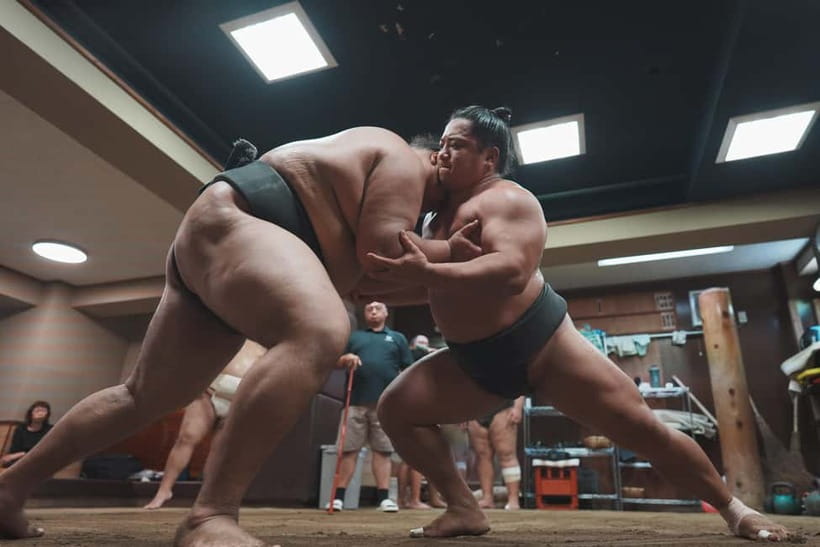
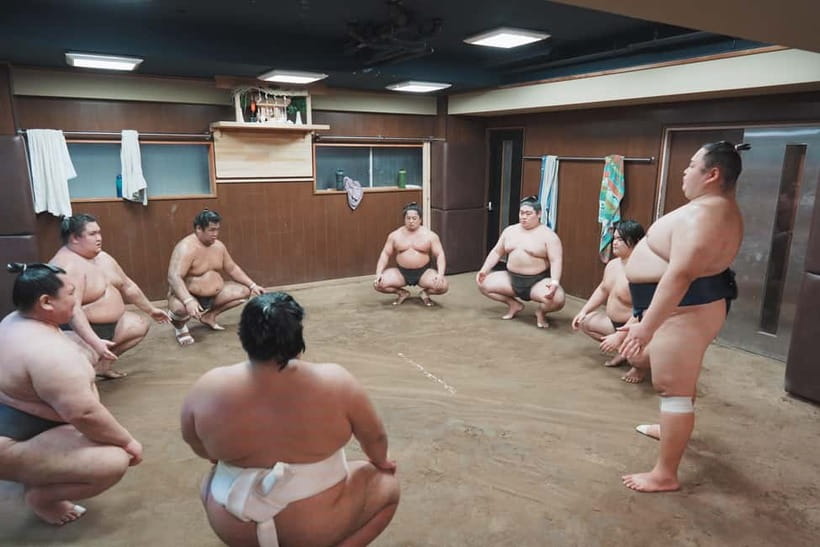
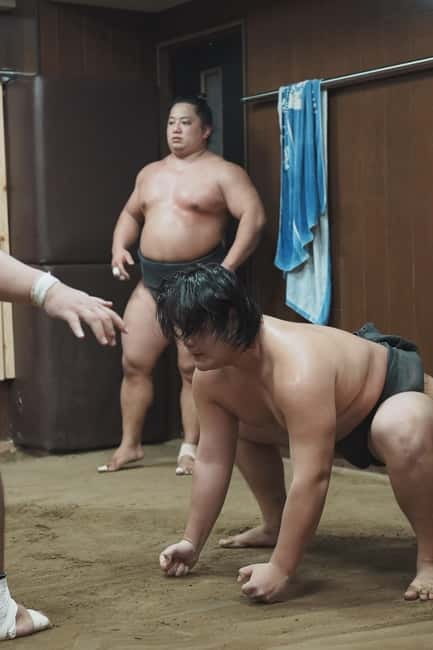
Professional sumo practice is not a staged show. At Nakamura-beya Sumo Stable, you sit quietly and watch wrestlers repeat the hard, disciplined movements that prepare them for competition. The stable is only two minutes from JR Ryogoku Station, so you can reach this close-up look at sumo without losing half your morning to transport.
I like two things here. First, the close viewing distance gives you a better sense of the wrestlers’ physical power than a distant seat in a tournament arena. Second, the audio guide and pamphlet help explain ranks, rituals, and training methods while you watch. The main drawback is comfort: bench chairs are limited, and most people sit on cushions for about 1.5 hours.
Key points to know before you book
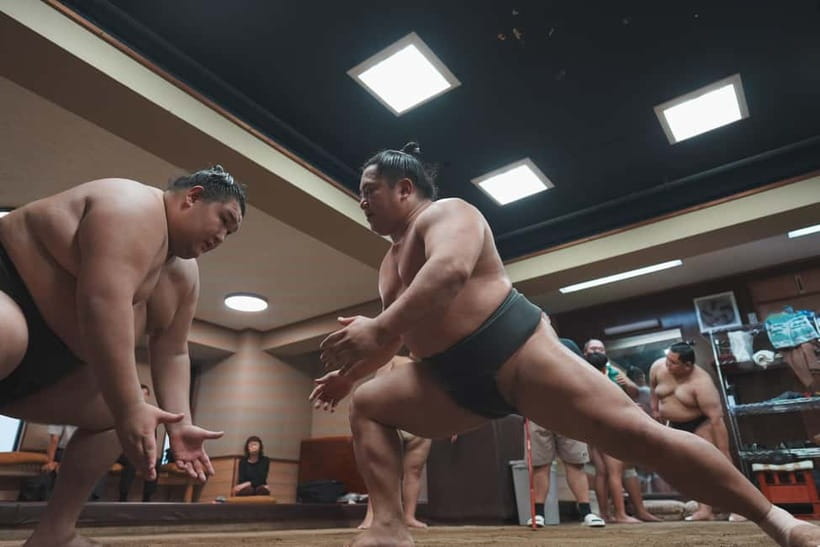
- Real practice at Nakamura-beya: You watch professional wrestlers train in their stable, not a theatrical demonstration.
- Two minutes from JR Ryogoku Station: The meeting point is beside the Ryogoku Kokugikan National Sumo Arena.
- Quiet viewing is part of the experience: You must watch without talking, and late arrivals lose viewing time.
- Audio help in many languages: The guide explains sumo ranks, history, and techniques through your phone.
- Photo with sumo wrestlers included: You can take a souvenir photo, but flash photography is not allowed.
- Air-conditioned and practical: The venue provides Wi-Fi and charging stations, useful if your phone is running low.
Why a practice session can teach you more than a tournament
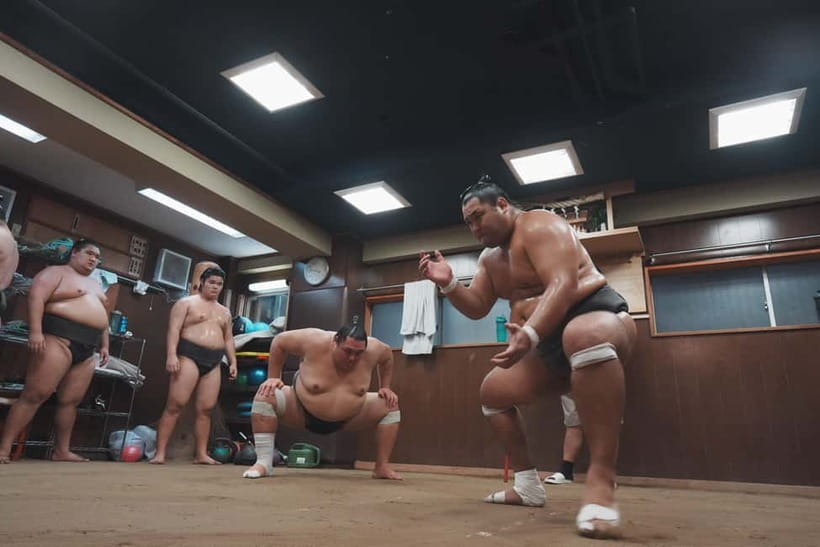
A professional tournament gives you the drama of a match. A training session shows the work behind that drama.
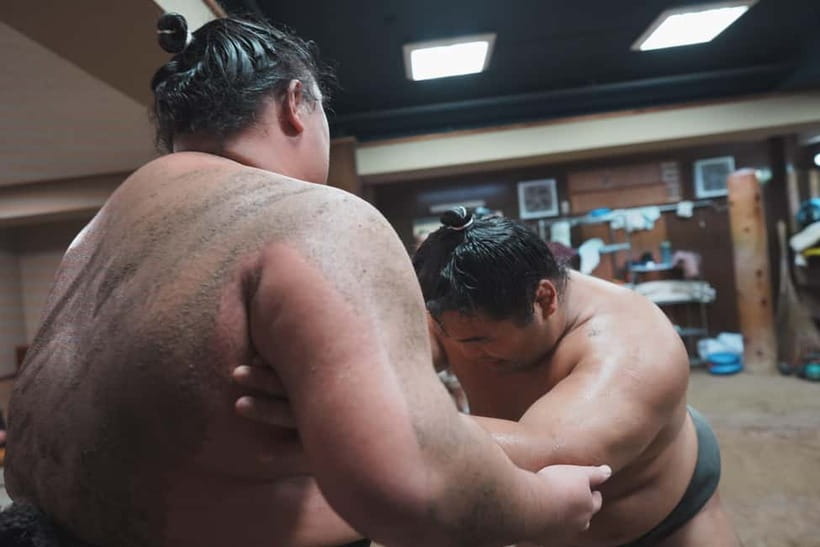
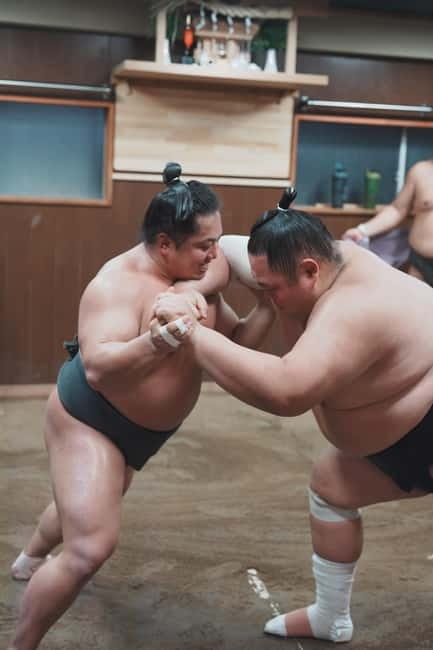
At the stable, the important action is repetition. You watch wrestlers practice movement, balance, strength, and technique at close range. The point is not simply to see who wins. It is to notice how much preparation goes into a sport that can last only a few seconds once an official bout begins.
That makes this a good choice if you already know something about sumo. One verified booking described the experience as close and personal, with the practice adding to an existing appreciation of the wrestlers. You can make the same visit worthwhile even if you know the basic rules, because the focus is on training rather than a quick match.
It also suits newcomers. Sumo has its own ranks, customs, and vocabulary, and the audio guide gives you useful context while the action is happening. You are not left to guess why a movement matters or how the training fits into the wider sport.
There is one important difference from a normal sightseeing stop: you are expected to behave quietly. This is a working training space, not a performance built around audience reaction. If you want to chat, take constant photos, or move around freely, this will feel restrictive. If you can sit still and pay attention, the quiet becomes part of the lesson.
More Audio Tours in the world
- Barcelona: Sagrada Familia Entry Ticket with Audio Guide
★ 4.6 · 105,312 reviews - Rome: Pantheon Fast-Track Ticket and Official Audioguide
★ 4.5 · 27,353 reviews - Barcelona: Casa Batlló Entry with Self-Audioguide Tour
★ 4.7 · 25,359 reviews
Arriving beside Ryogoku Kokugikan
The meeting point is Nakamura-beya Sumo Stable, just two minutes from JR Ryogoku Station and next to Ryogoku Kokugikan National Sumo Arena. That location is a major practical advantage. You do not need a long taxi ride or a complicated transfer to reach the stable.
Ryogoku is Tokyo’s main sumo district, so the setting makes sense from the moment you arrive. The nearby national arena and Sumo Museum give you a chance to place the training session within the city’s sumo culture. You can also continue toward the Tokyo waterfront on foot after the visit.
Use the provided directions before leaving your hotel, especially if you are unfamiliar with station exits. The meeting point is close, but train stations in Tokyo can still require a little orientation. Arriving early matters here. A late arrival does not extend the session, so a missed start means less time watching practice.
Before entering, plan to use the restroom. The instructions ask you to do this before joining the session. That small bit of preparation matters because you are expected to remain seated and quiet once practice begins.
Watching the wrestlers train
The visit lasts between 40 and 90 minutes depending on the selected starting time and availability, with the planned visit described as about 1.5 hours. Check the exact duration when booking, since the range is wide enough to affect the rest of your day.
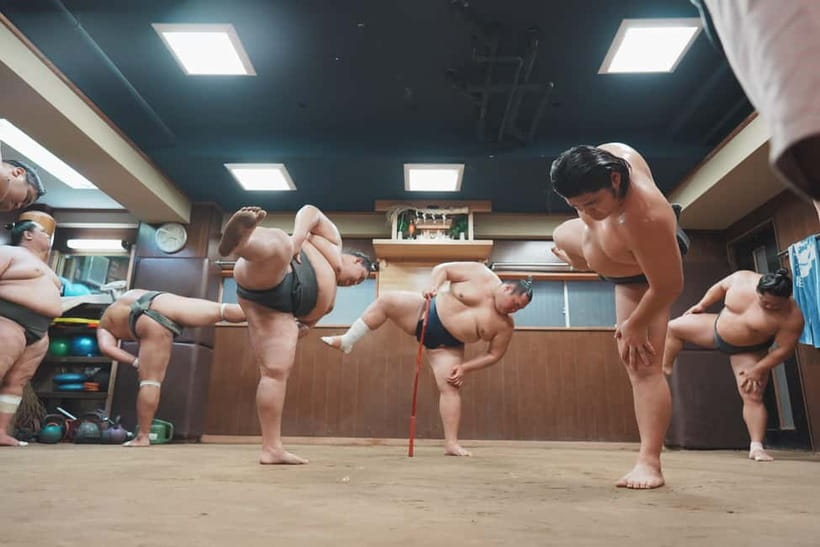
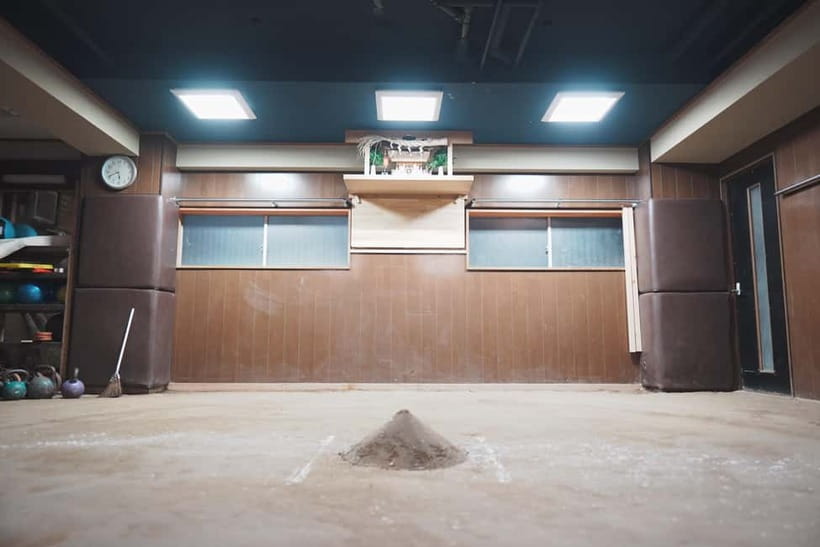
Inside, you watch the wrestlers train from the stable’s viewing area. This is the heart of the experience. The stable setting gives you a direct look at sumo practice rather than a polished arena presentation. You see the sport as work: controlled movement, repeated effort, and strict concentration.
The close distance is what gives the session its value. From a faraway tournament seat, the wrestlers can appear almost larger than life. Here, you can pay attention to the physical details and the discipline of the training. You may find yourself noticing foot placement, balance, posture, and the force behind each movement.
The rules for watching are simple but firm. Refrain from speaking and observe quietly. Do not use flash photography. Sunglasses are not allowed, and you must not attend barefoot. These are not minor suggestions to ignore. They help protect the atmosphere of a working stable and keep your presence from interrupting practice.
Photography is allowed, so you can record parts of the visit without flash. The included photo with sumo wrestlers gives you a more direct souvenir than a picture of the building or arena. Since the photo is part of the planned experience, keep your phone ready, but follow the staff’s instructions about when to take it.
Making sense of sumo with the audio guide
The audio guide is designed for your phone, so bring your own earphones. If you forget them or do not have a pair, the stable can lend you some. That is useful, but bringing your own is still the simplest option.
The guide covers sumo history, ranks, and training techniques. Those subjects matter because sumo can be hard to read from the outside. A bout may look brief, but the rank system and training customs give meaning to what you are seeing.
The audio guide is available in several languages, including Chinese, English, French, German, Hindi, Italian, Japanese, Korean, Polish, Spanish, and Portuguese. The live guide speaks English, Japanese, and Korean. You therefore have two layers of help: a person on site and recorded explanations for additional detail.
The guide works best as background rather than entertainment. You should not expect a running commentary over every second of practice. Since you are asked to remain quiet, the audio lets you learn without turning the session into a spoken tour.
The training pamphlet adds another useful reference. You can look at it before practice starts, then use it to recall terms later. If sumo is new to you, read the basic material before the wrestlers begin. That way, you can spend the training time watching instead of trying to understand every term at once.
Another self-paced route in the world:
- Rome: Colosseum & Forum with Audio Guide App -Optional Arena
★ 4.2 · 24,770 reviews - Amsterdam: 75 Minute City Canal Cruise with Audio Guide
★ 4.4 · 19,938 reviews - Florence: Timed Entry to Michelangelo’s David + Audio App
★ 4.6 · 19,496 reviews - Amsterdam: City Centre Canal Cruise including Audioguide
★ 4.3 · 16,901 reviews
Cushions, air-conditioning, and the practical side
The venue has air-conditioning, free Wi-Fi, and charging stations. These details may sound ordinary, but they help in a quiet seated experience. Tokyo can be hot and humid, and the ability to cool down makes it easier to concentrate.
Charging stations are especially useful if you are using your phone for the audio guide and photos. Bring earphones, then make sure your phone has enough battery for the session. Wi-Fi is another convenience, though you should not spend the visit browsing when the wrestlers are training in front of you.
Seating is the main comfort issue. A limited number of bench chairs are available, with priority given to visitors with disabilities. Other participants sit on cushions for about 1.5 hours. If sitting on the floor is difficult, take that seriously before booking.
The information supplied does not promise a chair for every person, so do not assume you will receive one. Wear clothing that lets you sit comfortably and arrive prepared for a mostly stationary visit. The session is not a good fit if you need to walk around regularly.
Children must be at least six years old. Younger children cannot join. Older children may enjoy the strength and ceremony of sumo, but the quiet rules and long seated period still matter. Parents should explain those expectations before arriving.
What the $85 price means
At $85 per person, this is not a budget attraction in the way a free neighborhood walk is. The value depends on how much you care about seeing professional sumo practice at close range.
The price includes the session, a multilingual audio guide, the training pamphlet, a photo with sumo wrestlers, and access to the stable’s Wi-Fi and charging service. There is no pickup or drop-off, but the meeting point is so close to JR Ryogoku Station that arranging your own transport is straightforward.
I would compare the price with what you want from the day. If you only need a quick photograph connected to sumo, $85 may feel high. If you want a focused look at training, explanations of ranks and technique, and a photo afterward, the cost is easier to justify.
The short location transfer also protects your sightseeing time. You can combine the session with the Ryogoku Kokugikan area, the Sumo Museum, and a walk toward the Tokyo waterfront. That makes the outing more useful than a distant attraction that takes most of a day to reach.
The main value is access. You are paying for the chance to observe a professional stable during practice, not for a long tour with many stops. If that distinction matters to you, the price is reasonable for a specialized Tokyo experience. If you prefer broad city sightseeing, spend the money elsewhere.
Building a half-day around the stable
Because the visit begins and ends at Nakamura-beya, it is easy to add nearby sights. Start with the stable session, then walk to the Ryogoku Kokugikan area and the Sumo Museum. The arena is next to the meeting point, so you do not need another train ride just to continue the theme.
The museum can help fill in details that the live practice cannot explain. At the stable, your attention belongs to the wrestlers and the quiet rhythm of training. At the museum, you can focus on sumo-related displays and information at your own pace.
Afterward, continue toward the Tokyo waterfront on foot if you want to change the mood. The activity details specifically point to the waterfront as a nearby option. The visit is therefore easy to combine with a broader walk instead of treating it as an isolated appointment.
Allow extra time around the booking if you plan to add other sights. The duration can be as short as 40 minutes or as long as 90 minutes, and late arrivals lose time. A tight schedule could turn a relaxed morning into a race.
Who should book this sumo experience
I would recommend it most strongly to people who want an authentic look at how sumo wrestlers prepare. You do not need expert knowledge. The audio guide explains the basics, and the live staff can speak English, Japanese, or Korean.
It is also a strong choice for fans who have already watched sumo on television or attended a tournament. The close view changes your sense of the sport. One booking from the United States described the experience as valuable even for someone who already knew a lot about sumo, because seeing practice up close increased appreciation for the wrestlers.
Families with children six and older can consider it, but only if the children can remain quiet and seated. The strength and unusual setting may hold their attention, yet the visit is not built around activities or movement.
I would hesitate to recommend it to anyone who dislikes sitting on cushions, needs guaranteed chair seating, or wants a lively guide who talks throughout the action. The stable asks for silence, and that rule is central to the experience.
Small rules that make a big difference
Bring earphones, even though a pair can be lent to you. Charge your phone before leaving, then use the venue’s charging service if needed. You will want the phone for the audio guide and the included photo.
Avoid sunglasses and bare feet. Leave the flash switched off before photography begins. It is better to set up your phone quietly than to fumble with settings once practice is underway.
Arrive early enough to find the stable and use the restroom. The meeting point is close to the station, but late arrivals do not receive extra viewing time. A rushed arrival also makes it harder to settle into the quiet atmosphere.
Remember that this is a working practice session. Watch quietly, follow staff directions, and treat the wrestlers’ concentration with respect. That approach gives you the best chance of seeing the training as it is meant to be seen.
Should you book the Nakamura-beya visit?
Book it if you want close access to real sumo practice, value a central Ryogoku location, and can sit quietly for the full session. The multilingual audio guide, pamphlet, photo, air-conditioning, and charging facilities make the visit easy to manage.
Think twice if your priority is comfort, casual conversation, or a guaranteed bench chair. The $85 price is fair for a specialized experience, but it is not the right choice for every Tokyo itinerary.
For sumo fans, curious first-time visitors, and anyone who wants to see the discipline behind the public spectacle, this is one of the more focused ways to spend time in Ryogoku.
FAQ
Where does the sumo training tour meet?
The meeting point is Nakamura-beya Sumo Stable, about two minutes from JR Ryogoku Station and next to Ryogoku Kokugikan National Sumo Arena.
How long does the experience last?
The available duration is between 40 and 90 minutes. The planned visit is described as about 1.5 hours, so check the available starting time and duration when booking.
Is the sumo practice a live session?
Yes. You watch professional sumo wrestlers train at Nakamura-beya Sumo Stable.
Which languages are available?
The live guide speaks English, Japanese, and Korean. The audio guide is available in Chinese, English, French, German, Hindi, Italian, Japanese, Korean, Polish, Spanish, and Portuguese.
Do I need to bring earphones?
You should bring your own earphones to use the audio guide on your phone. A pair can be lent to you if you do not have one.
Can I take photographs?
Photography is allowed, including a photo with sumo wrestlers. Flash photography is not allowed.
Are seats provided?
A limited number of bench chairs are available, with priority for visitors with disabilities. Other participants sit on cushions for about 1.5 hours.
Can children join the experience?
Children must be at least six years old. Children under six cannot join.
Latest audio tours in the world
- Seville Maestranza Bullring Tour with Audio Guide★ 3.5 · 6 reviews
- Seville Scavenger Hunt and Highlights Self Guided Audio Tour★ 5.0 · 5 reviews
- Seville Audio guided walking tour 3h20 and 28 audio commentaries★ 5.0 · 2 reviews
- Royal Alcazar of Seville Entry Ticket with Audio Guide★ 4.0 · 42 reviews
- Seville Cathedral and La Giralda Entry Ticket with Audio Guide★ 3.0 · 9 reviews
- Seville Cathedral and Giralda Entry Tickets with Audio Guide★ 4.0 · 56 reviews
- Essential Seville’s Ancient History: An Audio Tour★ 5.0 · 9 reviews
- Sequoia National Park Self-Guided Audio Tour★ 4.5 · 9 reviews
Japan Audio Tours, compared.
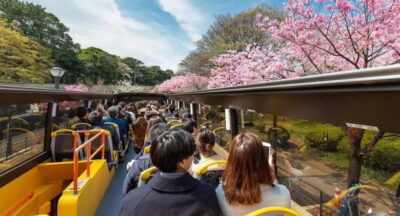
Open Top Panoramic Sightseeing Bus with Audio Guide
Read our review →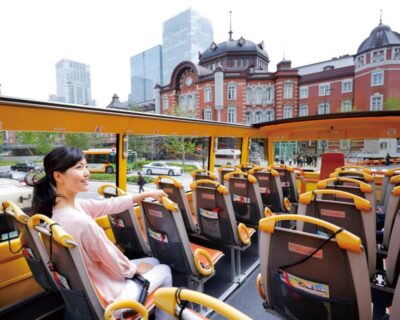
60min Panoramic Open Top Bus Tour with Audio Guide
Read our review →
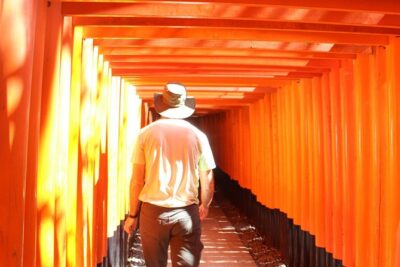
Fushimi Inari Shrine: Explore the 1,000 Torii Gates on an audio walking tour
Read our review →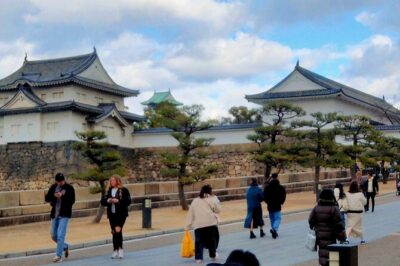
Osaka Castle & Temple Walking Tour with Multilingual Audio Guide
Read our review →
Discover Stunning Nagasaki: Self-Guided Audio Tour
Read our review →
Audio Guide App Japan Tokyo Kyoto Takayama Kanazawa Nikko and others
Read our review →Browse the lists this tour appears in