
Reviewed · KEY WEST
Skip the Line: Mel Fisher Maritime Museum Admission Ticket and Audio Tour
The most gripping part of this museum is the real treasure recovered from Spanish galleons, paired with the legal fight that followed. Mel Fisher and his crew found the wrecks, then fought government claims all the way to the US Supreme Court. You get both the gold-and-silver story and the messy question of who owns the past.
I like the well-spaced Atocha displays, which give the coins and artifacts room to make an impression. I also like the Henrietta Marie exhibits, because they move beyond treasure hunting and confront the human cost of the Transatlantic Slave Trade with care.
The main consideration is that the audio tour is offered in English only. The museum is also open Tuesday through Sunday, 10:00 a.m. to 4:00 p.m., so a Monday visit will not work.
Key points to know before you go
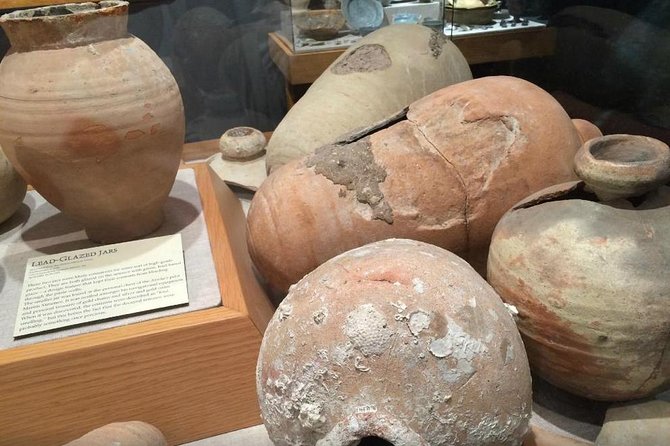
- Atocha treasure: See gold, silver, coins, and other artifacts recovered from the Spanish Treasure Galleons.
- Henrietta Marie story: Examine relics from an English merchant slave ship dating to 1699, including shackles connected to the slave trade.
- English audio tour: Use the included audio guide to add background to the history and treasure gallery.
- More than shipwrecks: Exhibits cover Spanish coins, Caribbean pirates, Key West’s African Cemetery, and the science of conservation.
- Flexible visit length: Allow about two hours for a thoughtful visit, though the experience can take anywhere from one to four hours.
- Useful Key West stop: The museum offers an indoor history break from the heat and works well for families interested in the past.
Why the Mel Fisher Museum is more than a treasure display
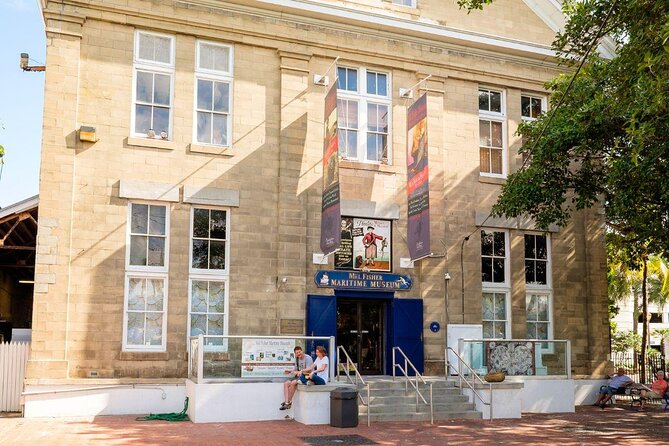
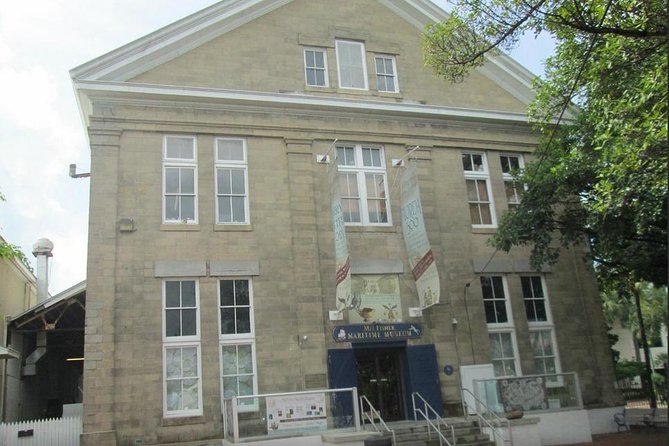
Key West is full of water, boats, wrecks, and stories of people trying to make a living from the sea. The Mel Fisher Maritime Museum gathers those strands under one roof, but it does not tell only a victory story about finding gold.
You begin with the famous Spanish Treasure Galleons and the work of Mel Fisher and his crew. The museum also covers the battle to keep the recovered artifacts, a legal struggle that reached the US Supreme Court. That extra layer matters. The treasure becomes part of a larger question about ownership, archaeology, government power, and the rights of people who search for wrecks.
I find that mix more useful than a room of glittering objects alone. You can admire the coins and precious metal, then consider how they came from ships, trade routes, danger, and long-running disputes.
The displays also reach beyond Key West. You will see maritime artifacts from different parts of the world and learn how wrecks are located, examined, and preserved. The result is a small museum with several distinct subjects, not a single-room attraction built around one famous find.
More Museum Audio Tours in the USA
- Medieval Torture Museum Ticket with Audio Guide and Ghost Hunting
★ 5.0 · 962 reviews - Museum of the American Revolution Admission Ticket with Audio Guided Option
★ 4.5 · 187 reviews - Pearl Harbor Aviation Museum Ticket with Audio Tour and Shuttle
★ 4.5 · 58 reviews
The Atocha galleries and the story behind the treasure
The first-floor galleries focus on the Atocha shipwreck and the Spanish Treasure Galleons discovered by Fisher and his crew. The recovered gold and silver are the obvious draw, but the coins often tell the more interesting story. They connect the wreck to Spain’s reach in the New World and to the movement of wealth across the Atlantic.
The displays are arranged with enough space to inspect the objects and read the signs without feeling that everything has been packed into one crowded case. That helps if you want to stop and study individual pieces rather than simply walk past a glittering pile.
The audio tour adds useful background to the history and treasure gallery. I would use it at a relaxed pace, stopping when a particular object or story catches your attention. Since the audio is in English, you should be comfortable listening in English to get the full benefit.
The Mel Fisher story gives the Atocha material a human face. You learn about the years of searching and the legal fight that followed the discovery. The folk-legend quality of Fisher’s story fits Key West, but the museum also gives you enough context to see the work, risk, and conflict behind the legend.
One practical point: do not rush through the first floor just because the gold catches your eye. Give yourself time to read the signs and use the audio guide. The value here is not only seeing treasure. It is understanding how a wreck became a major historical and legal event.
The Henrietta Marie galleries and a harder chapter
The second floor focuses on the Henrietta Marie, an English merchant slave ship dating to 1699. The wreck was discovered in 1972, but the site was only partly excavated until later work continued. The museum uses the ship’s relics to explain the vessel and its place in the Transatlantic Slave Trade.
This section changes the mood. Shackles are among the central artifacts, and the subject is handled with a serious tone. You will not find the same bright appeal as the Atocha displays, but that contrast is important. A maritime museum that showed only treasure would give you a polished and incomplete view of the sea.
The exhibit also connects with the Key West African Cemetery display, which offers a look at the island’s particular role in this history. Together, these exhibits place the shipwreck in a human setting. The artifacts are not simply old objects from underwater. They point to people who were captured, transported, and treated as property.
A video about the investigations of the Henrietta Marie site helps explain how researchers learned from the wreck. I would set aside time for this section even if your main interest is pirates or Spanish coins. It is one of the museum’s most meaningful parts, and it gives the whole visit greater weight.
Families should decide in advance how to handle this gallery with younger children. The museum is described as a place that can foster a child’s interest in history, but the slave-trade material is serious. Older children who can discuss difficult subjects may find it especially valuable.
Pirates, Spanish coins, and the science behind wrecks
The museum does not stop with the two major wreck stories. Additional displays cover the real pirates of the Caribbean, Spanish coins in the New World, and the science of shipwrecks.
The pirate material is likely to appeal to children and anyone drawn to the more colorful side of maritime history. The useful distinction is between real pirates and the familiar storybook image. The museum presents pirates as part of a working maritime world shaped by trade, conflict, law, and valuable cargo.
The Spanish coin material gives you another way to read the past. Coins can reveal where money came from and how it moved through the New World. I like this sort of display because it turns a small object into a clue about a much larger system.
The shipwreck science section explains how history is recovered from underwater sites. You may also be able to take a lab tour and see how conservation work reveals information from objects brought up from the sea. Since the supplied details do not specify the lab tour schedule or whether it is part of every visit, ask at the museum when you arrive if this is a priority.
That uncertainty is worth keeping in mind. The regular admission and English audio tour are clear parts of the experience, while the lab visit may depend on what is operating that day. Still, even without it, the science displays help you understand why conservation takes time and why an artifact cannot simply be cleaned and placed in a case.
Another self-paced route in the USA:
- Los Angeles: Hop-On Hop-Off Bus Tour with Audio Guide
★ 3.7 · 2,030 reviews - City Sightseeing Hop-On Hop-Off Bus Tour with Audio Guide
★ 3.0 · 1,083 reviews - Gettysburg Battlefield Self-Guided Driving Audio Tour
★ 4.5 · 910 reviews - Joshua Tree National Park Self-Guided Driving Audio Tour
★ 4.5 · 762 reviews
How long to spend inside
The stated visit length ranges from one to four hours. That is a wide span, and it makes sense because people use the museum in different ways.
If you want a quick indoor stop, one hour can give you the main Atocha displays, a few Henrietta Marie artifacts, and a look at the other galleries. That works when you are fitting the museum between other Key West plans.
I would plan on roughly two hours for a satisfying visit. That gives you time for the audio tour, the Atocha galleries, the Henrietta Marie material, and at least some of the pirate, coin, and conservation displays. One person who revisited the museum after three decades found the improved exhibits worth a couple of hours, especially as a break from the heat.
You could spend longer if you read every sign, watch the investigation video, and ask about the lab tour. Four hours may suit a history enthusiast, but many people will not need that much time unless they move slowly through every section.
The museum’s 10:00 a.m. to 4:00 p.m. opening schedule also affects planning. It operates Tuesday through Sunday during the stated 2025 and 2026 periods. I would avoid arriving close to closing if you want the audio tour and the full second-floor exhibits.
Is the $19.50 admission good value?
At $19.50 per person, the ticket gives you museum admission and one English audio tour. The value depends on how much time you give the collection, but the price is reasonable if you plan to stay for around two hours and use the audio rather than making a quick pass through the galleries.
The strongest value comes from the variety. You are not paying to see only one recovered shipwreck. The visit includes Atocha treasure, Henrietta Marie artifacts, the slave-trade exhibits, Key West’s African Cemetery story, pirate history, Spanish coins, and shipwreck conservation.
The ticket also works well when you want control over your schedule. You can visit when it fits your day instead of committing to a fixed walking tour or a long excursion. The mobile ticket adds convenience, and the booking has a maximum of 15 people, though the main benefit here is the museum access rather than a small-group guide.
There are limits. The audio tour is English only, and the DVD is not included, though it can be purchased separately. If you have no interest in maritime history, recovered artifacts, or Key West’s connection to the sea, you may find the price harder to justify.
For families, the value improves if adults use the exhibits to start a conversation. The Atocha material can draw children in with coins and treasure, while the conservation displays show how history is pieced together. The Henrietta Marie section requires more care, but it gives older children a serious subject to consider.
Getting the most from the audio tour
The included audio tour is focused on the history and treasure gallery. I would not treat it as background noise. Use it to connect the objects in front of you with the search, discovery, and legal battles behind them.
Start with the main galleries, then pause often. Audio tours work best when you are not trying to keep pace with a crowd. Since the museum admission is designed for a convenient visit, you can set your own rhythm and spend longer on the objects that interest you.
You may also want to save the Henrietta Marie gallery for a slower second part of the visit. The subject is weightier, and rushing through it after the excitement of the Atocha displays would weaken its effect.
There is no named guide attached to this experience. The audio guide is the main source of interpretation included with admission, and it is offered in English. If you prefer asking questions as you go, the museum’s displays and any available staff assistance will matter more than a scheduled guide-led tour.
Who will enjoy this museum most?
I would recommend it to anyone who wants a history stop with a strong Key West connection. The museum works particularly well for:
- Families with children who are curious about treasure, pirates, coins, and ships.
- Adults interested in the Atocha discovery and the Supreme Court battle over the artifacts.
- People who want an indoor activity during the heat of the day.
- Visitors who value difficult history presented alongside more familiar adventure stories.
- Museum fans who enjoy conservation, archaeology, and the process of learning from wrecks.
I would be more cautious if your schedule allows only a few minutes, since the audio tour and several subject areas reward patience. I would also think twice if no one in your group is comfortable with the Henrietta Marie and slave-trade exhibits, which are an important but serious part of the visit.
The museum is best for independent exploring. You can move at your own pace, choose how much audio content to hear, and decide which galleries deserve the most time.
Booking, timing, and cancellation details
You receive confirmation at the time of booking, and the ticket is mobile. The experience is offered in English, and most people can participate.
The museum is open Tuesday through Sunday from 10:00 a.m. to 4:00 p.m. for both 2025 and 2026 dates listed. If your plans change, free cancellation is available up to 24 hours before the scheduled start time. Cancellations made less than 24 hours ahead are not refunded, and changes inside that period are not accepted.
The experience is often reserved well ahead, with an average booking time of 38 days in advance. That does not mean you must always plan that far ahead, but it is sensible to reserve early if this museum is important to your Key West schedule.
Should you book the Mel Fisher Maritime Museum?
Book it if you want more than a quick look at recovered gold. The Atocha galleries deliver the treasure, while the Henrietta Marie, African Cemetery, pirate, coin, and conservation exhibits give the visit real breadth.
At $19.50, I think it is a worthwhile two-hour stop for families, history fans, and anyone seeking an indoor break from Key West’s heat. Use the audio tour, read the signs, and allow the serious Henrietta Marie section the attention it deserves.
Skip it if you want a purely lighthearted attraction or if your visit falls on Monday. For everyone else, this is a practical, thought-provoking museum visit that links Key West to shipwrecks, global trade, legal battles, and the people affected by maritime history.
FAQ
How much does admission cost?
Admission costs $19.50 per person. The ticket includes museum entry and one English audio tour.
What does the audio tour cover?
The audio tour covers the history and treasure gallery. It is offered in English.
How long does a visit take?
The approximate visit length is one to four hours. Allowing about two hours gives you time for the main galleries and audio tour.
When is the museum open?
The museum is open Tuesday through Sunday from 10:00 a.m. to 4:00 p.m. The listed opening schedule applies to both 2025 and 2026.
What exhibits will I see?
You can see Atocha and Spanish Treasure Galleons artifacts, Henrietta Marie relics, Spanish coins, pirate exhibits, the Key West African Cemetery display, and information about shipwreck science and conservation.
Is the DVD included?
No. A DVD is available to purchase separately, but it is not included with admission.
Can I cancel the booking for a refund?
Yes. You can cancel up to 24 hours before the experience start time for a full refund. Cancellations or changes made less than 24 hours before the start time are not accepted for a refund.
More Skip-the-Line Audio Tours in the USA
- Prague: Skip-the-line Castle Ticket and Optional AudioGuide
★ 4.3 · 11,121 reviews - Topkapi Palace and Harem Skip-the-Line-Tickets & Audio Guide
★ 4.3 · 4,745 reviews - Pantheon Reserved Entry Ticket with Audio Guide
★ 4.0 · 4,486 reviews - Rome: Borghese Gallery Skip-the-Line Ticket & Audioguide
★ 4.3 · 4,318 reviews
Latest audio tours in the USA
- Solvang City Personalized Self-Guided App Tour★ 3.0 · 6 reviews
- Essential Downtown SLO: A Self-Guided Audio Tour★ 4.5 · 27 reviews
- Silicon Valley Self-Guided Driving Audio Tour for Tech Lovers★ 4.0 · 24 reviews
- Self-Guided Audio Tour of the Golden Gate Bridge★ 3.5 · 3 reviews
- The Ghosts of San Francisco Haunted Audio App Walking Tour★ 5.0 · 2 reviews
- Point Reyes National Seashore Self Guided Driving Audio Tour★ 4.0 · 9 reviews
- San Francisco Self-Guided Audio Drive: Explore at Your Own Pace★ 4.0 · 9 reviews
- Explore Coronado Island on a Self Guided Audio Tour★ 5.0 · 2 reviews
Museum Audio Tours, compared.

Uffizi Priority Ticket & Masterpieces Audio App
Read our review →
Louvre Museum Hosted Entry and Mona Lisa Audioguide
Read our review →
St. Mark Basilica Ticket, Audioguide+History Gallery
Read our review →
Borghese Gallery Skip-the-Line Ticket & Audioguide
Read our review →
Borghese Gallery Ticket + Audioguide or Guided Tour
Read our review →
Orsay Museum Entry Ticket and Digital Audio Guide App
Read our review →
Uffizi Gallery Timed Entry Ticket & Audio Guide
Read our review →
Acropolis Museum Ticket with optional Audio Guide
Read our review →Browse the lists this tour appears in