Reviewed · PARIS
Paris: Orsay Museum Entry Ticket and Digital Audio Guide App
The Musée d’Orsay packs an extraordinary amount of art into a former railway station on the Seine’s Left Bank. This ticket gives you a flexible entry time on your scheduled day, which is useful when Paris plans refuse to run on a neat timetable. Inside, the digital guide offers commentary on more than 300 artworks.
I especially like the freedom to visit without committing to a narrow arrival slot, and the chance to see the museum’s famous Impressionist and Post-Impressionist collection at your own pace. The main catch is that the ticket is not guaranteed priority entry, and the separate audio app can be awkward or incomplete for some works.
Key points to know before you go
- Flexible entry through Queue C1: Use the C1 entrance for tickets without designated time slots, but allow extra time for security during busy periods.
- One entry on one date: You can arrive when it suits you on the scheduled day, but this is not a pass for repeated admission.
- More than 300 audio stops: The guide covers selected masterpieces and museum architecture, though it does not cover every famous painting.
- The fifth floor draws the biggest crowds: This is where much of the celebrated Impressionist collection is displayed, so go early or later in the day.
- Bring your own headphones: The guide works through a separate app that should be downloaded before you arrive.
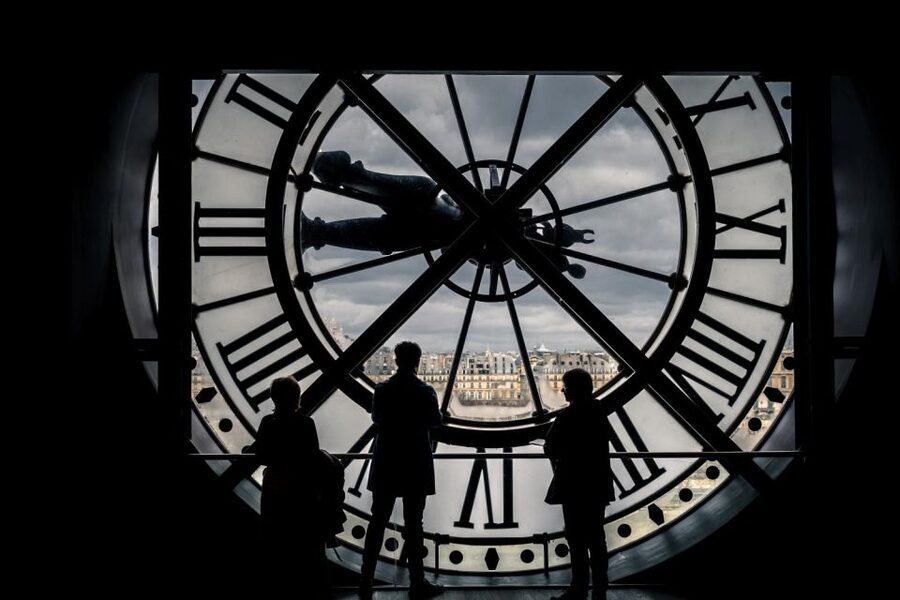
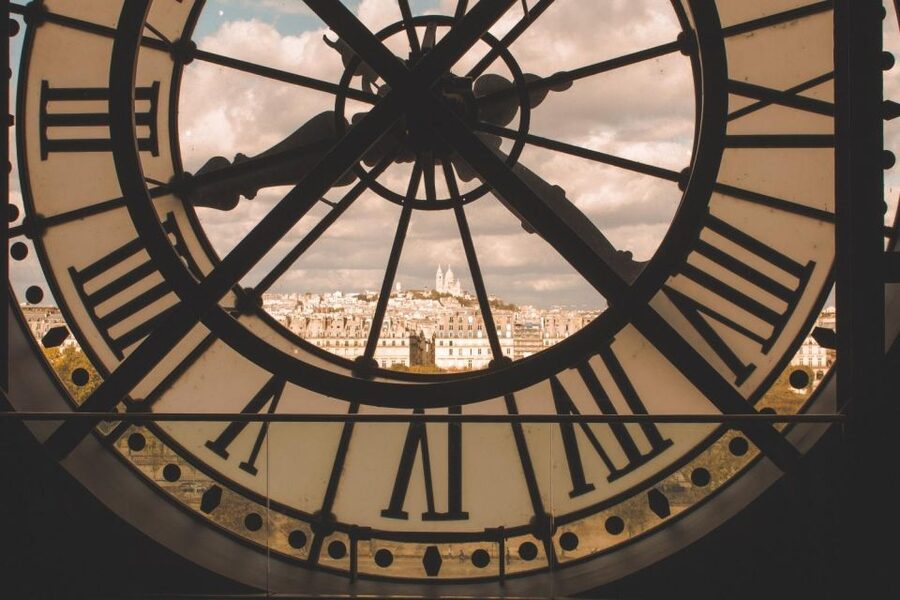
- The building is part of the attraction: The old station’s huge clock, open interior, and graceful structure add plenty to the visit.
Why the Musée d’Orsay deserves your time
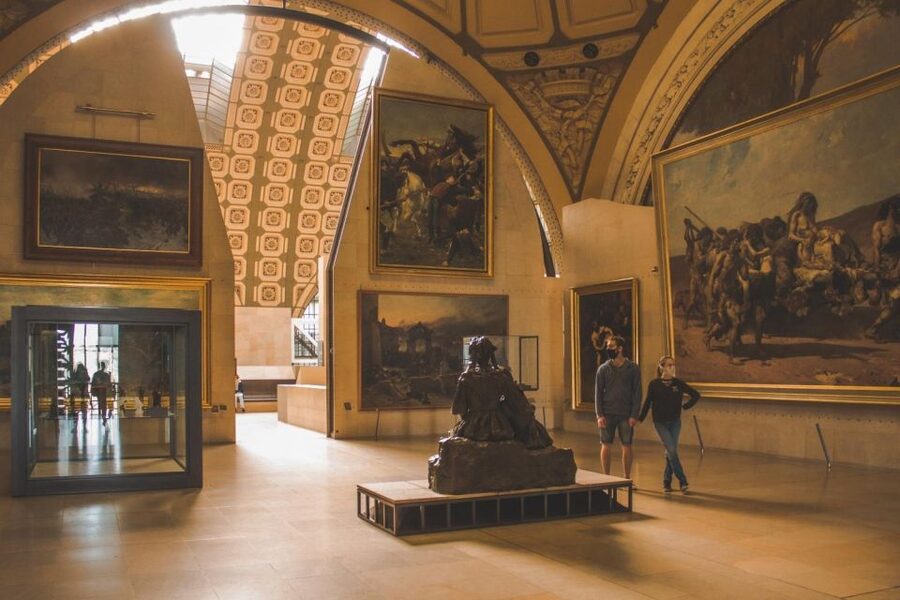
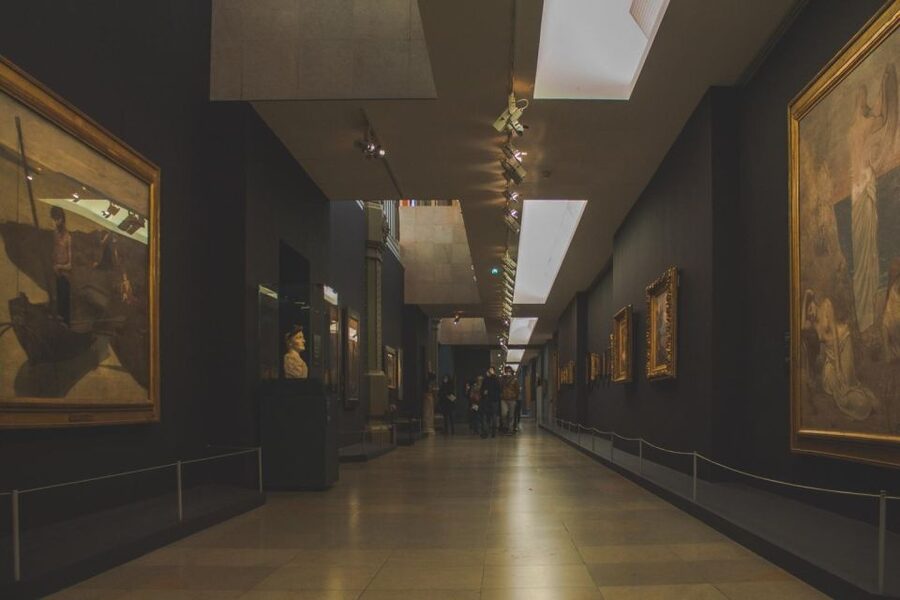
The Musée d’Orsay is not simply a room full of famous paintings. The building itself helps shape the visit. It occupies the former Gare d’Orsay, a railway station converted into a museum, with the great central hall still giving the place a strong sense of scale.
The collection focuses on French art from 1848 to 1915. That period takes you from academic painting and Realism through Impressionism and into Post-Impressionism. You will find paintings, sculpture, decorative arts, furniture, photography, and architecture-related displays.
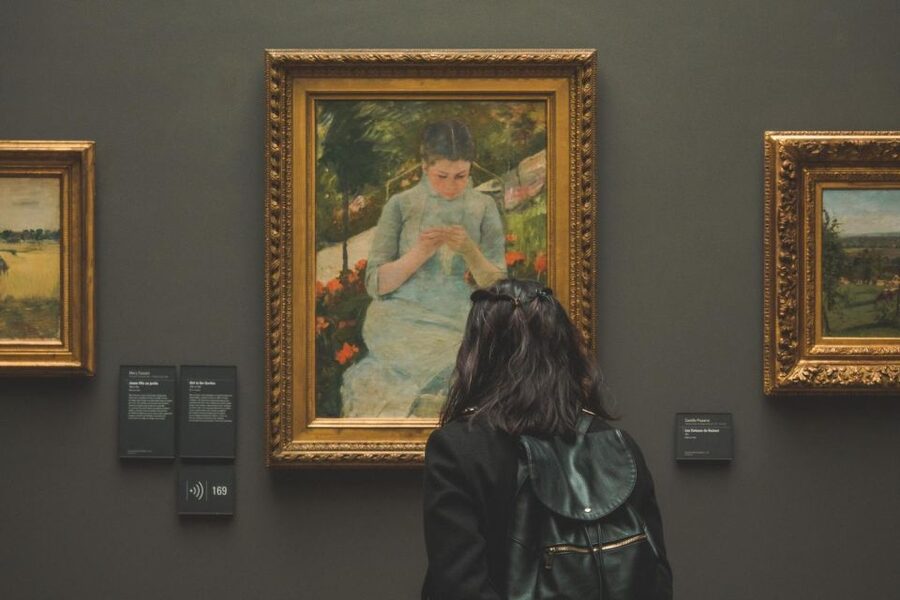
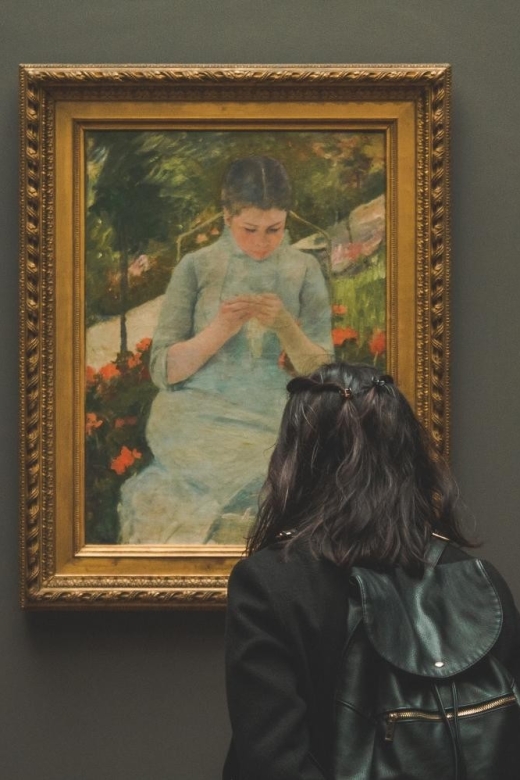
For many people, the main draw is the Impressionist collection. Monet, Renoir, Degas, Manet, Cézanne, and other major names are represented. Van Gogh is also part of the appeal, along with works connected to artists such as Gustave Courbet and John Singer Sargent.
I like the way the museum lets you compare artists within a short walk. Instead of chasing separate collections around Paris, you can see how changing ideas about light, modern life, color, and composition developed over several galleries.
The museum is also smaller and easier to handle than the Louvre. That does not mean you will see everything quickly. It means the collection feels more manageable, especially if your Paris schedule includes only half a day for art.
More Museum Audio Tours in France
- Paris: Louvre Museum Hosted Entry and Mona Lisa Audioguide
★ 4.6 · 5,235 reviews - Louvre Museum Timed Entrance Ticket with Audio Guide
★ 3.0 · 453 reviews - Paris: Louvre Museum Ticket & Exclusive Immersive AudioGuide
★ 3.5 · 369 reviews
Getting inside through Queue C1
This is an independent museum visit, not a guided walk. You go to the Musée d’Orsay, show your GetYourGuide voucher, and enter on your own. The ticket is intended for flexible admission without a designated time slot, and the stated entrance for this type of ticket is Queue C1.
That detail matters. The museum has several lines, and choosing the wrong one can cost you time. Look for the entrance marked C1 for admission tickets without specific times. You still need to pass security, and the ticket does not promise priority access.
At quiet times, entry may be quick. Several people have walked directly toward security while long lines formed for visitors buying tickets at the museum. At other times, especially around 10 a.m. and during holiday periods, security and ticket scanning can take much longer.
I would arrive early if the museum is a major part of your day. During peak season, plan to be there at least two hours before closing, and preferably three. This gives you room for security delays and a proper visit instead of a hurried march through the galleries.
The ticket is valid for one entry on the scheduled date. You can choose your arrival time that day, but you should not treat it as an all-day in-and-out pass.
A practical route through five sections
The museum is arranged across five main sections, with displays spread across several levels. You can follow the signs, but a little planning makes a big difference.
A useful strategy is to go to the upper levels first, then work your way down. The fifth floor is a major target for the Impressionist collection and tends to become crowded, especially in the middle of the day. Seeing it early can give you more breathing room around the best-known paintings.
The ground floor presents more than paintings. You will find French works alongside decorative furniture, accessories, and sculpture. This broader mix helps show how art changed across daily life, design, and public spaces, rather than treating painting as a separate subject.
As you move through the museum, pay attention to the building as well as the art. The former station setting creates long views and unusual angles. The great clock is one of the most memorable features, and the café near the clock has become a popular place to pause.
You may also find temporary exhibitions during your visit. They are not covered by the included digital guide, so check what your ticket includes before planning your route around a special show. Some works may also be away on loan to another museum.
What the digital audio guide actually adds
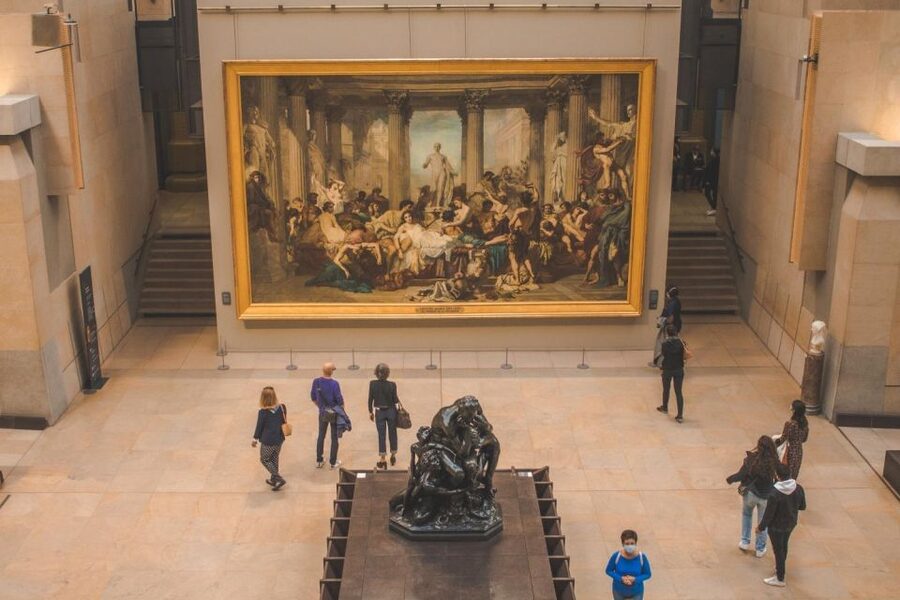
The included guide is a downloadable app, separate from the museum’s own audio guide. You receive the link by email one day before your booked date, so use a reachable email address when booking. Download the app and guide before you arrive, since museum connectivity and phone setup can slow you down.
Bring headphones. They are not supplied.
The guide provides commentary on more than 300 selected works, along with information about the museum and its architecture. It is available in a wide range of languages, including English, French, Spanish, Italian, Portuguese, German, Dutch, Arabic, Hindi, Japanese, Korean, Chinese, and Russian.
The useful part is the choice. You can listen to a short explanation for a painting that catches your eye, skip works that do not interest you, and keep moving without being tied to a group. You can also read through the entries for your priority works before entering the gallery, then spend your time looking rather than staring at your phone.
There are limits. The app does not cover every important painting, and some languages may not be available for every work. Matching the audio entry to the correct exhibit can take a little patience. The current installation may also differ from the guide, especially when works move for loans or exhibitions.
If the app refuses to cooperate, the museum’s labels and signs still provide useful basic information. You can also pay separately for the museum’s own headset and audio guide, though that means paying again for a service you expected to receive with this ticket.
My advice is simple: install the app at home, charge your phone, download the content, and test the audio before you leave your hotel.
More Museum Audio Tours in Paris
- Paris: Louvre Museum Hosted Entry & Masterpieces Audio Guide
★ 4.2 · 281 reviews - Paris: Museum of Decorative Arts Ticket and City Audio Tour
★ 3.3 · 146 reviews - Paris: Rodin Museum Skip-the-line Entry Ticket with Audio
★ 4.0 · 102 reviews - Paris: Louvre Museum Ticket with Audio guide
★ 3.7 · 99 reviews
The fifth floor: Impressionist highlights and crowds
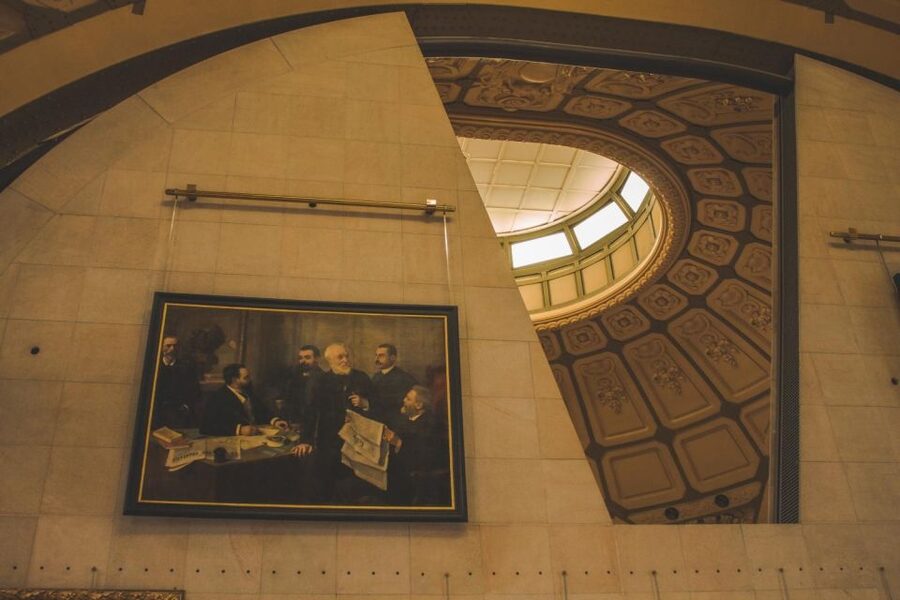
The fifth floor is likely to be your busiest stop and perhaps your main reason for booking. This is where the museum’s most famous Impressionist works are concentrated.
You can expect paintings associated with Monet, Renoir, Degas, Manet, and Cézanne, with Post-Impressionist works adding a different rhythm and stronger experimentation. The display lets you move from outdoor light and modern city scenes toward more personal, expressive uses of color and brushwork.
The quality is high, but the room can feel crowded. Several people specifically found the Impressionist area hardest to enjoy in the middle of the day. Do not assume that an open museum means a quiet one. Go at opening if possible, or save this floor for later in the afternoon when some crowds have thinned.
Take your time around the works that matter most to you. Two hours is enough for a brisk introduction, but it is not enough for a careful look at the full collection. If you want to read the labels, use the audio guide, and spend a few minutes with individual paintings, plan on a longer visit.
Van Gogh, Courbet, Sargent, and the surprises between rooms
The Musée d’Orsay is not only an Impressionist museum. Its wider collection gives the visit more variety than a quick look at the famous fifth-floor rooms might suggest.
You can find Post-Impressionist works by Van Gogh, along with paintings by Courbet and a notable Sargent collection. The shift between rooms is part of the pleasure. Some galleries feel formal and carefully composed, while others show artists breaking away from older rules about subject matter and technique.
This range also makes the museum a good choice for mixed groups. One person can focus on Monet and Renoir, another can look for sculpture or furniture, and someone else can spend time with photography or architecture-related displays.
The collection covers enough ground to reward a second visit, but this ticket allows only one entry on the selected date. If you have a particular artist in mind, check the museum’s current displays before you go, since some works may be on loan.
How long should you allow?
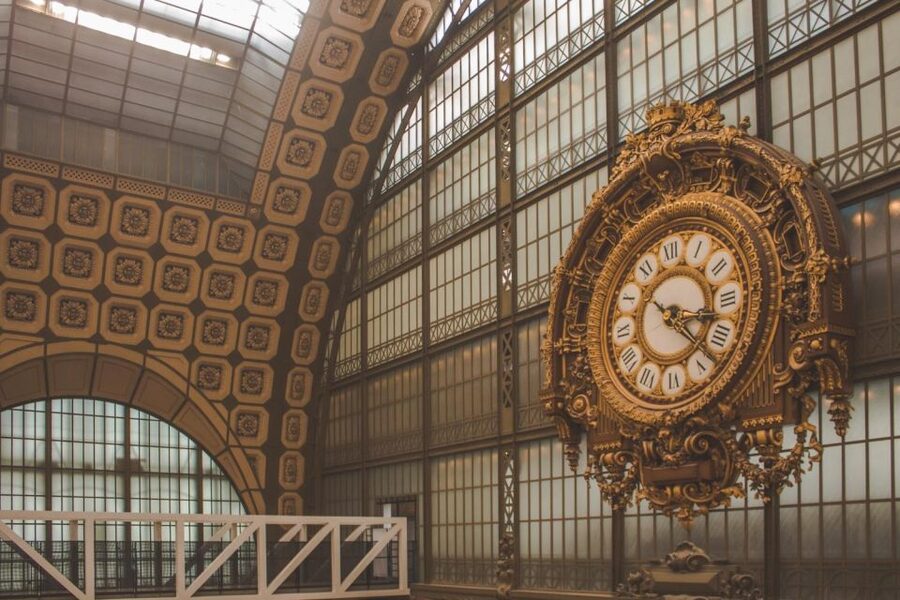
The listed duration is one day because the ticket is valid on your chosen date, not because you need to spend a full day inside. For a focused visit, allow at least two to three hours.
Two hours can work if you concentrate on the fifth floor and a few major rooms. It will feel rushed if you also want to see sculpture, decorative arts, furniture, photography, and the museum architecture.
A longer visit lets you pause for lunch or a café break. The café near the large clock is a memorable setting, though dining areas can have queues. The museum’s shops are spread through smaller locations, which can make browsing less crowded than one large store.
I would choose a morning visit for serious art viewing. You can see the busiest rooms before they fill, then slow down on the lower floors. If your morning is uncertain, the flexible ticket is especially useful. You can arrive later without losing a fixed timed reservation.
Is $31 good value?
At $31 per person, this is not the cheapest way to enter a Paris museum. Its value depends on what you need.
The ticket makes sense when official time slots are sold out, when you do not know exactly when you can arrive, or when you want an independent visit instead of a live guide. Pre-booking can also save you from standing in the long line for on-site ticket purchases.
The audio guide adds some value, especially if you want context for selected masterpieces and prefer listening in your own language. It is less attractive if you already know the collection well, plan to rely on wall labels, or are likely to use only a handful of audio entries.
Do remember that the flexible ticket is not the same as skip-the-line admission in every situation. Queue C1 may be faster than the ticket-buying line, but all visitors remain subject to security and museum controls. During busy periods, you can still wait.
The price is easiest to justify when flexibility matters more than the lowest possible cost. If you already have a fixed arrival time and can book directly through the museum at a lower price, compare the options before paying.
Who should book this experience?
I would recommend it to first-time visitors who want to see the Musée d’Orsay without joining a group. It also suits anyone building a loose Paris itinerary around meals, train arrivals, shopping, or another museum.
It is a good fit for independent art lovers, couples, families with older children, and people who want commentary without a live guide beside them. The museum is wheelchair accessible, and the self-paced format lets you stop or move on as needed.
You should think twice if you need guaranteed priority entry, a live expert explaining every room, or a guide that covers every temporary exhibition. The app is useful, but it is not a full replacement for a personal guide or the museum’s own paid headset.
Bring a passport or ID card. Visitors under 18 and EU residents under 26 may enter free with valid identification, so check your eligibility before buying an adult ticket.
Final verdict: book it for flexibility, not a guaranteed shortcut
Book this ticket if you value a flexible arrival time and want to see one of Paris’s finest collections without committing to a live tour. The former station, the Impressionist rooms, and the works by Monet, Renoir, Degas, Cézanne, Manet, and Van Gogh make the museum worth your time.
The strongest reason to choose this option is practical: it can get you past the ticket-buying line and into the museum with less planning. The weakest part is the audio app, which may not match every work and can require patience.
Download it before you leave, use Queue C1, arrive early, and head upstairs first. With those small steps, $31 can buy a flexible and rewarding half-day in the Musée d’Orsay.
FAQ
Where is the Musée d’Orsay?
The museum is on the Left Bank of the River Seine in Paris, in the Île-de-France region.
Is this a guided tour?
No. This is an independent museum visit. You enter with your voucher and explore on your own using the separate digital audio guide app.
Can I enter at any time?
The ticket provides flexible entry on the scheduled date rather than a designated entry time. It is valid for one entry, and you should use Queue C1 for admission tickets without time slots.
Does the ticket guarantee skip-the-line access?
No. The ticket may help you avoid the line for buying tickets at the museum, but it does not provide guaranteed priority access. Security and ticket scanning can take longer during peak periods.
What does the digital audio guide cover?
The app offers commentary on more than 300 selected artworks, as well as information about the museum and its architecture. It does not include commentary for temporary exhibitions.
What should I bring?
Bring your passport or ID card and your own headphones. Large bags and luggage are not allowed.
Is the museum wheelchair accessible?
Yes, the activity information states that the Musée d’Orsay is wheelchair accessible.
More Smartphone Audio Tours in Paris
- Louvre Paris Tour with Audioguide on Your Smartphone (no ticket)
★ 3.5 · 20 reviews - Montmartre Paris Walking Tour with Audioguide on Your Smartphone
★ 4.5 · 17 reviews - Paris Street Art, smartphone audioguided tour
★ 5.0 · 15 reviews - Mysteries & Legends, smartphone audioguided walking tour
★ 4.5 · 13 reviews
More Smartphone Audio Tours in France
- Paris Orsay Museum Entry Ticket with Digital Audio Guide
★ 3.5 · 93 reviews - Paris: Rodin Museum Ticket & Optional Digital AudioGuide App
★ 4.7 · 56 reviews - Paris: Musee De L’Armee Ticket With Digital Audio Guide
★ 4.2 · 39 reviews - Paris Audioguide – TravelMate app for your smartphone
★ 4.1 · 27 reviews
Latest audio tours in Paris
- The Tuileries Garden’s Classic Sights: A Self-Guided Audio Tour★ 4.0 · 3 reviews
- Audioguide – The Eiffel Tower and its secrets★ 4.0 · 4 reviews
- A Self-Guided Audio Tour Around Parc Montsouris★ 3.5 · 6 reviews
- The French Revolution: Self Guided Audio Tour of Paris★ 4.5 · 3 reviews
- Summit Eiffel Tower Audio Guide Tour with Unlimited Time Access★ 4.5 · 58 reviews
- Self-Guided Audio Tour -The Eiffel Tower, Exterior★ 4.0 · 9 reviews
- Trendy Marais, smartphone audioguided walking tour★ 5.0 · 6 reviews
- Self Guided Tours in Paris with 100 Captivating Audio Stories★ 3.5 · 3 reviews
Museum Audio Tours, compared.

Uffizi Priority Ticket & Masterpieces Audio App
Read our review →
Louvre Museum Hosted Entry and Mona Lisa Audioguide
Read our review →
St. Mark Basilica Ticket, Audioguide+History Gallery
Read our review →
Borghese Gallery Skip-the-Line Ticket & Audioguide
Read our review →
Borghese Gallery Ticket + Audioguide or Guided Tour
Read our review →
Uffizi Gallery Timed Entry Ticket & Audio Guide
Read our review →
Acropolis Museum Ticket with optional Audio Guide
Read our review →