Reviewed · ROME
Rome: Ostia Antica Archaeological Park Ticket & Audio App
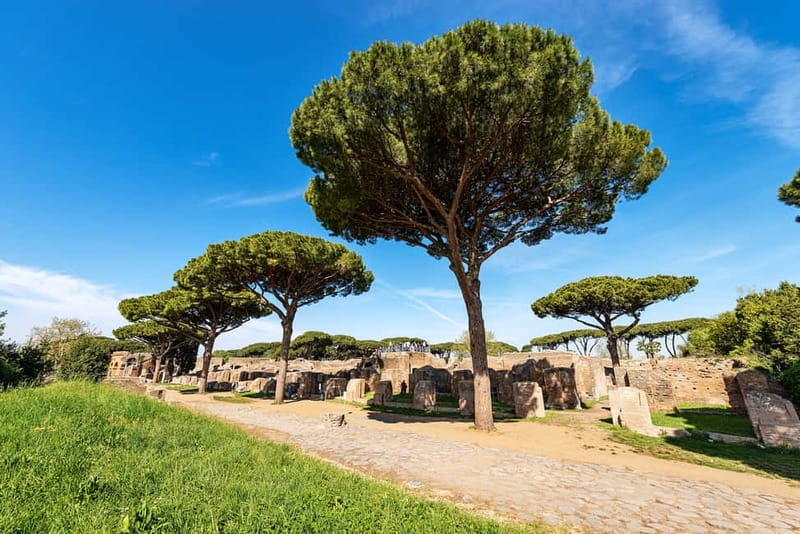
Ostia Antica gives you something Rome’s famous monuments cannot: a chance to walk through an entire Roman city. You pass apartment blocks, villas, baths, shops, mosaics, frescoes, and an amphitheater rather than viewing one isolated ruin. I especially like the well-preserved mosaics and the way the old streets let you picture daily life, not just emperors and monuments.
I also like the ticket’s flexibility. Your admission covers Ostia Antica plus Julius II Castle, the Museum of Ships, the Imperial Ports of Claudius and Trajan, and the Necropolis of Porto. The main drawback is that the park is large, the paths are uneven, and the route is not always obvious, so the audio app does not replace a map or careful planning.
Key points to know before you go
- Ancient city streets: Walk through a remarkably complete Roman settlement with apartments, villas, public buildings, mosaics, and frescoes.
- One ticket, several sites: Admission also includes Julius II Castle, the Museum of Ships in Fiumicino, the Imperial Ports, and the Necropolis of Porto on Isola Sacra.
- Audio app included: Use your charged smartphone for context, though locating each stop can take some effort.
- Plan for a long walk: The grounds are extensive, with uneven surfaces and little help from a confusing route.
- Useful eight-day validity: The ticket is designed for repeat visits, but the supplied information gives both seven and eight days, so confirm the exact validity when booking.
- A personal postcard: Turn one of your own photographs into a postcard for friends or family anywhere in the world.
Why Ostia Antica feels different from Rome’s headline ruins
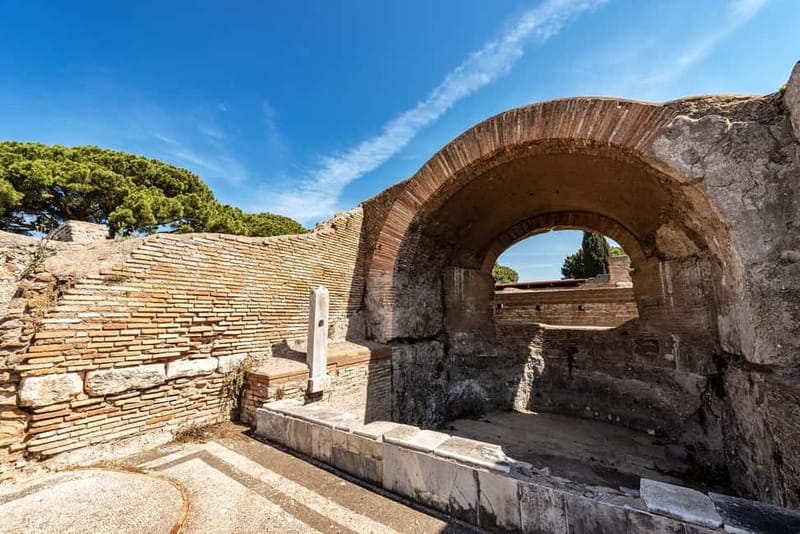
Ostia Antica was Rome’s harbor city at the mouth of the Tiber. According to legend, King Ancus Marcius founded it in 620 BC as a Roman colony. Over time, river silt covered much of the settlement, helping preserve buildings, decorative floors, and wall paintings.
That preservation changes the experience. At the Colosseum, you see a single enormous monument. At Ostia Antica, you walk through the setting where ordinary Roman life took place. The remains show how people lived, worked, worshiped, bathed, and moved through a city.
I find the apartment blocks especially useful for understanding Roman society. These two-story buildings give the ruins a human scale. You are not only looking at grand villas for wealthy families. You can also consider the cramped, practical homes that housed a wider part of the population.
The site is large enough to reward patience. A quick visit can show you a few impressive mosaics and buildings, but it will not give you a proper feel for the city. If you want to see the main streets, villas, bath complex, amphitheater, and decorative details without rushing, allow a substantial part of the day.
More History Audio Tours in Italy
- Colosseum, Roman Forum & Palatine Hill with Audioguide App
★ 4.4 · 6,291 reviews - Rome: Colosseum, Ancient Rome Tour or AudioGuided Tour
★ 4.4 · 2,879 reviews - Colosseum, Roman Forum & Palatine Hill Entry and Audioguide
★ 4.1 · 2,475 reviews
Getting started at the Ostia Antica ticket office
You begin by exchanging your voucher at the Ostia Antica ticket office. Bring a valid passport or ID card, since identification is required. You also need a charged smartphone for the digital audio guide.
There is no transportation included, so you must arrange your own way to the starting point and to the additional sites. That matters because the ticket covers several separate locations, not one compact archaeological area. Ostia Antica is the natural main visit, while the other sites work best as added stops during a longer stay in the area.
Wear comfortable shoes with firm soles. The paths are uneven, and the size of the park means you will spend much of your visit on foot. In summer, take plenty of water. There is a cafe on site, but it can be difficult to find, so do not rely on stumbling across it when you are already thirsty.
The park does not offer a neat, single-file route. You may need to check your map, compare what you see with the audio app, and keep track of where you are. That slight confusion is part of the practical challenge here, especially if you are trying to cover the site in one visit.
Walking the ancient streets and apartment blocks
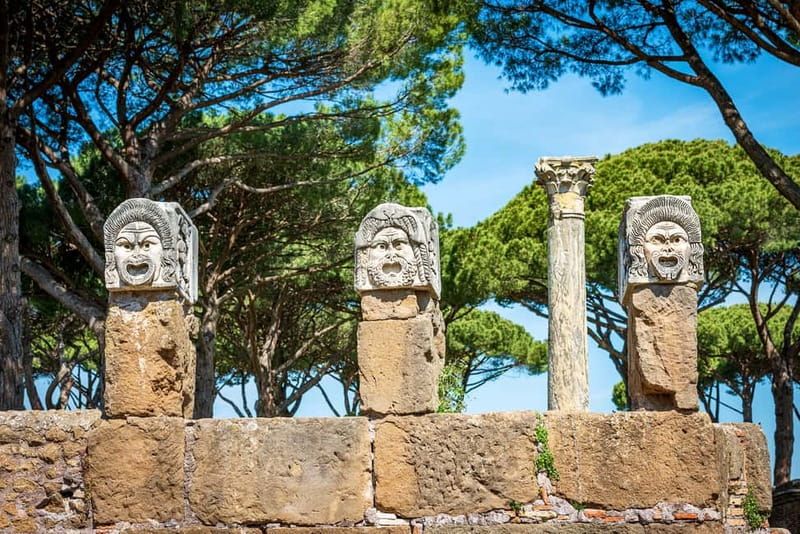
Once inside, start by giving yourself time to understand the city’s layout. The broad streets and surviving walls make Ostia Antica easier to imagine than a scattered collection of foundations. You can follow the remains of buildings and see how streets connected homes, public spaces, and commercial areas.
The two-story Roman apartment blocks are one of the most revealing parts of the visit. They show that Ostia was not simply a town of grand residences. Much of its population lived in practical multi-unit housing, creating a city with the familiar pressures of limited space and shared urban life.
Look closely at the building remains rather than rushing toward the biggest monument. Doorways, wall surfaces, floor plans, and small decorative details help explain how the structures were used. The digital audio guide is helpful here because a low wall can be difficult to read without context.
The app lets you set your own pace. You can pause at a mosaic, skip a section, or move ahead when a building interests you less. The tradeoff is that an audio app is not a person standing beside you and pointing out the next stop. You may occasionally struggle to match an explanation with the correct building.
Mosaics and frescoes worth slowing down for
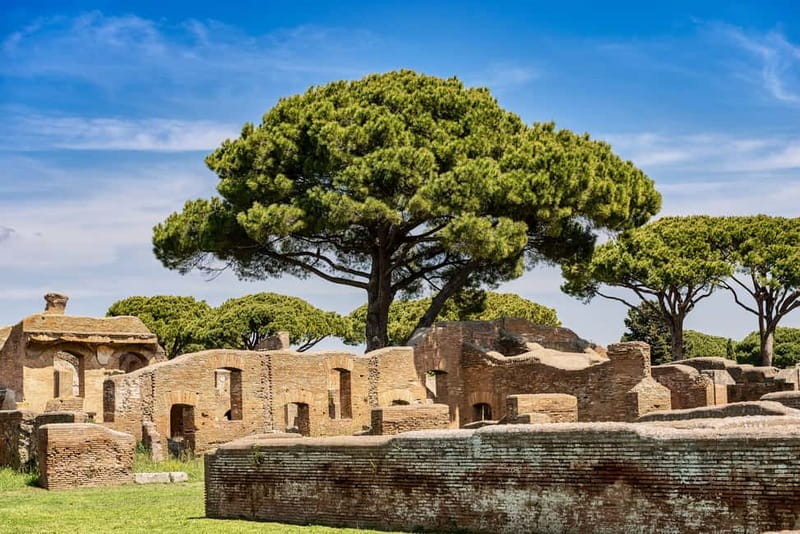
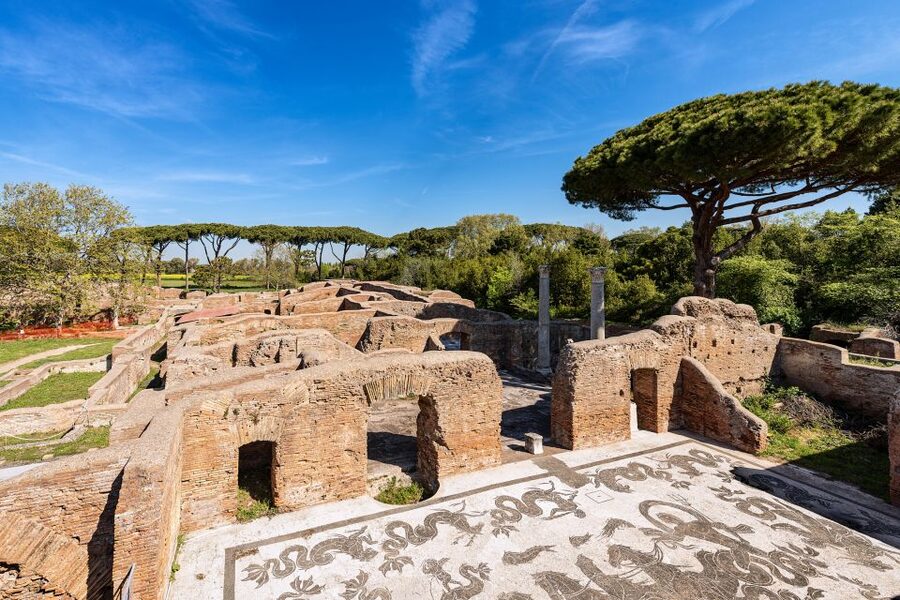
Ostia Antica’s mosaics are among its strongest attractions. The designs survive in place rather than being removed entirely to a museum, so you can see them as part of the buildings they once decorated.
Some floors are large and detailed, while others work as smaller clues to the life of a room. Take a moment to study the patterns and images, but watch your footing. Uneven ground and ancient surfaces require attention, especially when you are looking down.
The frescoes add color and personality to the stone walls. Their survival helps break up the grayness that often dominates archaeological sites. You can begin to distinguish between spaces that were built for practical use and rooms designed to make an impression.
This is where the audio guide earns its place. Without explanation, a decorated floor is attractive but easy to pass by. With context, you can consider who might have commissioned it, what kind of room it belonged to, and what it reveals about Roman taste and daily life. The app is not always easy to follow from one location to the next, so I would use it alongside a map rather than depending on audio alone.
More History Audio Tours in Rome
- Rome: Colosseum, Roman Forum & Palatine Hill Visit + Audio Guide
★ 3.5 · 1,522 reviews - Rome: Roman Forum Super Pass Entry with Audio Guide App
★ 4.2 · 750 reviews - Colosseum, Roman Forum, Palatine Guided Tour or AudioGuide Option
★ 4.5 · 631 reviews - Colosseum, Roman Forum & Palatine Hill Admission With Audio Guide
★ 4.5 · 586 reviews
Villas, baths, and the amphitheater at Procoio
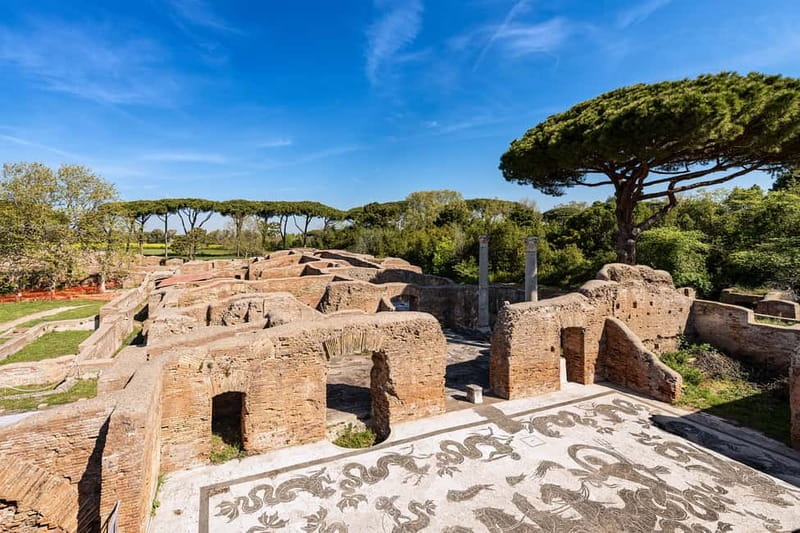
The seaside villas of Procoio add a more private side to the city. Here, you can compare the apartments with homes designed for greater comfort and display. The contrast helps you see that Ostia contained different social levels, not one uniform Roman way of life.
The villas include a large bath complex. Roman baths were more than places to wash. Even without reconstructing every part of the experience, the scale of the complex shows the importance of public bathing and shared social spaces in Roman life.
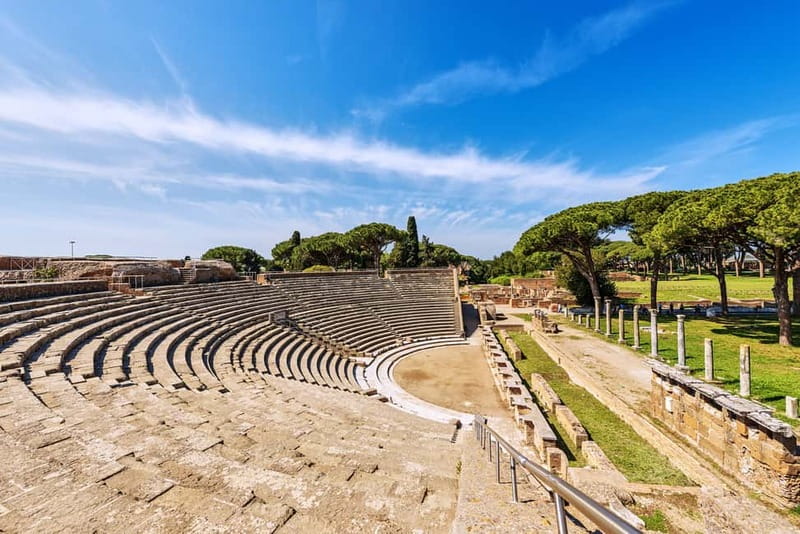
The amphitheater is another major stop. It is lined with striking theatrical masks made from stone, an unusual detail that gives the building a strong visual identity. The masks are the kind of feature you might miss if you hurry from one major ruin to the next, so keep the audio guide ready and look carefully around the theater.
The site’s size is both its strength and its main challenge. You get a fuller picture of a Roman city, but you must make choices. If you try to inspect every wall and listen to every audio segment, the visit can become tiring. I would focus on the streets, apartment blocks, mosaics, Procoio, the baths, and the amphitheater, then add smaller buildings according to your energy.
What the audio app adds, and where it falls short
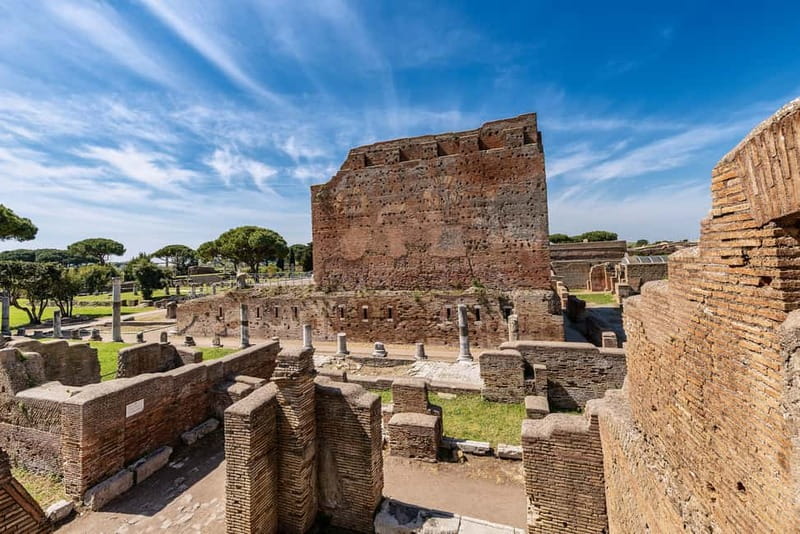
The digital audio guide gives you the freedom of a self-guided visit without committing to a fixed group or schedule. That works well if you like to stop for photographs, revisit a room, or move quickly through sections that interest you less.
It is also useful for a site where many remains look similar at first glance. A short explanation can turn an anonymous wall into part of a home, shop, bath, or public building. For a first visit, I would consider it an important part of the ticket rather than an optional extra.
Still, prepare for some friction. The route is not always clear, and it can be difficult to know exactly where an individual audio stop is located. A guidebook or map can help you get your bearings. Keep your phone charged, and bring a portable battery if you have one, since audio and photographs use power.
The app also means you are responsible for the rhythm of the visit. There is no guide adjusting the pace for the group or answering a question on the spot. That is a good fit for independent visitors, but less useful if you want a fully explained, guided tour.
Using the ticket beyond Ostia Antica
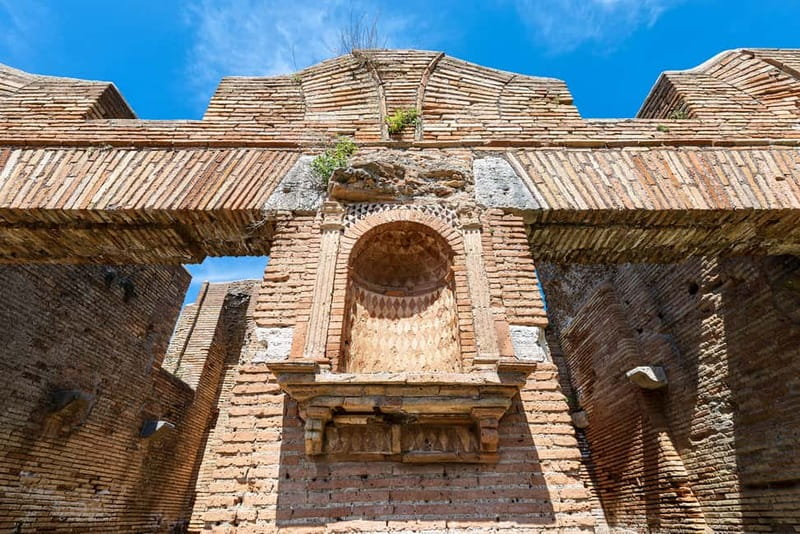
The admission is not limited to the main archaeological park. It also includes Julius II Castle, the Museum of Ships in Fiumicino, the Imperial Ports of Claudius and Trajan, and the Necropolis of Porto on Isola Sacra.
These sites broaden the story of the ancient harbor area. Ostia shows you the city and its residents. The Imperial Ports relate to the large maritime system that supported Rome. The Museum of Ships focuses on vessels, while the Necropolis shows another side of Roman life through burial grounds. Julius II Castle adds a later historical layer.
The value depends on how you use the ticket. If you only visit Ostia Antica, $27 is still reasonable for access to a large and unusually complete archaeological site with an audio app. If you can fit in more of the included locations, the ticket becomes a stronger deal.
Do not assume you can see every site casually in one short outing. Transportation is not included, and the locations are separate. The eight-day validity is useful for building a slower plan, but the information supplied for this activity gives both eight days and seven days from first admission. Confirm the exact validity before you rely on a full week of visits.
Each included site also has its own practical demands. You will need to arrange transportation, check opening details separately, and allow enough time for the visit to feel worthwhile. The ticket gives access, not a ready-made transportation plan.
The postcard is a small but thoughtful extra
You can turn one of your own digital photographs into a postcard to send to friends or family anywhere in the world. It is a modest feature, but it gives the visit a personal souvenir beyond another image stored on your phone.
Choose a photograph before you leave, especially if you want the postcard to show a mosaic, street, villa, or amphitheater. Since the activity information does not explain the exact redemption process, ask at the ticket office how to create and send it once you arrive.
This will not change the archaeological visit, but it is a pleasant touch. A postcard of a Roman street or preserved floor is more memorable than a generic souvenir, and it gives you a reason to choose one photograph carefully rather than snapping everything without looking.
Who will get the most from this ticket
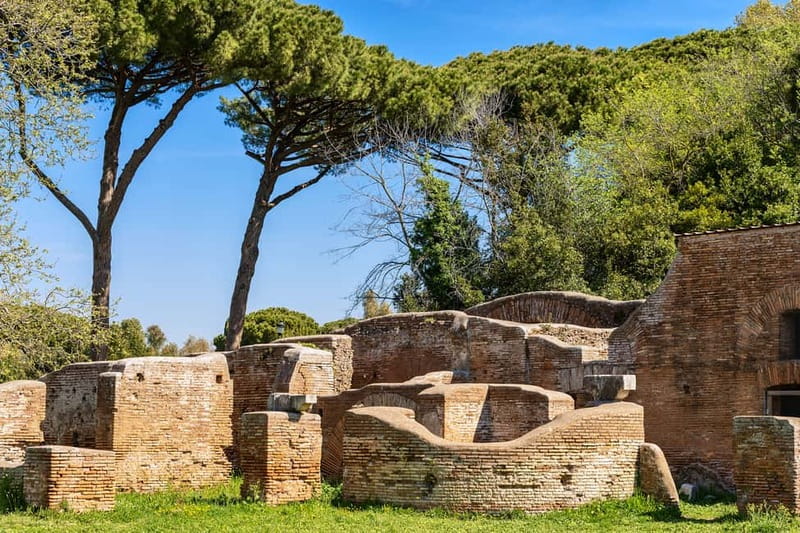
This experience suits you if you enjoy archaeology, ancient urban life, and independent sightseeing. It is also a good choice if you have already seen Rome’s central monuments and want a quieter, more spacious visit with room to set your own pace.
Families with older children may appreciate the open setting and the chance to walk through a real city rather than stare at a single ruin. The uneven paths and long distances may be harder for anyone who needs smooth surfaces or a short route. The supplied information does not describe specific accessibility arrangements, so ask before booking if that is important for you.
History enthusiasts can use the eight-day validity to visit the additional sites, while casual visitors may prefer to focus on Ostia Antica alone. If you dislike navigating large archaeological parks, a live guide may suit you better than an audio app.
The ticket is less appealing if you have very little time in Rome, do not want to arrange transportation, or prefer a tightly organized itinerary. Ostia rewards attention, and rushing through it would miss much of what makes the place worthwhile.
Is the $27 ticket good value?
At $27 per person, the price is fair for the main park, the audio guide, the postcard feature, and access to several other archaeological sites. The value improves if you make use of the additional admissions during the validity period.
The ticket does not include transportation, so add that cost and time to your plan. You also need to bring your own water and manage your own route. Those are not serious faults, but they mean the ticket is not a complete day tour.
I would judge the price by the kind of visit you want. For a self-guided day at Ostia Antica, it offers a lot to see. For someone hoping to arrive, follow a clear route, and receive constant explanations, it may feel less complete.
Should you book Ostia Antica Archaeological Park?
Book it if you want to walk through an expansive Roman city, study excellent mosaics and frescoes, and explore beyond Rome’s standard attractions. The apartments, Procoio villas, bath complex, and amphitheater with stone theatrical masks make the visit more varied than a simple ruin walk.
Use the audio app, but bring a map, sturdy shoes, water, ID, and a fully charged phone. Plan more time than you think you need, and confirm the ticket validity because the supplied details list both seven and eight days.
Skip it if you have no interest in archaeological sites, cannot manage uneven paths, or want transportation and a live guide included. For independent visitors who are ready to walk, Ostia Antica is one of the most rewarding ways to see how a Roman city actually worked.
FAQ
How much does the Ostia Antica ticket cost?
The ticket costs $27 per person.
How long is the ticket valid?
The activity information describes the ticket as valid for eight days from first activation. Another instruction says seven days from first admission, so confirm the exact validity when booking.
What sites are included?
Admission includes Ostia Antica Archaeological Park, Julius II Castle, the Museum of Ships in Fiumicino, the Imperial Ports of Claudius and Trajan, and the Necropolis of Porto on Isola Sacra.
Is transportation included?
No. Transportation is not included, so you must arrange your own travel to the meeting point and to the additional sites.
Where do I start the activity?
You start by exchanging your voucher at the Ostia Antica ticket office.
Is an audio guide included?
Yes. A digital audio guide is included, and you need a charged smartphone to use it.
Do I need identification?
Yes. You need to present a valid passport or ID card.
What should I wear?
Wear comfortable shoes because the archaeological site has uneven paths and requires substantial walking.
Can I cancel the booking?
You can cancel up to 24 hours in advance for a full refund.
Can I pay later?
Yes. The reserve-now-and-pay-later option lets you book without paying immediately.
What is the postcard feature?
You can turn one of your own digital photographs into a postcard and send it to friends or family anywhere in the world.
More Smartphone Audio Tours in Rome
- St. Peter’s Basilica, Optional Dome Access & Rome Audio App
★ 3.8 · 2,052 reviews - Rome: Colosseum Express Entry with Audio Guide App
★ 4.0 · 1,507 reviews - Pantheon Full Experience With Host & Interactive Audio App
★ 4.3 · 587 reviews - Colosseum Entry with digital audioguide and arena option
★ 4.3 · 430 reviews
More Smartphone Audio Tours in Italy
- Rome: Colosseum & Forum with Audio Guide App -Optional Arena
★ 4.2 · 24,770 reviews - Rome: Castel Sant’Angelo Entry Ticket & Digital Audioguide
★ 4.7 · 5,347 reviews - Rome: Castel Sant’Angelo Entry Ticket & Audio App
★ 4.3 · 4,952 reviews - Rome: Pantheon Priority Entry Ticket & Audio Guide App
★ 4.1 · 3,234 reviews
Latest audio tours in Rome
- Pantheon Skip the Line Entry Tickets with Digital Audio Guide★ 3.5 · 52 reviews
- St. Peter’s Basilica: Dome Climb with Lift & Audioguide★ 4.5 · 13 reviews
- Audio guide in Vatican Museums and Sistine Chapel★ 4.5 · 12 reviews
- The Roman Jewish Ghetto: A Self-Guided Audio Tour★ 4.0 · 8 reviews
- Experience: The Pantheon Audio Tour★ 4.5 · 4 reviews
- Trastevere: A Self-guided Audio Tour of Rome’s Medieval Village★ 4.5 · 3 reviews
- Navova square underground with audioguide★ 4.5 · 17 reviews
- The Colosseum’s Attic with 3rd, 4th & 5th Levels with Audio Guide★ 4.5 · 20 reviews
Smartphone Audio Tours, compared.
Colosseum & Forum with Audio Guide App -Optional Arena
Read our review →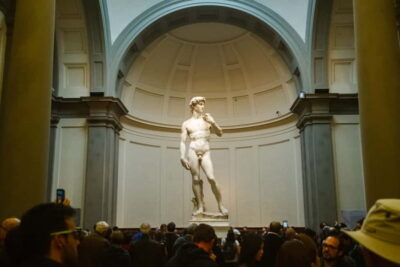
Timed Entry to Michelangelo’s David + Audio App
Read our review →
Cathedral & Brunelleschi’s Dome Ticket & Audio App
Read our review →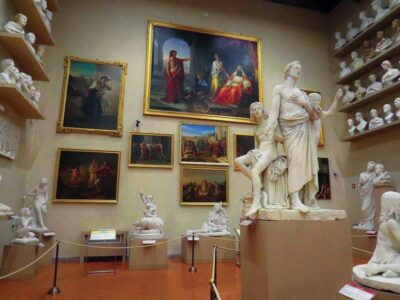
Michelangelo’s David Priority Ticket & Audio App
Read our review →
Uffizi Priority Ticket & Masterpieces Audio App
Read our review →
Castel Sant’Angelo Entry Ticket & Digital Audioguide
Read our review →