
Reviewed · PARIS
Orsay Museum Priority Entrance Ticket with Optional Audio Guide
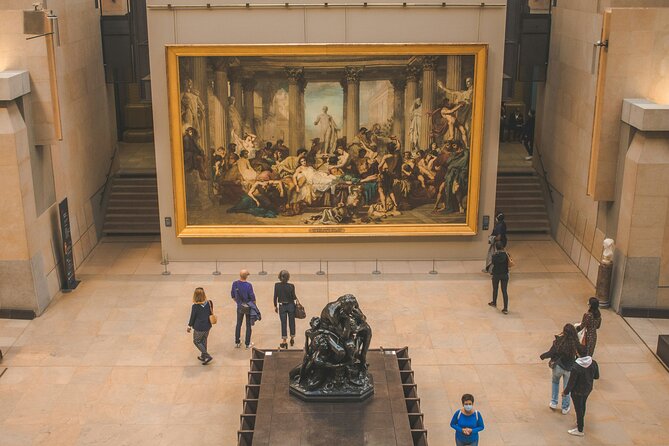
The Musée d’Orsay is one of Paris’s great indoor sights, not only for its Impressionist paintings but also for the building itself. You’ll enter a grand former railway station, then work your way toward the upper floor, where Monet, Van Gogh, Renoir, Degas, and Cézanne appear in rooms beneath the famous giant clock windows. The architecture is part of the show.
I like the chance to reserve a timed entry and the option to pay only for the experience you want. I also like the audio guide’s broad language choice, including a children’s version and induction loops for hearing-aid users. The main caution is important: this is not always a true front-of-the-line ticket. It is primarily a reserved entry time, and your requested time can be moved up to an hour earlier or later.
Key points to know before booking
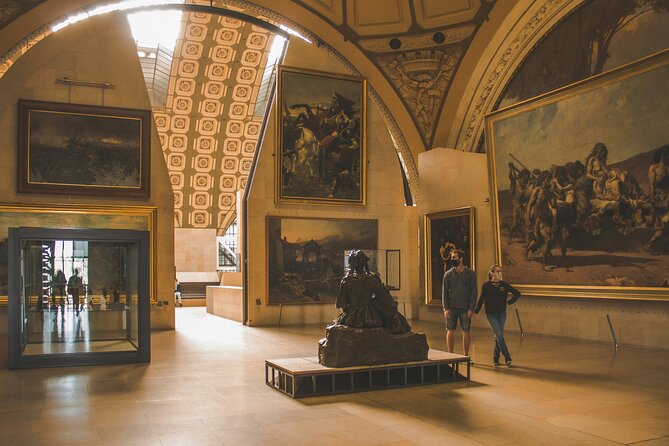
- The former railway station is a major attraction: Make time for the clock windows, high central hall, and unusual Beaux-Arts setting.
- Timed entry matters most at busy hours: Afternoon admission can save you from a very long general line, while early mornings may feel less urgent.
- Priority access is not guaranteed in the way the wording suggests: Security checks and museum procedures can still involve waiting.
- The audio guide is digital: You use your own phone and earphones, not a supplied headset or live guide.
- The fifth floor deserves your best energy: This is where many of the most famous Impressionist and Post-Impressionist works are displayed.
- Allow two to three hours: You can move quickly through highlights, but crowded rooms may slow your progress.
Why the Musée d’Orsay is worth your Paris time
The Orsay gives you a remarkably clear tour of 19th and early 20th-century art. In one building, you can follow the shift from Realism to Impressionism and then toward Post-Impressionism and Symbolism.
That makes the museum useful even if you are not an art expert. You can begin with familiar names, then notice how artists broke away from older rules about finish, light, subject, and composition. Monet’s changing light, Renoir’s social scenes, Degas’s dancers, and Van Gogh’s charged brushwork make the development easy to see.
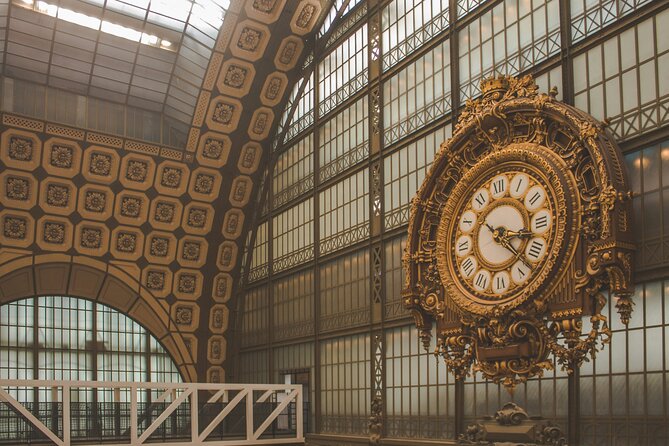
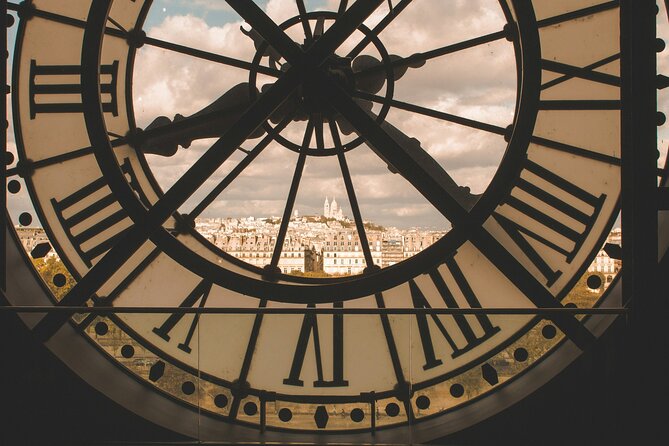
I especially like the way the museum combines famous paintings with the building’s railway-station scale. You are not moving through a plain white box. The old station hall gives the visit a sense of place, while the clock windows create one of the best framed views in Paris.
Your ticket is designed for independent exploration. No physical guide accompanies you, and you are not tied to a group route. That freedom is useful here because the museum can feel crowded, and you may need to pause, backtrack, or wait for a clear view of a painting.
More Museum Audio Tours in France
- Paris: Louvre Museum Hosted Entry and Mona Lisa Audioguide
★ 4.6 · 5,235 reviews - Paris: Orsay Museum Entry Ticket and Digital Audio Guide App
★ 4.4 · 3,170 reviews - Louvre Museum Timed Entrance Ticket with Audio Guide
★ 3.0 · 453 reviews
Entering at a reserved time
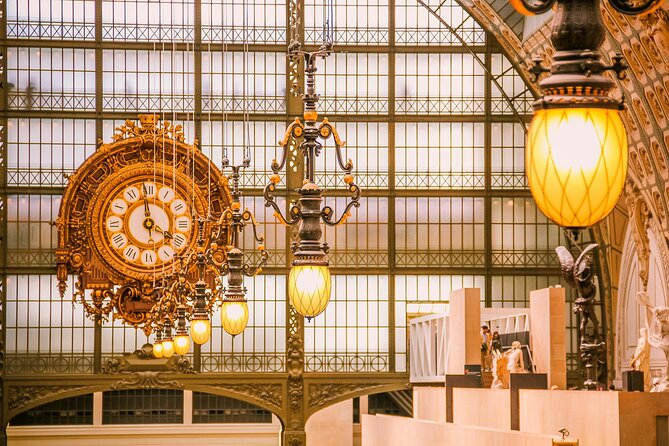
The most useful part of the booking is the scheduled admission. You choose a preferred time, then receive a ticket for a specific slot. The museum can adjust that time by up to one hour earlier or later, so you should avoid building a tight restaurant reservation or train connection around the requested time.
Arrive about 15 minutes before the time printed on your ticket. That gives you room to find the right entrance and deal with security without turning a small delay into a missed slot.
The phrase priority entrance needs careful reading. Some people walk in with little delay, while others still wait at security or are directed through a normal timed-entry process. One particularly useful point is that the ticket’s practical benefit may be confirmed access at a busy time, rather than a magical pass past every queue.
At some hours, the difference is substantial. The general line can be very long, especially when the museum is crowded. At quieter times, the advantage may be small. Early morning in September, for example, may not require much queue protection, while a midafternoon visit can feel much more worthwhile.
This is why I would choose the ticket for certainty and planning, not simply for the promise of skipping every person in front of you.
Seeing the station before the paintings
Once inside, resist the urge to race straight toward the famous names. Look up first.
The museum occupies a former railway station, and its broad central hall explains why Orsay feels different from many art museums. The great clock faces create a memorable view across Paris, especially from the upper level. This is also a good place to get your bearings before deciding how much time to spend in each section.
You will see art from several movements, not only the Impressionist rooms. The collection helps connect the dots between academic painting, Realism, Impressionism, Post-Impressionism, and Symbolism. If you stay only with the paintings you recognize, you will miss the story the museum is trying to tell.
The building also gives the visit natural pauses. When the galleries become noisy or crowded, step back toward the main hall or the clock area. A short architectural break can make the next group of paintings easier to appreciate.
The fifth floor and its famous paintings
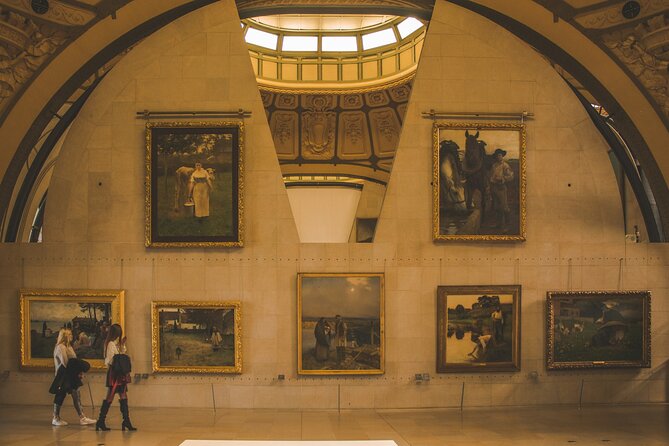
For many people, the upper level is the main event. This is where you find major works by Monet, Van Gogh, Renoir, Degas, Cézanne, and others in a series of smaller gallery spaces.
The rooms can be packed. You may have to wait for a position in front of a painting, and the noise can make close looking harder. The best approach is patient and selective. Pick a few works you truly want to see, let people clear out, and then spend a quiet minute with each one.
Van Gogh’s paintings reward close attention to surface and brushwork. Renoir and Monet give you different ways to think about light and modern life. Degas offers another angle through movement, rehearsal, and the human body. Seeing these artists near one another makes the differences more apparent than viewing each in isolation.
Do not assume the largest work or the most familiar name is automatically the most satisfying stop. Some smaller rooms hold paintings that are easier to enjoy because you can get closer and take your time. The museum’s appeal comes partly from these less obvious discoveries.
If you are visiting with children, keep the upper-floor visit focused. Two or three chosen paintings, followed by a change of pace, may work better than trying to inspect every room.
More Museum Audio Tours in Paris
- Paris: Louvre Museum Ticket & Exclusive Immersive AudioGuide
★ 3.5 · 369 reviews - Paris: Louvre Museum Hosted Entry & Masterpieces Audio Guide
★ 4.2 · 281 reviews - Paris: Museum of Decorative Arts Ticket and City Audio Tour
★ 3.3 · 146 reviews - Paris: Rodin Museum Skip-the-line Entry Ticket with Audio
★ 4.0 · 102 reviews
Choosing the optional audio guide
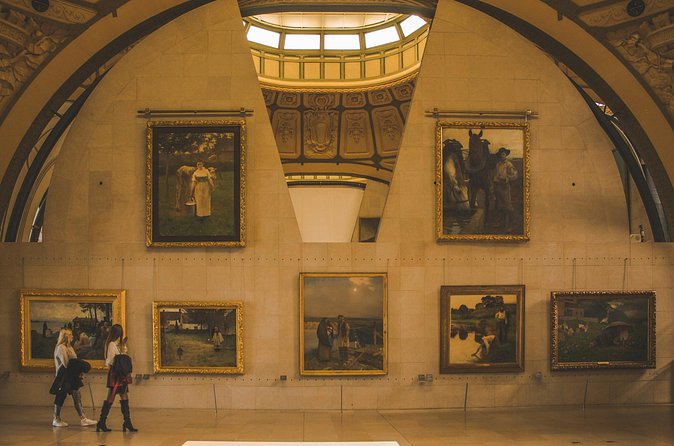
The audio guide is available as a digital guide rather than a live person or automatically supplied headset. You access it on your smartphone and need your own earphones. That detail is easy to overlook, so bring charged devices and suitable earbuds if you select the audio package.
The guide covers more than 300 works in the permanent collection. It is offered in English, French, German, Chinese, Korean, Spanish, Italian, Japanese, Portuguese, and Russian. A separate children’s version is available in English and French for ages 6 to 12.
For a first visit, the guide can add useful structure. You can learn why a painting matters instead of simply recognizing the artist’s name. It is also helpful if you want commentary without joining a group.
The digital format has limits. You need to follow the access instructions in your ticket email, and you need your own earphones. Audio can be difficult to hear in crowded, noisy galleries, especially on the fifth floor. Some users have also found the guide intermittent or hard to search, so I would not buy it expecting a full museum navigation system.
In practical terms, choose the audio option if you enjoy guided interpretation and are comfortable using your phone. Skip it if you prefer labels, quiet looking, or a simple visit without managing another device. The ticket does not include a physical guide.
Crowds, comfort, and useful museum tactics
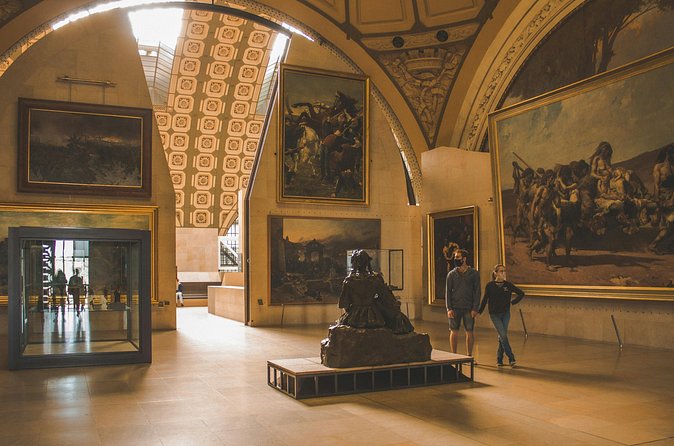
Crowding is the main factor that can change this from a wonderful visit into a tiring one. The Impressionist galleries are especially popular, and people may stand several rows deep around well-known paintings. Loud conversations and running children can also make the audio guide less effective.
A timed ticket helps you plan, but it does not control the number of people already inside. An earlier slot may be more comfortable than a 2 p.m. visit, when the museum can feel packed. If the booking system shifts your time, check the new hour carefully and adjust the rest of your day.
For coats and hats, use the staffed coat check if available rather than fighting with crowded lockers. The coat check has been described as free and faster than trying to manage the locker area. That small choice can save frustration at the start and end of the visit.
The museum is near public transportation, and most people can take part without special arrangements. Service animals are allowed. For hearing-aid users, the audio guides include induction loops, a useful feature if you decide to use the digital commentary.
Plan on two to three hours. A brisk highlights visit may take less, but crowding, the clock windows, the upper galleries, and a few quieter rooms can easily fill that time. If you also want a meal at one of the museum’s two restaurants, leave extra room in your schedule. The restaurants are considered part of the experience, not merely a quick snack stop.
Is $31.24 a fair price?
At about $31.24 per person, this ticket is not the cheapest way to enter a museum. Its value depends on how busy the museum is and how much you care about fixing your schedule.
I think the price makes the most sense when you have limited time in Paris, are visiting during a busy period, or do not want to gamble on a long general queue. A reserved admission can protect a two-hour museum plan and help you fit the Orsay around other sightseeing.
The value is weaker when you visit during a quiet period or when your preferred early time is changed to a less convenient afternoon slot. If you pay extra for the audio guide but do not bring earphones, the add-on becomes a poor buy. The same is true if you expect a live art historian or a supplied headset.
The strongest reason to book is advance planning. The weakest reason is the word priority by itself. Treat this as a timed museum ticket with possible queue savings, not as a guaranteed express lane through every stage of entry.
Who should book this Orsay experience?
I would consider it for first-time Paris visitors who want the Orsay’s major paintings without spending a morning guessing how long the line will take. It also suits art fans who want the freedom to explore alone and families who prefer not to follow a fixed guide.
The optional children’s audio guide gives families another way to add context, though the crowded upper floor may still test young children’s patience. Art lovers who already know the collection may prefer the basic ticket and their own plan.
I would be cautious if your itinerary cannot tolerate a time change of one hour. I would also think twice if you strongly expect a true skip-the-line entrance, a live guide, or a physical audio headset. Those expectations do not match the practical details of this experience.
The non-refundable policy matters. Once booked, the ticket cannot be canceled or amended for a refund, so confirm your Paris schedule before paying.
Should you book it?
Book this ticket if you want a planned entry to one of Paris’s finest museums and understand that priority usually means timed admission, not a guaranteed walk past every queue. Choose the audio version only if you want smartphone commentary and will bring your own earphones.
For the best chance of a comfortable visit, request an earlier time, arrive 15 minutes ahead, start with the building and upper galleries, and allow two to three hours. If your plans are flexible and you are visiting at a quiet time, the added cost may not produce much benefit.
FAQ
How long does the Musée d’Orsay visit take?
The expected duration is about two to three hours. You can see selected highlights more quickly, but the upper galleries, clock windows, crowded rooms, and additional collection sections can fill a longer visit.
Is this a skip-the-line ticket?
It provides a reserved timed entry, but it is not always a guaranteed express entrance. You may still wait for security or follow the museum’s standard timed-entry procedure.
Can the entry time change?
Yes. Due to museum availability, your entrance time may be adjusted up to one hour earlier or later than the time you requested.
How early should I arrive?
Arrive 15 minutes before the allotted time. This allows time for security and finding the correct entrance.
Does the ticket include a live guide?
No. The experience is for self-guided exploration. The optional audio guide is digital and accessed on your smartphone.
Do I need my own earphones for the audio guide?
Yes. The digital audio guide is used with your smartphone and your own earphones. Instructions are provided in the ticket email.
Which languages are available for the audio guide?
The audio guide is available in French, German, English, Chinese, Korean, Spanish, Italian, Japanese, Portuguese, and Russian. A children’s version is available in English and French for ages 6 to 12.
Is the ticket refundable or changeable?
No. This experience is non-refundable and cannot be changed after booking for any reason.
Latest audio tours in Paris
- The Tuileries Garden’s Classic Sights: A Self-Guided Audio Tour★ 4.0 · 3 reviews
- The French Revolution: Self Guided Audio Tour of Paris★ 4.5 · 3 reviews
- Audioguide – The Eiffel Tower and its secrets★ 4.0 · 4 reviews
- A Self-Guided Audio Tour Around Parc Montsouris★ 3.5 · 6 reviews
- Summit Eiffel Tower Audio Guide Tour with Unlimited Time Access★ 4.5 · 58 reviews
- Self-Guided Audio Tour -The Eiffel Tower, Exterior★ 4.0 · 9 reviews
- Self-Guided Audio Tour – Montmartre: The heart of art and bohemia★ 3.5 · 7 reviews
- Trendy Marais, smartphone audioguided walking tour★ 5.0 · 6 reviews
Museum Audio Tours, compared.

Uffizi Priority Ticket & Masterpieces Audio App
Read our review →
Louvre Museum Hosted Entry and Mona Lisa Audioguide
Read our review →
St. Mark Basilica Ticket, Audioguide+History Gallery
Read our review →
Borghese Gallery Skip-the-Line Ticket & Audioguide
Read our review →
Borghese Gallery Ticket + Audioguide or Guided Tour
Read our review →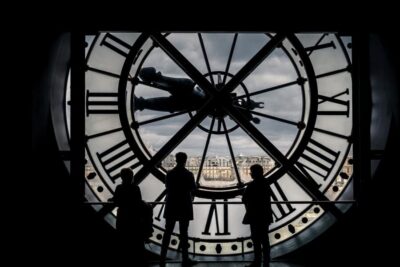
Orsay Museum Entry Ticket and Digital Audio Guide App
Read our review →
Uffizi Gallery Timed Entry Ticket & Audio Guide
Read our review →
Acropolis Museum Ticket with optional Audio Guide
Read our review →Browse the lists this tour appears in