
Reviewed · ROME
National Gallery of Modern Art Ticket & Rome App Audioguide
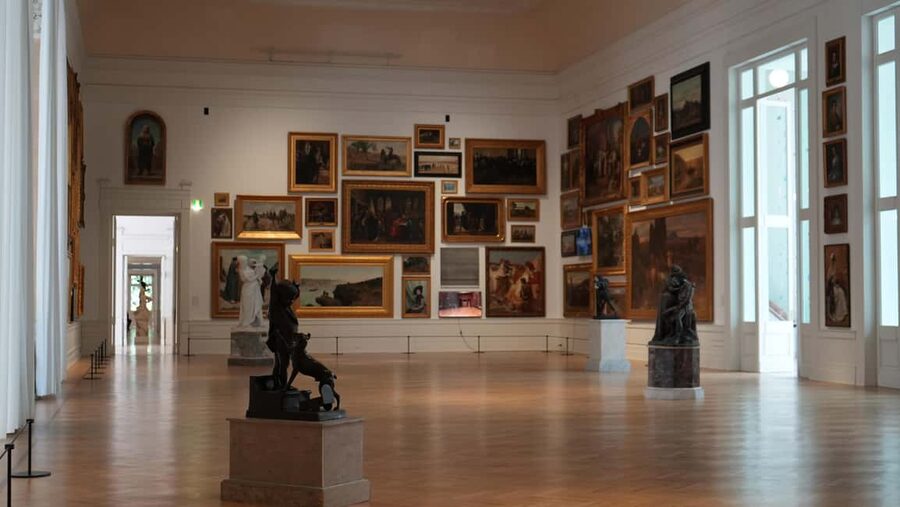
Rome’s National Gallery of Modern Art gives you a large, varied look at Italian and foreign art, from Monet and Van Gogh to Canova and Joseph Kosuth. The collection includes paintings, sculpture, drawings, and installations, with nearly 20,000 works spread through a spacious museum.
I like the convenience of skip-the-ticket-line entry, especially when you have a short day in Rome. I also like the simple layout by period: 19th-century art on the ground floor, then 20th-century works upstairs. The catch is that the Rome app audioguide is not a personal museum guide, and signage can make it hard to follow a clear route or match some works with their artists.
Key points to know before you book
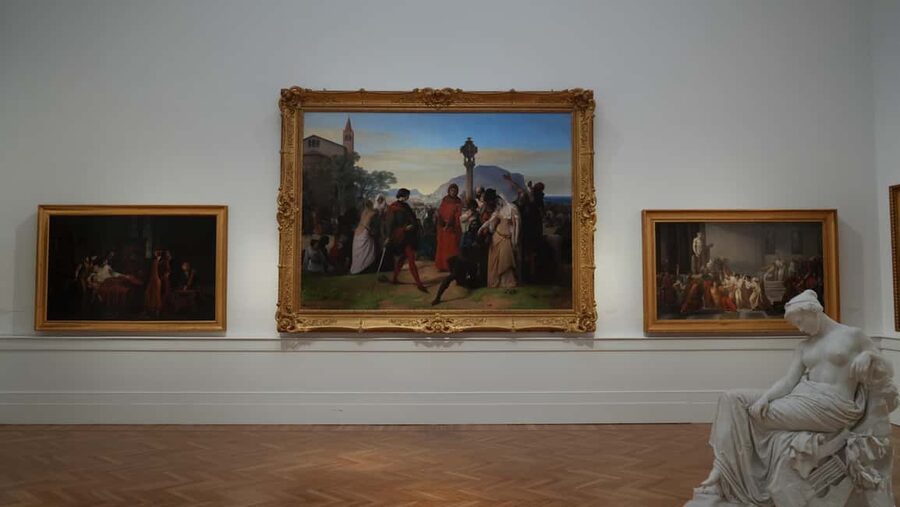
- See Monet and Van Gogh on the ground floor: The 19th-century collection gives you a familiar starting point in Impressionism and related movements.
- Find Canova and Joseph Kosuth upstairs: The top floor shifts into 20th-century art, including sculpture, installations, Futurism, and Surrealism.
- Nearly 20,000 works mean you need to pace yourself: This is a large collection, not a quick single-room stop.
- Skip the ticket line, not a guided tour: You enter with an official ticket, but you explore independently.
- The Rome app audioguide is an extra feature: It covers the city of Rome rather than serving as a dedicated museum guide.
- Allow for imperfect wayfinding: Signage and artwork labels may not always give you a clear route or enough context.
Why this museum deserves a place in your Rome plans
Rome is famous for ancient ruins, Baroque churches, and Renaissance painting. The National Gallery of Modern Art gives you a useful change of pace. Here, the focus moves from the 19th century into the 20th century, so you can see how artists responded to new ideas, new technology, and changing styles.
You will find paintings, sculptures, drawings, and installations rather than a collection limited to one medium. That variety matters. One room may ask you to look closely at a painted surface, while the next asks you to consider the shape, scale, or material of a sculpture.
I especially like this museum for visitors who have already seen some of Rome’s older art. The contrast helps you understand that Rome is not only a city of ancient stone and old masters. It also has a serious modern art collection, with Italian and international names.
The museum contains nearly 20,000 works, so do not treat it like a quick stop between the Colosseum and the Trevi Fountain. You can certainly visit for a shorter highlights visit, but the size of the collection rewards a slower pace.
More Museum Audio Tours in Italy
- Rome: Borghese Gallery Skip-the-Line Ticket & Audioguide
★ 4.3 · 4,318 reviews - Rome: Borghese Gallery Ticket + Audioguide or Guided Tour
★ 4.6 · 3,219 reviews - Rome: Borghese Gallery Skip-the-Line Tickets with Audioguide
★ 4.6 · 2,562 reviews
Entering with a skip-the-ticket-line ticket
The ticket provides access to the museum and lets you skip the ticket line. You enter the museum using the official ticket supplied for the activity, without needing to arrange a separate museum admission.
That convenience is the main practical reason to book ahead. The ticket price for museum entry is listed as 15 EUR, while the rest of the roughly $20 cost covers the digital Rome audioguide and GetYourGuide services. The extra amount is not simply a higher museum admission fee.
I find this useful if you prefer to have the basic entry arranged before reaching the museum. It removes one small task from your day, though it does not turn the visit into a guided experience. You still decide where to go, how long to stay, and which works deserve your attention.
The activity is valid for one day. Check the available starting times when booking, since the ticket is not presented as an open-ended pass for several days. The museum is closed on Mondays, so build your Rome schedule around that.
Ground floor: 19th-century art and familiar names
Start on the ground floor, where the displays focus on 19th-century art. This is the natural place to begin if you want to see Monet, Van Gogh, and the shift toward modern painting.
The appeal of this section is partly its range. You are not looking at one narrow national school. The collection includes Italian and foreign artists, allowing you to compare different approaches within the same broad period.
Monet gives you a way to think about light, color, and changing impressions. Van Gogh brings a different energy, with a stronger sense of movement and emotional force. The museum’s role is not simply to present famous names as isolated trophies. It places them within a larger collection that includes paintings and other forms of art.
You may also encounter sculpture and drawings on this floor. Those works help show how artists worked across materials and formats. If you normally hurry through museums to reach the best-known paintings, this is a good place to slow down and look at the less famous pieces around them.
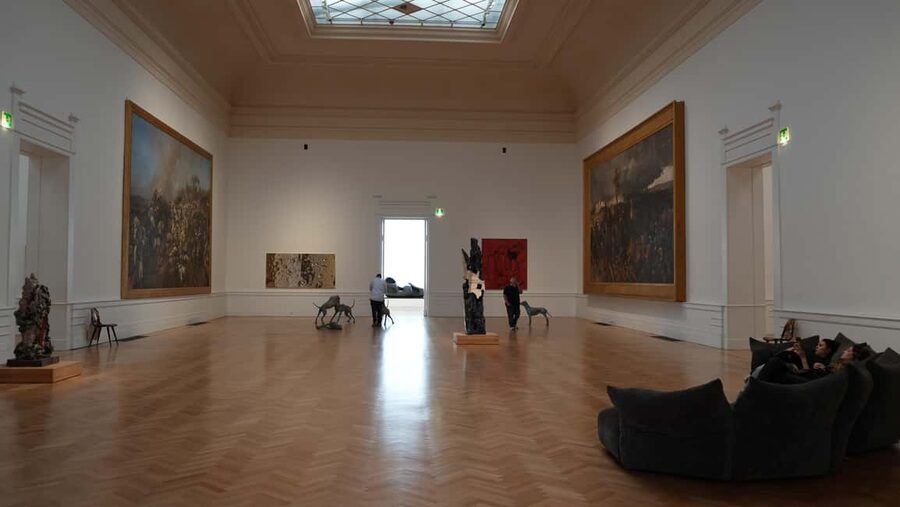
The space is large enough for very big works, which is one of its practical strengths. Large canvases and sculptures need room to breathe, and the museum’s scale makes that possible. At the same time, a large building can make the route less obvious, so take a moment to get your bearings before moving from room to room.
Top floor: Canova, installations, and 20th-century change
The top floor shifts the focus to 20th-century art. Here you can expect a broader mix of styles, including Futurism and Surrealism, along with sculpture, installations, and conceptual work.
Antonio Canova is specifically included among the artists you can see. His Neoclassical work gives the upper floor a link to an earlier artistic tradition, even as much of the surrounding material moves into the modern period.
Joseph Kosuth represents a very different way of thinking about art. His work is associated with ideas, language, and the role of the object itself. That contrast is useful because it shows how far art can move from the painted figure or polished marble form.
This floor may suit you best if you enjoy variety and do not need every work to look familiar. Futurism and Surrealism can feel very different from Monet or Van Gogh, and installations often require more interpretation than a traditional painting.
I would not rush through this level. The collection covers a wide period and several movements, so it can feel like a series of visual changes rather than one smooth story. If you are new to modern art, the Rome audioguide may add general context about the city, but it should not be mistaken for detailed explanations of each museum work.
More Museum Audio Tours in Rome
- Rome: Borghese Gallery Skip the line ticket and Audioguide
★ 4.3 · 1,535 reviews - Rome: Borghese Gallery Ticket and Optional Audio Guide
★ 4.3 · 902 reviews - Borghese Gallery, Home to Canova’s Art – Entry with Audioguide
★ 4.0 · 884 reviews - Rome: Borghese Gallery Skip-the-Line Ticket & Audioguide
★ 4.0 · 768 reviews
The Rome app audioguide: useful, but know its limits
The package includes a digital app audioguide of Rome. This is an added city feature, not a named guide accompanying you through the National Gallery of Modern Art.
That distinction matters when you compare this ticket with a guided museum tour. You will not have a specialist leading you from Monet to Van Gogh, explaining the differences between Futurism and Surrealism, or answering questions about Joseph Kosuth. The activity includes entry and the app, but no guided tour.
I see the app as a bonus for filling out your Rome visit. If you are already planning to explore the city independently, a digital audio guide can help you make use of your phone between museum visits. If your main goal is expert interpretation inside the gallery, this ticket may feel limited.
Bring your own sense of order. The museum has a large collection, and the available information may not always provide a clear beginning, middle, and end. You may need to choose your own highlights instead of following a perfectly marked route.
Wayfinding and labels: the main weakness
The most useful criticism concerns signage and identification. The museum is large, and the route is not always obvious. Some artwork labels can also be difficult to locate, which makes it harder to connect a particular artist or title with the work in front of you.
This does not ruin the visit, but it changes how you should approach it. Do not expect a tightly scripted trail that moves you from one major masterpiece to the next. Instead, think of the museum as a collection you explore at your own pace.
Before entering, decide on a simple plan. You might begin with the 19th-century rooms, focus on Monet and Van Gogh, then move upstairs for Canova, Futurism, Surrealism, and Kosuth. That gives your visit a basic shape without requiring a formal tour.
You can also make a note of the artists you most want to see. With nearly 20,000 works, trying to inspect everything would be tiring and unrealistic in one day. A short list helps you enjoy the museum rather than spend the whole time searching.
How much time should you allow?
The ticket is valid for one day, but the information provided does not set a required visit length. Your timing depends on whether you want a quick overview or a serious look at the collection.
For a quick visit, concentrate on the two main floors and the artists named in the highlights. This gives you an introduction to 19th-century and 20th-century art without trying to cover every room.
For a longer visit, move more slowly between paintings, sculptures, drawings, and installations. The museum’s size makes it possible to spend time with large works that would feel cramped in a smaller gallery.
I would avoid placing this museum at the end of an exhausting sightseeing day if modern art is important to you. A tired mind tends to skim large collections. Give yourself enough energy to make choices, especially on the top floor, where the styles may change quickly.
Price and overall value at about $20
At about $20 per person, this is a fair option if you value convenience and want both museum admission and a Rome audio app. The museum ticket itself costs 15 EUR, with the remaining amount covering the digital guide and booking service.
The best value comes from planning ahead. You get skip-the-ticket-line access and avoid dealing with a separate admission purchase at the museum. That can be worthwhile during a busy Rome day, even though the ticket does not include a personal guide.
The value is weaker if you only want a short visit and have no interest in the app. In that case, the added cost above the museum admission may not feel necessary. It also is not a good match if you expect a specialist to explain each artwork.
The overall rating is 4.8 from 20 reviews, and the strongest practical praise centers on the museum itself and the ease of buying tickets in advance. I would place more weight on those points than on the idea of a full guided experience, because that is not what this product provides.
Practical details before you go
Food and drinks are not allowed inside the galleries. Eat before you enter or plan to wait until after the visit.
Large bags and backpacks must be left at the cloakroom. Pack lightly if you can. Do not arrive expecting to carry luggage through the exhibition rooms, since luggage and large bags are not allowed.
Photography is allowed, but flash photography is not. That makes it possible to record a few favorite works while protecting the art and keeping the galleries comfortable for other people.
The museum is wheelchair accessible. Pets are not allowed, although assistance dogs are permitted.
There is no guided tour included, and the activity is non-refundable. Check the date, starting time, and Monday closure before you commit, since changes after booking may not be possible.
Who should book this museum ticket?
I recommend it for independent art lovers who want a broad collection rather than one famous room. It also suits first-time visitors who want to add modern and contemporary art to a Rome itinerary filled with ancient and Renaissance sights.
Families and mixed-interest groups may appreciate the range of media, though the size of the collection means younger children could tire before reaching the upper floor. The ticket is also practical for anyone who dislikes waiting in a ticket queue.
I would choose a different option if you need a human guide, detailed artwork commentary, or a carefully designed museum route. The Rome app is helpful as a separate city tool, but it does not replace a museum specialist.
Should you book it?
Book this experience if you want an easy one-day entry to a large modern art collection and you are comfortable exploring on your own. The best reasons are the skip-the-ticket-line access, the mix of Italian and foreign art, and the chance to see names such as Monet, Van Gogh, Canova, and Joseph Kosuth in one museum.
Skip it if you want a guided tour or if unclear signage will frustrate you. Bring a short list of artists, leave large bags at home or use the cloakroom, and give yourself enough time to enjoy both floors without racing. For an independent visit, the roughly $20 price is reasonable, especially if you will also use the Rome audio app.
FAQ
Where is this experience located?
It takes place at Rome’s National Gallery of Modern Art in Lazio, Italy.
What does the ticket include?
It includes access to the National Gallery of Modern Art and a digital app audioguide of the city of Rome.
Does the ticket include a guided museum tour?
No. A guided tour is not included. You explore the museum independently with your entry ticket.
How long is the ticket valid?
The ticket is valid for one day. Check availability for the starting times offered when you book.
Does the ticket skip the museum ticket line?
Yes. The activity includes skip-the-ticket-line access.
How much does the museum ticket itself cost?
The museum ticket costs 15 EUR. The remaining amount in the roughly $20 activity price covers the digital app audioguide and GetYourGuide services.
Is the museum wheelchair accessible?
Yes. The museum is wheelchair accessible.
Can I take photographs inside?
Yes, photography is allowed. Flash photography is not permitted.
What cannot be taken into the museum?
Food and drinks are not allowed in the galleries. Luggage and large bags are also not allowed and must be left at the cloakroom. Pets are not permitted, except for assistance dogs.
Latest audio tours in Rome
- Pantheon Skip the Line Entry Tickets with Digital Audio Guide★ 3.5 · 52 reviews
- St. Peter’s Basilica: Dome Climb with Lift & Audioguide★ 4.5 · 13 reviews
- Audio guide in Vatican Museums and Sistine Chapel★ 4.5 · 12 reviews
- The Roman Jewish Ghetto: A Self-Guided Audio Tour★ 4.0 · 8 reviews
- Experience: The Pantheon Audio Tour★ 4.5 · 4 reviews
- Trastevere: A Self-guided Audio Tour of Rome’s Medieval Village★ 4.5 · 3 reviews
- Navova square underground with audioguide★ 4.5 · 17 reviews
- The Colosseum’s Attic with 3rd, 4th & 5th Levels with Audio Guide★ 4.5 · 20 reviews
Museum Audio Tours, compared.

Uffizi Priority Ticket & Masterpieces Audio App
Read our review →
Louvre Museum Hosted Entry and Mona Lisa Audioguide
Read our review →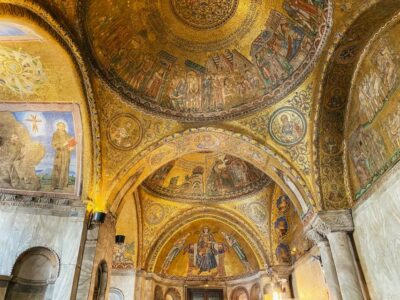
St. Mark Basilica Ticket, Audioguide+History Gallery
Read our review →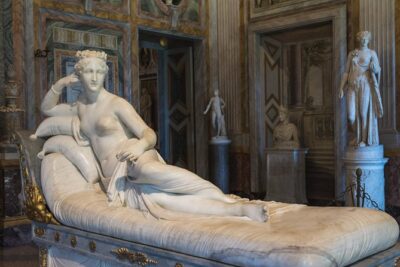
Borghese Gallery Skip-the-Line Ticket & Audioguide
Read our review →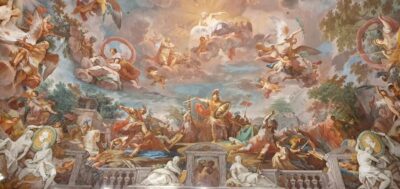
Borghese Gallery Ticket + Audioguide or Guided Tour
Read our review →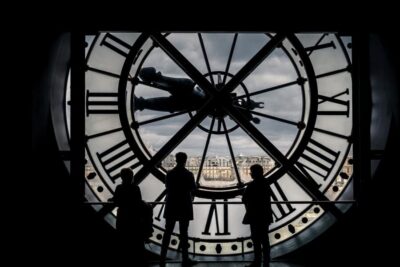
Orsay Museum Entry Ticket and Digital Audio Guide App
Read our review →
Uffizi Gallery Timed Entry Ticket & Audio Guide
Read our review →
Acropolis Museum Ticket with optional Audio Guide
Read our review →Browse the lists this tour appears in