
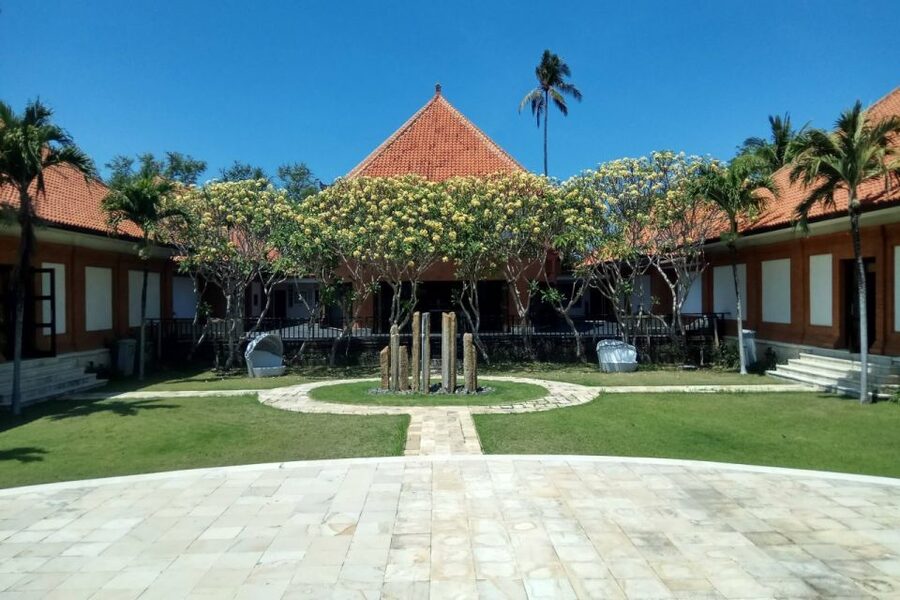
Reviewed · MUSEUM
Nusa Dua: Museum Pasifika Admission Ticket with Audio Guide
Museum Pasifika brings together more than 600 paintings and sculptures from across Indonesia, Asia, and the Pacific. You can move at your own pace, pausing with Indonesian masters such as Raden Saleh, Lempad, and Affandi, then switching to Oceanic sculpture and Western artists inspired by Tahiti and Asia.
I like the calm gallery setting and the unusual range under one roof. I also like the low $7 price, which makes this an easy cultural stop in Nusa Dua, especially with refreshments and an audio guide included. The main concern is the building’s open, humid conditions. Some art may not receive the protection you expect from a major museum.
Key points to know before you go
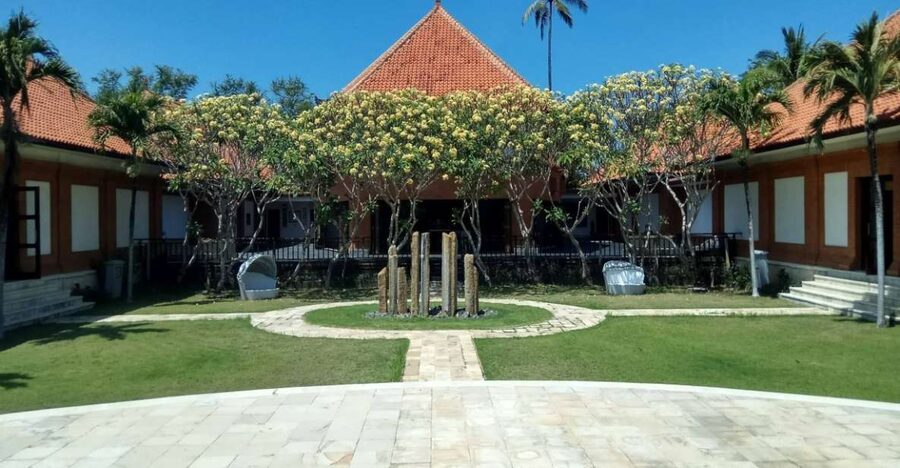
- More than 600 works: See paintings and sculptures by about 200 artists from Indonesia, Asia, Europe, and the Pacific.
- A strong Indonesian section: Look for works by Raden Saleh, Lempad, Affandi, Hendra, and Kobot, along with more than 50 Indonesian artists.
- Rare Pacific collection: The Michoutouchkine and Pilioko Collection contains about 200 sculptures from 10 Pacific nations.
- Flexible self-guided visit: Your ticket is valid for one day, and the optional audio guide is available in English or Indonesian.
- Good practical extras: Admission includes a cold towel, tea, coffee, or infused water, with free Wi-Fi and a café onsite.
- A few limits: Flash photography, tripods, weapons, and sharp objects are not allowed, and hotel transport is not included.
Why Museum Pasifika is worth your time
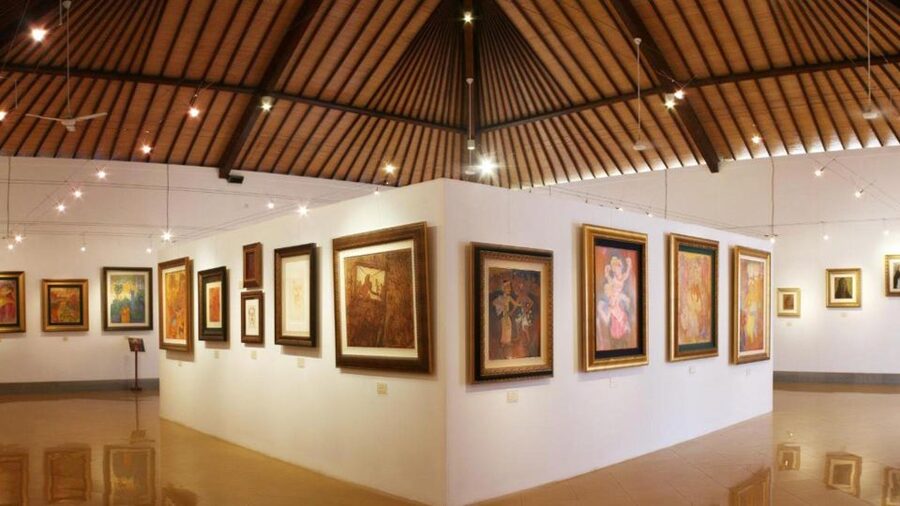
Nusa Dua is best known for resort beaches, large hotels, and planned shopping areas. Museum Pasifika offers a useful change of pace. Instead of another afternoon beside a pool, you can spend a quiet hour or two looking at art from Indonesia and the wider Pacific.
The museum’s main strength is its range. You are not coming to see one famous painting or a single tightly focused collection. You are coming to see how artists from different places have pictured Indonesia, Bali, Oceania, and Asia over many decades.
That broad scope can be rewarding, but it also requires patience. The collection may feel less tidy than a small specialist museum. The audio guide helps give the rooms more shape, particularly if you do not already know the names in front of you.
The atmosphere is relaxed rather than formal. That suits Nusa Dua. You can take your time, return to a work that caught your eye, and avoid the pressure of a fixed group schedule. A visit can be short, but the one-day validity gives you room to fit it around other plans.
More Museum Audio Tours in the world
- Florence: Uffizi Priority Ticket & Masterpieces Audio App
★ 4.2 · 6,402 reviews - Paris: Louvre Museum Hosted Entry and Mona Lisa Audioguide
★ 4.6 · 5,235 reviews - Venice: St. Mark Basilica Ticket, Audioguide+History Gallery
★ 3.9 · 4,780 reviews
Start with Indonesian masters and local artistic voices
Begin with the Indonesian section. This is the part of the museum most closely tied to the country you are visiting, and it gives the wider collection a firm base.
You will find work by Raden Saleh, Lempad, Affandi, Hendra, and Kobot. The collection includes more than 50 Indonesian artists, so you are not limited to one period or one style. That variety matters. Indonesian art is not a single look, and this section lets you see different approaches to portraiture, daily life, spiritual subjects, and the natural world.
Raden Saleh is an important name to watch for. Lempad is another, especially for anyone interested in Balinese artistic traditions. Affandi brings a very different force to the collection, with work known for its expressive handling and strong personal character.
You should not rush this room. Pick a few works and listen to the audio guide before moving on. The guide is optional, but it can help you understand why certain artists matter and how Indonesian art developed alongside outside influences.
This is also the section most likely to reward travelers who want more than a quick photo stop. You can look at the work as art, but you can also use it as a way to understand the changing relationship between local artists, foreign visitors, and modern exhibition culture.
Follow the European artists inspired by Bali
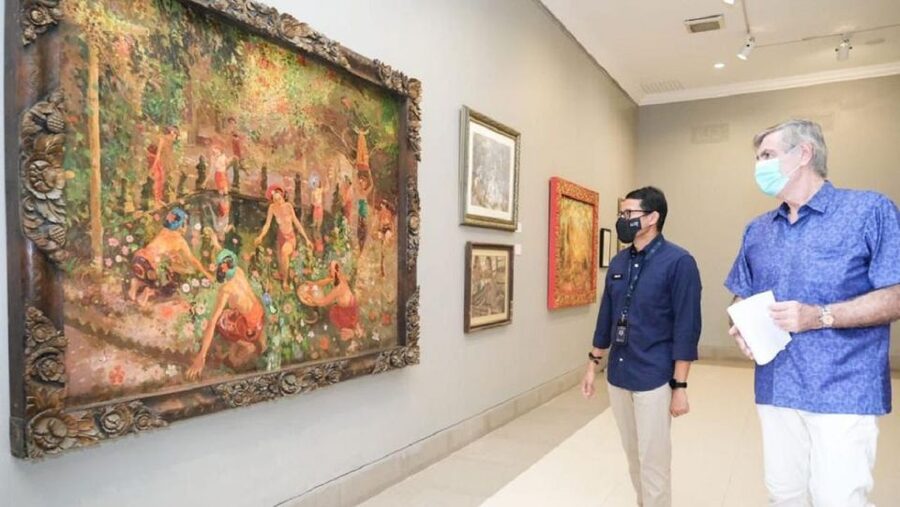
The next part of the visit shifts toward Indo-European artists who were influenced by Indonesia, particularly Bali. Italian, French, and Dutch creators are represented, including Walter Spies, Miguel Covarrubias, Jean Le Mayeur, and Charles Sayers.
These works offer another view of Bali. The artists were outsiders looking closely at the island, sometimes with affection, sometimes through the artistic fashions of their own time. You may find the contrast with the Indonesian section especially interesting because the same place can appear very different depending on who is holding the brush.
Walter Spies and Miguel Covarrubias are useful names to keep in mind. Their work is tied to the period when Bali became increasingly known to international artists and cultural figures. Jean Le Mayeur is another notable presence, particularly for anyone drawn to scenes of light, gardens, and domestic life.
I like this section because it raises a simple question: are you seeing Bali itself, or someone’s idea of Bali? The museum does not require you to settle that question. You can simply compare the works and notice how artistic attention can also shape what outsiders expect to see.
If you are visiting Bali for the first time, this area provides context for the island’s long appeal to artists from abroad. It also helps you avoid treating every old painting of Bali as a neutral record. Each artist brought a personal style and a set of assumptions.
Look for the Hanoi-trained Indonesian artists
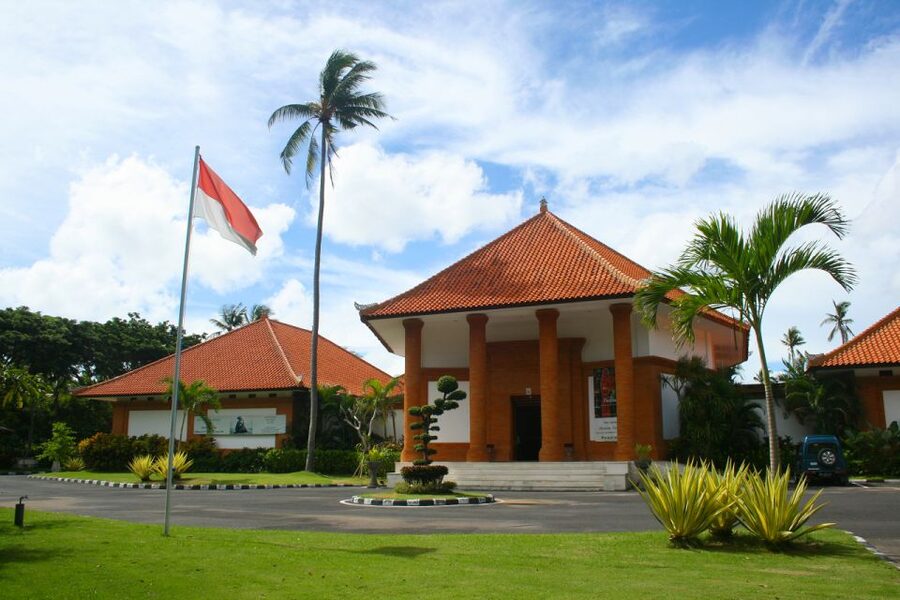
The collection also includes works by Indonesian students of the Beaux-Arts School of Hanoi. This is one of the more unusual details of the museum because it points to a wider Asian exchange rather than a simple Indonesia-Europe story.
The school is connected with artists whose work has appeared in international exhibitions and publications. That gives this part of the collection a wider frame. Indonesian art was shaped not only by local traditions and European visitors, but also by contact with other parts of Asia.
You may find this section less immediately familiar than the works by famous European names. Give it time. The value here lies in seeing how artists trained in one Asian setting carried that experience into another national and cultural setting.
The audio guide is useful again. When a collection covers so many countries and artistic backgrounds, short explanations can prevent the visit from becoming a parade of unfamiliar names. You do not need to listen to every entry. Choose the artists who interest you and keep moving when your attention starts to fade.
More Audio Tours in the world
- Barcelona: Sagrada Familia Entry Ticket with Audio Guide
★ 4.6 · 105,312 reviews - Rome: Pantheon Fast-Track Ticket and Official Audioguide
★ 4.5 · 27,353 reviews - Barcelona: Casa Batlló Entry with Self-Audioguide Tour
★ 4.7 · 25,359 reviews - Rome: Colosseum & Forum with Audio Guide App -Optional Arena
★ 4.2 · 24,770 reviews
Spend time with 200 Pacific sculptures
The Michoutouchkine and Pilioko Collection of Premier Art of Oceania is one of the museum’s biggest draws. It contains around 200 sculptures from 10 nations across the Pacific Ocean.
The collection was gathered over 50 years by the two artists, and it is described as one of the most complete collections of its kind. That is a strong reason to visit if your interest goes beyond Bali and Indonesia.
The Pacific section changes the rhythm of the museum. After looking at paintings connected with Indonesian and European art, you encounter sculpture, wood, form, and materials from a much wider area. The display can help you see Oceania as a group of distinct cultures rather than as one broad category.
Take a slow look at the shapes and surfaces. You may find that a sculpture catches your attention before you know anything about its origin. Then use the audio guide to add context. The collection is large enough that you do not need to study every object in detail.
This section also makes the $7 admission easier to judge. A low-cost museum ticket often gives you a small local collection. Here, you get access to a substantial Pacific collection alongside Indonesian and European works. Even if you spend only an hour, the range is considerable for the price.
See Gauguin and other Western artists linked to Asia
The Legendary Western Artists Exhibition adds another turn to the visit. It includes sculptures and woodcuts by Paul Gauguin from his Tahiti period, as well as works by Henri Rousseau, Henri Matisse, Auguste Rodin, Marvina Hoffmann, and Bernard Buffet.
The point is not that all of these artists worked in the same place or style. Their connection here is their interest in Asia, the Pacific, or subjects shaped by their time in those regions.
Gauguin’s Tahiti period is the clearest link. His work raises questions about how Western artists portrayed places far from Europe and how those images shaped popular ideas about the Pacific. Rodin and Matisse bring a different kind of artistic weight, while Rousseau and Buffet widen the range of styles.
This room is likely to interest you most if you already enjoy European modern art or want to compare famous Western names with the Indonesian and Oceanic works elsewhere in the museum. It also gives the museum a little extra familiarity for people who might feel unsure about a collection dominated by artists they do not know.
Do not expect a major national museum with a huge staff or tightly controlled display environment. The attraction is the mix. You are seeing works that rarely appear together in a conventional art itinerary.
What the audio guide adds
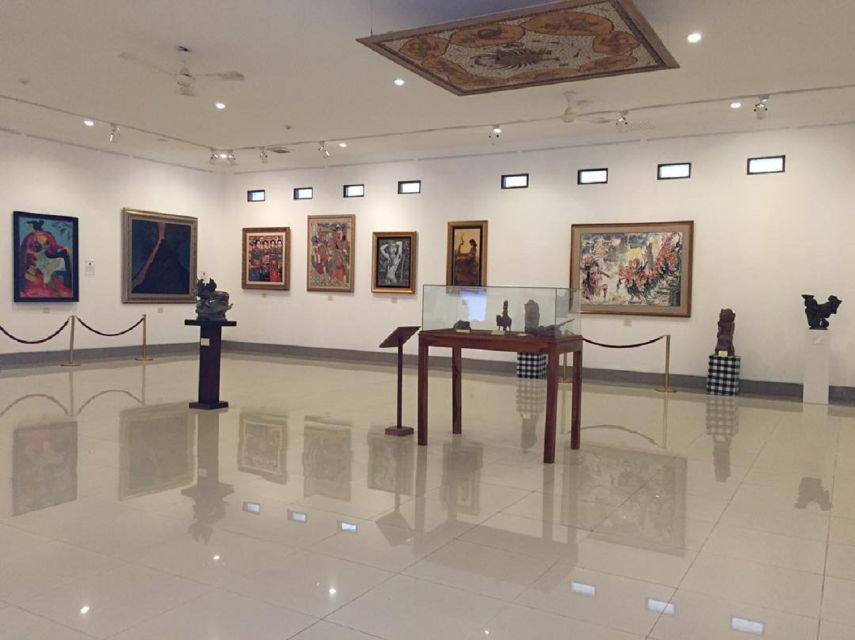
The audio guide is available in English and Indonesian, and you can choose whether to use it. That flexibility is helpful because not every visitor wants the same amount of explanation.
I would use it selectively. Listen to the introduction to each main collection, then choose individual works by artists whose names you recognize or whose pieces make you stop. A full audio tour can be worthwhile if you are strongly interested in art, but a shorter approach may suit you better if you are combining the museum with a day in Nusa Dua.
The guide is especially helpful with the Pacific collection and the Hanoi-trained artists. Those sections may be less familiar, and a little background can turn a collection of objects into a clearer story about artistic exchange.
An audio guide cannot replace a specialist art historian, and no guide can explain every work in a collection this broad. Still, it gives you enough structure to make the visit more rewarding than simply walking from room to room.
The practical side of the visit
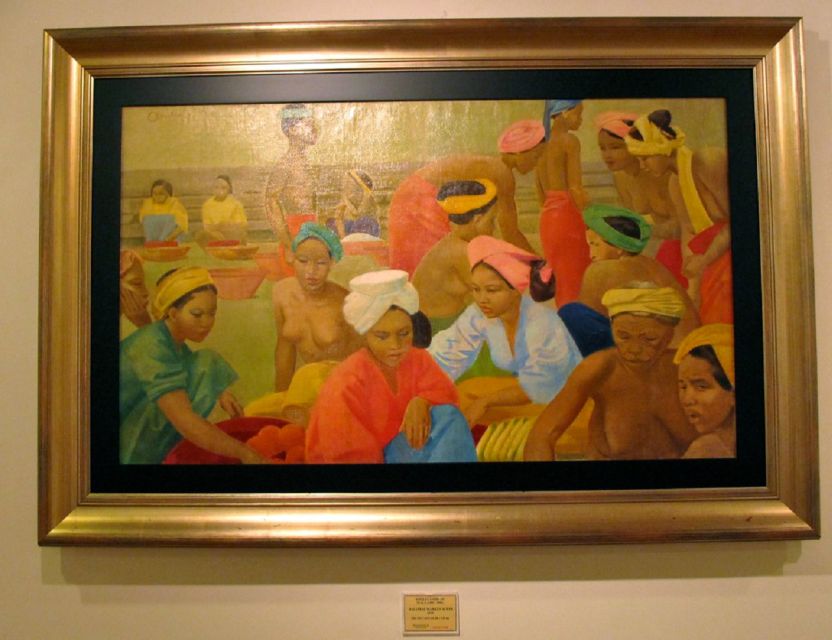
Your ticket is valid for the visit date and covers a full day, so you are not tied to a narrow time slot. Check the available starting times when booking, then plan the museum around your other Nusa Dua activities.
Hotel pickup and drop-off are not included. You need to make your own way to Museum Pasifika and show your ticket at the reception area. A large parking area is available onsite, which helps if you are using a car or other private transport.
The museum has a café, free Wi-Fi, and wheelchair-accessible galleries and facilities. Motorized wheelchairs are also supported. These details matter if you need a comfortable pause during a day of sightseeing or prefer not to plan a separate café stop.
Admission includes a cold towel and a drink choice of tea, coffee, or infused water. At $7 per person, those extras are modest but useful. They make the ticket feel like a simple, low-cost outing rather than an expensive cultural splurge.
Children aged 0 to 11 enter free. That can make the museum a reasonable family stop, although younger children may not want to spend long with a large art collection. A short visit focused on the sculptures may work better than trying to cover every room.
Weapons, sharp objects, flash photography, and tripods are not allowed. You can take photographs where permitted, but avoid flash because it can harm artworks and disturb the quiet gallery atmosphere.
The main concern: humidity and protection
The biggest issue to consider is the condition of the building and display environment. The galleries do not have air conditioning, and doors may be left open. In Bali’s humid climate, that can be a concern for paintings, prints, and other works that need careful protection.
Some pieces may show signs of damage or wear. If you expect museum-grade conservation systems, climate control, and heavily protected displays, this experience may disappoint you. The collection itself can be beautiful and historically interesting, but the presentation may not match the quality of the artists represented.
This point does not make the museum unworthy of a visit. It changes your expectations. Go for the range, the Pacific collection, the Indonesian names, and the chance to see art in a calm setting. Do not treat it as a polished national institution with the technical standards of the world’s largest museums.
The quiet atmosphere is both a benefit and part of the problem. One verified visit described the museum as nice and quiet, which is exactly what many people want in Nusa Dua. At the same time, low visitor numbers and open doors may contribute to a less controlled environment.
Who will get the most from this ticket
I would recommend Museum Pasifika to you if you enjoy art but do not want a rigid tour. It is also a good fit if you want to see Indonesian work alongside Pacific sculpture, rather than visiting a museum focused on Bali alone.
You will probably get the most from it if you:
- Have an interest in Indonesian or Oceanic art
- Want a quiet indoor break from Nusa Dua’s resort area
- Like comparing local artists with European artists inspired by Bali
- Prefer to set your own pace
- Want a low-cost cultural activity with a useful audio guide
- Need wheelchair-accessible galleries and facilities
You may want to skip it if you are looking for a highly polished museum with strong climate control, sharply labeled rooms, or a large collection of famous Western masterpieces. The Western art section is interesting, but the museum’s real character comes from the combination of Indonesian, Pacific, and Asia-related works.
Is the $7 ticket good value?
Yes, with sensible expectations. Seven dollars is a small price for access to more than 600 works by about 200 artists, including around 200 Pacific sculptures. The English or Indonesian audio guide adds practical value, and the included cold towel and drink make the cost easier to justify.
The value is strongest if you are already in Nusa Dua. You do not receive hotel transport, so the ticket is less convenient if getting to the museum is difficult. But with parking, a café, Wi-Fi, and a full day of validity, it fits neatly into a flexible sightseeing plan.
I would not buy this ticket only to see one famous artist. The collection is too broad for that. Buy it because you want a varied art stop with Indonesian masters, European views of Bali, Pacific sculpture, and a small Western art display in one place.
Should you book Museum Pasifika?
Book this experience if you want an affordable, quiet art visit and you are curious about the connections between Indonesia, Bali, Asia, and Oceania. The Pacific collection and Indonesian works give the museum a clear reason to visit, while the audio guide helps you make sense of the wide range.
Think twice if air conditioning and strict conservation standards are important to you. The humidity and open gallery conditions are real considerations, and some works may not look as carefully protected as you expect.
For most people staying in Nusa Dua, I see this as a worthwhile half-day option, even though the ticket remains valid for one day. Go with an open mind, listen to the guide selectively, and focus on the collection’s unusual range rather than expecting a grand national museum.
FAQ
Where is Museum Pasifika located?
Museum Pasifika is in Nusa Dua, Bali. You show your ticket at the reception area when you arrive.
How much does admission cost?
The ticket costs $7 per person. Children aged 0 to 11 can enter free of charge.
How long is the ticket valid?
The ticket is valid for one day, on the visit date selected during booking. Starting times depend on availability.
Is an audio guide included?
An audio guide is available in English and Indonesian. The activity information lists it as included, while also describing it as optional, so you can choose whether to use it during your visit.
What can I see inside the museum?
You can see more than 600 paintings and sculptures by about 200 artists. The collection includes Indonesian masters, Indo-European artists inspired by Bali, Hanoi-trained Indonesian artists, Pacific sculpture, and Western artists such as Paul Gauguin, Henri Matisse, and Auguste Rodin.
Is the museum wheelchair accessible?
Yes. The galleries and facilities are accessible to wheelchairs and motorized wheelchairs.
Are refreshments included?
Yes. Admission includes a cold towel and a drink, with tea, coffee, or infused water available. A café is also onsite.
Can I take photographs inside?
Flash photography and tripods are not allowed. Weapons and sharp objects are also prohibited.
Latest audio tours in the world
- Seville Maestranza Bullring Tour with Audio Guide★ 3.5 · 6 reviews
- Seville Scavenger Hunt and Highlights Self Guided Audio Tour★ 5.0 · 5 reviews
- Seville Audio guided walking tour 3h20 and 28 audio commentaries★ 5.0 · 2 reviews
- Royal Alcazar of Seville Entry Ticket with Audio Guide★ 4.0 · 42 reviews
- Seville Cathedral and La Giralda Entry Ticket with Audio Guide★ 3.0 · 9 reviews
- Seville Cathedral and Giralda Entry Tickets with Audio Guide★ 4.0 · 56 reviews
- Essential Seville’s Ancient History: An Audio Tour★ 5.0 · 9 reviews
- Sequoia National Park Self-Guided Audio Tour★ 4.5 · 9 reviews
Museum Audio Tours, compared.
Uffizi Priority Ticket & Masterpieces Audio App
Read our review →
Louvre Museum Hosted Entry and Mona Lisa Audioguide
Read our review →
St. Mark Basilica Ticket, Audioguide+History Gallery
Read our review →
Borghese Gallery Skip-the-Line Ticket & Audioguide
Read our review →
Borghese Gallery Ticket + Audioguide or Guided Tour
Read our review →
Orsay Museum Entry Ticket and Digital Audio Guide App
Read our review →
Uffizi Gallery Timed Entry Ticket & Audio Guide
Read our review →
Acropolis Museum Ticket with optional Audio Guide
Read our review →Browse the lists this tour appears in