
Reviewed · ROME
Rome: National Etruscan Museum Ticket & App Audioguide
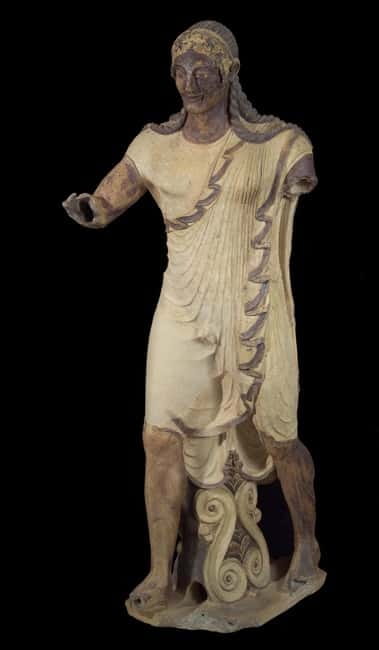
The most striking thing here is the setting. Villa Giulia is not a plain museum box but a Renaissance country villa built for Pope Julius III between 1550 and 1555, with courtyards, a nymphaeum, painted decoration, and gardens. Inside, you meet the Etruscans through tomb sculpture, jewellery, inscriptions, bronzes, and terracotta work.
I like the way the collection connects objects to their ancient places, especially Vulci and Veio, rather than presenting a jumble of old things. I also like having two hours and an app guide to set your own pace. The main drawback is practical: the audio guide is reported to be available only in English or Italian, and it comes without earphones, so bring your own if you want clear sound.
Key points for planning your visit
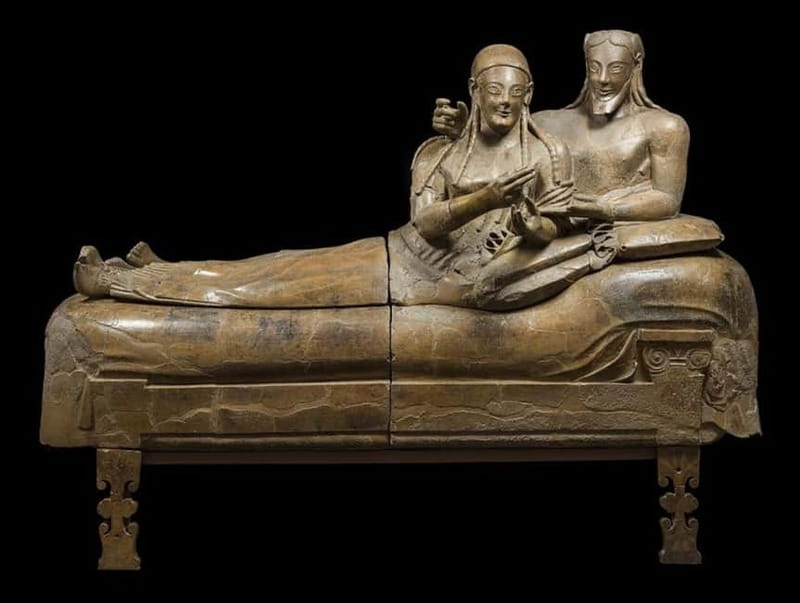
- The Sarcophagus of the Spouses: See Cerveteri’s famous reclining couple, one of the museum’s most memorable works.
- Villa Giulia itself: Renaissance courtyards, frescoes of Rome’s Seven Hills, and a grand nymphaeum are part of the experience.
- Place-based Etruscan displays: Objects from Vulci and Veio help you connect art with the towns and tombs where it was found.
- The Pyrgi Tablets: Read inscriptions written in both Etruscan and Phoenician, a rare window into the ancient world.
- The garden finish: Walk outside to see the Temple of Alatri reproduction and enjoy a quieter end to the visit.
- Bring earphones: The digital guide does not supply them, and the audio may be hard to hear without your own pair.
Why Villa Giulia is worth two hours
Rome is full of ancient Roman monuments, but the Etruscans belong to an earlier and less familiar chapter of central Italy. Their towns flourished before Rome became the power we know today, and their art often feels more personal than monumental. Tombs show couples reclining together, jewellery is finely made, and inscriptions preserve a language that remains only partly understood.
That makes this museum a good choice if you want something beyond the Colosseum and Forum. You will not spend your time looking at one famous ruin after another. Instead, you move through objects that reveal burial customs, trade, religion, craftsmanship, and daily status.
The visit lasts about two hours, which is a sensible amount of time for the collection. You can give the major pieces proper attention without turning the museum into an all-day assignment. If you already know Etruscan art, you may want longer, especially for the topographical displays and underground areas.
The experience is self-guided. Your ticket includes a digital audioguide app, not a personal guide who walks with you. That gives you control over the pace, but it also means you should arrive ready to use your own phone and manage the audio yourself.
More Museum Audio Tours in Italy
- Rome: Borghese Gallery Skip-the-Line Ticket & Audioguide
★ 4.3 · 4,318 reviews - Rome: Borghese Gallery Ticket + Audioguide or Guided Tour
★ 4.6 · 3,219 reviews - Rome: Borghese Gallery Skip-the-Line Tickets with Audioguide
★ 4.6 · 2,562 reviews
Arriving at Piazzale di Villa Giulia
The meeting point is Piazzale di Villa Giulia 9, 00196 Roma RM. At the entrance, exchange your booking voucher at the ticket office for the official entry ticket. Arrive about 15 minutes early, since the voucher is not the final admission ticket.
That small step matters. If you arrive at the last minute and need to sort out the exchange, you may lose time from a two-hour visit. Keep your confirmation available on your phone and allow enough time to find the ticket office within the villa complex.
The museum has accessible services and is wheelchair accessible. That is useful for anyone who wants to plan the visit around mobility needs, though the supplied information does not describe every route or facility in detail.
Photography is allowed, but flash photography is not. Turn off your flash before entering the galleries, both to follow the rules and to avoid distracting people studying the objects.
First impressions: Julius III’s Renaissance villa
The building gives you a reason to look up before you even begin studying the collection. Pope Julius III commissioned Villa Giulia in the mid-sixteenth century, and its design reflects the pleasure-house style of the Renaissance. The setting includes courtyards, a nymphaeum, gardens, and frescoes linked to the Seven Hills of Rome.
This is one of the museum’s great advantages. The architecture is not simply a container for the Etruscan objects. It creates a change of mood from the busy streets of Rome, with open spaces and decorative details that reward a slow start.
Give yourself a few minutes to understand the layout. The courtyards help you see how the villa was meant to be experienced, while the nymphaeum adds water, shade, and theatrical design to the visit. The building belongs to a later era than the collection, but that contrast is part of the appeal.
The atmosphere also makes this a good museum for people who prefer a less crowded cultural stop. The supplied details do not promise any particular crowd level, so you should not assume the galleries will be empty. Still, the villa and gardens provide breathing room that many city museums lack.
Etruscan places: Vulci and Veio
A major strength of the collection is its topographical organisation. Instead of treating every object as an isolated work of art, the museum groups important material by places such as Vulci and Veio.
Vulci is represented by bronzes. These works show the skill of Etruscan metalworkers and give you a sense of how much technical ability went into objects that may have served ritual, decorative, or practical purposes. The value here is not just visual beauty. The objects help you picture Vulci as a centre of production and exchange.
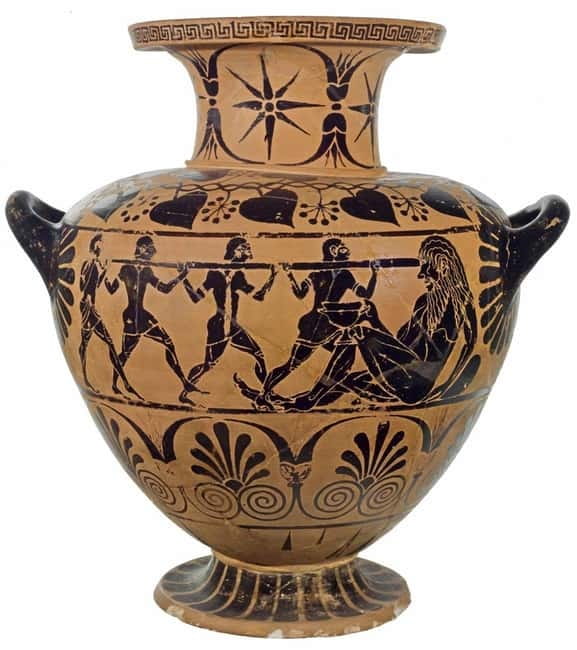
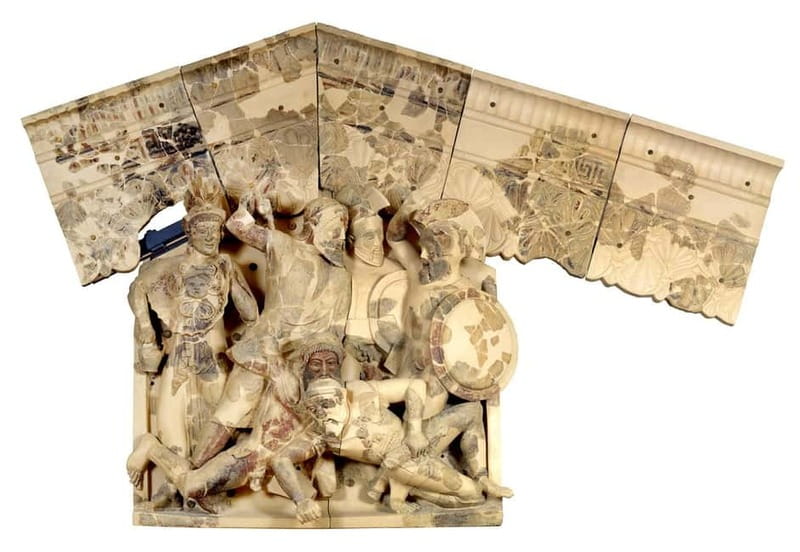
Veio is known here for terracotta decorations. These pieces are especially helpful for understanding how Etruscan buildings were decorated. Terracotta was not a minor material. It could carry colour, shape, and status onto the upper parts of a structure, where architectural decoration would have been visible from a distance.
The topographical approach is useful if you are new to Etruscan culture. You can make mental links between a town and the objects associated with it. That is easier to remember than a long list of names with no place attached.
The displays also follow typological criteria, meaning objects may be arranged by type as well as by origin. If you like comparing similar forms, this can help you notice changes in technique and style. If you prefer a simple chronological story, the organisation may require a little more attention.
More Museum Audio Tours in Rome
- Rome: Borghese Gallery Skip the line ticket and Audioguide
★ 4.3 · 1,535 reviews - Rome: Borghese Gallery Ticket and Optional Audio Guide
★ 4.3 · 902 reviews - Borghese Gallery, Home to Canova’s Art – Entry with Audioguide
★ 4.0 · 884 reviews - Rome: Borghese Gallery Skip-the-Line Ticket & Audioguide
★ 4.0 · 768 reviews
The Sarcophagus of the Spouses from Cerveteri
The museum’s best-known object is the Sarcophagus of the Spouses from Cerveteri. It shows a reclining couple, presented together on the lid of a terracotta sarcophagus.
Take time with the faces and posture. The pair are not shown as stiff figures sealed away from life. Their shared position gives the work a social quality, and the scale makes the object immediately readable even if you have never studied Etruscan art.
Cerveteri, the ancient Caere, is known for its large necropolis, and the sarcophagus connects the museum to that funerary setting. Here, the tomb object is removed from its original place, but the form still tells you something about how the Etruscans pictured status, partnership, and the afterlife.
This is the sort of piece that can anchor your visit. If your time is limited, make it one of your first priorities, then use the remaining time for the works that interest you most. The audioguide can help you place it within the wider collection, provided you are comfortable listening through your phone.
The Pyrgi Tablets and the challenge of Etruscan writing
The Pyrgi Tablets offer a different kind of encounter. These inscriptions are written in Etruscan and Phoenician, making them especially important for anyone interested in language, politics, or the links between ancient Mediterranean cultures.
You do not need to read either language to appreciate why the tablets matter. Their paired inscriptions show that Etruscan communities were connected to a wider world of trade and communication. They also give you a direct look at a language that is far less familiar than Latin or Greek.
This stop rewards patience. Inscribed objects can seem less immediately dramatic than sculpture or jewellery, but the tablets carry information through words rather than faces and decoration. Listen to the guide here if the app works well on your phone, since the context is likely to make the display easier to understand.
The audio language is an important consideration. The available guide languages are English and Italian, so this activity is not the best fit if you need a guide in another language. The language limitation is easy to miss when booking, so check it before paying.
Jewellery from the Castellani collection
The Castellani collection adds sparkle and fine detail to the visit. The jewellery shows a different side of Etruscan culture from the large sarcophagi and architectural terracottas.
Look closely at the craftsmanship rather than racing past the cases. Small objects often show the finest control of material, and jewellery can tell you about display, wealth, taste, and connections between ancient cultures.
This part of the museum may appeal especially to anyone interested in decorative arts. It also provides a useful change of scale. After large sculpture and architectural fragments, small personal objects bring the ancient world closer to the body.
The collection is one reason the $20 price can feel fair for the right visitor. You are not paying only to see one famous sarcophagus. You are getting access to a broad museum collection, the Renaissance villa, the gardens, and an audio app that can add structure to a self-guided visit.
Still, value depends on your interests. If you have little patience for archaeological displays or inscriptions, two hours may feel long. If you enjoy art, ancient cultures, or Rome’s lesser-known museums, the same ticket offers a focused and reasonably priced cultural stop.
Underground areas, the nymphaeum, and the aqueduct
Villa Giulia also offers special routes into underground areas, including the nymphaeum and the Virgin aqueduct. These spaces add a more architectural and atmospheric side to the visit.
The supplied details do not promise that every underground area will be open at every moment, so treat these routes as an important possibility rather than a guaranteed timed feature. Ask at the museum if you want to confirm access when you arrive.
The nymphaeum is especially interesting because it helps you understand the villa as a designed retreat, not just a collection of rooms. The Virgin aqueduct connects the site to Rome’s long relationship with water and engineering.
These areas may appeal to you if you like buildings as much as objects. They also break up the gallery sequence and give the visit a sense of movement through different parts of the property.
Gardens and the Temple of Alatri reproduction
Save time for the gardens. The outdoor section is not an afterthought, and it gives you a calmer way to finish after the indoor exhibits.
The main feature is a life-size reproduction of the Temple of Alatri. Seeing this reconstruction helps you think about Etruscan and related ancient temple forms at a larger scale. In a gallery, fragments can be hard to picture as part of a whole building. A full-size reproduction gives your eye a more practical reference.
The gardens also offer a simple benefit: space. After concentrating on labels, glass cases, and small details, you can walk, pause, and review what you have seen. I would not rush out immediately after the last gallery. The garden is part of what makes this visit different from a standard indoor museum ticket.
The supplied information does not say how much time you must spend outside, so you can keep this short if you have another appointment. If you have the full two hours, reserve at least a little time for the Temple of Alatri reproduction and the surrounding grounds.
Using the app audioguide well
The audioguide is included in the ticket, and instructions arrive with your booking confirmation. It can give your visit a useful framework, especially if Etruscan art is new to you.
There is one clear weakness: earphones are not provided. One recent booking described the sound as poor without them, and that is easy to understand in a museum where you need to hear a phone clearly. Bring your own earphones or headphones if you have them.
The app format also means you should check that your phone is ready before entering. Keep the booking instructions accessible, and make sure you can listen without disturbing other people. The museum permits photography without flash, but the audioguide is your main included tool for added explanation.
I would not treat the app as a replacement for a personal expert. It cannot answer a follow-up question or adjust its explanation to your interests. It is best used as a flexible companion, allowing you to pause, skip, or listen only to the objects you want to understand better.
Who will get the most from this ticket
I would recommend this visit to you if you have already seen Rome’s main ancient sites and want a different period. It also suits anyone who enjoys archaeology, jewellery, inscriptions, sculpture, or historic buildings.
Families with older children may find the Sarcophagus of the Spouses and Temple of Alatri reproduction easier to engage with than long rows of small artefacts. The two-hour length is manageable, and the garden provides a change of pace.
Art and architecture students, history readers, and repeat Rome visitors are likely to get the most value. The topographical displays reward attention, and the villa itself gives you plenty to study beyond the objects.
I would hesitate to recommend it if you need a guide in a language other than English or Italian. I would also think twice if you dislike app-based audio or do not want to bring your own earphones. The museum remains worth seeing, but the included guide may not work well for you.
Booking, timing, and overall value
At $20 per person, this is a fair price for a two-hour museum visit with an audio app, especially when you count the villa, gardens, and outdoor reproduction as part of the experience. It is not the cheapest cultural stop in Rome, but it gives you a focused look at a collection that most city itineraries skip.
The flexible booking terms help if your Roman schedule is still changing. You can cancel up to 24 hours in advance for a full refund, and the reserve now, pay later option lets you hold a place without paying immediately. Check the available start times before booking, since the duration is fixed at about two hours but the entry time depends on availability.
Plan to arrive 15 minutes early. Exchange the voucher at the ticket office, then give yourself time to get oriented before choosing your first gallery. A rushed arrival would undercut the relaxed pace that makes Villa Giulia work so well.
Should you book the National Etruscan Museum ticket?
Book it if you want a quiet, well-priced museum visit built around Etruscan art rather than ancient Rome’s usual headline sights. The Sarcophagus of the Spouses, Pyrgi Tablets, Vulci bronzes, Veio terracottas, Castellani jewellery, Renaissance villa, and gardens give you plenty to see in two hours.
Skip it if your schedule is packed with major Roman monuments or if you need a non-English, non-Italian audio option. If you do book, arrive early, bring earphones, and leave enough time for the gardens and Temple of Alatri reproduction. That small preparation will make the $20 ticket much better value.
FAQ
Where is the National Etruscan Museum of Villa Giulia?
It is at Piazzale di Villa Giulia 9, 00196 Roma RM, Italy.
How long does the visit last?
The stated duration is two hours.
What does the ticket include?
It includes entrance to the National Etruscan Museum of Villa Giulia and a digital audioguide app.
Is a personal guide included?
No. The ticket includes a digital audio guide app, not a personal tour guide.
In which languages is the audioguide available?
The audioguide is available in English or Italian.
Do I need to exchange my voucher?
Yes. You must exchange the voucher at the ticket office for an official entry ticket.
Should I arrive early?
Yes. You should arrive 15 minutes before your visit for check-in and voucher exchange.
Is the museum wheelchair accessible?
Yes. Accessible services are available, and the activity is listed as wheelchair accessible.
Can I take photographs inside?
Yes, photography is allowed, but flash photography is not permitted.
What are the main objects and areas to see?
Key highlights include the Sarcophagus of the Spouses from Cerveteri, the Pyrgi Tablets, bronzes from Vulci, terracotta decorations from Veio, jewellery from the Castellani collection, Villa Giulia’s Renaissance architecture, underground areas, gardens, and the life-size Temple of Alatri reproduction.
Latest audio tours in Rome
- Pantheon Skip the Line Entry Tickets with Digital Audio Guide★ 3.5 · 52 reviews
- St. Peter’s Basilica: Dome Climb with Lift & Audioguide★ 4.5 · 13 reviews
- Audio guide in Vatican Museums and Sistine Chapel★ 4.5 · 12 reviews
- The Roman Jewish Ghetto: A Self-Guided Audio Tour★ 4.0 · 8 reviews
- Experience: The Pantheon Audio Tour★ 4.5 · 4 reviews
- Trastevere: A Self-guided Audio Tour of Rome’s Medieval Village★ 4.5 · 3 reviews
- Navova square underground with audioguide★ 4.5 · 17 reviews
- The Colosseum’s Attic with 3rd, 4th & 5th Levels with Audio Guide★ 4.5 · 20 reviews
Museum Audio Tours, compared.

Uffizi Priority Ticket & Masterpieces Audio App
Read our review →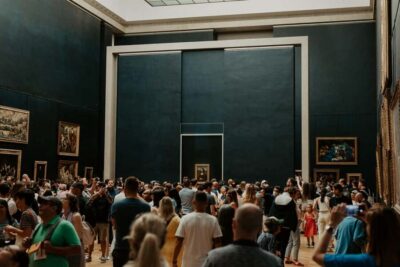
Louvre Museum Hosted Entry and Mona Lisa Audioguide
Read our review →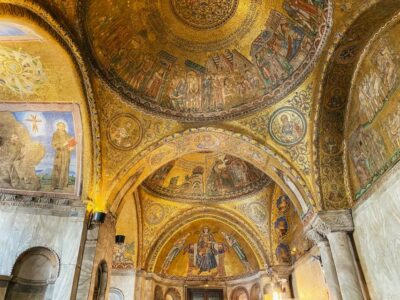
St. Mark Basilica Ticket, Audioguide+History Gallery
Read our review →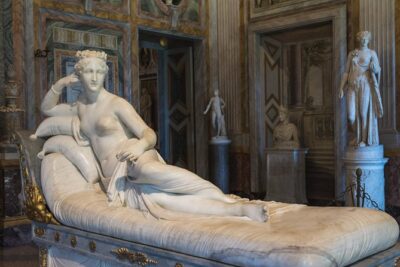
Borghese Gallery Skip-the-Line Ticket & Audioguide
Read our review →
Borghese Gallery Ticket + Audioguide or Guided Tour
Read our review →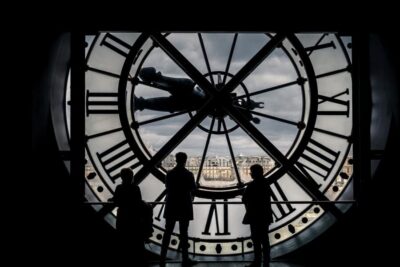
Orsay Museum Entry Ticket and Digital Audio Guide App
Read our review →
Uffizi Gallery Timed Entry Ticket & Audio Guide
Read our review →
Acropolis Museum Ticket with optional Audio Guide
Read our review →Browse the lists this tour appears in