
Reviewed · VIENNA
Vienna: Tickets for Mozarthaus Vienna with Audio Guide
Mozart’s only preserved Vienna apartment gives you a rare chance to walk through the rooms where he lived from 1784 to 1787 and wrote more music than anywhere else. I especially like the focus on his Vienna years and the freedom of a self-guided visit. The audio guide also makes the museum far more useful than a quick look at empty rooms. The main drawback is that the apartment itself has few original objects, and much of the visit involves reading panels or standing with an audio track.
I like the wide choice of 13 adult audio-guide languages and the separate children’s version in eight languages. I also like the option to add Haus der Musik, which turns this into a full day for anyone curious about how music is made. Bring headphones if you plan to use your phone, and remember that photography and video are not allowed inside.
Key points to know before you go
- Mozart’s only preserved Vienna apartment: See the rooms connected with his most productive Vienna years, from 1784 to 1787.
- Figaro connection: The museum explains the period in which Mozart composed his famous opera The Marriage of Figaro.
- Audio guide included: Choose from 13 adult languages or an audio guide made for children in eight languages.
- More information than furnishings: Expect exhibits, documents, images, and historical explanation rather than a fully decorated home.
- Haus der Musik option: Add Vienna’s interactive sound museum for hands-on music exhibits across four floors.
- Practical restrictions: Cloakroom use is included, but indoor photography and video recording are prohibited.
What you actually see inside Mozart’s Vienna home
Mozarthaus Vienna is not a grand palace tour. It is a museum built around the apartment where Mozart lived during a crucial stretch of his career. The address matters because these rooms connect Mozart’s daily life with the period when his work reached its highest point.
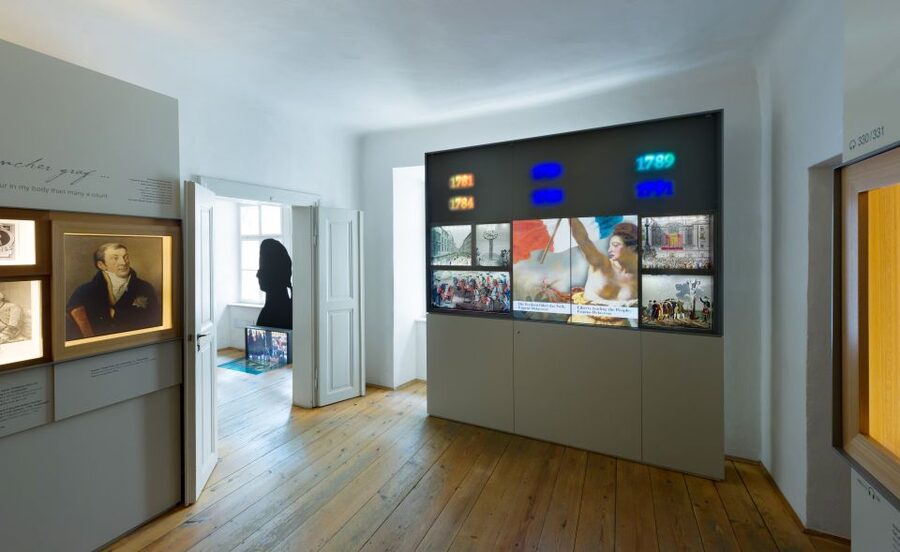
You move through three exhibition levels, with the preserved apartment at the heart of the visit. The museum uses the rooms to explain Mozart’s Vienna years, his work, the people around him, and the city in which he made his name.
The best part is the sense of place. You are not simply looking at a portrait of Mozart in a glass case. You are inside the building connected with his adult life in Vienna. That makes the visit more personal, especially if you already know his music.
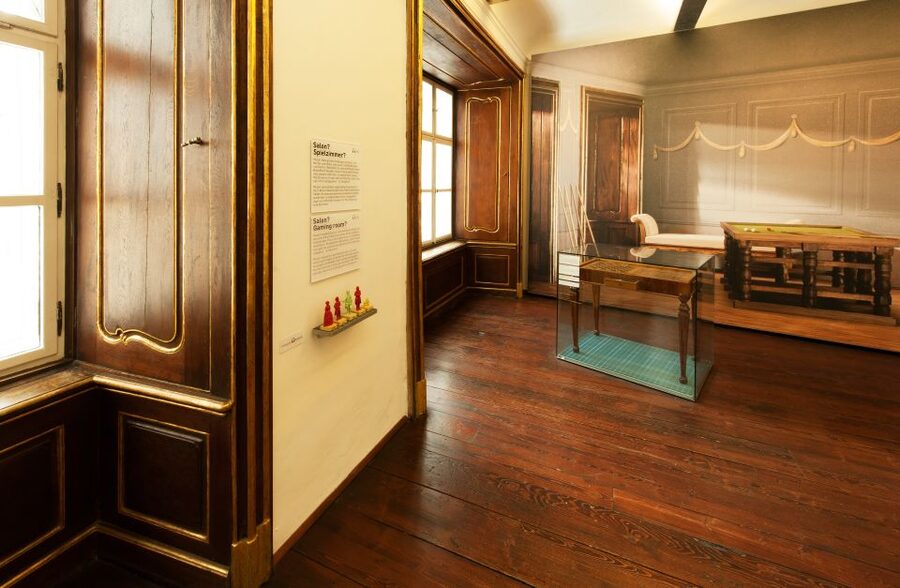
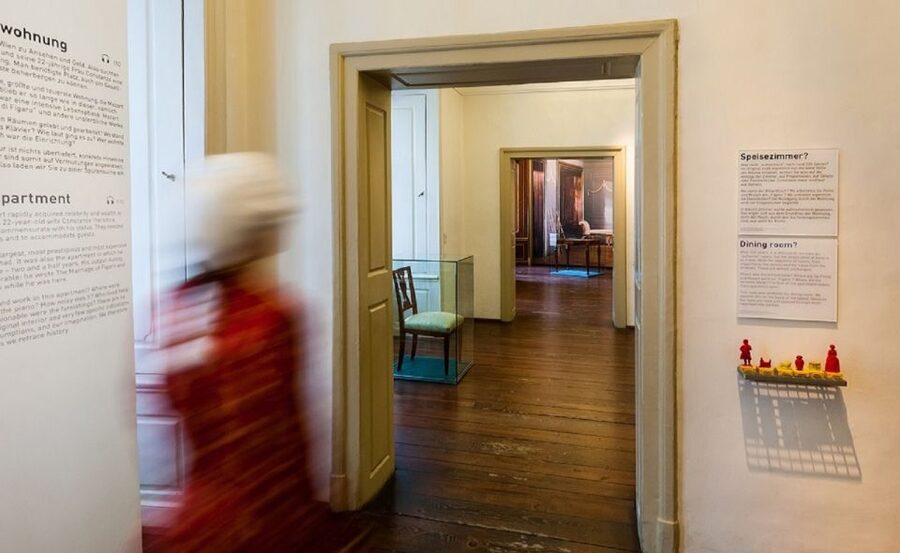
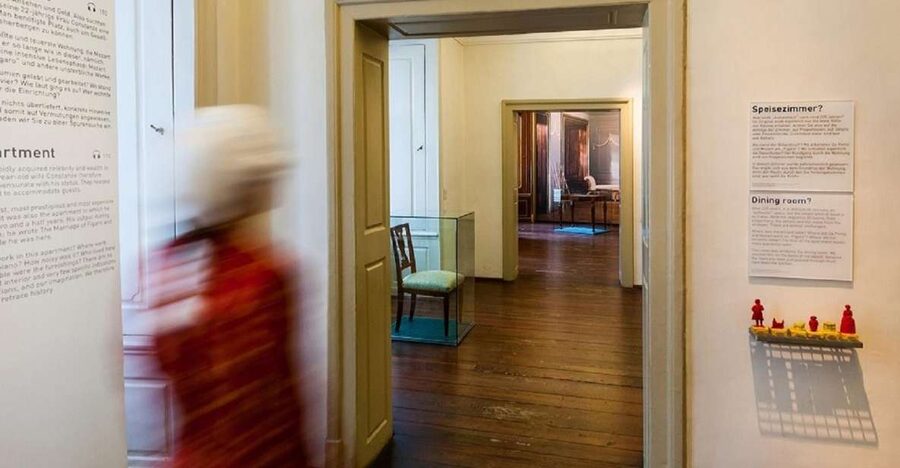
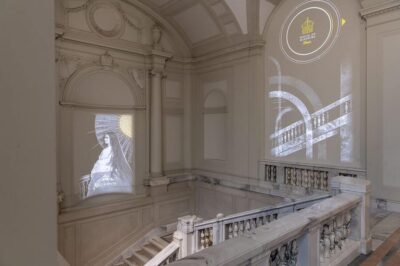
Still, keep your expectations realistic. The apartment is not presented as a fully restored home with every chair, instrument, and household item in its original position. Several areas are largely bare, and the museum depends heavily on display panels, images, projections, and recorded explanation.
That approach protects the difference between evidence and guesswork. It also means the experience works better for someone who wants context than for someone hoping to see a room frozen exactly as Mozart left it.
More Audio Tours in the world
- Barcelona: Sagrada Familia Entry Ticket with Audio Guide
★ 4.6 · 105,312 reviews - Rome: Pantheon Fast-Track Ticket and Official Audioguide
★ 4.5 · 27,353 reviews - Barcelona: Casa Batlló Entry with Self-Audioguide Tour
★ 4.7 · 25,359 reviews
Mozart, Figaro, and the Vienna years
The museum places strong emphasis on Mozart’s time in Vienna rather than trying to tell every detail of his life from childhood onward. You will learn about the years from 1784 to 1787, when he lived in this apartment and produced a large body of work.
One important connection is The Marriage of Figaro. The apartment is presented as the place where Mozart composed this famous opera. For many people, that link provides the visit’s strongest emotional moment: the rooms are ordinary, but the music created during this period is anything but ordinary.
The focus on Vienna is useful because it keeps the visit from becoming a rushed biography. You get a closer look at the city, period, career pressures, and creative work surrounding Mozart’s most productive years.
If you know little about Mozart, the museum still gives you a starting point. If you already love his music, the displays help place familiar works in time and setting. But the museum does not try to recreate every stage of his life, so you may want another site for a broader biography.
How the audio guide shapes the visit
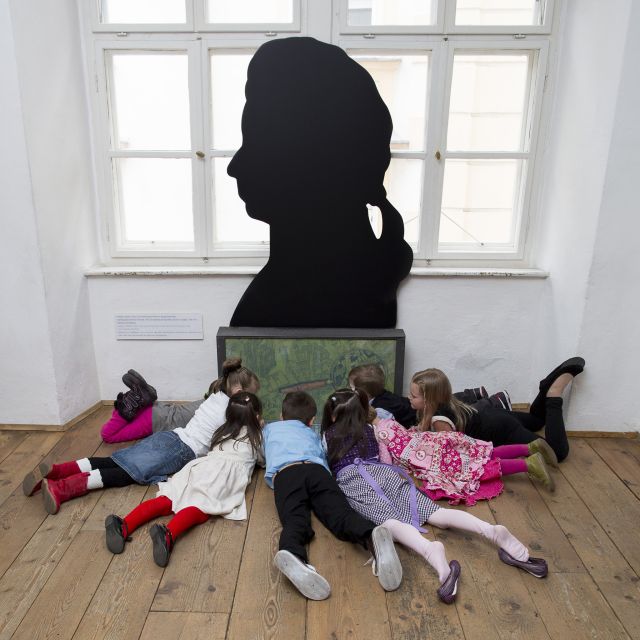
Take the audio guide. It adds the explanation that the rooms alone cannot provide.
The adult guide is available in English, German, Slovak, Spanish, French, Hungarian, Italian, Polish, Russian, Chinese, Czech, Japanese, and Korean. A children’s guide is offered in eight languages. That is a real advantage for families and mixed-language groups.
The audio lets you move at your own pace. You can spend longer on a document, skip a section, or pause before moving to the next room. That independence is one of the strongest reasons to choose this format instead of a fixed group tour.
There are two practical points to watch. Some recent setups have required visitors to use their own mobile phone for the audio, so bring a charged phone and headphones. Headphones keep your hands free and make it easier to listen while viewing the displays.
Also, the recordings can be long. The museum contains a lot of information, and you may find yourself standing in one spot while an explanation continues. There are limited places to sit, so pace yourself rather than trying to hear every word.
The guide is informative, but the experience is not highly interactive. If you want buttons, games, instruments, or frequent music clips, you may find the apartment museum restrained. The audio guide is best for building a clear picture of Mozart’s life, not for providing a theatrical show.
The apartment versus the exhibition displays
The apartment is the emotional center, but the displays do much of the teaching. You will encounter text, images, projections, and material about Mozart’s work and his surroundings.
That balance creates the museum’s main strength and its main weakness. I like that the museum gives you more than a quick walk through a historic address. Without the panels and audio, the apartment would be difficult to understand. With them, you can connect the rooms to Mozart’s career and to the Vienna of his time.
The tradeoff is visual. Much of the visit asks you to read. Some rooms contain only a few objects, and not all displayed material is an original Mozart item. If you want a collection packed with personal possessions, you may find the museum disappointing.
You might also notice that some material changes over time. A document once displayed as an original may later appear as a projection or reproduction. The overall story remains useful, but do not assume every object in the exhibition belonged to Mozart or was used by him.
The museum is therefore strongest as a historic apartment and information center. It is less successful as a furnished home museum.
Another self-paced route in the world:
- Rome: Colosseum & Forum with Audio Guide App -Optional Arena
★ 4.2 · 24,770 reviews - Amsterdam: 75 Minute City Canal Cruise with Audio Guide
★ 4.4 · 19,938 reviews - Florence: Timed Entry to Michelangelo’s David + Audio App
★ 4.6 · 19,496 reviews - Amsterdam: City Centre Canal Cruise including Audioguide
★ 4.3 · 16,901 reviews
How long to allow and who will enjoy it
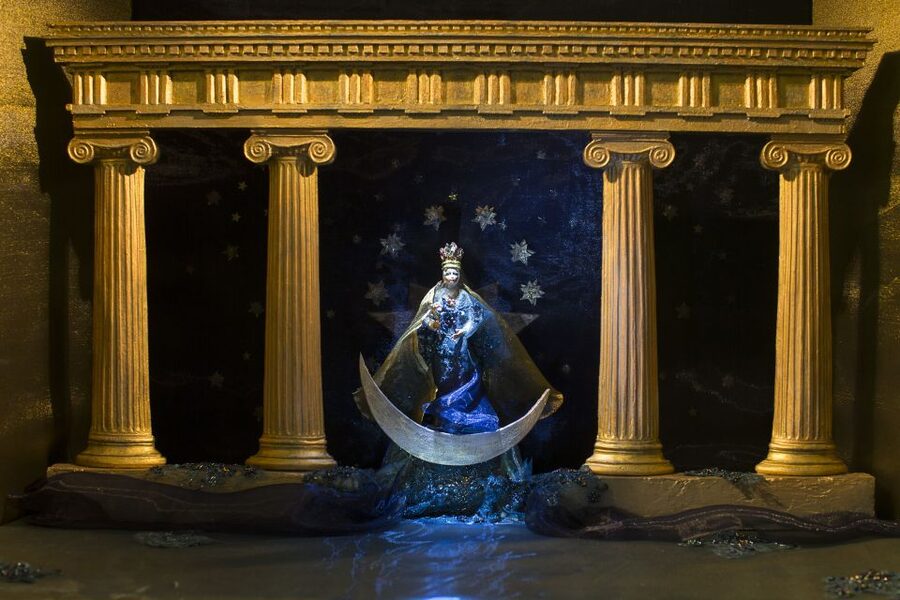
The ticket is valid for one day, but this is an admission period rather than a scheduled, full-day tour. You can visit within the available opening time and take the experience at your own speed.
The exact amount of time depends on how closely you listen. A Mozart enthusiast who reads every panel may need much longer than someone making a brief stop. Allow enough time to hear the sections that interest you without rushing from room to room.
I would recommend it most strongly to:
- Mozart fans who want a physical connection to his Vienna years
- Classical music listeners who enjoy background and historical detail
- Families using the children’s audio guide
- Visitors who prefer independent museums to guided groups
- Anyone pairing it with Haus der Musik for a wider music theme
Casual visitors should think about their interests first. If you mainly want visual displays, original furniture, or lively hands-on activities, this may feel too quiet and text-heavy. If you are willing to listen and read, the visit becomes much more rewarding.
The small-group designation, limited to 10 participants, does not turn this into a personal tour with a named guide. The experience remains largely self-guided. That is good for flexibility, but you should not arrive expecting a host to lead you from room to room.
Adding Haus der Musik for a full music day
The optional Mozart & More combination adds admission to Haus der Musik. This is a different kind of museum, located in a historic palace in Vienna’s city center and spread across four floors.
Mozarthaus gives you a focused look at one composer, one apartment, and one period. Haus der Musik takes a broader and more playful approach to sound and music. Its exhibits invite you to try making music and explore musical ideas through interactive displays.
The pairing makes sense because the two museums fill different gaps. After reading about Mozart’s work and Vienna life, you can move to a museum built around participation and sound. If you are traveling with children, the second venue may provide the movement and hands-on activity that Mozarthaus lacks.
The combo is less useful if you only want to see Mozart’s residence. In that case, the single admission keeps your plan simpler. Choose the add-on when you have enough time and a genuine interest in music beyond Mozart.
Price, flexibility, and practical details
At about $18 per person, the standard ticket is reasonably priced for a central Vienna museum, especially because admission includes the audio guide, cloakroom, and changing special exhibition. The value depends on how much of the audio and display material you use.
I would not call it a bargain for someone who plans to glance around for 20 minutes. The apartment is not large, and the lack of furnishings means the physical space alone does not fill a long visit. It becomes better value when you listen carefully and take time with the three exhibition levels.
The special exhibition changes each year and is included in admission. That gives repeat visitors a reason to return, though the exact theme and contents depend on the year of your visit.
The museum is wheelchair accessible. Bring a passport or identity card, and bring a student card if you plan to use student status. A cloakroom is included, but food and drinks are not.
You can cancel up to 24 hours before the visit for a full refund, and reserve now while paying later. Those terms are useful when your Vienna schedule is still shifting.
Photography and video recording are not allowed inside. This may frustrate you if you like documenting museum rooms, but it also keeps the visit quieter and protects displayed material. Plan to enjoy the rooms without relying on photographs.
Common frustrations and how to avoid them
The biggest issue is expectation. Call it Mozart’s preserved apartment, but do not picture a complete period interior. You will see the historic rooms, yet many objects are absent or not original.
The second issue is seating. Much of the audio experience involves standing, and some sections take time to finish. If you need regular rests, move slowly and look for available seats rather than trying to complete every recording in one stretch.
Noise can also affect concentration when other groups pass through. Headphones help, though they cannot remove every distraction.
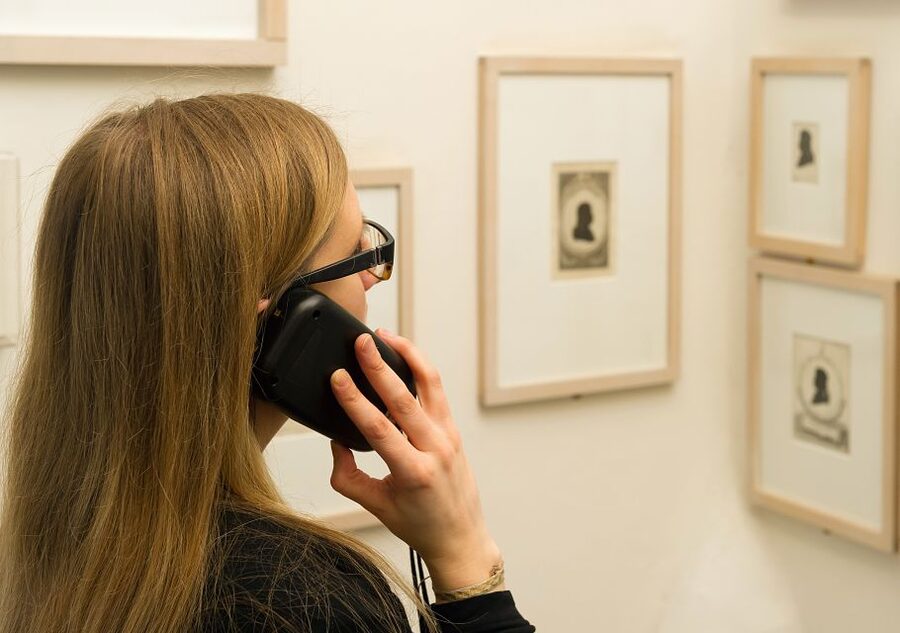
Finally, check how the audio is supplied when you book. The advertised audio guide is included, but some visitors have received access through their own phone rather than a separate handheld device. Carry headphones and make sure your phone is ready.
Should you book Mozarthaus Vienna?
Book it if you want to understand Mozart’s Vienna years, stand in his only preserved Vienna apartment, and connect the rooms with works such as The Marriage of Figaro. The audio guide, many language choices, and self-paced format make it easy to shape the visit around your interests.
Skip it if you need a highly interactive museum, a furnished apartment, or a large collection of personal Mozart objects. In that case, the experience may feel too dependent on text and recorded information.
For most music lovers, the $18 ticket is a sensible Vienna stop. Add Haus der Musik if you want a second, more hands-on music museum. Bring headphones, allow time to listen, and enter with the right idea: this is a thoughtful museum about Mozart’s life and work in Vienna, not a theatrical reconstruction of his home.
FAQ
What does the Mozarthaus Vienna ticket include?
It includes admission to Mozarthaus Vienna, the audio guide, and cloakroom access. Haus der Musik admission is included only if you select the combo option.
Is the audio guide included?
Yes. An adult audio guide is included in 13 languages, and a children’s audio guide is available in eight languages.
Which languages are available for the audio guide?
The listed languages are English, German, Slovak, Spanish, French, Hungarian, Italian, Polish, Russian, Chinese, Czech, Japanese, and Korean.
Can children use an audio guide?
Yes. A children’s audio guide is available in eight languages, making the visit suitable for families.
Is photography allowed inside Mozarthaus Vienna?
No. Photography and video recording are not allowed inside.
Is the museum wheelchair accessible?
Yes. Mozarthaus Vienna is wheelchair accessible.
Can I cancel the booking?
You can cancel up to 24 hours in advance for a full refund. Reserve now and pay later is also available.
Latest audio tours in the world
- San Sebastian Scavenger Hunt & Highlights Self Guided Audio Tour★ 4.0 · 7 reviews
- San Marino’s Three Towers: An Audio Tour of the Ancient Republic★ 5.0 · 2 reviews
- San Marino Walking Tour with Audio and Written Guide★ 4.5 · 5 reviews
- Sampling San Sebastián’s History: A Self Guided Audio Tour★ 4.5 · 5 reviews
- Talking Buildings of Old San Juan: A Self-Guided Audio Tour★ 3.5 · 18 reviews
- San Marino: A Self Guided Audio Tour★ 4.5 · 14 reviews
- Essential Downtown SLO: A Self-Guided Audio Tour★ 4.5 · 27 reviews
- Silicon Valley Self-Guided Driving Audio Tour for Tech Lovers★ 4.0 · 24 reviews
Vienna Audio Tours, compared.
New Hofburg Palace Audio-Guided Tour & Entry Ticket
Read our review →
Vienna Walking Tour with Audioguide on Your Smartphone
Read our review →
Browse the lists this tour appears in