Reviewed · ITALY
Tivoli: Villa D’Este Entry Ticket and App Audio Guide
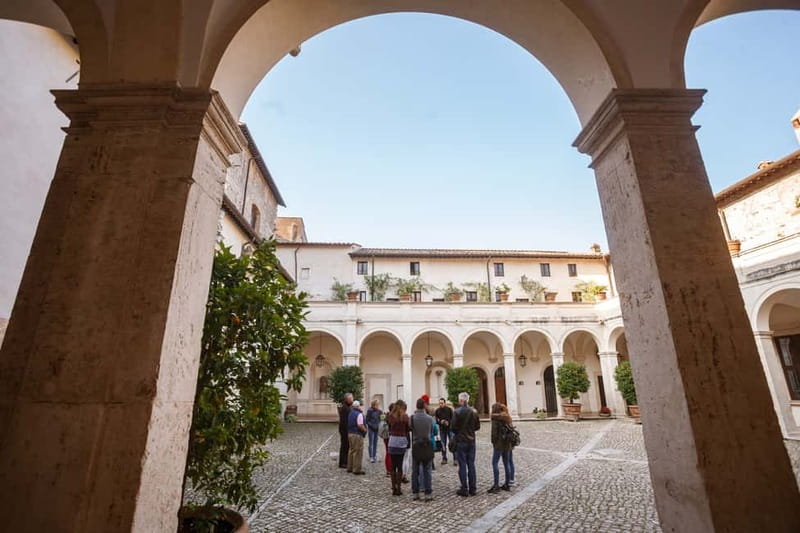
Villa d’Este is the kind of place where water does most of the talking. Fountains tumble down the hillside, grottoes hide among the gardens, and one remarkable organ creates sound effects powered by water. You enter a UNESCO World Heritage Site, then explore it at your own pace rather than follow a guide waving a flag.
I like the freedom of the self-guided format, especially because the gardens reward slow wandering and repeated stops. I also like the price: at $23, you get the grounds, palace, and smartphone audio guide in one visit, with no need to pay for a private tour.
The main drawback is simple: you will not have a live guide to explain the details or answer questions. The complex also has vending machines rather than a proper cafe, so bring water and plan your refreshment stop before or after your visit.
Key points to know before you go
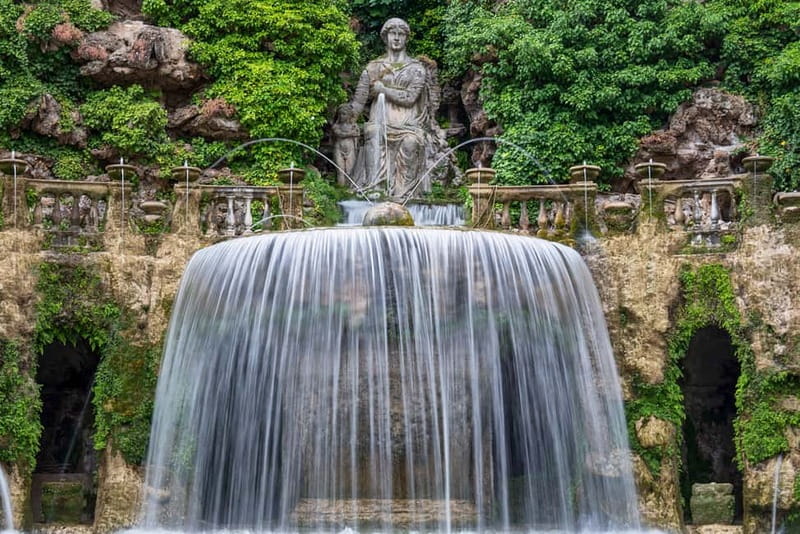
- Water-powered music: Listen for the organ that creates audible effects through flowing water.
- A 16th-century garden masterpiece: Pirro Ligorio designed the complex over more than 20 years.
- More than gardens: Your visit also includes the palace built for Ippolito II d’Este, with rooms painted by famous artists.
- A calm break from Rome: The fountains, flowers, and quieter paths offer a peaceful change of pace.
- Flexible one-day admission: Use the ticket on the selected date, with the smartphone audio guide available during your visit.
- Simple entry process: Exchange your voucher at the Villa d’Este ticket office, then pass through security.
Why Villa d’Este is worth the trip to Tivoli
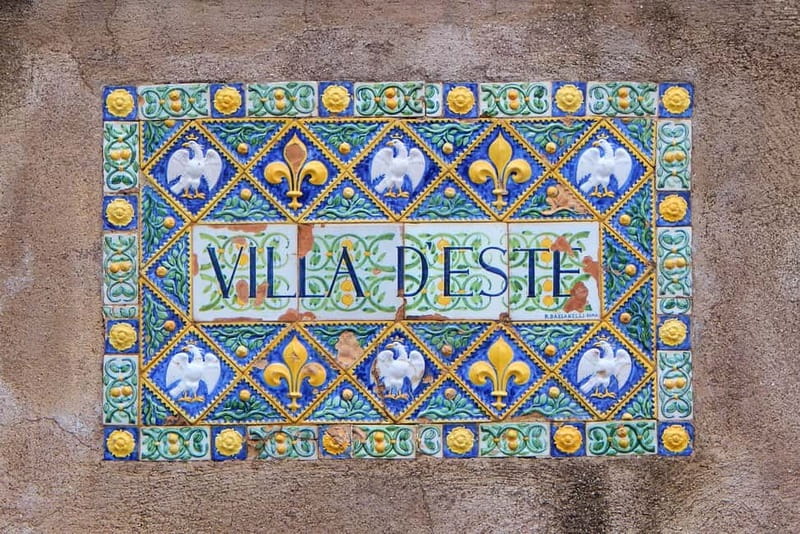
Villa d’Este gives you two very different experiences in one place. Inside the palace, you see the formal world of a Renaissance residence. Outside, the gardens turn water, stone, plants, and sound into a grand work of art.
That contrast is what makes the visit memorable. You can look at painted rooms for a while, then step outdoors and hear water rushing through the grounds. The garden is not just decoration around the villa. It is the main event.
I especially like that the ticket does not force you into a set route or timetable. You can pause at a fountain, follow the sound of water, or spend more time in the palace if the weather turns hot. The digital audio guide gives you some context without turning the visit into a group exercise.
The setting also gives you a slower experience than the main sights of Rome. The gardens are not silent, but running water softens the noise. That makes Villa d’Este a good choice if you want a few hours of beauty and calm during a busy Italy itinerary.
More Audio Tours in Italy
- Rome: Pantheon Fast-Track Ticket and Official Audioguide
★ 4.5 · 27,353 reviews - Rome: Colosseum & Forum with Audio Guide App -Optional Arena
★ 4.2 · 24,770 reviews - Florence: Timed Entry to Michelangelo’s David + Audio App
★ 4.6 · 19,496 reviews
The palace built for Ippolito II d’Este
Begin with the palace if you want historical context before entering the gardens. Villa d’Este was built for Ippolito II d’Este, and its rooms were decorated by famous artists.
The palace helps explain the ambition behind the gardens. This was not a modest country retreat. It was a carefully planned residence designed to impress, with art and architecture working together.
I would not rush through the interior, but I also would not spend your entire visit indoors. The strongest experience comes from seeing the palace first and then noticing how its formal style continues outside in the fountains, terraces, and grottoes.
The audio guide is useful here because the visual details may not explain themselves. Since you use it on your own smartphone, check that your phone is charged before entering. You are not joining a live tour, so the amount of information you receive depends on how closely you follow the guide.
Pirro Ligorio’s fountains and terraces
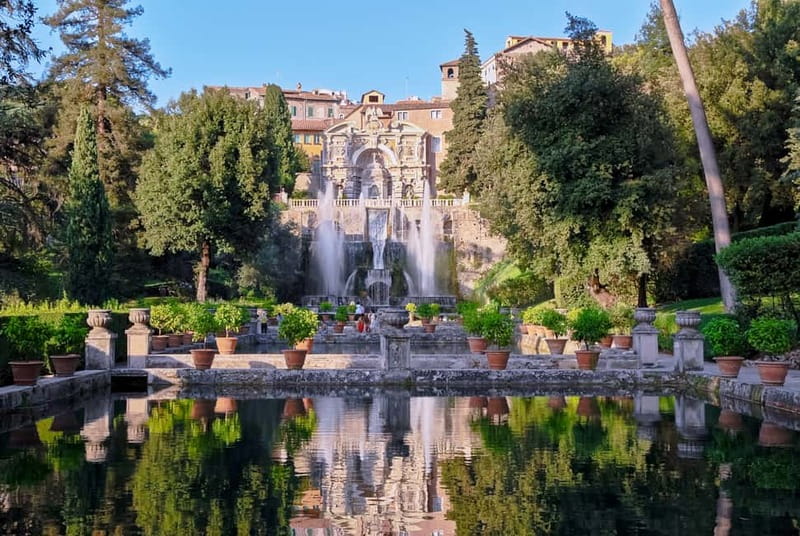
Italian architect Pirro Ligorio designed the complex, and construction took more than 20 years. That long process makes sense once you see the scale of the grounds. This is a garden built around movement, height, and water.
As you walk, you can expect fountains, grottoes, flowers, and water lilies rather than one single showpiece. The gardens unfold in layers, so the pleasure comes from moving between them and noticing how each section uses water in a different way.
Some fountains create a sense of theater. Others feel tucked away and quiet. Grottoes add darker, cooler spaces among the brighter open areas. Water lilies and other plant life soften the stonework and keep the garden from feeling like a collection of monuments.
I like this design because it gives you choices. You can focus on architecture, stop for photographs, listen to the water, or simply walk without trying to identify every feature. The ticket works well for that kind of flexible visit.
Wear sensible shoes. The supplied information confirms wheelchair accessibility, but a large historic garden with multiple sections can still require careful pacing. If you have mobility concerns, take your time and ask at the entrance for current access guidance.
The water organ and the sound of the garden
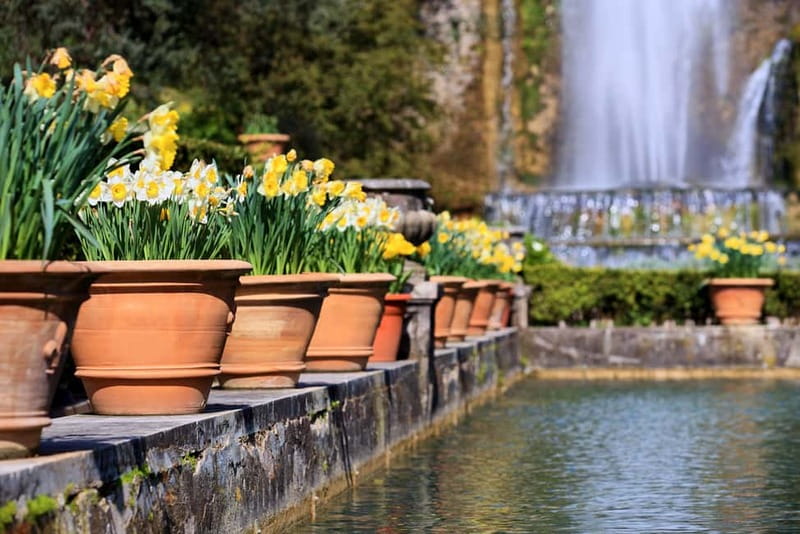
The water-powered organ is one of Villa d’Este’s most unusual details. It produces audible effects through the movement of water, turning the garden into a kind of outdoor instrument.
This feature is easy to appreciate even if you know little about Renaissance engineering. You do not need a technical lecture to understand the charm of an organ that works because water is flowing through the garden. The audio guide can add useful context, while the sound itself gives you something to listen for as you explore.
Keep in mind that a water feature is not like a scheduled stage performance unless the current operating arrangements say otherwise. The available information describes an organ that produces sound effects through water, but it does not provide a performance timetable. If hearing it is a top priority, check the day’s details locally.
The organ also shows why Villa d’Este feels different from an ordinary palace garden. Here, the garden appeals to your eyes and ears at the same time.
Another self-paced route in Italy:
- Rome: City Sightseeing Hop-on Hop-off Bus with Audioguide
★ 4.0 · 16,045 reviews - Pompeii: Entry Ticket with Audio Guide
★ 4.1 · 13,491 reviews - Venice: La Fenice Opera House Entry Ticket with Audio Guide
★ 4.6 · 11,742 reviews - Rome: Colosseum, Forum, Palatine Hill Entry & Audioguide App
★ 4.4 · 10,957 reviews
A peaceful place for a reset
The gardens have a soothing quality that comes from the steady sound of running water and the amount of natural life around the fountains. Flowers, water lilies, grottoes, and shaded corners give you plenty to notice without demanding constant movement.
I would plan this visit for a day when you can slow down. You can see the main features fairly efficiently, but the experience improves when you leave room for pauses. Sit when you find a suitable place, listen to the fountains, and let the garden do some of the work.
This calm atmosphere is a major reason to choose Villa d’Este instead of filling every hour with museums and crowded squares. The gardens offer a chance to recover from a busy sightseeing schedule.
Families can enjoy the visit, too. The fountains and unusual water features give children something concrete to look at, while the open garden setting offers more variety than a palace made up only of rooms and paintings. Just keep an eye on younger children around water and uneven historic areas.
How the smartphone audio guide changes the visit
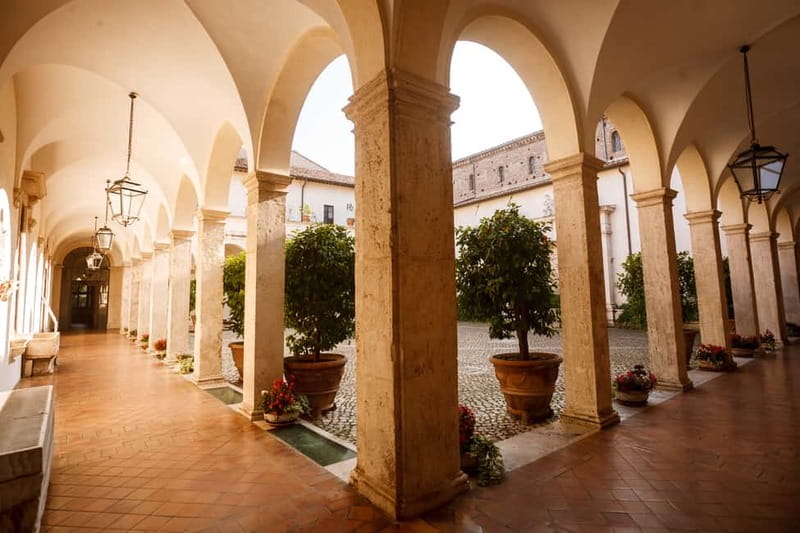
The digital audio guide gives you information without tying you to a group. You can move at your own pace, pause the commentary, and spend longer at the places that interest you most.
That flexibility is valuable in a garden. A live group tour may move on just as you find a favorite fountain, while a self-guided visit lets you stay. You can also shorten the commentary if you prefer to experience the place through your own eyes and ears.
The tradeoff is the lack of personal contact. There is no tour guide included, and the supplied information does not name a guide. If you want detailed answers about the architecture, art, or water system, you will need to rely on the audio content and the information available on site.
Bring your own smartphone and make sure it is ready for use. The ticket includes the digital audio guide, not a separate device or live guide. A portable battery can be useful for any phone-based activity, although no battery service is specified at the villa.
The digital postcard is a nice extra

The experience includes a Pemcard digital photo that you can send as a real postcard anywhere in the world. It is a small feature, but it gives you a more personal souvenir than another photo left in your camera roll.
You can use a fountain, garden view, or palace detail as the image. The practical details of the postcard process are not specified, so follow the instructions provided during your visit. Do not treat it as the main reason to book, but it is a pleasant way to share the visit with family or friends.
For many people, Villa d’Este is already a highly visual stop. The postcard simply gives that visit a physical afterlife.
Is $23 good value?
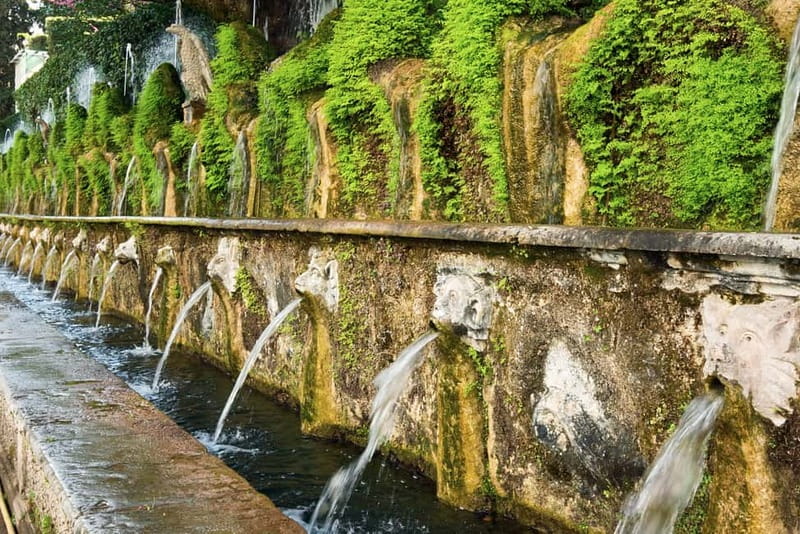
At $23 per person, the ticket offers solid value if you plan to see both the palace and gardens. You are paying for entry to a UNESCO World Heritage Site, the full complex, and a digital audio guide rather than admission to a single room or viewpoint.
The price is especially reasonable for independent visitors who do not need a private guide. You avoid the extra cost of arranging a separate walking tour, yet you still receive background information through the app.
Value depends on how much time you give the visit. If you rush through the gardens, take a few pictures, and leave, the ticket may feel less rewarding. If you explore the fountains, listen for the water organ, visit the palace, and take breaks, the admission becomes a good use of several hours.
The one weakness is the limited refreshment setup. You should not count on a full cafe where you can sit down for food and a drink while looking over the gardens. Vending machines are available in a bland corner of a room, so plan accordingly.
Entry, timing, and practical planning
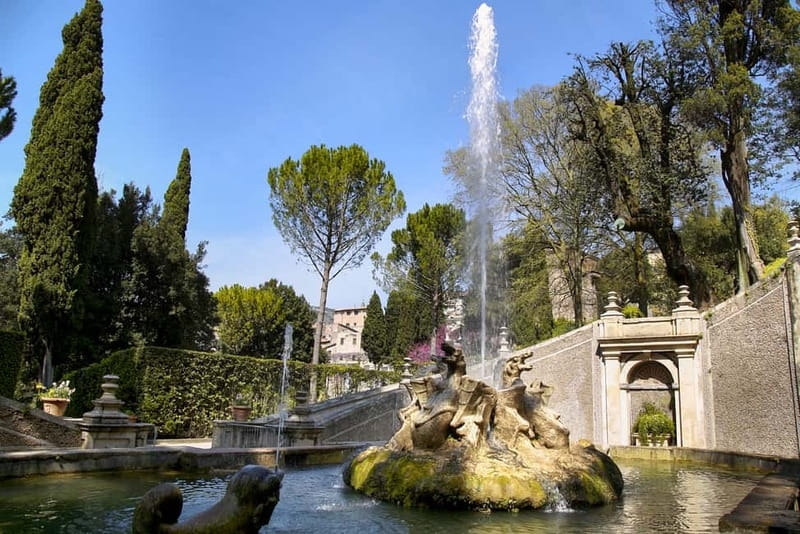
You begin by exchanging your voucher at the Villa d’Este ticket office. You will then pass through a security check before entering, so allow a little extra time rather than arriving at the last minute.
The ticket is valid for one day. The activity information says to check availability for starting times, and last entry is 45 minutes before closing. That cutoff matters because the site is large enough that entering near closing could leave you with too little time.
The villa has a special late opening until 10:45 PM on August 14 and 15. Those dates may offer a different atmosphere, but you should still confirm the available entry time when booking.
Bring an ID card. A copy is accepted, which is useful if you prefer to carry a photocopy rather than your original document.
The site is wheelchair accessible. Since this is a historic complex with gardens, fountains, and multiple areas, access may vary by section. Ask at the ticket office if you need the most practical route through the grounds.
The experience has free cancellation up to 24 hours before the scheduled visit for a full refund. You can also reserve now and pay later, which helps if your Italy plans are still shifting.
Who will enjoy Villa d’Este most?
I would recommend this visit to you if you like gardens, architecture, historic interiors, fountains, or quiet places where you can set your own pace. It also suits families because the water features and flowers provide plenty of visual interest.
It is a good match for independent sightseers who prefer an audio guide to a scheduled group. You can make the visit short or linger longer, depending on the rest of your day.
Couples may appreciate the peaceful setting, especially if you want a scenic place away from the busiest parts of Rome. The fountains and terraces create plenty of memorable views without needing a formal activity.
You may want another option if you need a live expert to answer questions, or if you are mainly interested in food and cafe time. The absence of a tour guide and full-service cafe are the two clearest limitations.
Should you book this Villa d’Este ticket?
I would book it if you want a flexible visit to one of Italy’s great formal gardens and you are comfortable using your phone for the commentary. The combination of fountains, grottoes, flowers, palace rooms, and a water-powered organ gives you more variety than a standard garden admission.
Choose an earlier entry if you want time to explore without watching the closing clock. Bring your ID, charge your phone, and carry water or arrange refreshments outside the complex.
At $23, this is a sensible choice for a self-guided visit, especially if you value freedom more than personal commentary. Skip it only if you need a live guide or expect a full cafe experience on site.
FAQ
What does the Villa d’Este ticket include?
The ticket includes entry to Villa d’Este and a digital audio guide used on your smartphone.
Is a live tour guide included?
No. The activity includes a smartphone audio guide, but not a live tour guide.
How much does admission cost?
The listed price is $23 per person.
How long is the ticket valid?
The ticket is valid for one day.
Where do I begin the visit?
You begin by exchanging your voucher at the Villa d’Este ticket office.
Do I need identification?
Yes. You need an ID card, and a copy is accepted.
Is there a security check?
Yes. You must pass through a security check before entering the attraction.
What time is the last entry?
Last entry is 45 minutes before closing time.
Is Villa d’Este wheelchair accessible?
Yes. The activity is listed as wheelchair accessible.
Can I cancel for a refund?
Yes. You can cancel up to 24 hours in advance for a full refund.
Latest audio tours in Italy
- Orgosolo Multilingual Audioguide★ 4.5 · 42 reviews
- Pantheon Skip the Line Entry Tickets with Digital Audio Guide★ 3.5 · 52 reviews
- St. Peter’s Basilica: Dome Climb with Lift & Audioguide★ 4.5 · 13 reviews
- Audio guide in Vatican Museums and Sistine Chapel★ 4.5 · 12 reviews
- Trastevere: A Self-guided Audio Tour of Rome’s Medieval Village★ 4.5 · 3 reviews
- The Roman Jewish Ghetto: A Self-Guided Audio Tour★ 4.0 · 8 reviews
- Experience: The Pantheon Audio Tour★ 4.5 · 4 reviews
- Navova square underground with audioguide★ 4.5 · 17 reviews
Italy Audio Tours, compared.

Pantheon Fast-Track Ticket and Official Audioguide
Read our review →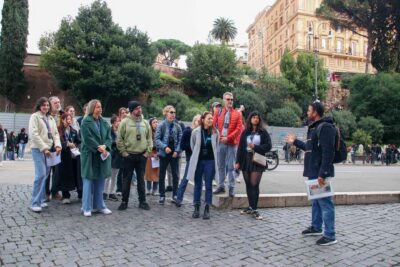
Colosseum & Forum with Audio Guide App -Optional Arena
Read our review →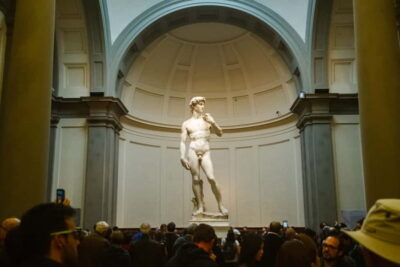
Timed Entry to Michelangelo’s David + Audio App
Read our review →
City Sightseeing Hop-on Hop-off Bus with Audioguide
Read our review →

La Fenice Opera House Entry Ticket with Audio Guide
Read our review →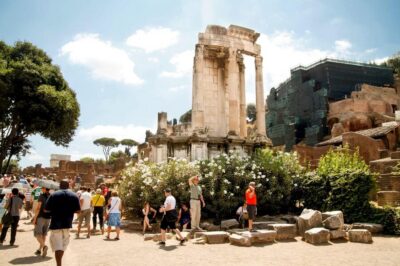
Colosseum, Forum, Palatine Hill Entry & Audioguide App
Read our review →