
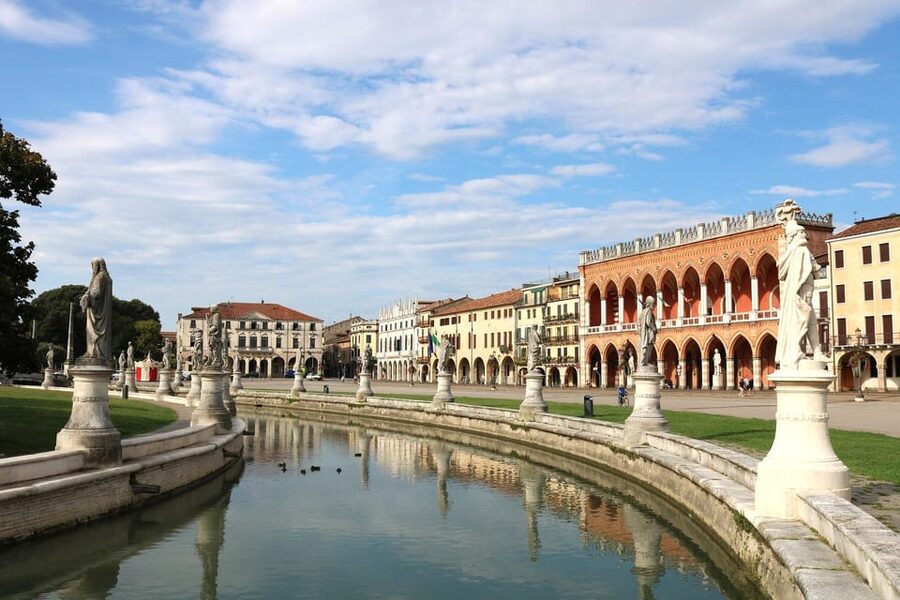
Reviewed · ITALY
Padua: Scrovegni Chapel Ticket and Audio Guide
Giotto’s Scrovegni Chapel is the reason to book this experience. Inside, an entire cycle of 14th-century frescoes covers the chapel, with intense color and a sense of artistic change that helped reshape Western painting. The visit is short, but the art is not slight. You need to look up, slow down, and let the room do its work.
I like the timed admission and the small group limit of 10. I also like that the seven-track audio guide adds some Padua context, including the university and Erbe Square, instead of focusing only on the chapel. The main drawback is value: at $36, the package can feel expensive if you mainly want entry, especially since some visitors found the audio guide unnecessary and had trouble getting their tickets recognized.
Key points to know before booking
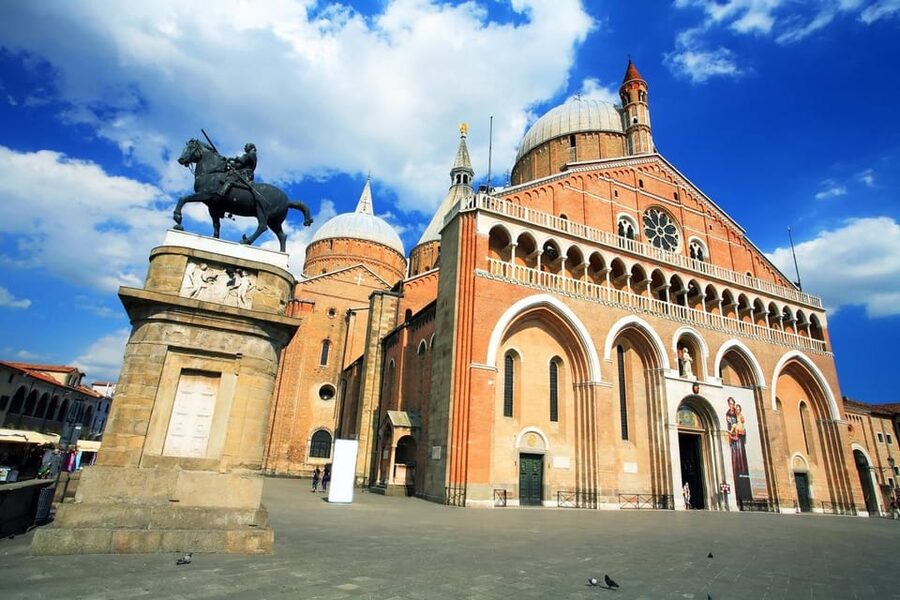
- Giotto’s complete chapel cycle: See the famous frescoes commissioned by Enrico Scrovegni and dedicated to Santa Maria della Carità.
- UNESCO recognition: The chapel joined the 2021 UNESCO listing for Padua’s 14th-century fresco cycles.
- Seven audio tracks: The audio guide covers the chapel, the University of Padua, and Erbe Square.
- A tightly timed visit: The experience lasts 30 minutes, so arrive at least 20 minutes before entry.
- Small group access: The group is limited to 10 people, with skip-the-ticket-line entry.
- Strict protection rules: Large bags, luggage, and flash photography are not allowed, and no photography is permitted inside.
Why the Scrovegni Chapel deserves your time
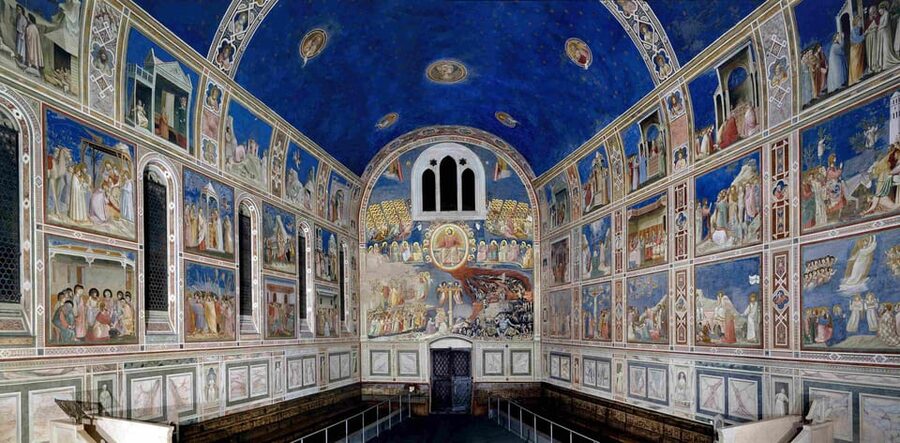
Padua has plenty to see, but the Scrovegni Chapel gives you a concentrated encounter with one artist and one artistic breakthrough. Giotto, a Tuscan painter, created the cycle in the early 14th century, when painting was beginning to move away from flatter, more formal traditions toward stronger emotion and clearer human action.
You do not need to be an art specialist to appreciate the room. The first thing that reaches you is the color. The frescoes are known for their intense coloring, and the effect is especially strong because the cycle fills the chapel rather than appearing as a single isolated painting.
The chapel is known by the surname of its patron, Enrico Scrovegni. It was dedicated to Santa Maria della Carità, and its importance now reaches well beyond Padua. In 2021, it became part of the UNESCO World Heritage listing called The frescoed cycles of the 14th century in Padua.
That UNESCO status is useful context, but it should not be the only reason you go. The real value is standing in a room where the art is presented as a complete visual program. You can see how the frescoes relate to one another, rather than judging Giotto from a single image in a museum.
More Church Audio Tours in Italy
- Rome: St. Peter’s Basilica & Dome Entry Ticket & Audio Tour
★ 4.2 · 7,537 reviews - Florence: Cathedral & Brunelleschi’s Dome Ticket & Audio App
★ 4.4 · 6,973 reviews - Vatican & Sistine Chapel Ticket with Optional Audio Guide
★ 4.1 · 5,405 reviews
Entering the chapel and meeting Giotto’s frescoes
The meeting point is at the entrance to Cappella degli Scrovegni. This is not a wandering, open-ended museum visit. Your admission is tied to a scheduled entry, and you should arrive at least 20 minutes early. That extra time matters because the tickets are sent the day before, and there has been at least one report of difficulty getting tickets recognized at the entrance.
Once inside, your attention belongs to the fresco cycle. The 30-minute duration keeps the visit focused, but it also means you should not expect a long guided lecture or hours to study every detail. You will have enough time for a meaningful look if you use it well.
I suggest first taking in the chapel as a whole. Notice the repeated color, the order of the scenes, and the way Giotto’s work fills the room. Then use the audio guide to return your attention to specific parts of the cycle. Trying to listen closely while staring at every painted detail can become a small battle, so it is fine to pause the audio and simply look.
The chapel is famous for the revolution Giotto brought to Western art. The supplied material does not promise a live art historian or a personal guide, so you should think of this as a timed admission with commentary, not a full private tour. That distinction helps set a fair expectation.
What the seven audio tracks add
The audio guide contains seven tracks. The chapel receives the obvious focus, but the guide also includes information about the University of Padua and Erbe Square. That wider scope makes sense if you are using the visit to get your bearings in the city.
The audio content is likely most useful if Padua is new to you or if you want a short introduction before exploring on your own. It gives the chapel a city setting rather than treating it as an isolated art stop. You can listen to the material about the university and Erbe Square before or after the chapel, depending on how the tracks are arranged when you receive access.
The key question is how much guidance you want. The audio guide is included, but one recent assessment found it almost useless because a video before entry already explained the main points. Another visitor reported that the audio guide was missing altogether. Those are important warnings, particularly because the price is higher than a basic admission ticket.
If the audio guide is central to your decision, confirm that it is available when you receive your ticket information. I would also keep your phone or booking details ready and allow extra time at the entrance. The chapel itself is the main event, so the visit still has value if the commentary is brief, but the package becomes harder to justify at full price when the audio component does not work.
The practical rhythm of a 30-minute visit
A 30-minute experience suits a short Padua stop. You can fit it into a day that also includes the city center, and the ticket’s timed structure keeps you from wasting time waiting in a general line. The small group limit of 10 should make the arrival process less crowded than a large coach outing.
The short duration has a downside. You cannot treat the chapel like a place to wander back and forth for half a day. If you want to study art closely, do some preparation before you arrive. Even a quick look at Giotto and the chapel’s basic story will help you spend your half hour looking rather than trying to understand the setting from scratch.
The visit is not suitable for wheelchair users, according to the supplied access information. Large bags and luggage are not allowed, so do not arrive with a suitcase expecting to carry it inside. Comfortable shoes are recommended, though the visit is short enough that footwear should not be a major concern for most people.
Photography is not allowed inside the chapel, and flash photography is specifically prohibited. This rule protects the frescoes, but it also means you should not plan on recording every scene for later. Take a final look before leaving, and let the memory be more than a phone image.
Another self-paced route in Italy:
- Rome: Pantheon Fast-Track Ticket and Official Audioguide
★ 4.5 · 27,353 reviews - Rome: Colosseum & Forum with Audio Guide App -Optional Arena
★ 4.2 · 24,770 reviews - Florence: Timed Entry to Michelangelo’s David + Audio App
★ 4.6 · 19,496 reviews - Rome: City Sightseeing Hop-on Hop-off Bus with Audioguide
★ 4.0 · 16,045 reviews
Is $36 a fair price?
At $36 per person, this is not the cheapest way to see the Scrovegni Chapel. The price includes admission, the audio guide, skip-the-ticket-line entry, and a small group capped at 10. It also buys some planning security, since advance booking is required and admission is limited.
That convenience can be worthwhile during a busy visit to Padua. You know you have a scheduled place, and you avoid turning up without a reservation. The ability to cancel up to 24 hours in advance and reserve now while paying later also gives you some flexibility.
Still, the value depends heavily on the audio guide and ticket handling. One person felt the package cost twice as much as buying directly. Another specifically recommended booking through the official Padova Musei Civici channels. You should compare the direct price before paying, especially if your dates are fixed and you do not need the extra booking platform flexibility.
I would pay the $36 if the official option is unavailable, if the convenience of a ready-made reservation matters, or if you value the seven-track city introduction. I would hesitate if you only want chapel entry and already plan to explore Padua independently. The frescoes are exceptional, but the art itself does not become better because the booking costs more.
What the strongest praise tells you
The most consistent positive point is the chapel itself. A perfect organization rating from one visitor and a very positive overall experience from another suggest that the basic visit can run smoothly when the ticket is accepted and the arrangements work as intended.
That is worth separating from the package extras. The chapel does not need sales language to make its case. Its scale, intense color, and connection to Giotto’s artistic change are enough. The real risk is not a disappointing artwork. It is paying for an audio guide that adds little, or arriving with a ticket issue that creates stress before your timed entry.
I would treat the experience as a strong art visit with a mixed-value booking service. That is a more useful way to think about it than calling the entire experience good or bad. If your priority is seeing Giotto, reserve a timed entry from a reliable source. If your priority is getting the lowest price, check the official Padua museum channel first.
Who should book this experience?
This visit is a good fit for you if you want a short, focused art stop and do not want to risk arriving in Padua without a reservation. It also suits first-time visitors who like having basic city information delivered by audio rather than reading a guidebook before arrival.
It works well for people combining the chapel with other Padua sights. The audio tracks on the university and Erbe Square may help you decide what to see next, although no transport, food, hotel pickup, or drop-off is included.
Art lovers should appreciate the chance to see Giotto’s work in its original setting. You will get more from it if you are prepared to follow a timed visit and leave your camera and large bag behind. The short format is less suitable if you want a slow, highly detailed art lesson.
I would not choose this package if you need wheelchair access, are carrying luggage, or expect a personal guide with detailed answers. The provided experience is an audio-guided admission, not a long private tour.
Booking and arrival advice
Book ahead. Entry is limited, and advance reservation is required. Your entrance tickets are sent the day before the visit, so check your email and booking details before leaving for the chapel.
Plan to be at the entrance 20 minutes before your scheduled entry. That buffer gives you time to find Cappella degli Scrovegni, deal with ticket recognition, and settle in without rushing. Since there is no hotel pickup or drop-off, you are responsible for reaching the meeting point.
Leave large bags and luggage elsewhere. Do not count on taking photographs inside, and do not bring a flash. Comfortable shoes are sensible, but the more important preparation is arriving early with your ticket information ready.
If your plans change, cancellation is available up to 24 hours in advance for a full refund. The reserve-now, pay-later option can also help if you are still arranging a multi-city Italy itinerary.
Should you book the Scrovegni Chapel ticket?
Book it if seeing Giotto’s frescoes is a priority and you want a timed reservation with a short audio introduction to Padua. The chapel is the clear star, and its UNESCO status, intense color, and complete fresco cycle make it one of the city’s essential art stops.
Before paying $36, compare the direct official Padova Musei Civici option. The package is easier to justify when it offers a working audio guide and smooth ticket entry. If the official channel costs less and you can manage the reservation yourself, that may be the better buy.
FAQ
How long does the Scrovegni Chapel experience last?
The experience lasts 30 minutes.
What is included in the ticket?
Admission to the Scrovegni Chapel and an audio guide are included.
How many audio tracks are provided?
The audio guide contains seven tracks covering the Scrovegni Chapel, the University of Padua, and Erbe Square.
When should I arrive?
You should arrive at the venue at least 20 minutes before your scheduled entry.
Can I take photographs inside the chapel?
No. Photography is not allowed inside the chapel, including flash photography.
Can I bring luggage or a large bag?
No. Luggage and large bags are not allowed. The experience is also not suitable for wheelchair users.
Latest audio tours in Italy
- Orgosolo Multilingual Audioguide★ 4.5 · 42 reviews
- Pantheon Skip the Line Entry Tickets with Digital Audio Guide★ 3.5 · 52 reviews
- St. Peter’s Basilica: Dome Climb with Lift & Audioguide★ 4.5 · 13 reviews
- Audio guide in Vatican Museums and Sistine Chapel★ 4.5 · 12 reviews
- The Roman Jewish Ghetto: A Self-Guided Audio Tour★ 4.0 · 8 reviews
- Experience: The Pantheon Audio Tour★ 4.5 · 4 reviews
- Trastevere: A Self-guided Audio Tour of Rome’s Medieval Village★ 4.5 · 3 reviews
- Navova square underground with audioguide★ 4.5 · 17 reviews
Church & Cathedral Audio Tours, compared.
St. Peter’s Basilica & Dome Entry Ticket & Audio Tour
Read our review →
Basilica Cistern Fast-Track Entry and Audio Guide
Read our review →
Cathedral & Brunelleschi’s Dome Ticket & Audio App
Read our review →
Vatican & Sistine Chapel Ticket with Optional Audio Guide
Read our review →
St. Mark Basilica Ticket, Audioguide+History Gallery
Read our review →
Skip the Line: Vatican & Sistine Chapel Ticket with Audio Guide
Read our review →
St. Peter’s Basilica with Optional Dome Ticket & Audioguide
Read our review →
Browse the lists this tour appears in