
Reviewed · SPAIN
Fortaleza de la Mota Entrance Ticket with Audio Guide
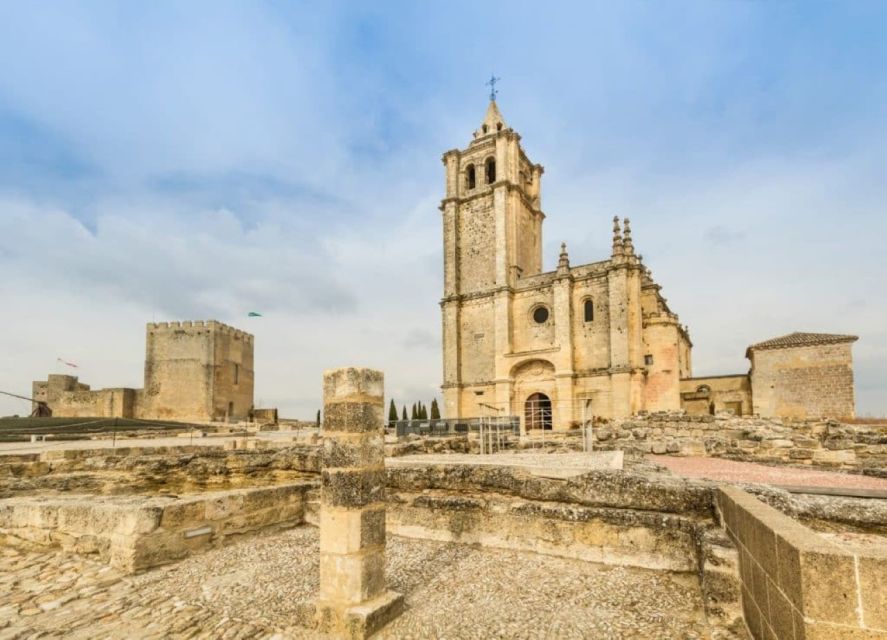
La Fortaleza de la Mota is not just a castle with a few surviving walls. It is a fortified medieval city, with gates, streets, houses, religious buildings, storage spaces, and defensive towers spread across the hilltop complex. The audio guide helps you make sense of that larger story as you move through it.
I like two things here: the low $9 price, which covers both admission and the audio guide, and the freedom to explore at your own pace rather than follow a fixed live tour. The projected presentation inside the Iglesia Mayor Abacial also gives the visit a useful thread, especially if you do not already know Alcala la Real’s border history.
The main caution is practical. The audio guide requires an app download, and that extra step can get in the way of an otherwise simple visit. The fortress is also not suitable for people with mobility impairments, so its walls, stairs, and uneven historic spaces deserve serious thought before booking.
Key points to know before entering
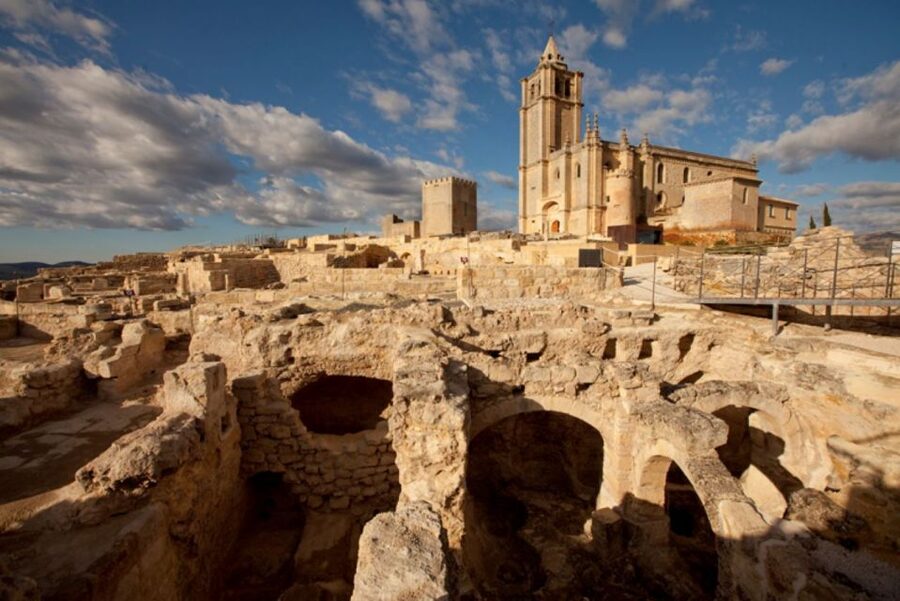
- A whole medieval settlement: You explore more than one tower, including streets, houses, wineries, gates, and the Alcazaba.
- A self-guided visit: Your ticket comes with a map and audio guide, so you can set your own pace.
- Five audio languages: The guide is available in English, Spanish, French, German, and Italian.
- A scheduled film inside the church: The Iglesia Mayor Abacial includes an educational audiovisual presentation shown at set times.
- Good value at $9: Admission, the map, and the audio guide are included in the price.
- Plan for physical effort: The complex is not suitable for people with mobility impairments, and food and pets are not allowed.
Why La Fortaleza de la Mota feels different from a normal castle visit
The key to this experience is scale. La Fortaleza de la Mota was a fortified city and a strategic guard point for the kingdoms of Castile. Its border position shaped everything: the heavy gates, the defensive walls, the elevated setting, and the compact urban plan inside.
I find that distinction important. At many castles, you see a keep, a courtyard, and perhaps a chapel. Here, you can follow the structure of an old community. The urban framework tells you how people lived within a place built first for protection. You can pass through strategic doors, walk along the adarve, inspect the Alcazaba, and enter spaces tied to daily life and storage.
The visit is designed for independent exploration. You receive a descriptive map and a free audio guide, allowing you to pause, replay information, or move on when a particular room does not hold your interest. That works well for people who prefer a quiet visit instead of a guide setting the pace.
It also means you need to take some responsibility for the experience. There is no detailed live narration listed as part of the visit. The host or greeter may speak English, Spanish, German, or French, but the main interpretation comes through the audio guide, map, and audiovisual presentation.
More Audio Tours in Spain
- Barcelona: Sagrada Familia Entry Ticket with Audio Guide
★ 4.6 · 105,312 reviews - Barcelona: Casa Batlló Entry with Self-Audioguide Tour
★ 4.7 · 25,359 reviews - Granada: Alhambra Entry Ticket with Audio Guide
★ 4.1 · 5,950 reviews
Walking through the gates and fortified streets
Your first impression should be of defense. The strategic doors were not decorative entrances. They controlled access to a city placed in a sensitive border region, and the route through them helps explain why La Mota mattered.
Use the map early. It is more than a souvenir handout. With several connected areas, towers, passages, and buildings to find, the map helps you understand where you are and what remains to see. I would take a moment at the beginning to identify the Alcazaba, the church, the Torre de la Cárcel, the wineries, and the adarve.
The streets are one of the most rewarding parts of the visit because they make the fortress feel inhabited rather than empty. You are not simply moving from one exhibit to another. You are tracing the layout of a medieval settlement, with houses and working spaces arranged inside a defensive shell.
That can also make the visit feel less tidy than a modern museum. Historic streets and fortified areas do not always offer a clear, straight route. If you like a place that reveals itself slowly, this is a strength. If you want a quick checklist of famous rooms, allow yourself time to read the map and follow the route carefully.
The Alcazaba and the defensive edge
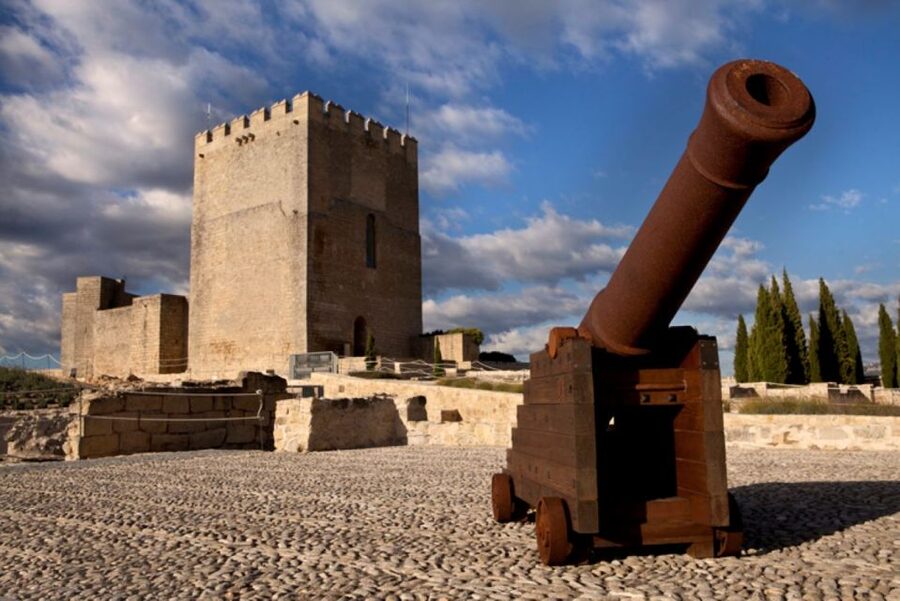
The Alcazaba is the military heart of the complex. Its position and relationship to the rest of the fortress show how defense was organized above the surrounding town and border territory.
I would spend time here with the audio guide rather than rushing toward the next building. The value of the Alcazaba is not only what survives in its walls. It is the way the stronghold fits into the wider idea of La Mota as a guard and defense point for Castile.
The adarve adds another useful perspective. This fortified walkway lets you examine the defensive structure from close range and understand how walls, towers, and gates worked together. The experience is more about reading the site than finding a single grand room, so the audio commentary matters.
Because the visit is self-guided, you can linger at the places that make the past easiest to picture. You might spend more time on the defensive sections if military history interests you, then move faster through other areas. That flexibility is one of the strongest reasons to choose this ticket instead of a tightly timed guided visit.
The Iglesia Mayor Abacial and its scheduled presentation
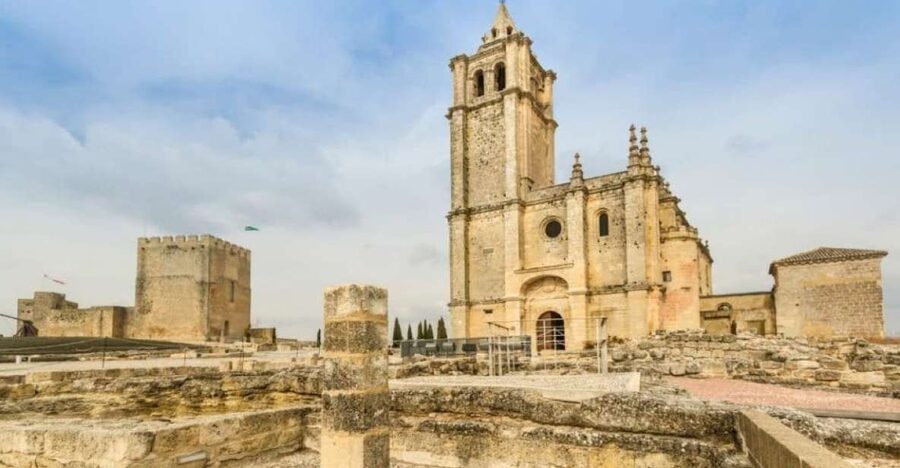
The Iglesia Mayor Abacial gives the complex a religious center and adds variety to a visit otherwise dominated by walls and defensive structures. Inside, an educational audiovisual presentation recreates the history of the city.
The presentation is shown at different scheduled times, so check the timing when you arrive. This is the one part of the experience that does not operate entirely on your personal schedule. If you arrive just after a showing, you may need to wait for the next one. That wait can be worthwhile, since the film gives you a wider story to connect with the buildings around you.
I like this use of the church because it helps solve a common problem at ruins: surviving stones can be hard to interpret without a sense of the people and events connected to them. The audiovisual element supplies that broader explanation without requiring a live group tour.
Keep the scheduled showing in mind when planning your route. You can explore some of the fortress first, then time your church visit around the presentation. Since the total visit is listed at about one and a half hours, you should not need a full day, but you will get more from the site if you do not treat the time as a race.
Another self-paced route in Spain:
- Casa Batllo Admission Ticket with Intelligent Audio Guide
★ 4.5 · 3,168 reviews - Madrid: Las Ventas Bullring Tour with Audio Guide
★ 4.6 · 3,154 reviews - Cordoba: Mosque-Cathedral E-Ticket with Audio Guide
★ 4.1 · 2,895 reviews - Nerja: Caves of Nerja Entry Ticket with Audio Guide
★ 4.6 · 1,616 reviews
Wineries, houses, and the Torre de la Cárcel
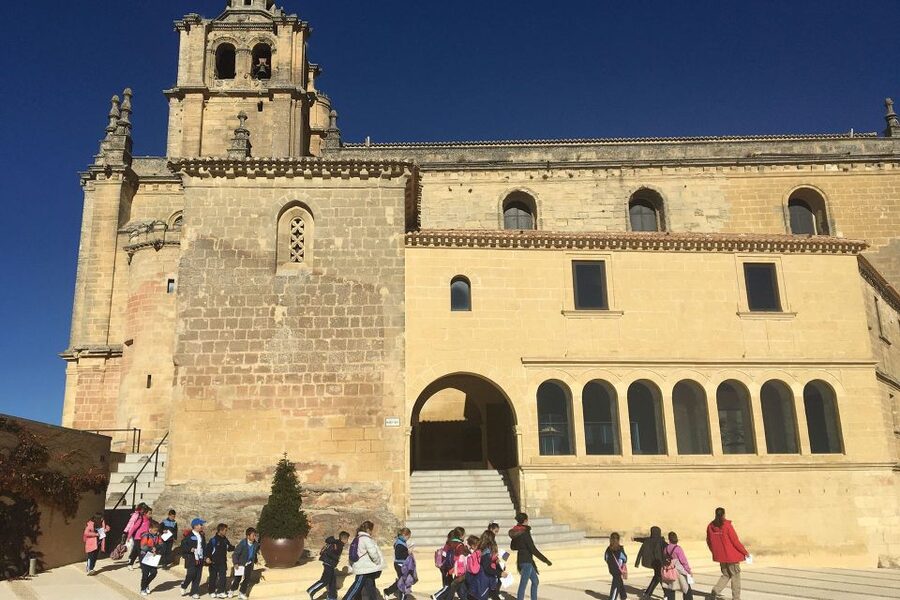
The wineries and houses give the fortress a more human scale. They point to storage, domestic life, and the ordinary work that continued behind the walls. These areas help balance the military story of gates and towers.
The Torre de la Cárcel, or Prison Tower, adds another strong point of interest. Its name immediately raises questions about law, punishment, and control within the fortified city. The audio guide is especially useful here because a tower can look simple from the outside while carrying a more specific role in the life of the settlement.
I would not skip the less dramatic spaces. The wineries, houses, and internal streets are exactly what make La Mota different from a fortress viewed only from outside. They show that defense was not the whole purpose of the site. People stored goods, worshipped, lived, worked, and dealt with authority within the walls.
The map should help you find these areas in a sensible order, though the information provided does not promise a fixed route. Give yourself enough time to reach each section rather than stopping after the church and main fortifications.
Getting the most from the multilingual audio guide
The audio guide is included and available in English, Spanish, French, German, and Italian. A special version is also available for children, which gives families a way to make the visit more approachable for younger listeners.
The strongest reason to use it is context. Without commentary, a wall is a wall, and a tower is a tower. With the audio guide, you can connect each part of the complex to its role in a fortified border city.
There is one annoyance to prepare for: downloading the app is required. A written comment about the experience specifically points to that obligation as something that clouds an otherwise impressive visit. I would download the app before reaching the entrance if the booking instructions allow it, and I would make sure my phone is charged.
You may also want to bring headphones if you prefer not to hold your phone near your ear. The supplied information does not state how the audio is delivered, so do not assume equipment is provided. The map remains useful even if you decide to listen only to selected sections.
The child version is a thoughtful option, but no further details are given about its length or format. Families should still expect a historic complex rather than a purpose-built children’s attraction.
Is $9 a fair price for 90 minutes?
At $9 per person, the admission is easy to justify if you want a substantial heritage site rather than a short photo stop. The fee includes entry, the map, and the audio guide, so you are not paying extra for basic interpretation once inside.
The value comes from the number of elements covered. You are paying to enter a full fortified complex with the Alcazaba, Iglesia Mayor Abacial, wineries, Torre de la Cárcel, adarve, streets, houses, and defensive doors. The audiovisual presentation adds another layer without a separate charge.
The listed duration is one and a half hours. That is enough for a focused visit, particularly if you follow the map and listen to the main audio sections. It may feel short if you want to stop often, replay commentary, wait for the church presentation, and examine every part of the site.
I would treat the 90 minutes as a guide rather than a strict promise of how long you should stay. The supplied information gives the experience that duration, but it does not state a forced departure time. Check availability for the available starting times and plan around the audiovisual showing.
The current score is 4.6 out of 5 from six submitted ratings. That is a positive signal, though the small number of ratings means I would give more weight to the clear practical details: the fortress itself is the main attraction, the audio guide adds useful context, and the required app is the chief irritation noted.
Who should book this fortress visit?
I would recommend it most strongly to people who enjoy medieval architecture, military history, and historic urban spaces. You will get more from La Mota if you like connecting gates, towers, streets, and buildings into one story instead of looking for a single famous monument.
It also suits independent sightseers. You can use the map and audio guide at your own speed, choose how long to spend in the Alcazaba or church, and focus on the sections that interest you most. The five audio languages make it practical for many international visitors.
Families may appreciate the special children’s audio version. Still, food is not allowed, so plan meals before or after the visit. Pets are also not allowed, which matters if you are touring Andalusia with an animal.
I would be cautious if you have mobility limitations. The experience is specifically marked as unsuitable for people with mobility impairments, and a fortified medieval complex naturally includes uneven historic areas, walls, and changes in level. Ask the provider for current access details before paying if this affects your plans.
Practical details before you go
The ticket costs $9 per person and covers entrance to the Monumental Complex of the Fortress of La Mota. The visit lasts about one and a half hours, with starting times dependent on availability.
Free cancellation is offered up to 24 hours before the visit for a full refund. You can also reserve now and pay later, which helps if your Andalusia route is still shifting.
The audio guide is available in English, Spanish, French, German, and Italian. Host or greeter support is listed in English, Spanish, German, and French, while the audio guide adds Italian.
Do not bring food or pets into the complex. Most important, prepare for the app requirement. Downloading it ahead of time can save you from spending part of your visit sorting out technology at the entrance.
Should you book La Fortaleza de la Mota?
I would book this ticket if you want a low-cost, self-guided visit to one of Alcala la Real’s major historic sites. The combination of a medieval fortified city, multilingual audio, a descriptive map, and a scheduled historical presentation gives you more substance than the price suggests.
I would skip it only if you need step-free access, cannot use a phone app, or prefer a live guide to explain every stop. For everyone else, the key is to arrive prepared: check the start time, allow room for the church presentation, download the audio app in advance, and use the map to find the less obvious areas. That is how you turn 90 minutes into a clear picture of life and defense inside La Mota.
FAQ
How long does the visit to La Fortaleza de la Mota last?
The listed duration is about one and a half hours. Check the available starting times when booking.
What does the ticket include?
It includes entrance to the Monumental Complex of the Fortress of La Mota, a descriptive map, and a free audio guide.
Which languages are available for the audio guide?
The audio guide is available in English, Spanish, French, German, and Italian. A special version is also available for children.
Is there an audiovisual presentation during the visit?
Yes. An educational audiovisual presentation is shown inside the Iglesia Mayor Abacial at different scheduled times. Check the timing so you can include it in your visit.
Are pets and food allowed?
No. Pets and food are not allowed inside the complex.
Is the fortress suitable for people with mobility impairments?
The experience is listed as unsuitable for people with mobility impairments. Contact the provider before booking if you need specific access information.
Latest audio tours in Spain
- Seville Maestranza Bullring Tour with Audio Guide★ 3.5 · 6 reviews
- Seville Scavenger Hunt and Highlights Self Guided Audio Tour★ 5.0 · 5 reviews
- Seville Audio guided walking tour 3h20 and 28 audio commentaries★ 5.0 · 2 reviews
- Royal Alcazar of Seville Entry Ticket with Audio Guide★ 4.0 · 42 reviews
- Seville Cathedral and La Giralda Entry Ticket with Audio Guide★ 3.0 · 9 reviews
- Seville Cathedral and Giralda Entry Tickets with Audio Guide★ 4.0 · 56 reviews
- Essential Seville’s Ancient History: An Audio Tour★ 5.0 · 9 reviews
- Segovia from the Aqueduct to the Alcazar: A Self-Guided Audio Tour★ 4.5 · 10 reviews
Spain Audio Tours, compared.
Sagrada Familia Entry Ticket with Audio Guide
Read our review →

Casa Batllo Admission Ticket with Intelligent Audio Guide
Read our review →
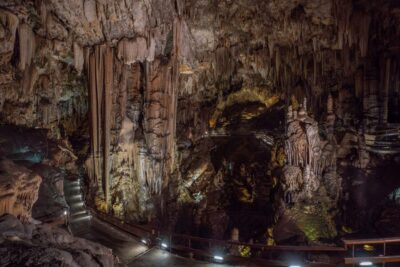
Nerja: Caves of Nerja Entry Ticket with Audio Guide
Read our review →
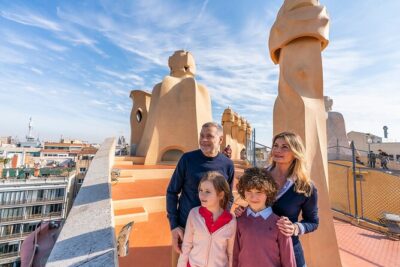
La Pedrera-Casa Mila Admission Ticket with Audioguide
Read our review →Browse the lists this tour appears in