
Reviewed · ROME
Capuchin Crypts Tour – Fast-Track, Guided or Audio
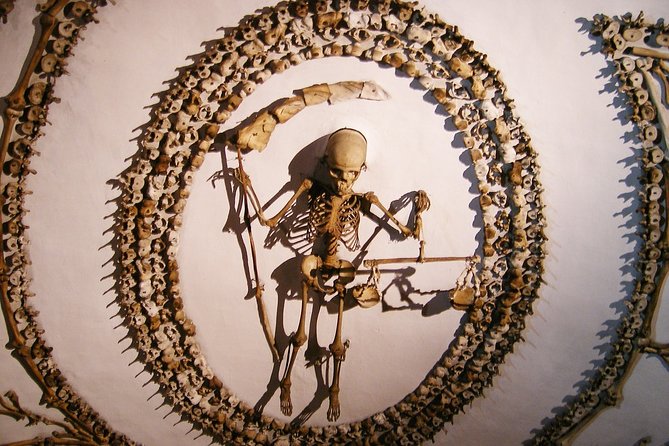
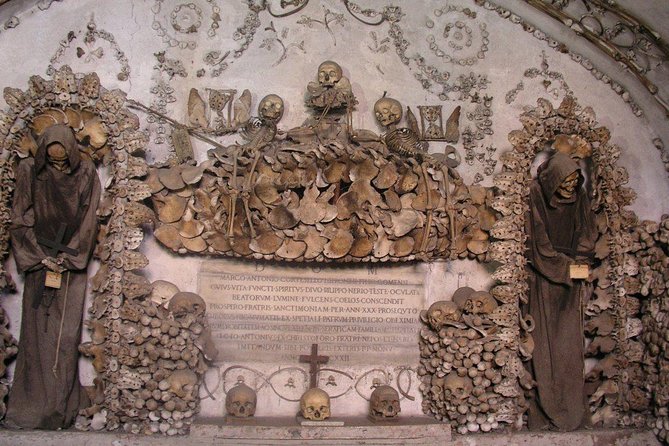
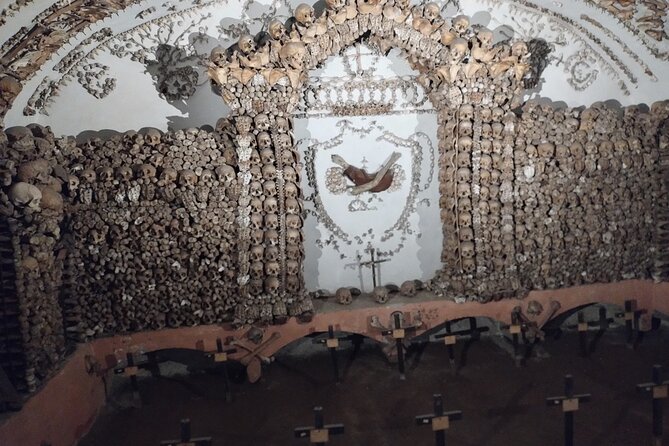
Rome has no shortage of grand churches and ancient ruins, but the Capuchin Crypt offers something far stranger: six underground rooms decorated with the bones of Capuchin friars. The experience is brief, solemn, and visually unforgettable, with a small museum and church adding useful context before you descend.
I like the short one-hour format, which fits neatly into a crowded day, and I like the choice between an audio guide and an English guide. Guides such as Slobodan have been praised for mixing clear history with gentle humor, helping explain a difficult subject without turning it into a cheap fright show.
The main drawback is value. At $26.61 per person, the price can feel high for a small site, especially since an audio guide is available at the entrance. You are paying extra for timed entry and the human explanation, not for a long tour.
Key points to know before booking
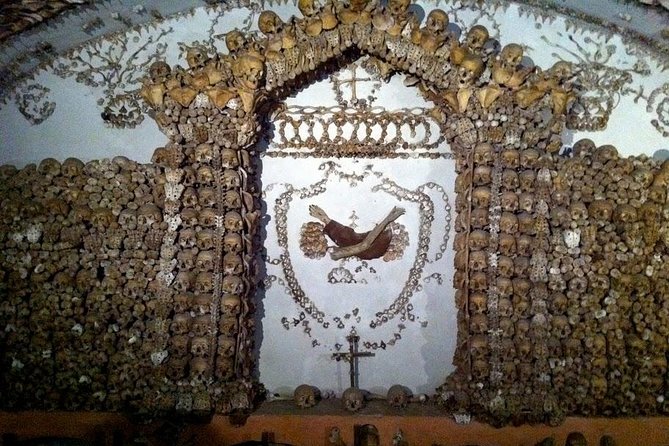
- Six crypt rooms filled with bone decorations: The main attraction is unusual, serious, and not suitable for everyone.
- A 45-minute English tour option: A Blue Badge guide explains the Capuchin order, burial customs, and religious meaning.
- Audio guides are available: You can visit at your own pace in major languages if you prefer less structure.
- Small groups capped at 15 people: This gives you a better chance to hear the guide and ask questions.
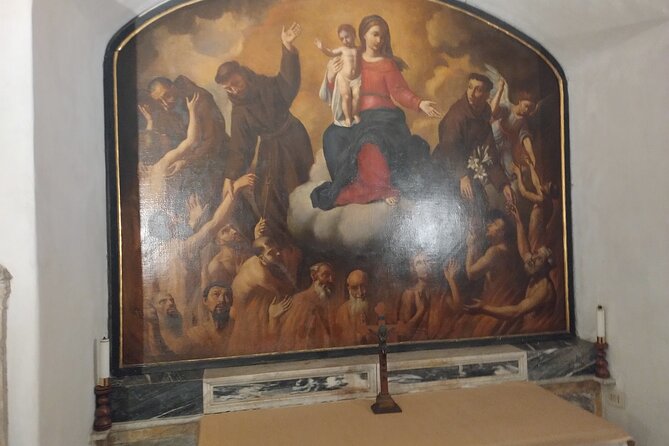
- The museum includes religious art: A Caravaggio painting is displayed here, adding an artistic reason to visit.
- Covered knees and shoulders are required: Bring appropriate clothing or risk buying a covering at the entrance.
What makes the Capuchin Crypt different from Rome’s catacombs
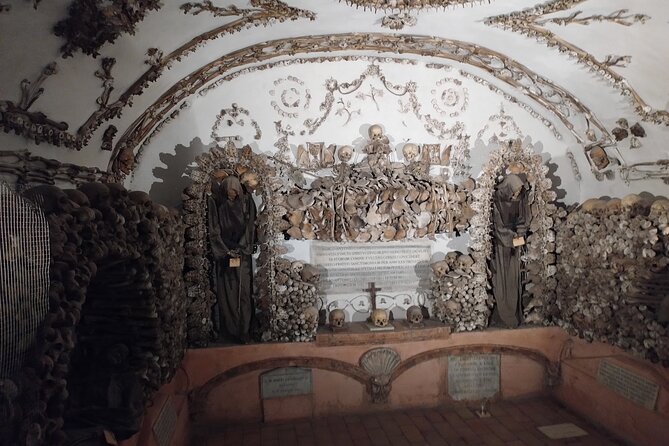
The Capuchin Crypt is not a traditional catacomb tour. It is not a long underground maze, and it does not compare directly with Rome’s wider suburban burial complexes. You visit a compact religious museum beneath a 500-year-old monastery, then enter a series of crypts where bones were arranged as decoration.
That difference matters. If you want tunnels, burial chambers, and a large archaeological site, this may feel too small. If you want a focused look at Capuchin spirituality and the ways the friars treated death, the compact scale works well.
The bones are not presented simply to shock you. The displays reflect a religious idea of mortality and humility. Human remains become part of the walls, ceilings, and decorative patterns, reminding you that the body is temporary. You may find the message moving, strange, or uncomfortable. All three reactions are reasonable.
This is also why a guide can help. Without explanation, you might see only a series of bone-covered rooms. With a good guide, you can better understand the order, its clothing, its burial practices, and the meaning behind the displays.
More Audio Tours in Rome
- Rome: Colosseum & Forum with Audio Guide App -Optional Arena
★ 4.2 · 24,770 reviews - Rome: City Sightseeing Hop-on Hop-off Bus with Audioguide
★ 4.0 · 16,045 reviews - Rome: St. Peter’s Basilica & Dome Entry Ticket & Audio Tour
★ 4.2 · 7,537 reviews
Entering at Via Vittorio Veneto
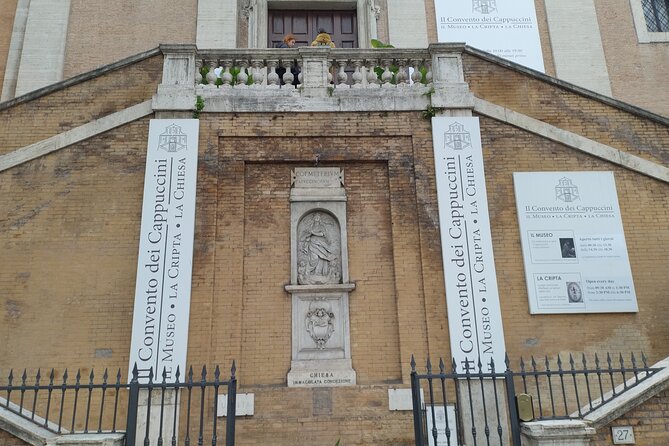
The meeting point is Via Vittorio Veneto 27, a central address that is easy to combine with other sights in Rome. The tour begins and ends at the Capuchin Museum and Crypt, and the tour finishes inside the crypt complex rather than returning you to a hotel.
A timed ticket gives you a planned entry instead of leaving the visit to chance. In a city where lines can eat into your day, that can be useful. Still, do not confuse fast-track entry with a long private visit. The site itself is compact, and the ticket mainly helps you get through the door at the appointed time.
Confirmation is provided when you book. Pay attention to the ticket delivery instructions, since one booking ran into a delay when the email ticket was not readable at the entrance and a separate WhatsApp ticket had not arrived. Allow a little extra time before the start so you can solve any ticket problem without rushing.
The maximum group size is 15 people. That is small enough for a guide to speak directly to the group, though the actual experience can depend on how close you are standing and how busy the entrance area feels.
The museum gives the crypt a useful context
Your visit includes the Museum and Crypt of the Capuchin Friars, not just the underground rooms. The museum introduces the order and its spiritual ideas before you reach the bones.
This opening section is important because the crypts can seem theatrical when viewed without context. The museum helps place the displays within Capuchin life, including the friars’ clothing, beliefs, and approach to death. You might also see religious paintings and objects that make the visit feel more like a small museum experience than a simple macabre attraction.
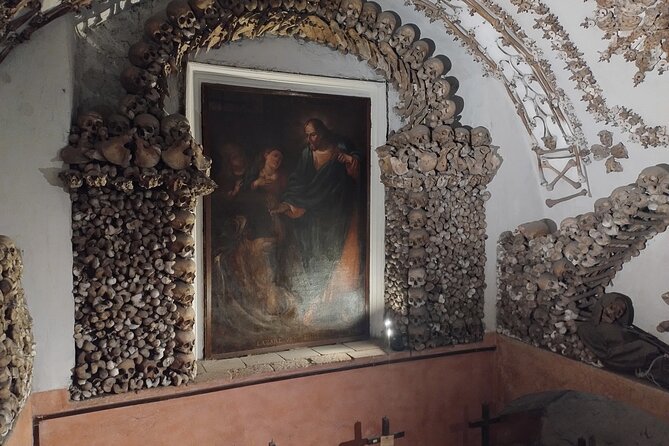
A Caravaggio painting is an added reason for art lovers to pay attention. The painting is not the main focus of the visit, but its presence gives the museum more weight and rewards you for taking a moment before heading underground.
The amount of time spent in the museum can vary with the guide and the pace of the group. Some visitors found the transition to the crypt came too quickly and wanted more time to read the displays. If the museum matters to you, arrive ready to use every free moment and look carefully before the guided portion moves on.
Six rooms, human bones, and a serious message
The crypts are made up of only a handful of rooms, often described as six. Each uses bones in a different arrangement, with skulls, leg bones, and other remains forming patterns on walls and ceilings.
This is not a lighthearted attraction, even when a guide uses humor. The strongest guides use jokes to ease the tension, then return to the religious meaning of the rooms. Slobodan, named in several particularly warm accounts, was praised for being funny, courteous, and good at pointing out details that are easy to miss. Other guides may lead the tour, so do not book solely expecting one person.
You should prepare children and teenagers before entering. Young people can find the rooms fascinating, but the subject is direct: real human bones are used throughout the displays. Families with older children have found the short length helpful, while some adults have felt uncomfortable with the presentation.
The visit asks you to think about death in a very physical way. There is no need to admire every display or agree with the religious message. You can appreciate the craftsmanship, symbolism, and historical setting while still deciding that the sight is not for you.
Photography rules and other site rules should be followed at the entrance. The supplied information does not specify a photography policy, so do not assume you can photograph everything.
Another self-paced route in Rome:
- Colosseum, Roman Forum & Palatine Hill with Audioguide App
★ 4.4 · 6,291 reviews - Vatican & Sistine Chapel Ticket with Optional Audio Guide
★ 4.1 · 5,405 reviews - Rome: Castel Sant’Angelo Entry Ticket & Digital Audioguide
★ 4.7 · 5,347 reviews - Rome: Castel Sant’Angelo Entry Ticket & Audio App
★ 4.3 · 4,952 reviews
Guided tour or audio guide?
You have two basic ways to experience the site.
The English guided option includes a complimentary guided tour lasting about 45 minutes. A Blue Badge guide explains the origin of the Capuchin order, its spirituality, the friars’ burials, and the meaning of the bone arrangements. The best part of this choice is the chance to ask questions and have someone point out details you would likely miss alone.
The guide-led visit also gives the rooms a clear rhythm. You move from the museum toward the crypts, hear the explanation, and keep moving with the group. Several people valued the mix of facts and humor, especially when guides made the subject easier for teenagers and families to handle.
The drawback is pace. A guided group may not stop as long as you would like in each room. The full activity is listed at about one hour, and the guided portion is about 45 minutes, so you may have limited time to read every museum panel or linger in the crypts.
The audio guide option is a better fit if you dislike being hurried or want to use your own language. Audio is offered in all major languages, and the ticket includes admission. You can listen at a steady pace, pause to study the displays, and avoid paying for a live guide if the site’s independent price makes more sense to you.
The audio option is not automatically inferior. One account specifically found it clear and well paced. It simply offers less personal explanation and no chance to ask a question on the spot.
Is $26.61 good value?
At the stated price of $26.61 per person, this is not a major splurge by Rome standards, but it is not the cheapest way to see a small site. The value depends on what you want from the visit.
You may find it worthwhile if:
- You have limited time and want a timed entrance.
- You prefer an English-speaking guide.
- You enjoy religious history and unusual burial customs.
- You want someone to explain details rather than read every panel alone.
- You are traveling in a group of up to 15 and value a more personal setting.
You may not find it worthwhile if:
- You are comfortable using an audio guide.
- You prefer to move slowly through a museum.
- You expected a large catacomb complex.
- You are mainly interested in archaeology rather than religious symbolism.
- You can buy direct admission and an audio guide at a noticeably lower price.
The price question is the most important caution here. Several people felt that the guided booking cost too much for less than an hour, especially after learning that an audio guide could be obtained at the venue. If you care most about saving money, check the direct admission price before committing.
Fast-track access has value during busy periods, but it does not transform the crypt into a long attraction. Think of the fee as paying for convenience and explanation. If those are worth it to you, the price is easier to justify.
Dress correctly or pay for a covering
This is a religious site, and the dress rule is strict. Knees and shoulders must be covered for both men and women, with no shorts or sleeveless tops permitted.
This is easy to manage if you plan ahead. Wear trousers, a longer skirt, or another outfit that covers the knees, along with sleeves that cover the shoulders. A paper shawl may be available for purchase at the entrance for about one euro, but it is better not to rely on that option.
You can be refused entry if you do not meet the dress requirements. This is not the place to test how flexible the staff might be, especially when you have reserved a timed entry.
Children must be accompanied by an adult. Most people can take part, but the subject matter is the bigger issue for families. Explain in advance that the displays contain real human bones so no one is surprised underground.
Who will enjoy this unusual Rome stop?
I would recommend the guided option to people who like history, religion, art, and unusual places that do not feel interchangeable with Rome’s famous monuments. The visit works especially well for someone who has already seen the Colosseum and major churches and wants a more focused hour.
Families with older children and teenagers can also enjoy it. A lively guide can keep young people involved, and the short duration helps prevent museum fatigue. The bone displays may be upsetting for some children, so make the decision based on temperament rather than age alone.
Art lovers should allow time for the museum, especially because of the Caravaggio painting. The crypts may draw you in first, but the artwork and religious displays give the visit more substance.
I would be cautious about booking this for anyone expecting a standard catacomb experience. The crypts are small and highly specific. They offer symbolism and visual impact, not miles of passageways.
I would also think twice if you know that displays of human remains make you uncomfortable. The bones are not a minor detail. They are the central feature.
How to make the one-hour visit work well
Arrive at Via Vittorio Veneto 27 with your ticket ready and your shoulders and knees covered. If your ticket has not arrived in a form the entrance can scan, contact the provider before the start time rather than waiting until the last moment.
Choose the guided option if you want background and interaction. Ask questions when the guide pauses, and stay alert in the museum because the group may move toward the crypts sooner than you expect.
Choose audio if you want control. Give yourself time to read, listen, and look closely rather than treating the visit as a quick photo stop. The rooms are small, but the ideas behind them take longer to absorb than the walk itself.
Keep your expectations exact. This is a short, concentrated visit beneath a monastery, not a half-day attraction. That brief format is a strength when Rome has filled your schedule, but it can feel limiting if you want extended museum time.
Cancellation is free up to 24 hours before the start time for a full refund. Changes or cancellations made less than 24 hours ahead are not accepted, and the cut-off uses local Rome time.
Should you book the Capuchin Crypts Tour?
Book it if you want a short, unusual stop with a clear religious and historical explanation. The guide-led option is strongest for first-time visitors who might otherwise see only bones and miss the ideas behind them. A good guide, such as Slobodan when available, can add warmth, humor, and detail without making the subject feel silly.
Choose the audio option or buy directly at the venue if price matters more than convenience. The attraction is genuinely memorable, but it is small, and the extra cost of a guided booking may not suit everyone.
My practical advice is simple: treat the Capuchin Crypt as a focused one-hour visit, dress correctly, and decide in advance how much help you want. If that sounds appealing, it is a distinctive addition to Rome. If you want extensive catacombs or a long underground adventure, spend your money elsewhere.
FAQ
How long does the Capuchin Crypts Tour last?
The activity lasts approximately one hour. The complimentary English guided portion lasts about 45 minutes.
Where does the tour start?
The tour starts at Via Vittorio Veneto 27, 00187 Rome, Italy. It also ends at the Capuchin Museum and Crypt, with the tour finishing inside the crypts.
Can I choose an audio guide instead of a live guide?
Yes. You can choose an audio guide in all major languages, with admission included.
Is the guided tour in English?
Yes. The complimentary guided tour is offered in English and is led by a Blue Badge guide.
What should I wear?
You must cover your knees and shoulders. Shorts and sleeveless tops are not allowed for men or women, and entry may be refused if you do not follow the dress code.
Can I cancel for a full refund?
Yes, if you cancel at least 24 hours before the experience begins. Cancellations or changes made less than 24 hours before the start time are not accepted for a refund.
Latest audio tours in Rome
- Pantheon Skip the Line Entry Tickets with Digital Audio Guide★ 3.5 · 52 reviews
- St. Peter’s Basilica: Dome Climb with Lift & Audioguide★ 4.5 · 13 reviews
- Audio guide in Vatican Museums and Sistine Chapel★ 4.5 · 12 reviews
- The Roman Jewish Ghetto: A Self-Guided Audio Tour★ 4.0 · 8 reviews
- Experience: The Pantheon Audio Tour★ 4.5 · 4 reviews
- Trastevere: A Self-guided Audio Tour of Rome’s Medieval Village★ 4.5 · 3 reviews
- Navova square underground with audioguide★ 4.5 · 17 reviews
- The Colosseum’s Attic with 3rd, 4th & 5th Levels with Audio Guide★ 4.5 · 20 reviews
Rome Audio Tours, compared.
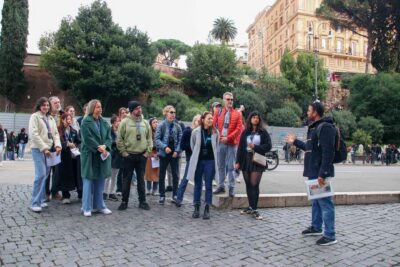
Colosseum & Forum with Audio Guide App -Optional Arena
Read our review →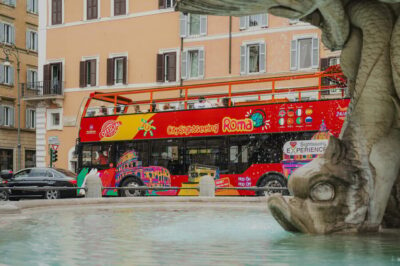
City Sightseeing Hop-on Hop-off Bus with Audioguide
Read our review →
St. Peter’s Basilica & Dome Entry Ticket & Audio Tour
Read our review →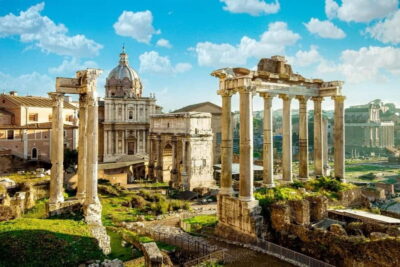
Colosseum, Roman Forum & Palatine Hill with Audioguide App
Read our review →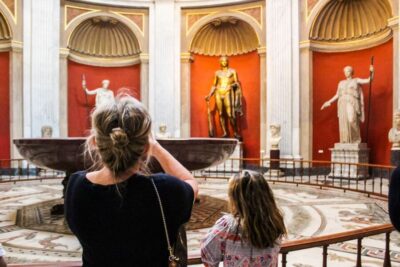
Vatican & Sistine Chapel Ticket with Optional Audio Guide
Read our review →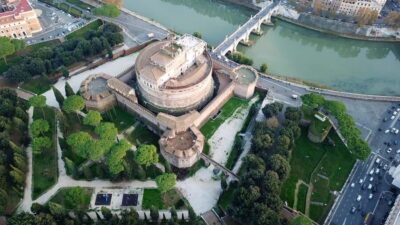
Castel Sant’Angelo Entry Ticket & Digital Audioguide
Read our review →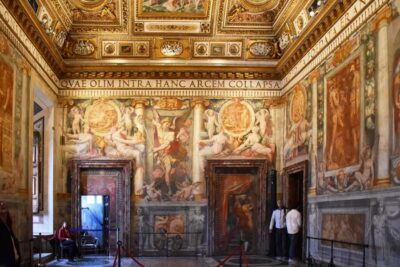
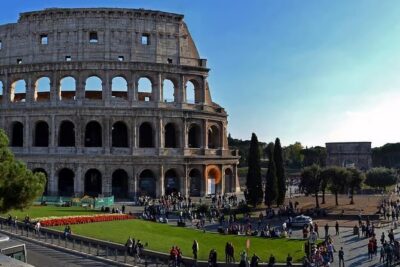
Colosseum, Forum, & Palatine Hill with Audio Guide
Read our review →Browse the lists this tour appears in