Reviewed · ITALY
Alghero: Anghelu Ruju Necropolis with Audio Guides
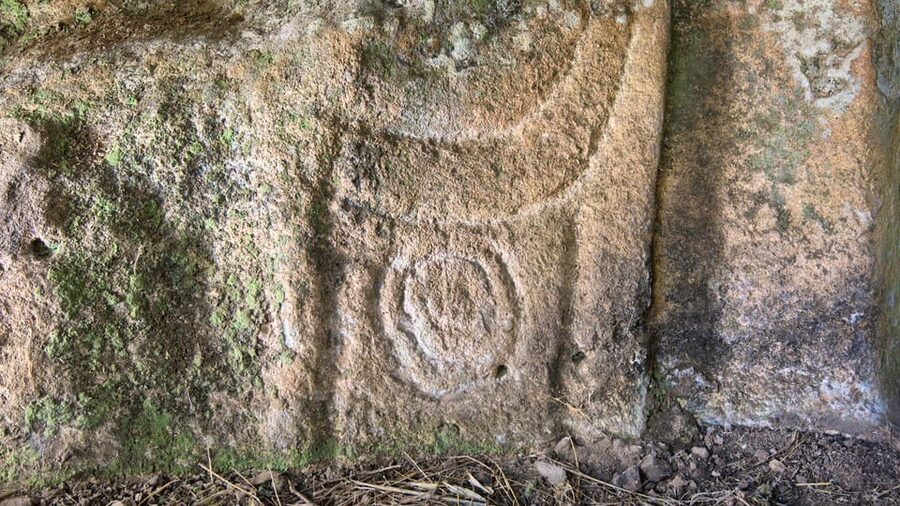
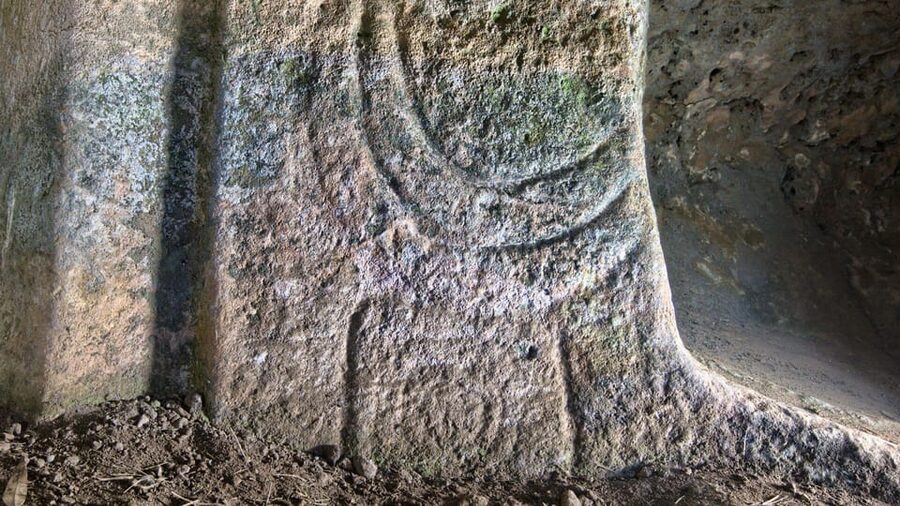
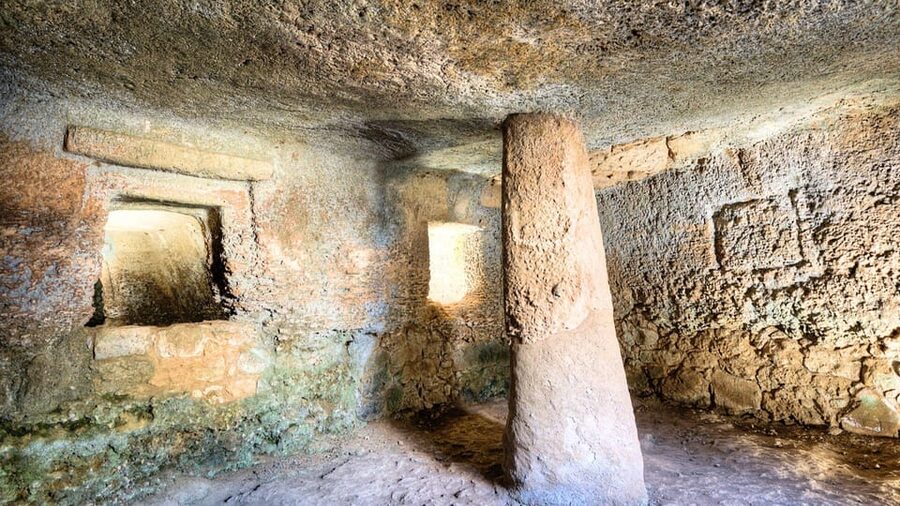
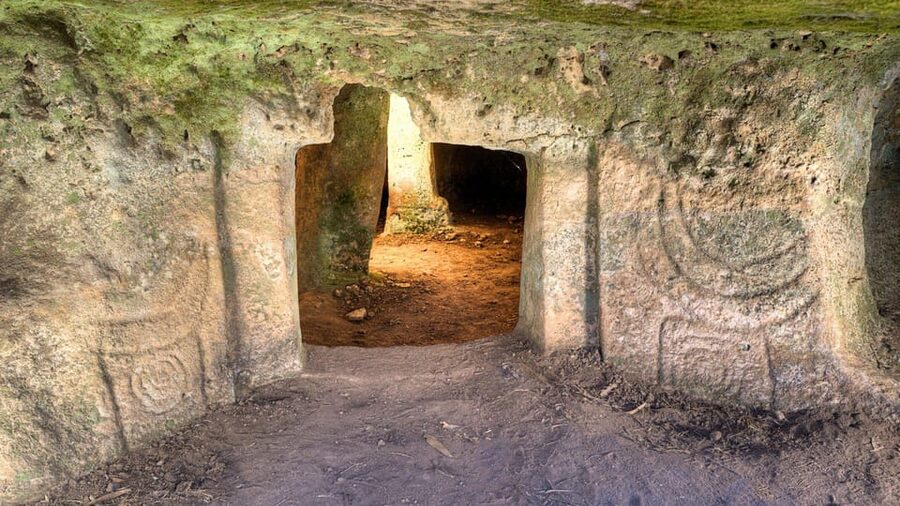
Anghelu Ruju is not a grand temple or a polished museum. It is a group of rock-cut tombs spread across the countryside near Alghero, where Sardinia’s prehistoric people shaped small underground chambers for the dead. The most striking details are the carved bull’s heads, false doors, pillars, steps, and other features copied from houses of the living.
I like two things here: the $10 price keeps this ancient site easy to add to an Alghero day, and the audio guide lets you move at your own pace in Italian, English, French, German, or Spanish. The main drawback is that you are on your own. One French-speaking visitor found the numbered tombs hard to match with the map, and another had trouble reaching the site and found little help on arrival.
Key points to know
- Neolithic and Copper Age tombs: See underground burial chambers made thousands of years ago.
- Bull-head carvings: Look for ritual symbols tied to ancient Sardinian beliefs about death, nature, and fertility.
- Audio guide, not a live tour: Download the tracks to your phone using the QR code provided at the ticket office.
- A short, self-guided visit: Allow about 45 minutes, though the hourly entry system gives you some scheduling flexibility.
- Bring your own headphones: The audio is much easier to follow with personal earphones.
- Plan for an outdoor archaeological site: Comfortable shoes, a hat, sunscreen, and light clothing will make the visit more pleasant.
Why Anghelu Ruju Matters in Sardinia
Sardinia is famous for its nuraghi, but the island’s prehistoric story begins well before many of those stone towers. At Anghelu Ruju, you see evidence of people who lived during the Neolithic and Copper Age, long before written records could explain their customs.
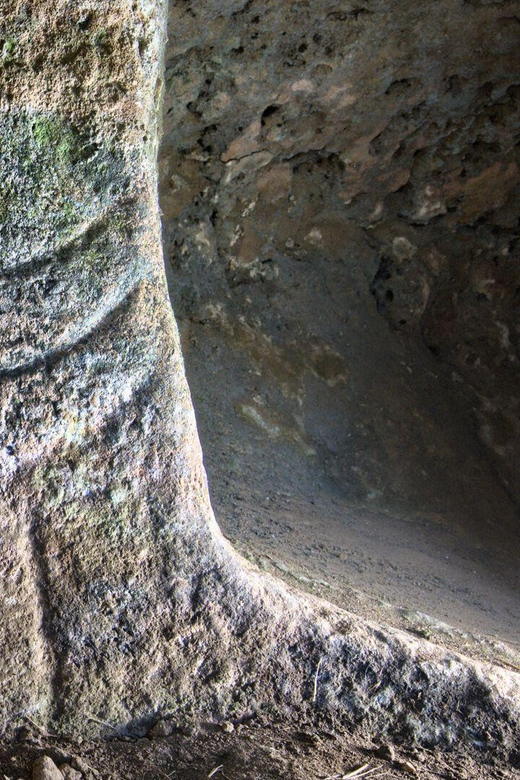
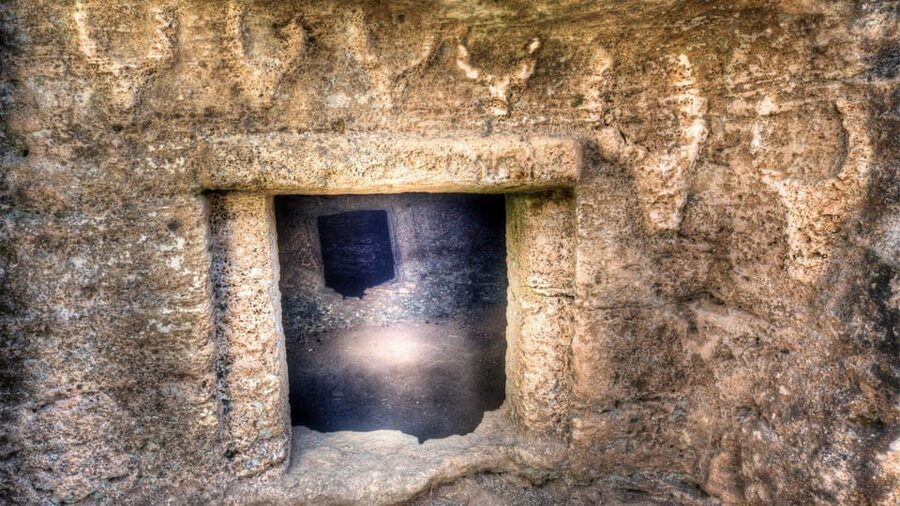
The site is a necropolis, meaning a cemetery made up of many tombs. These underground chambers are known in Sardinian tradition as domus de janas, or fairy houses. The name sounds playful, but the purpose was serious. These were burial places, designed with care and filled with objects that had meaning or use in life.
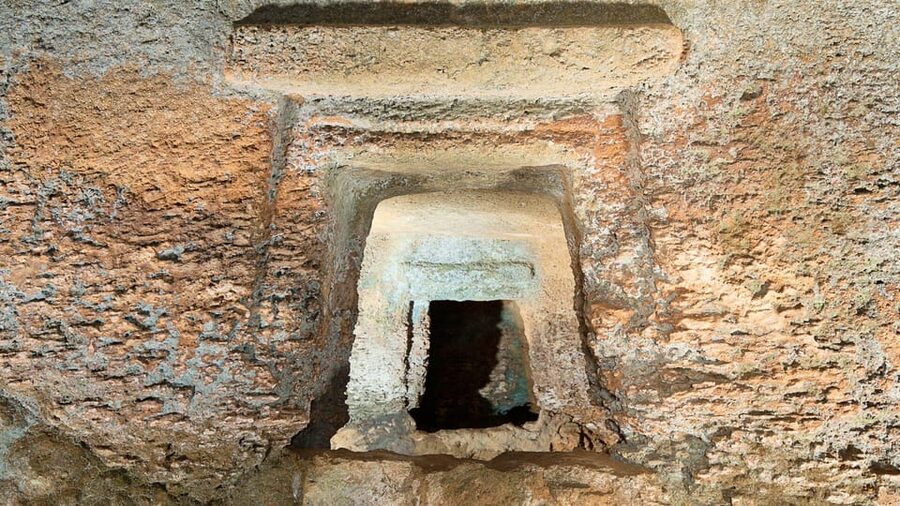
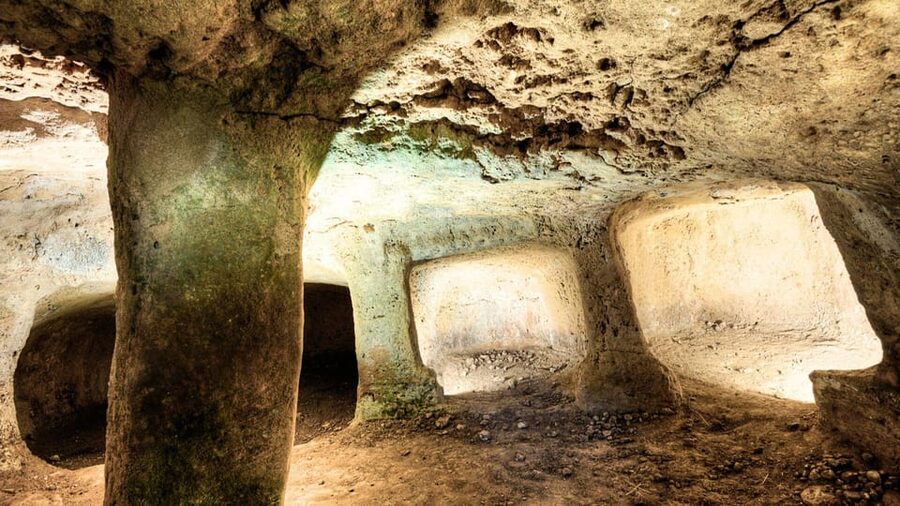
I find the idea behind the tombs especially revealing. The builders copied familiar domestic shapes inside the rock. A tomb might include a pillar, cornice, false lintel, doorway, or window that never opened onto anything. The dead were given a home-like setting, suggesting that death was viewed not as a complete break from life, but as a move into another state of existence.
That makes the site more than a collection of old holes in the ground. The carvings and layout offer clues about how ancient Sardinians understood family, nature, ritual, and the afterlife. You will not get a full written record of their beliefs, but the architecture gives you something solid to study.
More Audio Tours in Italy
- Rome: Pantheon Fast-Track Ticket and Official Audioguide
★ 4.5 · 27,353 reviews - Rome: Colosseum & Forum with Audio Guide App -Optional Arena
★ 4.2 · 24,770 reviews - Florence: Timed Entry to Michelangelo’s David + Audio App
★ 4.6 · 19,496 reviews
Entering the Necropolis Near Alghero
At the entrance, staff provide a site map and multilingual audio-guide instructions. You receive a QR code and password so you can download the tracks directly to your phone. The map shows the route and identifies the numbers of the audio stops.
This arrangement is simple, but you need to pay attention before walking away from the ticket office. The map is your main guide through the site. It must be returned when you leave, so do not treat it as a souvenir or fold it into a pocket you may forget about.
The map also deserves a careful look because the tomb numbers are important. A visitor had difficulty finding one of the numbered tombs because the number was not easy to spot on the ground. I would take a moment at the entrance to match the map numbers with the physical signs before starting the audio.
There is no named live guide for this experience. Staff at the ticket desk provide the materials, but the actual visit is self-guided. That gives you freedom, though it also means you should not expect someone to walk you from tomb to tomb or explain every feature in person.
Following the 45-Minute Route
The visit lasts about 45 minutes, making it a manageable stop on a day built around Alghero and nearby sights. You move between the tombs, stop at the numbered points, and listen to the matching audio track.
The short format works well if you want a focused archaeological visit rather than a full morning at a museum. It also gives you time to look closely without rushing through dozens of displays. The experience is not packed with objects or reconstructions. Its interest comes from the stone chambers themselves and the stories attached to them.
Still, 45 minutes can pass quickly. If you listen to every track, study the carvings, and take photographs, you will want to use your time carefully. Download the audio before moving far from the entrance, keep your headphones ready, and check the map at each stop.
The audio format is useful for visitors who prefer to set their own pace. You can pause a track, replay a section, or move ahead if a particular tomb interests you less. The tradeoff is that your experience depends on your phone, headphones, battery, and ability to follow the map.
Reading the Tomb Architecture
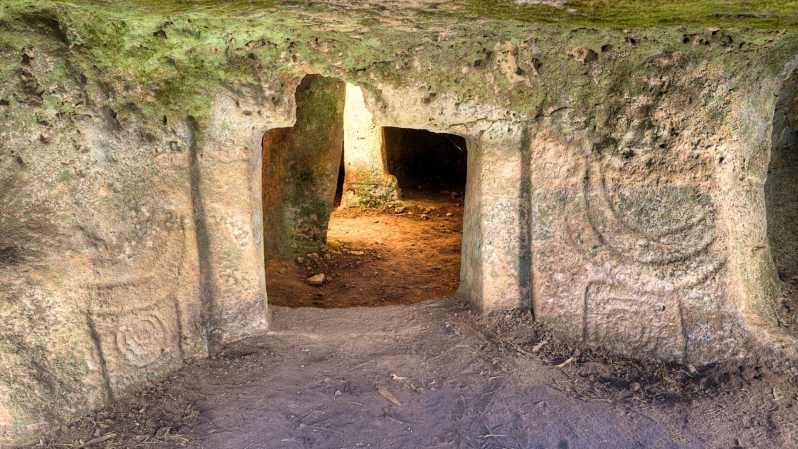
The tombs range from simple chambers to more elaborate examples. Their variety helps you see that this was not one single design repeated without thought. Some spaces are modest, while others contain more visible architectural details.
Inside, look for features that imitate ordinary buildings:
- Steps cut into the rock
- Pillars dividing or shaping the chamber
- Cornices along the walls
- False lintels above doorways
- False doors and windows
- Carved symbols linked to ritual beliefs
These details are easy to miss if you simply walk through the chambers. The audio tracks should help you understand where to look, but I would also pause before leaving each tomb and scan the walls from floor to ceiling.
The false doors and windows are particularly interesting because they turn the tomb into a symbolic house. They do not serve a practical purpose. Instead, they suggest passage, separation, or access to another realm. The exact meaning is not fully known, so you should treat the symbols as clues rather than simple answers.
The bull’s-head shapes are among the most memorable features. The bull held an important place in prehistoric Mediterranean religion, and these carvings appear to have been connected with ritual or protective beliefs. Their presence inside a burial chamber links the dead with forces of nature, animals, and fertility.
Another self-paced route in Italy:
- Rome: City Sightseeing Hop-on Hop-off Bus with Audioguide
★ 4.0 · 16,045 reviews - Pompeii: Entry Ticket with Audio Guide
★ 4.1 · 13,491 reviews - Venice: La Fenice Opera House Entry Ticket with Audio Guide
★ 4.6 · 11,742 reviews - Rome: Colosseum, Forum, Palatine Hill Entry & Audioguide App
★ 4.4 · 10,957 reviews
Ancient Beliefs Carved Into Stone
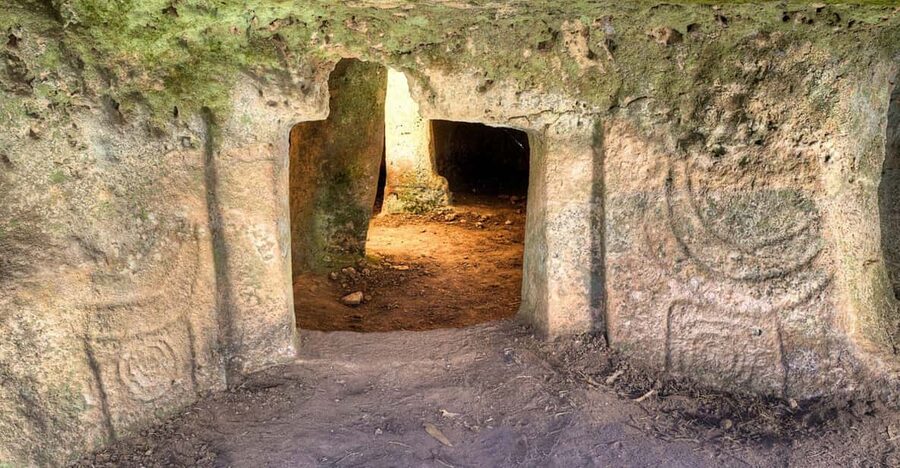
Anghelu Ruju offers no easy story with a beginning, middle, and end. You are looking at fragments of a belief system from a time when written explanations did not survive. That uncertainty is part of the appeal, provided you are comfortable with interpretation rather than firm conclusions.
The tombs show reverence for the dead. They also point toward a respect for nature and the forces believed to shape human life. The ritual marks may have been intended to protect the deceased, guide them, or ask for favor from supernatural powers.
Objects were buried with the dead because they were useful or dear in life. The practice suggests that the tomb was not just a final storage place. It was prepared as a meaningful setting, with familiar forms and valued belongings carried into death.
You can read the site at two levels. At first, it is a physical place with unusual carvings and small chambers. With the audio guide, it becomes a way to consider how people thousands of years ago handled grief, memory, and the unknown.
Using the Audio Guide Without Losing Your Way
The audio guide is included in the admission price and is available in five languages: Italian, English, French, German, and Spanish. You download the tracks onto your own phone, so bring headphones. The site specifically advises using personal headphones for comfortable listening.
The lack of a live guide has both advantages and limits. You do not have to stay with a group or wait for another person to finish taking pictures. You can listen quietly and spend extra time at the tombs that interest you most.
On the other hand, the system is less forgiving if the map or numbering is unclear. Since one visitor struggled to match the audio numbers with the tombs, I would use this approach:
- Keep the map open or easy to reach.
- Confirm the tomb number before starting each track.
- Stop the audio if you cannot find the next point.
- Ask the ticket-office staff for clarification before leaving the entrance.
- Keep your headphones connected and your phone charged.
The map is meant to make independent movement easy, but the reported confusion shows why a few minutes of orientation matter. This is not a guided walk where you can simply follow the person in front of you.
Timing, Weather, and What to Wear
The site is open for this experience from 10:00 a.m. to 2:00 p.m. from November through March. From April through October, visits are available from 10:00 a.m. to 6:00 p.m.
The longer summer hours make it easier to combine Anghelu Ruju with other stops around Alghero. The shorter winter hours require more planning, especially if you are visiting in the morning and have other commitments later in the day.
You should wear comfortable shoes, comfortable clothes, a hat, and sunscreen. These are practical recommendations for moving around an archaeological site and spending time outdoors. Even though the tombs are cut into the ground, the route between them is not an indoor museum visit.
Bring headphones rather than relying on your phone speaker. They make the tracks easier to hear and avoid disturbing the quiet atmosphere around the burial chambers. Small dogs are allowed on a leash, while larger dogs need a muzzle as well as a leash.
There is one toilet for men, women, and visitors with disabilities. That is useful to know before you begin, especially if you are visiting with children or planning to stay longer than the standard 45 minutes.
Accessibility and Arrival Considerations
The experience is listed as wheelchair accessible, which makes it worth checking if mobility access is important to you. The available information does not describe the surface, slopes, or access conditions at each individual tomb, so you may want to confirm specific route details with the ticket office before starting.
Arrival can require extra care. One visitor described the site as difficult to reach and found little explanation once there. Since the information provided does not include a transport service or hotel pickup, you should not assume that transportation is part of the $10 admission.
Give yourself time to locate the entrance, especially if you are visiting on a tight schedule. Once there, use the ticket office as your orientation point. Confirm how the map works, ask where the first numbered stop is, and make sure the audio tracks have downloaded before setting off.
Is $10 Good Value for 45 Minutes?
At $10 per person, the price is reasonable for access to one of Sardinia’s largest prehistoric cemeteries plus an audio guide in five languages. You are paying for entry to a significant archaeological site, not for a long guided excursion or transportation.
The value depends on what you want. If you enjoy ancient sites and prefer to explore independently, the low price makes Anghelu Ruju an easy addition to an Alghero day. The audio tracks add context that would be difficult to get from the carvings alone.
If you expect a personal guide, extensive interpretation, or a fully organized arrival, the value is weaker. There is no live guide included, and the map system may take a little effort to understand. The experience works best when you arrive prepared and comfortable managing the visit yourself.
Free cancellation up to 24 hours before the visit and the option to reserve now and pay later make it easier to fit into a changing schedule. Those policies do not improve the archaeology itself, but they reduce the risk of adding a short stop to a busy Sardinia plan.
Who Should Book Anghelu Ruju?
I would recommend this visit to anyone interested in prehistoric religion, burial customs, ancient architecture, or Sardinia beyond its beaches. It is also a good choice if you want a short cultural stop near Alghero rather than a full-day excursion.
Families with older children may find the fairy-house name and underground chambers appealing, though young children may need help following the audio and staying focused. History fans will get the most from the ritual symbols and the way the tombs imitate houses.
You should think twice if you dislike self-guided sites or find map-based visits frustrating. The lack of a live guide means you must handle the route, phone, headphones, and audio numbers yourself. If reaching the site is already difficult for you, allow extra time and confirm access details before booking.
Should You Book This Archaeological Visit?
Book Anghelu Ruju if you want a low-cost, compact look at Sardinia’s prehistoric world and are happy to explore without a live guide. The carved bull’s heads, false doors, and house-like tomb chambers give the visit real substance, while the five-language audio guide helps explain what your eyes are seeing.
Skip it if your priority is a guided experience with simple point-to-point assistance. The practical weak spots are clear: arrival may be confusing, tomb numbers may not always be obvious, and the map must do much of the work.
For the best visit, arrive with headphones, a charged phone, comfortable shoes, and enough time to get oriented at the ticket office. At $10 and roughly 45 minutes, Anghelu Ruju is a sensible choice for curious visitors who want to see an important part of Sardinia’s past without committing half a day.
FAQ
How long does the Anghelu Ruju visit take?
The stated duration is 45 minutes. You follow the route independently and listen to the audio tracks at the numbered points.
How much does admission cost?
The price is $10 per person. Admission includes entry to the Necropolis of Anghelu Ruju and the audio guide.
Is there a live guide?
No. This is a self-guided visit with audio tracks. Staff at the ticket office provide the audio-guide information and site map.
Which languages are available for the audio guide?
Audio guides are available in Italian, English, French, German, and Spanish.
Do I need to bring headphones?
Yes. You should bring your own phone headphones so you can listen to the tracks comfortably.
What should I wear?
Wear comfortable shoes and comfortable clothes. A hat and sunscreen are also recommended.
Are pets allowed?
Pets are allowed with a leash. Small dogs only need a leash, while larger dogs need both a leash and a muzzle.
Is the site wheelchair accessible?
The experience is listed as wheelchair accessible. The available information does not provide separate details about access to every individual tomb.
Latest audio tours in Italy
- Orgosolo Multilingual Audioguide★ 4.5 · 42 reviews
- Pantheon Skip the Line Entry Tickets with Digital Audio Guide★ 3.5 · 52 reviews
- St. Peter’s Basilica: Dome Climb with Lift & Audioguide★ 4.5 · 13 reviews
- Audio guide in Vatican Museums and Sistine Chapel★ 4.5 · 12 reviews
- The Roman Jewish Ghetto: A Self-Guided Audio Tour★ 4.0 · 8 reviews
- Experience: The Pantheon Audio Tour★ 4.5 · 4 reviews
- Trastevere: A Self-guided Audio Tour of Rome’s Medieval Village★ 4.5 · 3 reviews
- Navova square underground with audioguide★ 4.5 · 17 reviews
Italy Audio Tours, compared.
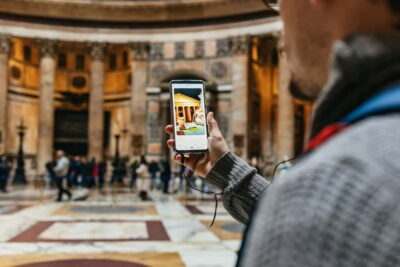
Pantheon Fast-Track Ticket and Official Audioguide
Read our review →
Colosseum & Forum with Audio Guide App -Optional Arena
Read our review →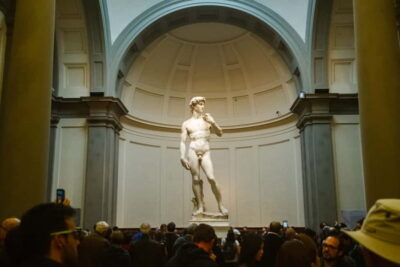
Timed Entry to Michelangelo’s David + Audio App
Read our review →
City Sightseeing Hop-on Hop-off Bus with Audioguide
Read our review →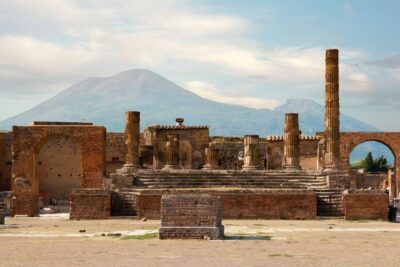

La Fenice Opera House Entry Ticket with Audio Guide
Read our review →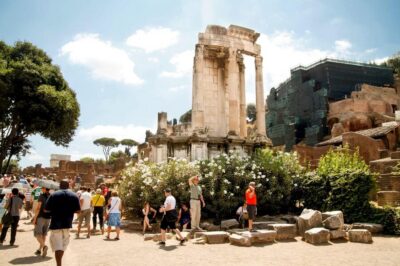
Colosseum, Forum, Palatine Hill Entry & Audioguide App
Read our review →