
Reviewed · ITALY
Ercolano: Herculaneum Skip-the-Line Ticket & Audio Guide
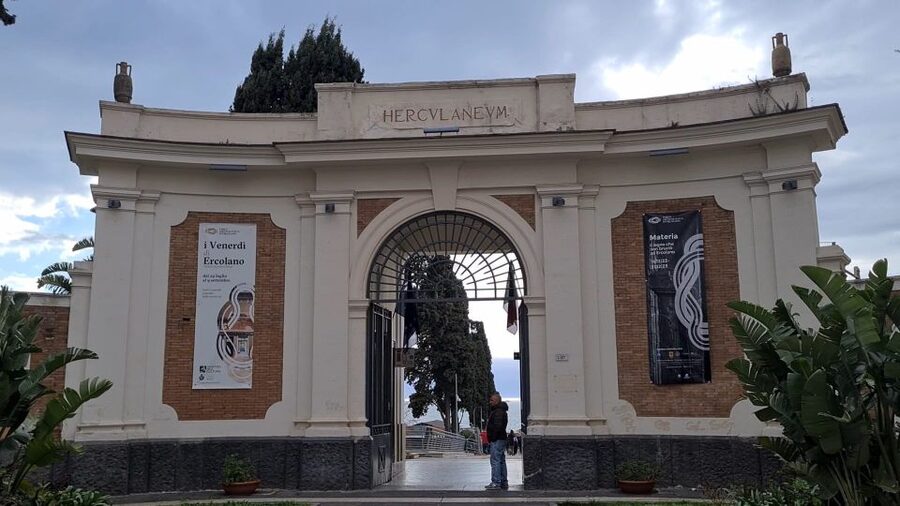
Herculaneum gives you an unusually close look at Roman daily life. The town was buried by Vesuvius in 79 AD, and its buildings, mosaics, frescoes, furniture, and even wooden screens survived in remarkable condition. I like the freedom to set your own pace, and I like that the site often feels more manageable than Pompeii. The main catch is that the audio guide can be awkward to follow, and you must download it before entering.
I also like the skip-the-line ticket, especially if you have limited time or find standing in queues difficult. At $35 per person, the price is reasonable if you use the audio commentary and spend several hours exploring, but this is not a guided tour, transport is not included, and the booking is non-refundable.
Key points at a glance
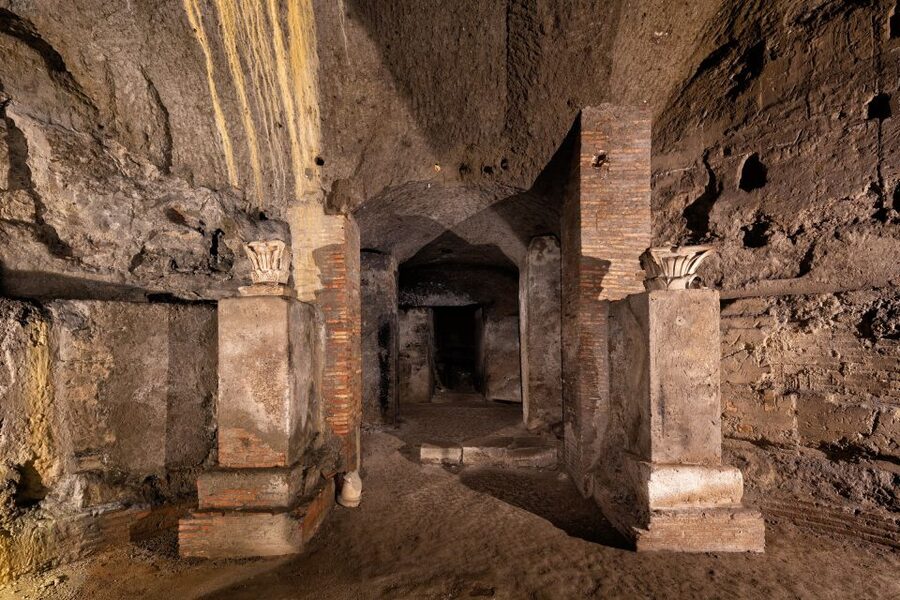
- Roman homes you can examine up close: Herculaneum preserves domestic details that make the old town feel personal rather than abstract.
- A self-guided visit: Walk the alleys, pause at buildings, and move on when you are ready.
- Download before you go: Wi-Fi is not free at the ruins, and phone coverage can be unreliable.
- Useful queue relief: The ticket lets you bypass the main ticket line, though some visitors have needed to collect a physical ticket first.
- A good four-hour visit: You can see everything open without rushing, though your visit may be shorter if you focus on the main streets.
- Bring your own headphones: They are required for the mobile audio guide and are not included.
Why Herculaneum feels different from Pompeii
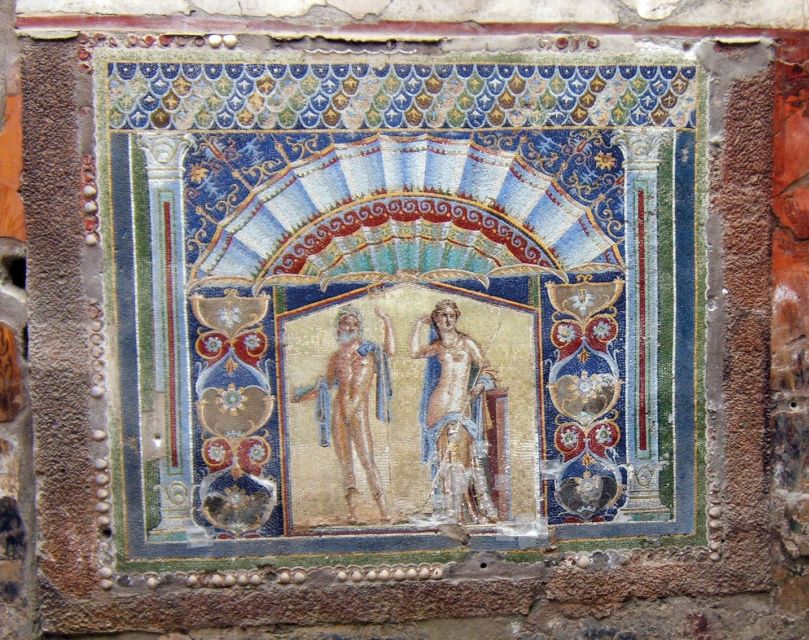
Pompeii is much larger and better known, but Herculaneum offers a more concentrated visit. You are not simply looking at street plans and broken walls. In many places, you can see the fine finish of Roman domestic life: painted walls, patterned mosaics, statues, wooden screens, and furniture.
That level of preservation changes the experience. A doorway or room feels less like an archaeological outline and more like part of a functioning home. You can picture people moving through the alleys, entering shops, gathering in rooms, and carrying on with ordinary business before the eruption changed everything.
The town was buried by the eruption of Mount Vesuvius in 79 AD. Its location was later forgotten, and in 1710 a farmer named Ambrogio Nucerino found valuable marble fragments while digging a well to irrigate his vegetable garden. Those pieces were eventually understood to belong to the theater of the ancient city. Bourbon explorations later brought Herculaneum back into historical records.
You do not need to know all of that before you arrive, but the background helps. This was not just a small settlement frozen in time. It was an ancient Roman town with wealthy homes and public buildings, and the ruins let you study both its grand decoration and its everyday spaces.
More Skip-the-Line Audio Tours in Italy
- Pantheon Reserved Entry Ticket with Audio Guide
★ 4.0 · 4,486 reviews - Rome: Borghese Gallery Skip-the-Line Ticket & Audioguide
★ 4.3 · 4,318 reviews - Skip the Line: Vatican & Sistine Chapel Ticket with Audio Guide
★ 4.0 · 3,271 reviews
Arriving with a mobile ticket and audio guide
The booking team is expected to contact you by WhatsApp or email the day before your visit. You receive the ticket and instructions for downloading the smart audio guide onto your phone. Check your spam folder if the message does not appear, and make sure the name and contact details used for booking are correct.
The most important preparation is simple: download every audio file before you leave for the site. The ruins and museums do not provide free Wi-Fi, and mobile coverage is not always reliable. Trying to download content at the entrance can turn a smooth arrival into a frustrating one.
Bring:
- A charged smartphone
- Headphones
- Your passport or ID card
- The ticket and access instructions on your phone
Headphones are not included. That matters more than it might seem, since the site can be noisy and the audio may be difficult to hear from a phone speaker. If you are visiting with someone else, decide in advance whether you will share one phone or bring separate devices.
The meeting point can vary according to the option you book. There is no included transfer, so you arrange your own transport to Ercolano. One visitor paid about €50 by taxi from the port and €60 for the return trip, but that is a specific example rather than a fixed fare. Check your own route and transport cost before deciding that the ticket price is your total expense.
Using the skip-the-line entry

The practical value of this ticket is the time it can save. Herculaneum is popular, and bypassing the ticket queue is useful if you have a fixed schedule, are visiting from a cruise port, or need to avoid standing for long periods.
The phrase skip the line needs a little care. The ticket is designed to skip the ticket line, but at least some visitors have needed to collect a physical ticket on arrival. That collection was quick in the experience described, yet it means you should not assume that every step happens directly at the gate from your phone.
Read the instructions sent the day before. The exact meeting point and ticket process can depend on the option selected. If your booking arrives after 6 p.m., it is processed the following morning after 8 a.m., so a late booking may not give you immediate access details.
The ticket is valid for one day, with the available starting times shown during booking. It is not a live guided visit, and there is no guide waiting to lead you from one building to the next. You enter independently and use the audio guide as you walk.
Walking the ancient alleys
Once inside, give yourself time to adjust to the scale of the ruins. Herculaneum is compact enough to feel manageable, but there is plenty to inspect. The streets lead you past homes and public areas, and the audio commentary adds context to buildings that might otherwise look like a collection of walls and doorways.
I recommend starting slowly rather than trying to cover the site as quickly as possible. Look down at the pavements, then up at the wall decoration and surviving upper details. The best part of Herculaneum is often the combination of small clues rather than one single famous monument.
You can stop whenever something catches your eye. That freedom is one of the strongest reasons to choose an audio visit instead of a fixed group tour. If a mosaic deserves five minutes, you can give it five minutes. If a room does not interest you, you can continue without waiting for a group.
The audio guide is available through an app or a link sent to your phone. It is informative, but the order may not always feel natural. You may need to work out which commentary belongs to the building in front of you, especially if you move around the site in your own order.
My advice is to treat it as a helpful companion rather than a strict route. Use the map or signs to orient yourself, listen to the relevant section, and do not worry if you do not follow the audio in a perfect sequence.
More Audio Tours in Italy
- Rome: Pantheon Fast-Track Ticket and Official Audioguide
★ 4.5 · 27,353 reviews - Rome: Colosseum & Forum with Audio Guide App -Optional Arena
★ 4.2 · 24,770 reviews - Florence: Timed Entry to Michelangelo’s David + Audio App
★ 4.6 · 19,496 reviews - Rome: City Sightseeing Hop-on Hop-off Bus with Audioguide
★ 4.0 · 16,045 reviews
The preserved homes and daily life
Herculaneum is especially rewarding for anyone interested in ordinary Roman interiors. The site preserves details that are often lost at larger archaeological locations. Painted frescoes and mosaics show how much care went into private decoration, while surviving wooden screens and furniture offer a rare sense of how rooms were used.
These details make the visit feel human. A large public building can impress you, but a domestic room helps you imagine meals, storage, work, and family life. You begin to notice thresholds, wall colors, floor patterns, and the way rooms connect.
The preservation also gives Herculaneum a different mood from Pompeii. Pompeii offers a vast town to explore, but its size can make the visit tiring and scattered. Herculaneum is smaller and easier to take in during a single visit, while still offering enough buildings to keep you occupied for several hours.
Do not rush past the less famous spaces. The most useful audio commentary may be attached to a room that looks plain at first. Listen, look closely, and compare the decoration with the simpler areas nearby. The contrast helps you understand differences in wealth and purpose.
How long should you allow?
A careful visit can take about four hours. That gives you time to walk the open streets, listen to the audio, inspect the frescoes and mosaics, and pause without constantly checking the clock.
You can make it shorter if Herculaneum is one stop in a busy day. The site is more compact than Pompeii, so a focused visit can work well. Still, if you have traveled a long way to reach Ercolano, rushing through in an hour would waste much of the ticket’s value.
The length also depends on your pace and mobility. The skip-the-line access is helpful if you need to avoid queues, and the self-guided format lets you stop and rest when needed. There is no requirement to keep up with a group.
Bring water and plan your energy carefully. The information provided does not promise a café, and one visitor found the snack machines difficult to use. Treat food and drinks as something to arrange before you arrive rather than something you can depend on inside.
Is $35 good value?
At $35 per person, this is not the cheapest way to see Herculaneum, but the price includes two useful elements: admission and the audio guide. The value improves if you would otherwise spend time waiting in line or if you want historical explanation without paying for a private guide.
The ticket is particularly practical for independent visitors. You do not pay for transport you do not need, and you are not tied to a guide’s pace. You can spend four hours on site, listen to the commentary, and explore the parts that interest you most.
The value is weaker if you already have another way to enter or if you prefer a live guide who can answer questions. There is no included transfer, no live guide, and no headphones. Since the booking is non-refundable, check your date and plans carefully before paying.
A student ticket is only valid for EU citizens aged 18 to 24. If that does not apply to you, select the appropriate adult option rather than assuming a student discount will be accepted.
The audio guide: useful, but not flawless
The audio guide provides historical information about the city and its buildings, and it can turn a quiet walk through the ruins into a more informed visit. It is a good fit if you like stopping, replaying a section, or skipping material that does not interest you.
The weak point is navigation. The commentary may not play in the order you expect, and you may need to match sections to the buildings yourself. This is manageable if you are comfortable with smartphone apps, but less convenient if you want a simple numbered route.
Download the content in advance, charge your phone fully, and bring headphones that are easy to use. Before entering, open the guide and make sure you can start a track. A few minutes of preparation can save you from fiddling with an app while standing at the entrance.
The guide is offered in various languages through the app or QR code system, according to the available setup. Follow the instructions sent with your ticket rather than relying on a last-minute internet connection.
Who should book this experience?
I would choose this option if you want to explore independently, dislike fixed group schedules, or are visiting Pompeii and want a smaller archaeological site with a different character. It also suits people who want to get close to preserved homes, mosaics, frescoes, and furniture rather than simply walk past large ruins.
It is a sensible choice for visitors with limited time, especially when queue avoidance matters. The self-guided format can also work well if you need to sit regularly or move at a slower pace.
I would think twice if you want a live historian, door-to-door transport, or a perfectly ordered audio route. You should also avoid booking until your plans are firm, since the ticket is non-refundable.
Should you book the Herculaneum audio guide ticket?
Book it if you want Herculaneum at your own pace and value a quicker entry, a mobile audio guide, and the chance to spend several hours examining remarkably preserved Roman interiors. The experience is strongest when you prepare properly and download everything before arrival.
Choose another format if you need transport, personal guidance, or help with the route. For independent sightseers, though, $35 is a fair price for a focused visit to one of Campania’s most revealing ancient sites. Bring your ID, charged phone, headphones, and patience with the app, then let the ruins set the pace.
FAQ
Is the Herculaneum ticket valid for one day?
Yes. The ticket is valid for one day, with available starting times shown when you check availability.
Is a live guide included?
No. The experience includes a downloadable audio guide, not a live guide.
Are headphones included?
No. You must bring your own headphones.
Do I need to download the audio guide before arriving?
Yes. You should download all audio content before the visit because the ruins and museums do not have free Wi-Fi, and mobile coverage may be unreliable.
Is transport to Herculaneum included?
No. Transfers are not included, so you must arrange your own transport to and from the meeting point.
Can I use the student ticket if I am not an EU citizen?
No. The student ticket is valid only for EU citizens aged 18 to 24.
Latest audio tours in Italy
- Orgosolo Multilingual Audioguide★ 4.5 · 42 reviews
- Pantheon Skip the Line Entry Tickets with Digital Audio Guide★ 3.5 · 52 reviews
- St. Peter’s Basilica: Dome Climb with Lift & Audioguide★ 4.5 · 13 reviews
- Audio guide in Vatican Museums and Sistine Chapel★ 4.5 · 12 reviews
- The Roman Jewish Ghetto: A Self-Guided Audio Tour★ 4.0 · 8 reviews
- Experience: The Pantheon Audio Tour★ 4.5 · 4 reviews
- Trastevere: A Self-guided Audio Tour of Rome’s Medieval Village★ 4.5 · 3 reviews
- Navova square underground with audioguide★ 4.5 · 17 reviews
Skip-the-Line Audio Tours, compared.

Topkapi Palace and Harem Skip-the-Line-Tickets & Audio Guide
Read our review →
Pantheon Reserved Entry Ticket with Audio Guide
Read our review →
Borghese Gallery Skip-the-Line Ticket & Audioguide
Read our review →
Skip the Line: Vatican & Sistine Chapel Ticket with Audio Guide
Read our review →
Skip-the-line Entry Ticket with Audio Guide & Map
Read our review →
Mount Vesuvius: Skip-the-Line Ticket and Smart Digital Guide
Read our review →
Borghese Gallery Skip-the-Line Tickets with Audioguide
Read our review →
Taormina: Ancient Theater Skip-the-Line Ticket & Audio Guide
Read our review →Browse the lists this tour appears in