Reviewed · ITALY
From Catania: Siracusa, Ortigia, Marzamemi audio-guided tour
Syracuse’s Greek ruins and Ortigia’s Baroque streets make this a strong one-day introduction to southeastern Sicily. You also get Marzamemi, a small fishing village with a former tuna-processing site and a seaside break, all without changing hotels or arranging several transfers.
I like the three-stop design, which gives you ancient archaeology, old-town architecture, and a coastal village in one long day. I also like the relaxed road transport and the driver service, which one rating specifically praised. The main catch is time: with three places to cover in nine hours, each stop is more of a first look than a full visit.
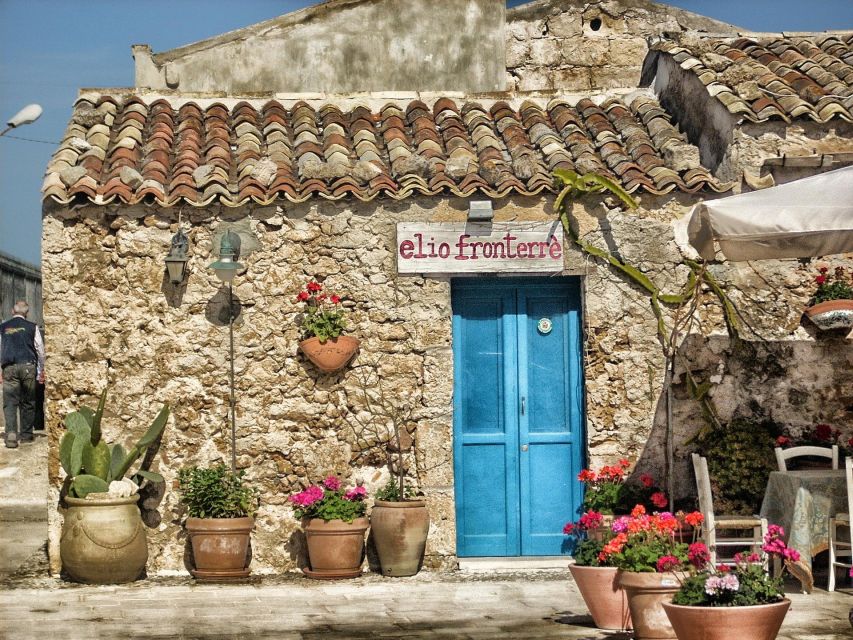
- Marzamemi’s Tonnara: See the old tuna-fishing complex and stroll through Piazza Regina Margherita.
- Ortigia’s historic core: Walk to the Fountain of Arethusa, Piazza Duomo, churches, and Baroque palaces.
- Neapolis Archaeological Park: Visit Syracuse’s open-air archaeological area, with remains from several periods.
- Audio in six languages: Choose Italian, English, French, Spanish, German, or Russian.
- Central Catania pickup: Meet near Duomo Square and return to the same meeting point.
- Good to know: Entrance tickets, food, drinks, and a local guide are not included.
Three Sicilian worlds in one nine-hour day

This outing links three very different parts of southeastern Sicily. Marzamemi gives you a small coastal settlement shaped by fishing. Ortigia brings you into the oldest part of Syracuse, where Greek beginnings sit beneath Christian buildings and Baroque facades. Neapolis then shifts the focus to archaeology and the long story of Syracuse.
That mix is the tour’s main strength. You are not spending the entire day at one excavation or one historic center. Instead, you get a broad sense of why this corner of Sicily matters, from the Ionian Sea to ancient Greek Syracuse.
The tradeoff is pace. A nine-hour day sounds generous until you account for the road between Catania and the southern stops, plus three separate visits. You should book this as an overview, not as a slow, detailed study of every church, ruin, and lane.
Leaving Catania by air-conditioned van
The day begins at the Tourist Service Office near Catania’s Duomo Square. Pickup and drop-off in the city center are included, which keeps the start simple if you are staying near the historic center. You meet the driver there rather than arranging a hotel pickup.
Transport is by comfortable, air-conditioned van. That matters in Sicily, especially on a full day when you will also be walking outdoors. The driver speaks Italian and English, while the audio program is available in six languages.
This is not a traditional guided tour with one local expert walking beside you. The commentary is delivered through the van’s radio system, according to the practical details of the experience. One low rating found the audio file limited and said it provided little information. I would treat the audio as basic orientation, not a substitute for a live guide or a detailed archaeological explanation.
The driver can get you from one stop to the next, but you should not expect the driver to provide full commentary at every sight. If you want layers of historical detail, bring your own guidebook or use the tour’s stops as a framework for independent exploring.
More Audio Tours in Italy
- Rome: Pantheon Fast-Track Ticket and Official Audioguide
★ 4.5 · 27,353 reviews - Rome: Colosseum & Forum with Audio Guide App -Optional Arena
★ 4.2 · 24,770 reviews - Florence: Timed Entry to Michelangelo’s David + Audio App
★ 4.6 · 19,496 reviews
Marzamemi and the old Tonnara
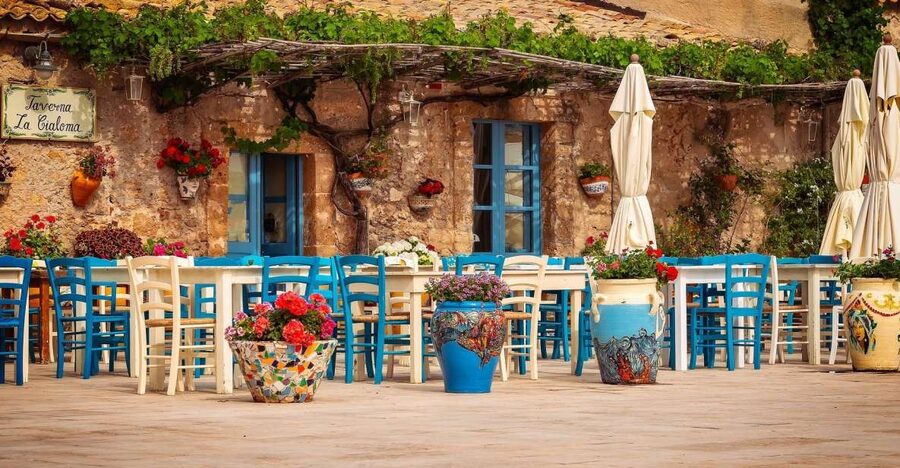
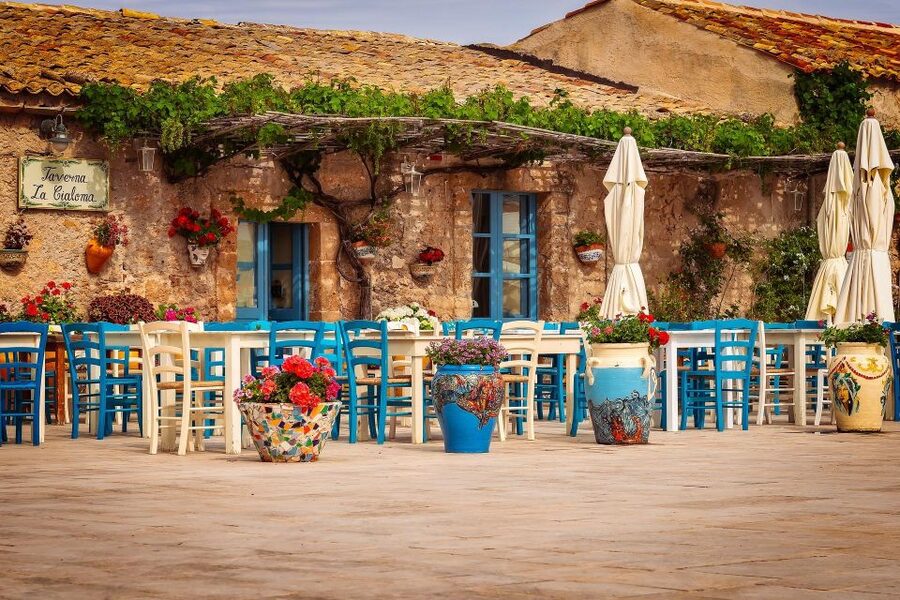
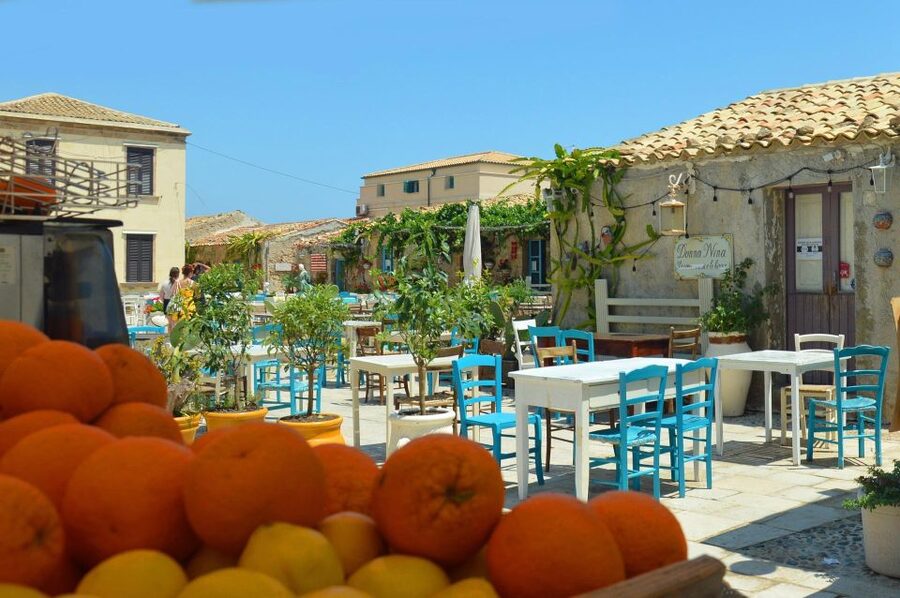
Marzamemi is the first major stop, a small fishing village facing the Ionian Sea. Its character comes from the sea, old buildings, flowers, and bright colors rather than grand monuments. This is a pleasant change after the urban setting of Catania.
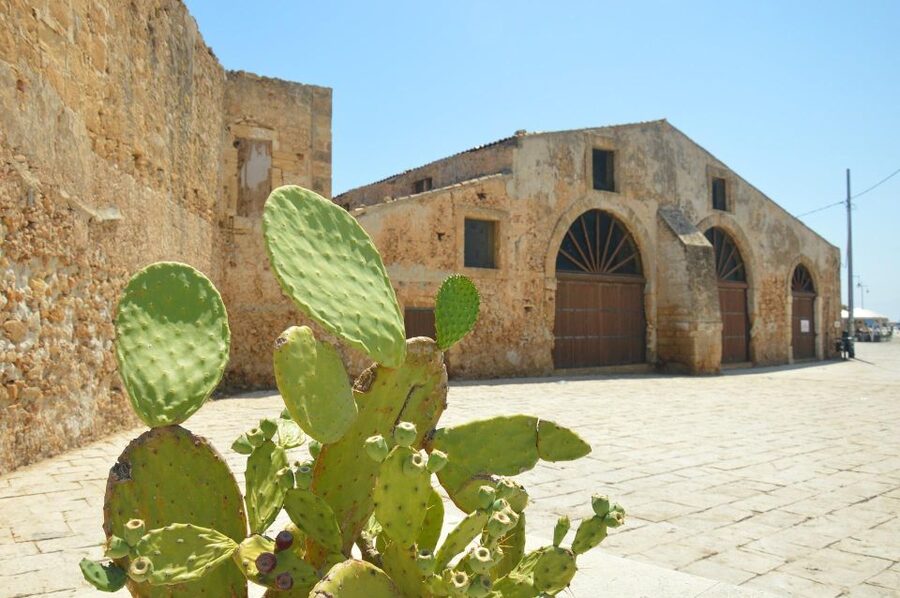
The former Tonnara is the key historical sight. A tonnara was used for tuna fishing and processing, and here you can see the remains of that older working world. The structure gives the village more depth than a simple seaside stroll. You are looking at a place shaped by an industry that once defined local life.
Piazza Regina Margherita is the natural place to walk and get your bearings. The square is surrounded by older buildings and provides the kind of compact setting where you can notice details without following a strict museum route.
The itinerary also points you toward the Litorale Spinazza, a coastal stretch reachable on foot from the Borghetto. This is where you can pause beside the sea. The description does not promise a long beach stay, so plan on a short break rather than a full swimming afternoon.
Marzamemi works best for you if you like atmosphere and photography more than a long list of formal sights. The drawback is that a short visit may leave you wanting more time by the water or in the village. With Ortigia and Neapolis still ahead, keep your pace sensible and avoid assuming you can explore every lane.
Ortigia, Syracuse’s historic island
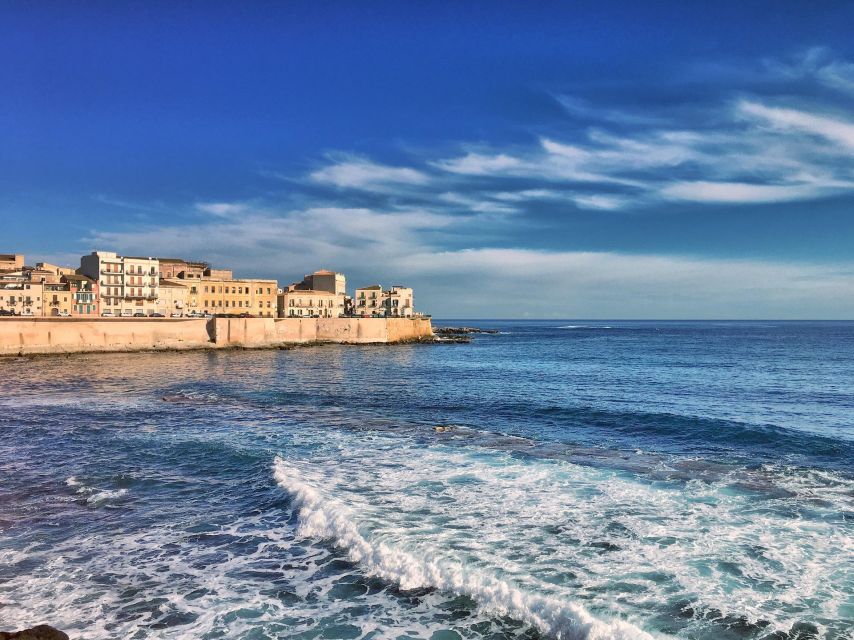
From Marzamemi, the outing continues to Ortigia, the small island that forms the oldest part of Syracuse’s historic center. This is the most rewarding stop for simply walking and looking around.
Ortigia began in the Greek period, but its streets also show later Christian and Baroque layers. That mixture is what makes the island interesting. You might pass from an ancient setting to a church, then turn toward an ornate palace or an open piazza within a few minutes.
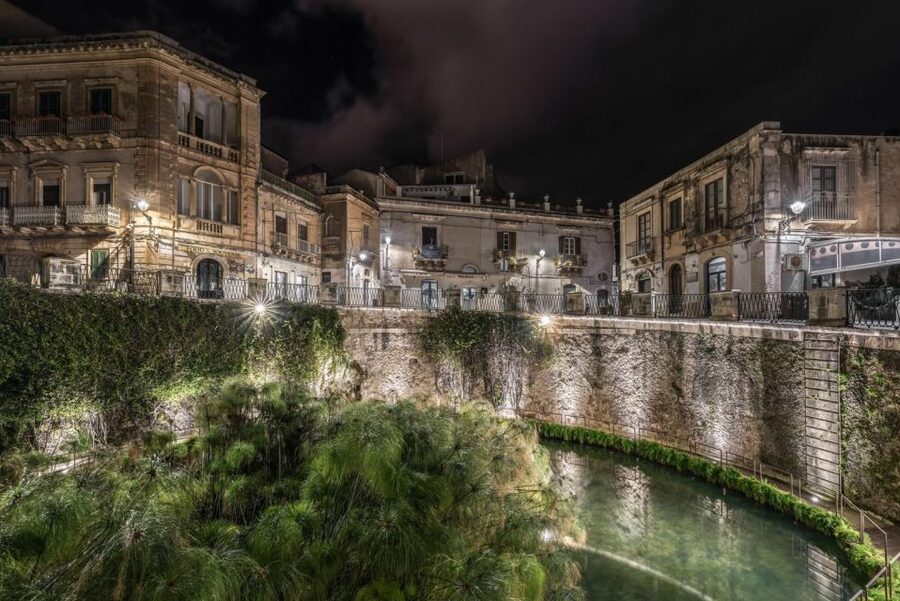
The Fountain of Arethusa is one of the named sights on the route. It is a natural spring beside the waterfront, connected with Greek mythology and the identity of Syracuse. The stop gives you both a point of interest and a chance to enjoy Ortigia’s relationship with the sea.
Piazza Duomo is another central highlight. The square brings together the cathedral and other historic buildings in one of Ortigia’s grandest spaces. The visit also includes Christian churches and Baroque palaces, so pay attention to the contrast between the island’s older Greek roots and the decorative architecture built much later.
This part of the day has a different rhythm from Neapolis. You are walking through a living historic center rather than a fenced archaeological park. The streets can be more rewarding if you allow yourself to look up at facades, pause in the squares, and notice how old and new uses share the same buildings.
Time remains the concern. Ortigia deserves a slow half-day on its own, but this outing divides the day between three destinations. If you want to enter churches or linger over every palace, you may need to choose carefully. Use the audio guide for basic direction, then focus your own attention on the Fountain of Arethusa, Piazza Duomo, and the main Baroque streets.
Neapolis and the Greek story of Syracuse
The final major stop is the Neapolis Archaeological Park in Syracuse. It is described as an open-air museum with evidence from the protohistoric age through the late ancient and Byzantine periods. That span is important: the park is not just a collection of Greek remains, but a record of many stages in the area’s past.
The tour’s focus here is the Greek history of Sicily. Neapolis helps put Syracuse into a wider historical setting, showing why the city became such an important center in the ancient Mediterranean. You can expect ruins spread across an outdoor site rather than a single enclosed gallery.
Because this is an archaeological park, comfortable footwear and sun protection are sensible choices. The supplied information does not specify the exact walking route, the time allotted inside, or which individual monuments are included. That uncertainty makes it hard to promise a detailed park visit. You should be ready for an introductory stop with independent walking.
The audio guide may help you identify the main attractions, but do not expect the same level of explanation as a dedicated archaeologist-led visit. If ancient history is your main reason for booking, compare this outing with a Syracuse tour that includes a local guide and clearly lists entrance fees.
Still, Neapolis is a valuable part of the day because it gives the trip a firm historical anchor. Marzamemi shows a coastal community shaped by fishing. Ortigia shows a historic center still used as a town. Neapolis lets you look directly at the ancient remains that made Syracuse such an important destination.
Another self-paced route in Italy:
- Rome: City Sightseeing Hop-on Hop-off Bus with Audioguide
★ 4.0 · 16,045 reviews - Pompeii: Entry Ticket with Audio Guide
★ 4.1 · 13,491 reviews - Venice: La Fenice Opera House Entry Ticket with Audio Guide
★ 4.6 · 11,742 reviews - Rome: Colosseum, Forum, Palatine Hill Entry & Audioguide App
★ 4.4 · 10,957 reviews
What the $130.28 price really covers
The listed price is $130.28 per person. For that amount, you receive round-trip transport from central Catania, an air-conditioned van, the multilingual audio guide, and insurance. You are paying mainly for convenience and for fitting three destinations into one organized day.
That can be good value if you do not have a rental car and want to avoid piecing together transport between Catania, Marzamemi, Ortigia, and Neapolis. It also saves you from navigating unfamiliar roads and arranging a separate return trip.
The price does not include entrance tickets, food, drinks, or a local guide. These exclusions matter most at Neapolis, where an entrance fee may be required, and during a nine-hour outing when you will need to plan for something to eat and drink. Since food and drinks cannot be taken in the vehicle, plan your purchases around the stops rather than expecting to snack while driving.
The value is weaker if you want a slow visit, full archaeological commentary, or a carefully guided walk through each historic center. One rating described the day as poorly organized and too short, and found the audio to be a simple recording with limited information. That is a fair warning for anyone comparing this with a private guide or a small-group history tour.
Practical details that affect your day
The activity lasts nine hours, with starting times shown when you check availability. The day ends back at the meeting point near Catania’s Duomo Square, so you do not need to arrange a separate return transfer.
Bring a passport or identity card. A copy is accepted. Smoking, food, drinks, alcohol, and drugs are not allowed in the vehicle.
The information is mixed on mobility. The activity is marked wheelchair accessible, but it is also described as not suitable for people with mobility impairments. Since the day includes walking through Ortigia and an outdoor archaeological park, you should confirm the exact vehicle and walking arrangements before paying if you use a wheelchair or have limited mobility.
Cancellation is free up to 24 hours before departure, and you can reserve now while paying later. Those terms help if your Catania plans are not yet fixed, but they do not change the central question: can you enjoy three stops at a fairly brisk pace?
Who will enjoy this tour most
I would recommend it to you if you have limited time in Sicily and want a broad introduction to the southeast. It suits someone based in Catania who does not want to rent a car, plan several train or bus connections, or spend hours comparing routes.
It is also a good fit if you value variety. In one day, you move from a fishing village to a historic island and then to an archaeological park. The stops feel different enough that the day should not become visually repetitive.
You may be less satisfied if your priority is deep history. The audio commentary is multilingual, but it is not a live guide, and the available feedback describes the recording as limited. You may also find the day rushed if you prefer long meals, shopping, extended beach time, or unhurried photography.
For the best experience, decide in advance which details matter most. If Marzamemi is your priority, protect time for the village and the coast. If ancient Syracuse matters most, use your time at Neapolis carefully and consider adding a separate guided visit on another day.
Should you book the Catania to Syracuse and Marzamemi day trip?
Book it if you want a practical three-place overview from Catania, especially without a car. The included transport, central meeting point, air conditioning, and return to Catania make the logistics easy. The driver service has also been positively noted, and the six-language audio gives you basic support during the day.
Skip it if you expect a personal guide, detailed commentary, or generous time at each stop. The $130.28 cost becomes harder to justify once you add entrance fees and meals, particularly if you could arrange a slower visit with more focused guiding.
My call: this is a useful first look at southeastern Sicily, not the final word on Syracuse. Book it for breadth and convenience. Choose another format if you want archaeology explained in detail or Ortigia explored at a relaxed pace.
FAQ
Where does the tour start?
You meet the driver at the Tourist Service Office near Duomo Square in central Catania.
Where does the tour end?
The activity ends back at the same meeting point near Duomo Square.
How long does the experience last?
The tour lasts nine hours. You need to check availability for the specific starting time.
What destinations are included?
The route includes Marzamemi, the island of Ortigia in Syracuse, and the Neapolis Archaeological Park in Syracuse.
Is transportation included?
Yes. Pickup and drop-off in Catania city center are included, with travel in an air-conditioned van.
Is a local guide included?
No. A local guide is not included. The experience provides an audio guide instead.
What languages are available for the audio guide?
The audio guide is available in Italian, English, French, Spanish, German, and Russian.
Are entrance tickets included?
No. Entrance tickets are not included in the price.
Can I cancel the booking?
Yes. You can cancel up to 24 hours in advance for a full refund. You can also reserve now and pay later.
Latest audio tours in Italy
- Orgosolo Multilingual Audioguide★ 4.5 · 42 reviews
- Pantheon Skip the Line Entry Tickets with Digital Audio Guide★ 3.5 · 52 reviews
- St. Peter’s Basilica: Dome Climb with Lift & Audioguide★ 4.5 · 13 reviews
- Audio guide in Vatican Museums and Sistine Chapel★ 4.5 · 12 reviews
- The Roman Jewish Ghetto: A Self-Guided Audio Tour★ 4.0 · 8 reviews
- Experience: The Pantheon Audio Tour★ 4.5 · 4 reviews
- Trastevere: A Self-guided Audio Tour of Rome’s Medieval Village★ 4.5 · 3 reviews
- Navova square underground with audioguide★ 4.5 · 17 reviews
Italy Audio Tours, compared.
Pantheon Fast-Track Ticket and Official Audioguide
Read our review →
Colosseum & Forum with Audio Guide App -Optional Arena
Read our review →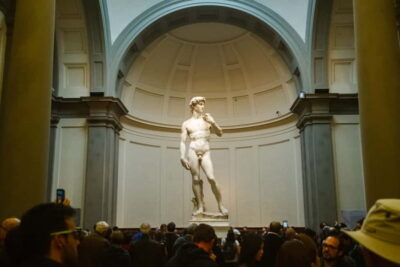
Timed Entry to Michelangelo’s David + Audio App
Read our review →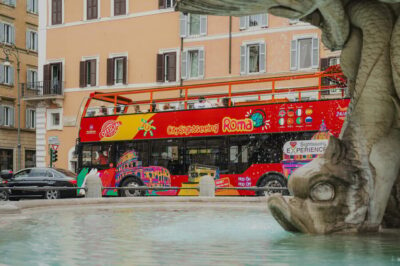
City Sightseeing Hop-on Hop-off Bus with Audioguide
Read our review →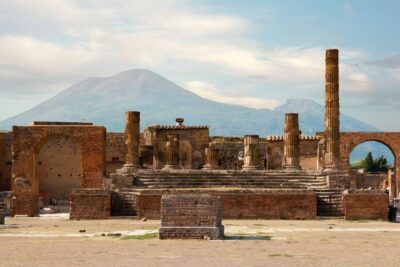
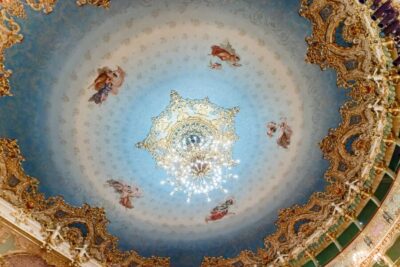
La Fenice Opera House Entry Ticket with Audio Guide
Read our review →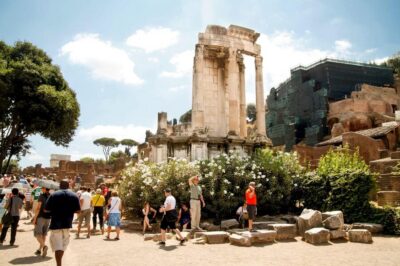
Colosseum, Forum, Palatine Hill Entry & Audioguide App
Read our review →