Reviewed · ITALY
Selinunte: Archeological Park Entry Ticket & App Audioguide
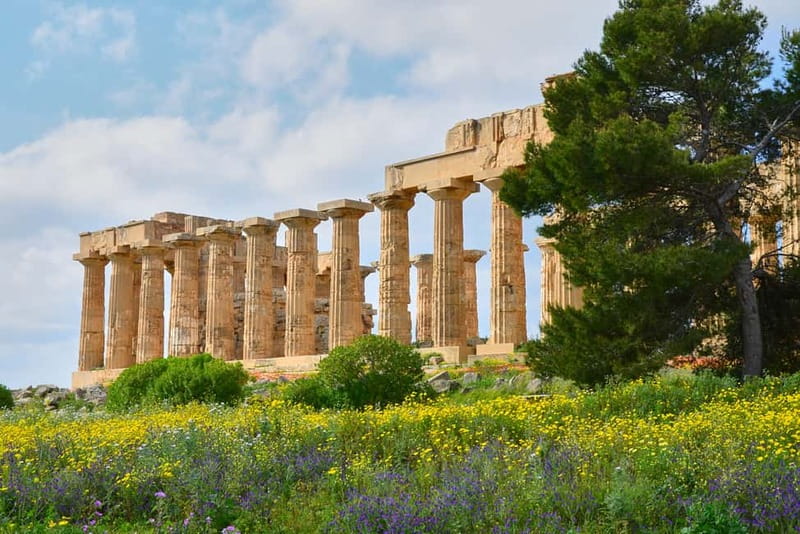
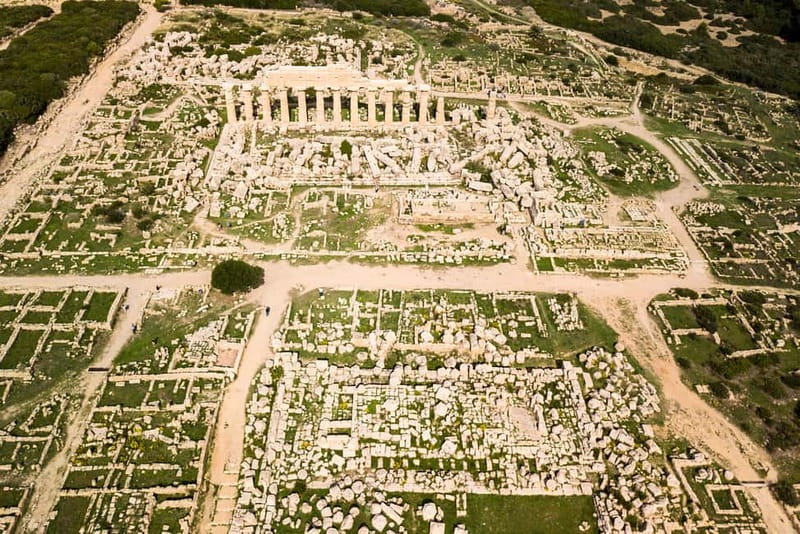
Selinunte is not a quick stop for one famous temple. It is a huge archaeological park spread across ancient sanctuaries, temples, burial grounds, and quarry remains. The one-day ticket gives you time to see the site at your own pace, with the option to walk, use an e-car, or take the small train.
I like two things right away: skip-the-line entry saves time at the ticket office, and the ticket includes a digital postcard through Pemcard, a simple way to send a photo from Sicily. The main drawback is that this is entry only. There is no guide or audio guide included, so you will need to bring your own reading material or rely on the signs.
- Seven temples and ancient sanctuaries show the scale of Selinunte’s Greek past.
- The Sanctuary of Malophoros offers a different experience from the larger temple areas.
- The necropolis and Caves of Cusa expand the visit beyond the central ruins.
- Doric architecture gives you a close look at one of the oldest Greek building styles.
- Walking, e-cars, and a small train let you choose how much ground to cover.
- A digital postcard is included, but the single-entry ticket does not include a guide.
Why Selinunte Deserves a Full Day
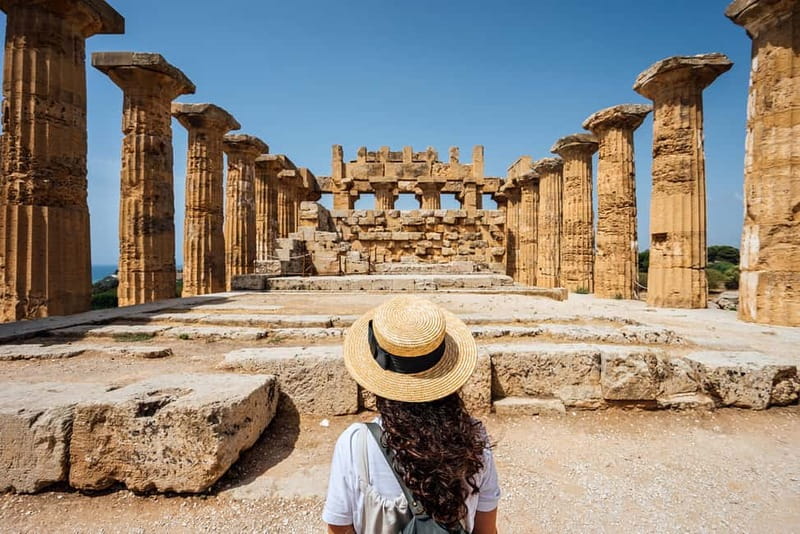
Selinunte was founded by colonists from Megara Hyblea and took its name from selinon, the wild parsley that grew in the area. More than 2,500 years later, the site covers a vast stretch of ancient Sicily, with temples, sanctuaries, burial areas, quarries, and scattered architectural remains.
The size is both the park’s great strength and its main challenge. You are not simply walking from a ticket booth to one monument, taking a photo, and leaving. The experience works best when you give yourself time to understand the relationship between the different areas.
At $23 per person, the ticket is priced more like a full archaeological visit than a short attraction. I think the value is good if you plan to spend much of the day here and want the freedom to choose your own pace. It is less compelling if you only have time for a brief look at one temple.
The park is also wheelchair accessible, an important practical point for anyone planning around mobility needs. Still, because the site is large and spread out, you should consider how you want to move between its areas before setting off.
Exchanging the Voucher at the Ticket Office
The digital voucher is not the final admission ticket. You must exchange it at the archaeological park ticket office for the official entry ticket. This is the one step to remember before heading into the ruins.
The skip-the-line benefit is useful here. It does not turn the park into a guided visit, but it can reduce time spent waiting to buy admission. Show your voucher at the ticket office, collect the official ticket, and then enter the park for a single visit.
Because the ticket allows one entry only, do not treat the entrance as a place to come and go throughout the day. Plan your visit before you pass through. This matters more at Selinunte than at a compact museum because the park contains several separate zones.
More Audio Tours in Italy
- Rome: Pantheon Fast-Track Ticket and Official Audioguide
★ 4.5 · 27,353 reviews - Rome: Colosseum & Forum with Audio Guide App -Optional Arena
★ 4.2 · 24,770 reviews - Florence: Timed Entry to Michelangelo’s David + Audio App
★ 4.6 · 19,496 reviews
The Temples and Early Doric Architecture
The temples are the main reason most people come to Selinunte, and the park gives you an unusually broad look at ancient Greek building methods. Several remains are still in good condition, with examples built according to the Doric order.
Doric architecture is known for its strong, restrained form. The columns and proportions are less decorative than later Greek styles, and the effect is sturdy rather than delicate. At Selinunte, the surviving pieces help you read the structure instead of seeing only a pile of stones.
I suggest taking time to look at the details that are easy to miss in a quick photo stop. Notice the scale of the columns, the spacing between them, and the size of the temple platforms. Even when a building is incomplete, the foundations and scattered blocks show how much labor went into creating it.
The park includes seven temples, though the condition and completeness of the remains vary. Some areas offer more recognizable architectural features, while others require a little imagination. That variation is part of the visit. You are seeing a long archaeological record, not a polished reconstruction.
The Sanctuary of Malophoros
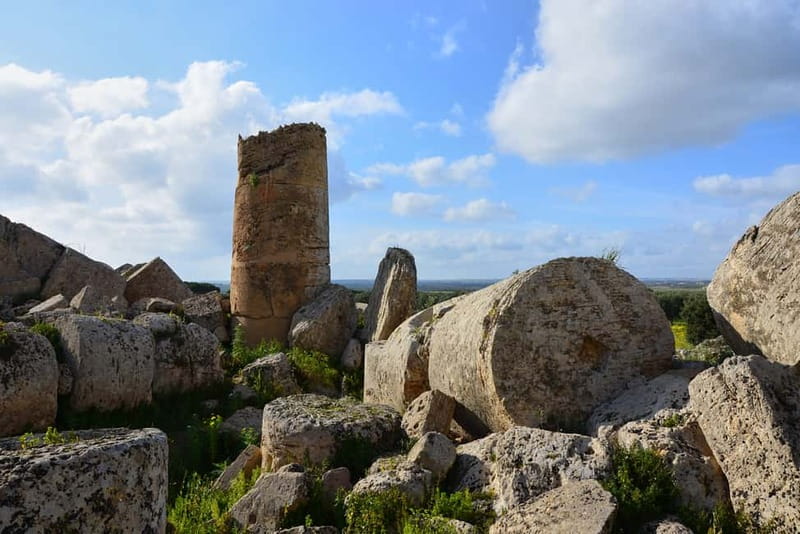
The Sanctuary of Malophoros is one of the named highlights of the park and an important stop for anyone interested in the religious life of ancient Selinunte. It gives you a chance to move beyond the large temple structures and consider the smaller, more focused spaces used for worship.
The word sanctuary can sound grand, but these areas often make the ancient site feel more human. Instead of concentrating only on columns and monumental scale, you can think about how people gathered, brought offerings, and practiced religious rituals.
The available information does not specify a guided explanation at this stop, so you should not expect a staff member to walk you through its meaning. The ticket gives you access, not a personal interpretation. If you want detailed background, bring your own guidebook or use an independent app.
The Necropolis: A Different Side of the Site
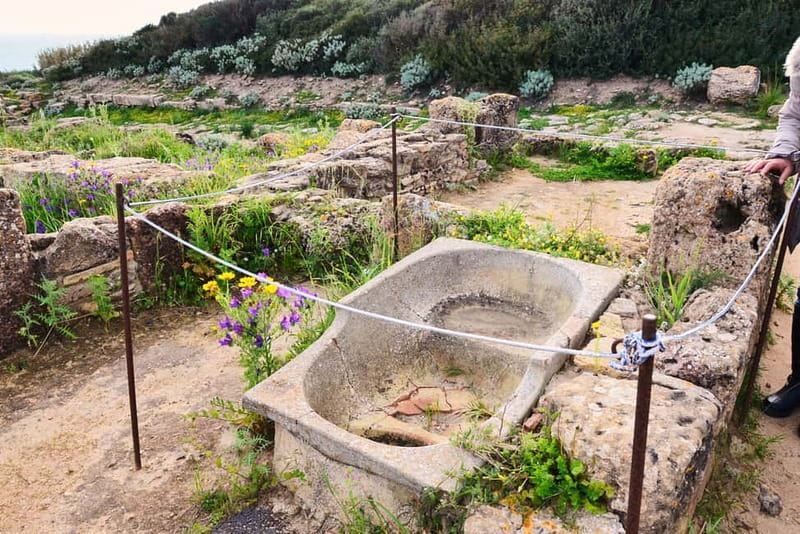
The necropolis adds another layer to Selinunte. Temples show public religious and civic ambition, while burial areas point toward the people and customs connected with the ancient city.
This is a useful contrast during a long visit. You can move from monumental architecture to a place associated with death and remembrance, then think about how the city functioned as a community. The necropolis also helps explain that Selinunte was more than a collection of temples. It was an inhabited place with generations of people.
Do not rush past this section simply because it lacks the visual drama of a standing temple. Archaeological sites become easier to understand when you connect grand buildings with ordinary human life. The necropolis helps make that connection.
Another self-paced route in Italy:
- Rome: City Sightseeing Hop-on Hop-off Bus with Audioguide
★ 4.0 · 16,045 reviews - Pompeii: Entry Ticket with Audio Guide
★ 4.1 · 13,491 reviews - Venice: La Fenice Opera House Entry Ticket with Audio Guide
★ 4.6 · 11,742 reviews - Rome: Colosseum, Forum, Palatine Hill Entry & Audioguide App
★ 4.4 · 10,957 reviews
The Caves of Cusa and the Work Behind the Temples
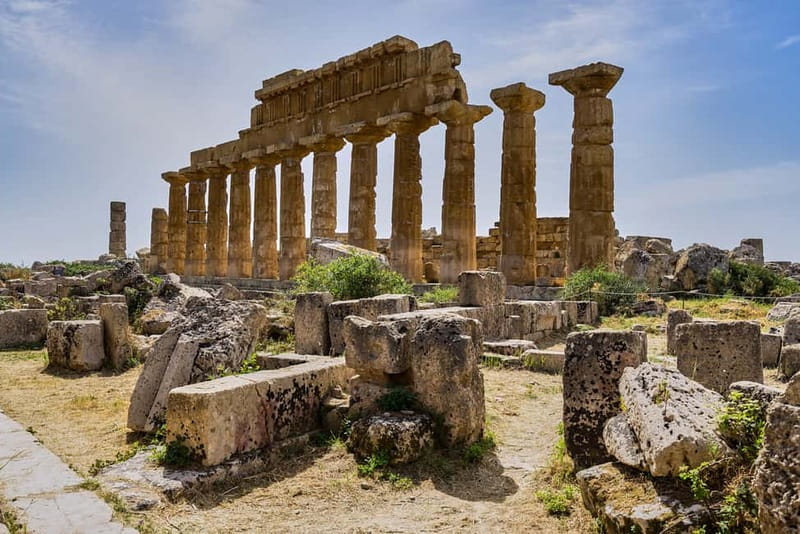
The Caves of Cusa show where some of Selinunte’s building material came from. Their inclusion makes the visit feel larger than a tour of finished monuments. You are also seeing part of the process that created them.
The quarries help you picture the effort behind the temples. Stone had to be extracted, shaped, and moved before it could become a column or architectural block. Even when the final structures are damaged, the quarry areas give useful context for the work that took place before construction.
The Caves of Cusa are included among the areas you can visit, but the supplied details do not specify the exact transport schedule or route between each section. You can explore on foot, use an e-car, or take a small train, so ask at the park if you need help planning the order of your stops.
Walking, E-Cars, and the Small Train
Selinunte’s size makes transportation more than a minor convenience. You can walk through the park, but a full visit on foot may feel demanding because the site covers a large area. An e-car or small train can help you cover more ground and save energy for the monuments themselves.
The choice depends on what you want from the day. Walking gives you the most control and lets you pause whenever a ruin catches your attention. It also makes the visit slower, which can be a good thing if you enjoy reading remains closely.
The small train is a practical option when you want an easier overview. An e-car may suit you if you want help crossing the park while keeping more flexibility. The ticket information does not say that either option is included in the $23 admission, so treat them as transport choices within the park rather than guaranteed parts of the ticket.
If mobility is a concern, the park’s wheelchair accessibility is reassuring. Still, accessibility does not necessarily mean every path or ruin is equally easy to reach. Contact the park directly if you need precise information about routes, vehicles, or access to individual areas.
What You Get for $23
The $23 price covers entry to the archaeological park and the digital postcard. It does not cover a guided tour or an audio guide. That distinction matters because the title may suggest app-based interpretation, but the supplied details specifically list the audio guide as not included.
For independent visitors, this is a straightforward deal. You pay for access to one of Sicily’s largest archaeological areas, then decide how to spend your time. You are not tied to a group schedule, and you can pause at the temples, sanctuaries, necropolis, or quarry areas as you wish.
For visitors who want historical explanations at every stop, the value is less complete. You may need to pay separately for transport or arrange your own guide material, depending on what you choose inside the park.
The digital postcard is a pleasant extra rather than a major reason to book. After your visit, you can use Pemcard to send a digital photo postcard to friends or family. The instructions for downloading it are provided separately, so save them before or during your visit.
What the Strong Points and Weak Points Really Mean
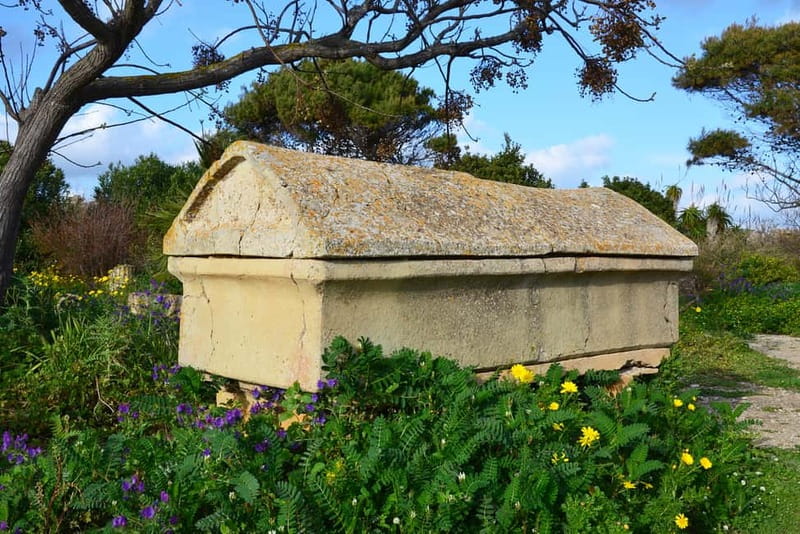
The most praised practical feature is the smooth ticket exchange. You show the voucher at the ticket office and receive the official ticket, making the arrival process simple when the entrance is busy.
The park itself is well maintained in the areas noted by customers, and the price is seen as fair for the service provided. That is encouraging for a site of this size, where upkeep can make a major difference to the experience.
The main criticism is signage. You may find that directions and explanations could be clearer in some parts of the park. This is not a serious problem if you arrive prepared, but it can make a large site harder to read, especially if you are trying to see everything in one visit.
My practical advice is simple: take a screenshot of your voucher, save the postcard instructions, and decide in advance whether you want to walk or use park transport. The more planning you do before entering, the less time you will spend figuring out the site’s layout.
Who Will Enjoy This Ticket Most
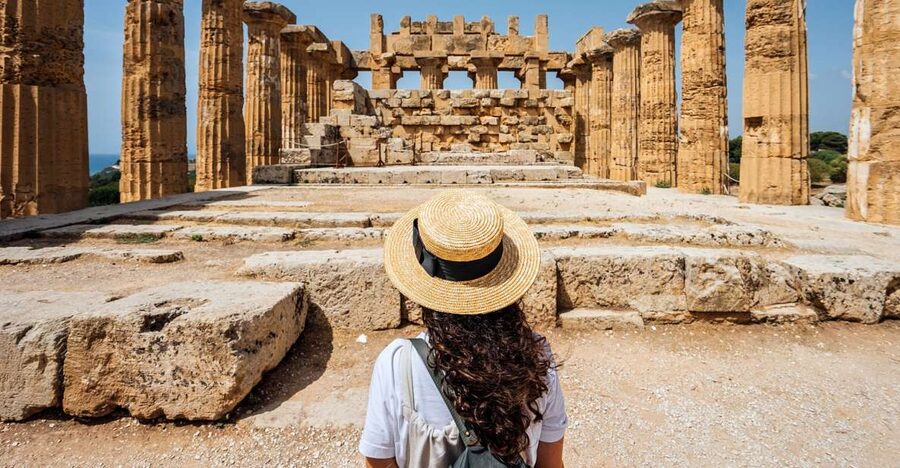
I would choose this experience if you want independent access to Selinunte and do not need a guide to lead you from monument to monument. It suits people who enjoy archaeology, ancient Greek architecture, photography, and open-air sites where the ruins are spread out.
Families may appreciate the freedom to pause and change the pace. The small train or e-car may also make a long visit easier, though the ticket details do not confirm that those services are included in the admission price.
It is also a sensible choice for visitors who want to avoid a fixed tour schedule. You can focus on the temples, spend more time at the Sanctuary of Malophoros, or give extra attention to the necropolis and Caves of Cusa.
I would think twice if you need detailed explanations at every stop. Since no guide or audio guide is included, this ticket works best when you are comfortable preparing your own context.
Booking, Cancellation, and One-Day Use
The ticket is valid for one day, with starting times shown when you check availability. You can cancel up to 24 hours in advance for a full refund, and the reserve-now, pay-later option lets you hold your plans without paying immediately.
Those terms are useful for a Sicilian itinerary, where weather, driving plans, and changing schedules can affect your day. Just remember that the park ticket itself permits one entry only.
The activity ends back at the meeting point, which is the archaeological park ticket office. There is no separate tour route or guide-led ending to plan around.
Should You Book Selinunte’s Entry Ticket?
Book it if you want a flexible, full-day visit to a very large ancient site and are happy to explore independently. The skip-the-line entry, reasonable price for park access, wheelchair accessibility, and included digital postcard make it a practical choice.
Do not book it expecting a guided history lesson or an included app audio guide. Bring your own information if you want detailed explanations, and allow enough time to make the size of Selinunte work in your favor.
For most independent visitors to western Sicily, this is a sound way to enter the park. The ruins are extensive, the temples show some of the oldest Greek architectural traditions, and the Caves of Cusa and necropolis keep the visit from becoming a single-monument stop.
FAQ
Where is the archaeological park located?
The park is in Selinunte, Sicily, Italy.
How long is the ticket valid?
The ticket is valid for one day.
Does the ticket allow more than one entry?
No. The voucher allows a single entry into Selinunte Archaeological Park.
Is a guided tour included?
No. A guided tour is not included.
Is an audio guide included?
No. The audio guide is listed as not included.
What does the $23 price include?
It includes entry to the archaeological park and a digital postcard.
How do I use the voucher?
Exchange the voucher at the archaeological park ticket office for the official entry ticket.
Can I explore the park by transport?
Yes. You can explore on foot, in an e-car, or on a small train. The supplied information does not state that these transport options are included in the ticket price.
Is the park wheelchair accessible?
Yes, the activity is listed as wheelchair accessible.
Can I cancel the booking?
Yes. You can cancel up to 24 hours in advance for a full refund.
Latest audio tours in Italy
- Orgosolo Multilingual Audioguide★ 4.5 · 42 reviews
- Pantheon Skip the Line Entry Tickets with Digital Audio Guide★ 3.5 · 52 reviews
- St. Peter’s Basilica: Dome Climb with Lift & Audioguide★ 4.5 · 13 reviews
- Audio guide in Vatican Museums and Sistine Chapel★ 4.5 · 12 reviews
- The Roman Jewish Ghetto: A Self-Guided Audio Tour★ 4.0 · 8 reviews
- Experience: The Pantheon Audio Tour★ 4.5 · 4 reviews
- Trastevere: A Self-guided Audio Tour of Rome’s Medieval Village★ 4.5 · 3 reviews
- Navova square underground with audioguide★ 4.5 · 17 reviews
Italy Audio Tours, compared.
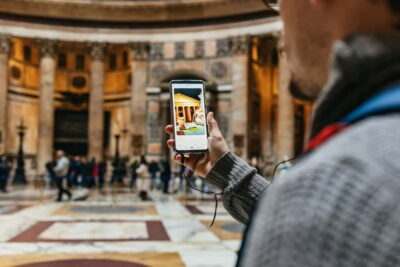
Pantheon Fast-Track Ticket and Official Audioguide
Read our review →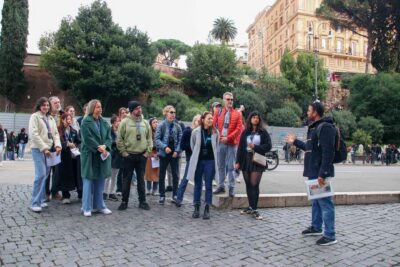
Colosseum & Forum with Audio Guide App -Optional Arena
Read our review →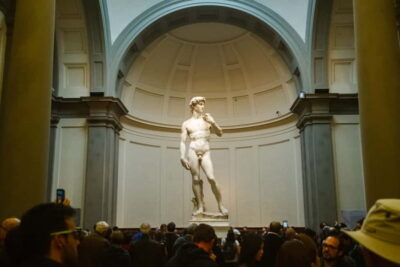
Timed Entry to Michelangelo’s David + Audio App
Read our review →
City Sightseeing Hop-on Hop-off Bus with Audioguide
Read our review →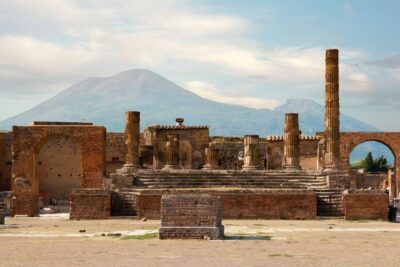

La Fenice Opera House Entry Ticket with Audio Guide
Read our review →
Colosseum, Forum, Palatine Hill Entry & Audioguide App
Read our review →