Reviewed · AUDIO TOURS
Rotorua Railcruising: Self-Drive Rail Car with Audio Guide
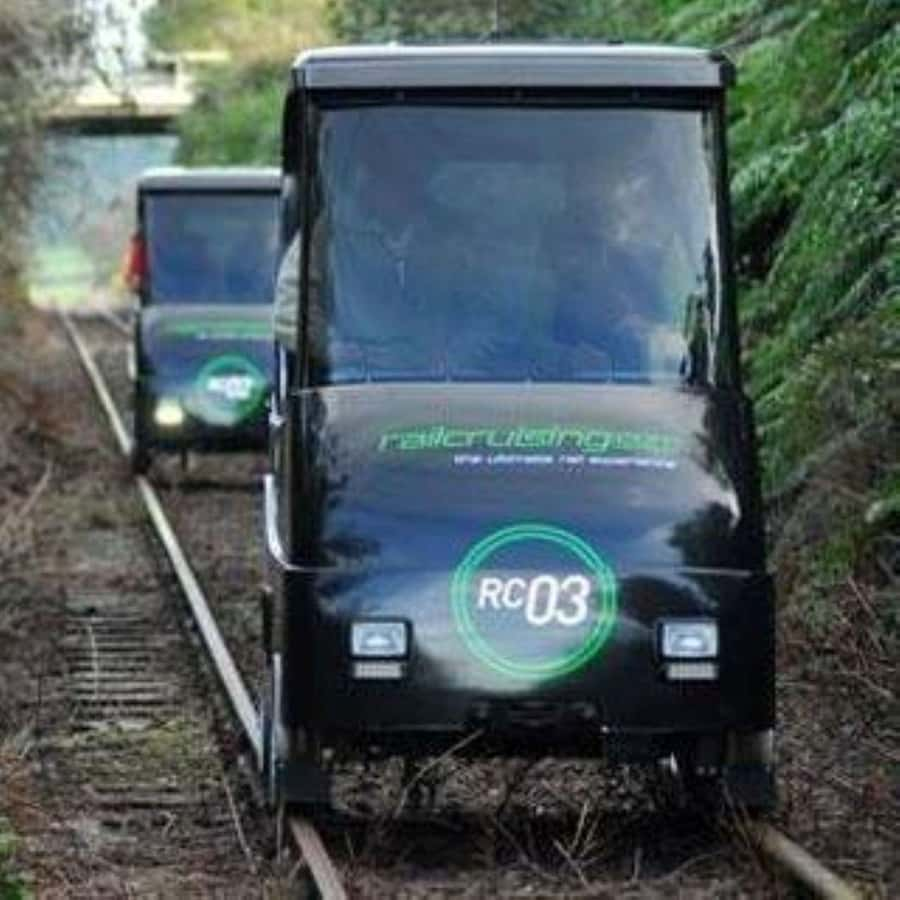
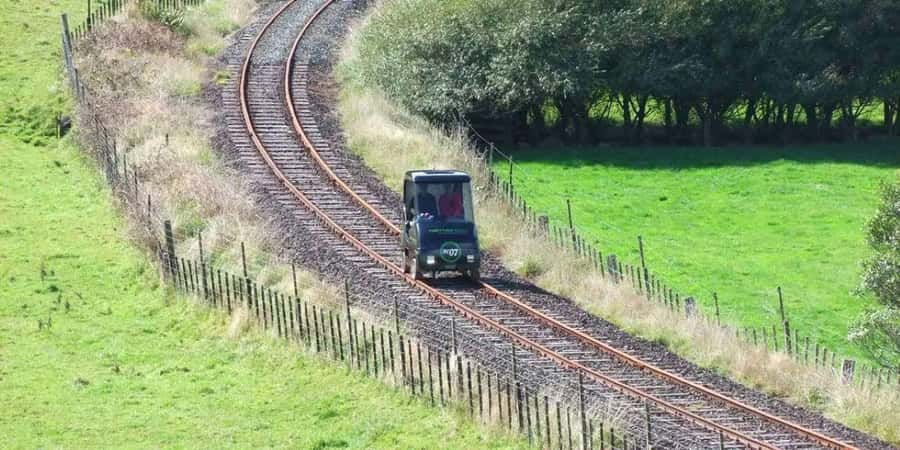
The unusual part is also the main attraction: you drive your own small rail car on a real railway line. At a gentle 20 km/h, you get open views of the countryside, Lake Rotorua, and Mount Tarawera while the audio guide explains the railway and the people connected with it. This is a hands-on heritage outing, not a high-speed thrill ride.
I like the private rail car format, which gives your group its own space and a clear view in every direction. I also like the practical comforts: covered seating, clear side windows for wet or windy weather, blankets, and hot drinks at Mamaku Station. The main drawback is pace. If you want action, dramatic railway engineering, or a packed list of sights, two hours may feel slow and a little light on big highlights.
Key points to know before you go
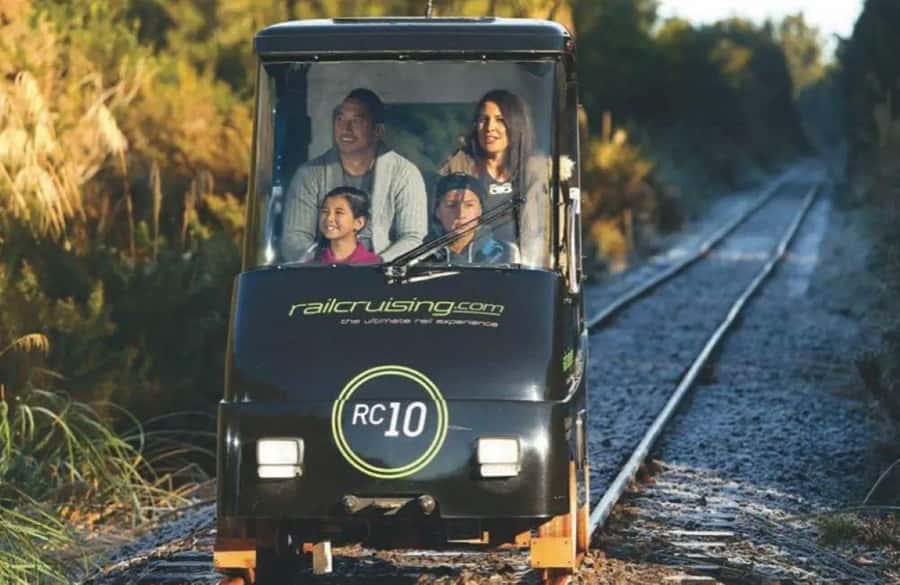
- You drive a petrol-electric rail car: The experience is hands-on, but the top speed is a calm 20 km/h.
- The route begins at Ngongotaha or Mamaku: Check your departure point carefully when booking.
- Lake Rotorua and Mount Tarawera provide the big views: Sightseeing is best approached as a slow scenic outing.
- The audio guide adds railway context: It explains the local line and the people who built it, though some static may occur.
- Blankets and clear side windows help in poor weather: You can still go out on cooler or rainy days with sensible clothing.
- Mamaku Station includes tea, coffee, and milo: A complimentary shuttle is available for one-way trips.
A railway ride with a steering wheel
Rotorua Railcruising gives you a rare kind of outing. You are not sitting in a large carriage watching someone else operate the train. You take the controls of a compact hybrid rail car and guide it along the historic Rotorua Railway.
That makes the first few minutes part of the fun. You need to pay attention, get comfortable with the controls, and settle into the rhythm of moving on rails. The car travels at up to 20 km/h, so there is no need to rush. The slow speed lets you look around instead of staring at the track ahead.
This is best understood as a scenic heritage ride with a driving element. The petrol-electric setup is a practical feature, but the real appeal is the mix of control, quiet travel, and old railway character. You get something more personal than a standard sightseeing vehicle, without needing to commit to a strenuous activity.
The cars are covered, and the seating is designed for comfort. Clear waterproof side windows can be used when rain or wind arrives, while blankets are available for cooler days. You should still bring weather-appropriate clothing, sunscreen, drinks, and a charged smartphone. New Zealand weather can change quickly, and the ride is more enjoyable when you are prepared rather than hoping the forecast behaves.
More Audio Tours in the world
- Barcelona: Sagrada Familia Entry Ticket with Audio Guide
★ 4.6 · 105,312 reviews - Rome: Pantheon Fast-Track Ticket and Official Audioguide
★ 4.5 · 27,353 reviews - Barcelona: Casa Batlló Entry with Self-Audioguide Tour
★ 4.7 · 25,359 reviews
Choosing Ngongotaha or Mamaku Station
The experience can begin at either Ngongotaha Station or Mamaku Railway Station. That matters because your starting point shapes the practical side of the outing, particularly if you are arranging your own transport.
If you start at Ngongotaha, you set off from the Rotorua side of the experience. If you start at Mamaku, you begin from the other end and can enjoy tea, coffee, or milo at the station. The information provided does not give a different itinerary or a separate attraction at each starting point, so choose the departure location that best fits your day.
Ask about the shuttle if you are booking a one-way arrangement. A complimentary shuttle is included for one-way trips, which can make the plan easier if you do not want to return to your starting station by car. For a standard outing, expect about two hours, including the rail journey and the turnaround at the destination.
Because this is a private group activity, you are not being placed in a large shared carriage with strangers. That makes it a good fit for families, couples, or a small group that wants to set its own pace within the operating rules. It also makes the $44 per person price easier to judge: you are paying for a hands-on activity and a private group setting, not simply transport from one point to another.
What the two-hour route feels like
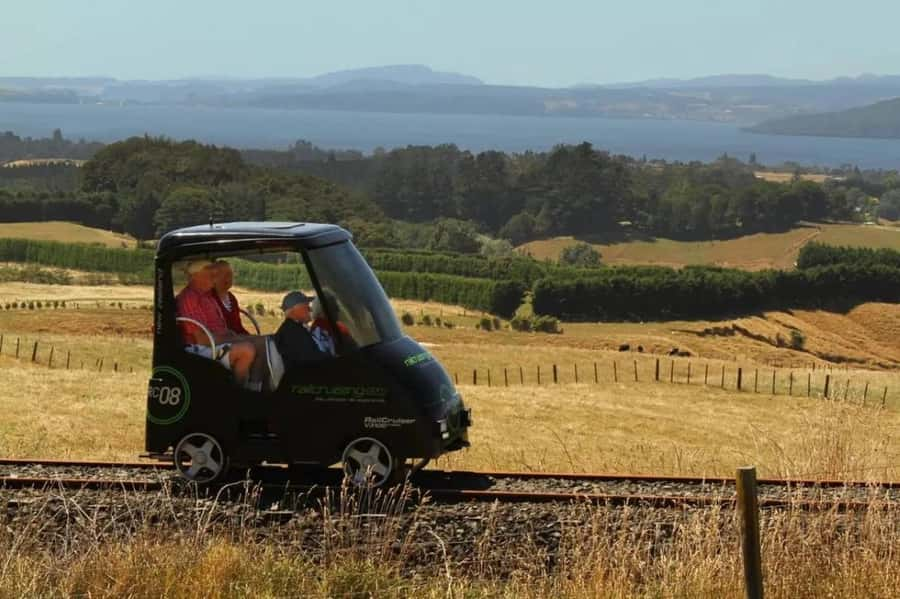
The ride starts with an introduction to the rail car and the basic idea of self-driving on the line. From there, you move along the track at a relaxed speed, with the audio guide providing background about the railway and the surrounding area.
The route is not designed as a constant series of attractions. Instead, it gives you time to watch the scenery change and notice details that would pass quickly from a road vehicle. You can look to the sides without a carriage wall blocking the view, and the open sightlines are one of the strongest reasons to book.
You might see views toward Lake Rotorua and Mount Tarawera, depending on conditions and where you are along the route. These are scenic rewards rather than guaranteed close-up stops. The supplied information does not describe a formal walking visit, museum stop, or extended sightseeing break, so do not book this expecting a full day of scheduled activities.
The audio guide fills in the quiet stretches. It explains the railway and the local area, including the story of a man who built the railway. That historical angle gives the ride a purpose beyond simply moving down the tracks. You are not just looking at scenery. You are also hearing how this railway came to be and why it matters.
The commentary has been praised as informative, but some static can occur in certain locations. Bring your charged smartphone as requested, and keep expectations sensible. This is an audio tour built into a moving outdoor experience, not a polished theater presentation.
The turnaround is part of the charm
At the destination, you watch the rail cars get turned around for the return trip. This is a useful part of the railway experience because it shows how the cars are handled on the line rather than hiding all the work behind the scenes.
It also gives the journey a clear midpoint. You get a short change of perspective, then travel back along the route toward your starting point or onward to the arrangement made for a one-way trip. The turnaround may be more interesting to people who enjoy railway mechanics than to children expecting a dramatic attraction.
That distinction is important. The rail car is small and distinctive, but this is not a roller coaster or a fast train. The ride has no promise of high-speed thrills, and the 20 km/h maximum makes that clear. Children who like vehicles, controls, and transport history may have a good time. Children who need constant action could lose interest during the longer scenic stretches.
Another self-paced route in the world:
- Rome: Colosseum & Forum with Audio Guide App -Optional Arena
★ 4.2 · 24,770 reviews - Amsterdam: 75 Minute City Canal Cruise with Audio Guide
★ 4.4 · 19,938 reviews - Florence: Timed Entry to Michelangelo’s David + Audio App
★ 4.6 · 19,496 reviews - Amsterdam: City Centre Canal Cruise including Audioguide
★ 4.3 · 16,901 reviews
Views, weather, and comfort on the line
The best seats are the ones that let you enjoy the unobstructed views. The rail car design keeps the experience close to the outdoors, while the roof and clear side windows give you some protection when conditions turn wet or windy.
That balance works well in Rotorua. You can keep the sides open for better views when the weather is kind, then use the waterproof clear panels when it is not. Blankets are included for cooler days, but I would still wear layers and bring a rain jacket. The supplied packing advice also includes sunscreen, which is easy to overlook on a cloudy day.
Bring your own drinks unless you plan to use the refreshments at Mamaku. Tea, coffee, and milo are available there, but the information does not say that drinks are provided throughout the trip. A camera is worth packing because the ride offers unobstructed views, and your phone is useful for the audio guide and photographs.
People prone to motion sickness should think carefully before booking. The activity specifically lists motion sickness as a reason it may not be suitable. Even at a low speed, movement on a rail car can affect some people, especially during a two-hour outing.
The people make a difference
The staff at each end of the journey add warmth to an experience that could otherwise feel fairly technical. Two men, one at each end, have been described as friendly and informative, with useful ideas for developing the activity further. Their presence helps explain how the rail cars work and gives the outing a more personal touch.
You should take advantage of that contact. Ask questions about the railway, the rail car, or the turnaround rather than treating the staff as people who simply start and stop the vehicle. The audio guide supplies the formal commentary, but the staff can add the human connection that makes a heritage activity memorable.
The audio itself covers the railway and local area, with special attention to the person who built the line. It is a good addition for anyone who wants context while looking at the scenery. The occasional static is worth noting, though it does not remove the value of having recorded information during the ride.
Is $44 per person good value?
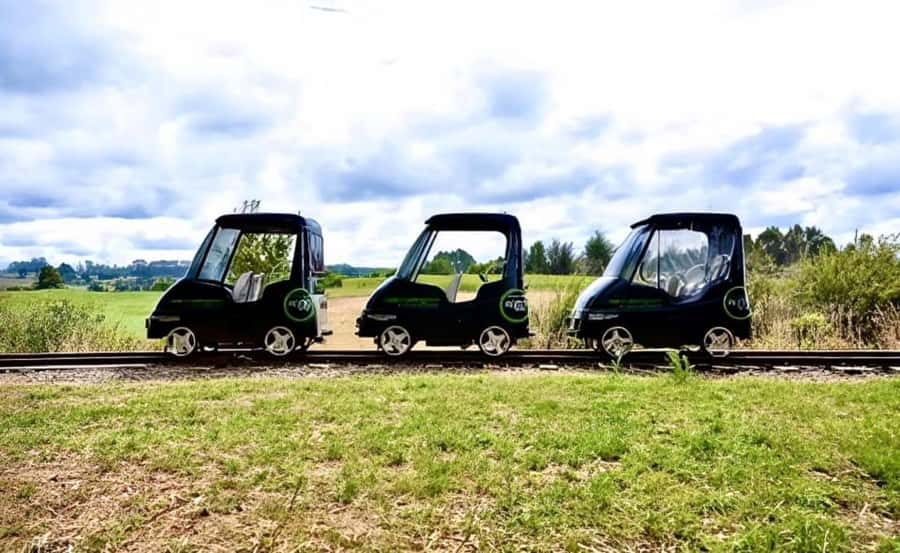
At $44 per person, Rotorua Railcruising sits in the paid attraction range, but it offers something difficult to find elsewhere: the chance to operate your own rail car on a historic railway.
The value depends on what you want from the day. If you enjoy transport history, quiet scenery, unusual vehicles, and hands-on activities, the price is reasonable. You receive the rail car experience, audio tour, blankets, weather protection, and refreshments at Mamaku. A private group arrangement also gives the outing a more personal feel than a standard shared tour.
The value is weaker if your main goal is a packed sightseeing schedule. The ride lasts two hours, moves slowly, and has limited major stops. One recent assessment found that there were not enough highlights for the price, which is a fair concern. You are paying for the character of the ride rather than a long list of attractions.
I would compare it with other Rotorua activities based on mood, not just duration. This is a good choice for a quieter morning or afternoon when you want something different from geothermal sites, adventure rides, or large commercial attractions. It is less convincing if you already have a full day of transport museums and scenic stops planned.
Who will enjoy this most
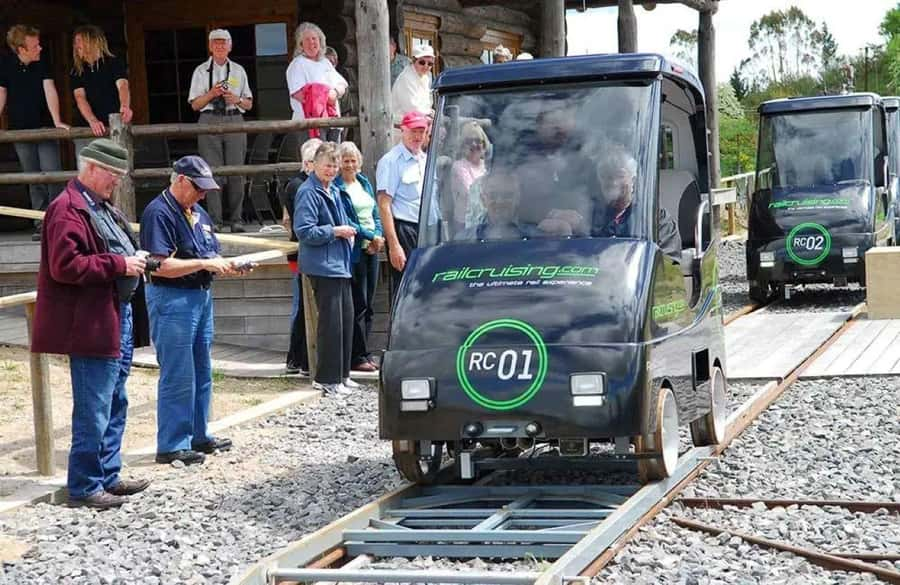
I would recommend the experience to:
- Railway fans: The historic line, self-drive setup, audio commentary, and turnaround all add interest.
- Couples and small private groups: The rail car gives you your own space and a shared activity that is unusual without being demanding.
- Families with transport-minded children: Kids who like trains, driving, and machinery may enjoy the controls and the close-up railway setting.
- Photographers and scenery lovers: The open views are better suited to looking around and taking pictures than a closed carriage would be.
- Visitors wanting a gentle activity: The slow pace and covered seating make it less physically demanding than many Rotorua excursions.
I would be cautious about booking it for anyone who needs constant excitement, dislikes slow travel, or suffers from motion sickness. Wheelchair users cannot take part, according to the activity information. You should also avoid assuming that the outing will include many stops or a major attraction at the far end.
Booking details worth keeping in mind
The advertised price is $44 per person, and the duration is two hours. Starting times vary, so check availability for the day you want.
You can cancel up to 24 hours in advance for a full refund, and the reserve-now-pay-later option keeps your plans flexible. These policies are useful if your Rotorua schedule depends on weather, though you should still check the exact booking terms before confirming.
The activity is listed as a private group experience. Bring a camera, drinks, sunscreen, weather-appropriate clothing, and a charged smartphone. The tour is not suitable for wheelchair users or people with motion sickness.
Should you book Rotorua Railcruising?
Book it if you want a slow, unusual, hands-on railway outing with local stories and good views. The combination of self-driving, a private rail car, the audio guide, and the railway turnaround gives you an experience that is hard to replicate with a normal sightseeing tour.
Skip it if you want speed, drama, or a long list of stops. The gentle 20 km/h pace is the point, not a flaw, but it will not suit every family or every itinerary. For the right person, $44 buys a memorable piece of New Zealand railway character. For someone expecting a high-energy rail adventure, it may feel like two quiet hours on the track.
FAQ
How long does Rotorua Railcruising last?
The experience lasts two hours.
How fast does the rail car travel?
The rail car travels at speeds of up to 20 km/h.
Where does the rail car experience begin?
You can begin at either Ngongotaha Station or Mamaku Railway Station. Check the available departure point when booking.
Is the rail car covered?
Yes. The rail car has covered seating, blankets for cooler days, and waterproof clear side windows for rainy or windy weather.
Are refreshments included?
Tea, coffee, and milo are available at Mamaku Station. You should also bring your own drinks for the outing.
Is the activity suitable for wheelchair users or people with motion sickness?
No. The activity is not suitable for wheelchair users or people with motion sickness.
Latest audio tours in the world
- Seville Maestranza Bullring Tour with Audio Guide★ 3.5 · 6 reviews
- Seville Scavenger Hunt and Highlights Self Guided Audio Tour★ 5.0 · 5 reviews
- Seville Audio guided walking tour 3h20 and 28 audio commentaries★ 5.0 · 2 reviews
- Royal Alcazar of Seville Entry Ticket with Audio Guide★ 4.0 · 42 reviews
- Seville Cathedral and La Giralda Entry Ticket with Audio Guide★ 3.0 · 9 reviews
- Seville Cathedral and Giralda Entry Tickets with Audio Guide★ 4.0 · 56 reviews
- Essential Seville’s Ancient History: An Audio Tour★ 5.0 · 9 reviews
- Sequoia National Park Self-Guided Audio Tour★ 4.5 · 9 reviews
Audio Tours, compared.
Sagrada Familia Entry Ticket with Audio Guide
Read our review →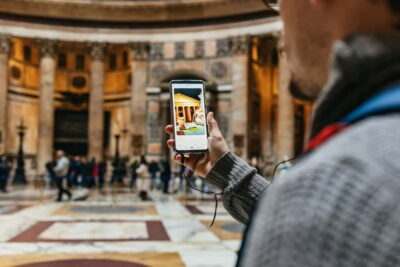
Pantheon Fast-Track Ticket and Official Audioguide
Read our review →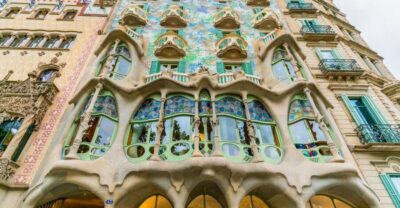
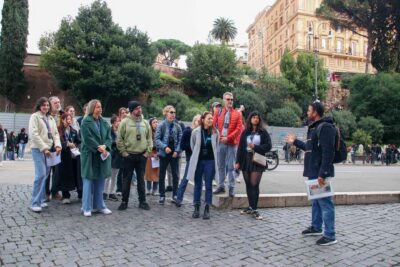
Colosseum & Forum with Audio Guide App -Optional Arena
Read our review →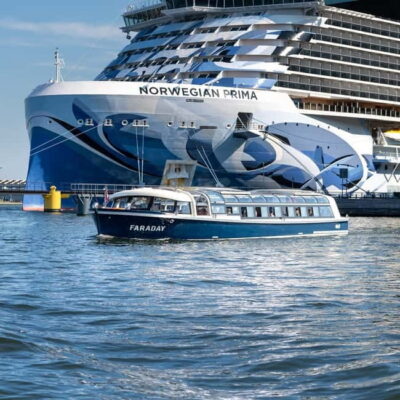
75 Minute City Canal Cruise with Audio Guide
Read our review →
Timed Entry to Michelangelo’s David + Audio App
Read our review →
City Centre Canal Cruise including Audioguide
Read our review →