
Reviewed · ROME
Rome:Ostia Antica Skip-the-line Ticket & Audioguide
Ostia Antica gives you something central Rome rarely can: room to wander through an ancient city without squeezing between tour groups. Its streets lead past temples, baths, homes, theaters, and marketplaces, showing how ordinary Romans lived and how Rome’s port supported the empire.
I like the freedom of exploring at your own pace, and the downloadable audio guide is useful because its interactive map can show where you are and which stop comes next. The main drawback is value: the official ticket price is 18 euros, while this booking costs about $31, and a skip-the-line entrance may not save much time when the gate is quiet.
Key Points
- Ancient port city: See the Roman Forum, Theater, Domus, baths, shops, temples, mosaics, and streets of Ostia Antica.
- Self-guided format: There is no live guide or escort, so you enter independently and follow the site and audio app on your own.
- Audio guide languages: Choose English, Italian, French, Spanish, or German, and bring your own headphones.
- Allow more than two hours: Two hours covers a brisk visit, but the full site can take three to four hours.
- Bring your own supplies: Water and snacks are wise because the on-site café may have limited hours.
- Check the price carefully: Under-18 admission is free, and the official adult price is 18 euros.
Walking Into Rome’s Ancient Harbor
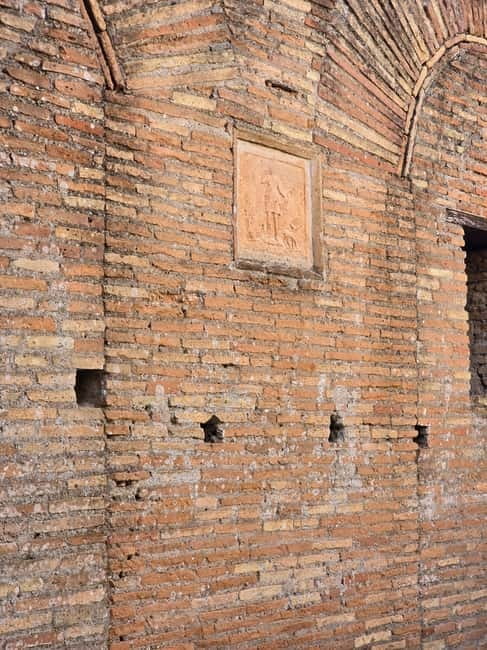
Ostia Antica was Rome’s port city, and the ruins help explain how food, goods, people, and ideas reached the capital. Instead of seeing one isolated monument, you walk through the remains of a working town with streets, public buildings, religious sites, shops, homes, and entertainment spaces.
That scale is the real attraction. The site lets you picture Roman life beyond emperors and grand monuments. You can examine where commerce took place, how residents used public baths, and how homes were arranged around courtyards and decorated rooms.
I find Ostia Antica especially useful after visiting Rome’s better-known ruins. The Colosseum shows spectacle. The Forum shows politics and public life. Ostia adds the practical side of the Roman world: trade, housing, work, worship, and daily routines.
The attraction is an outdoor archaeological park, so the visit depends on the weather. On a hot day, the long exposed paths can feel tiring. On wet days, conditions may affect entry or lead to closures, so check the forecast before setting out.
More Skip-the-Line Audio Tours in Rome
- Rome: Borghese Gallery Skip-the-Line Ticket & Audioguide
★ 4.3 · 4,318 reviews - Rome: Borghese Gallery Skip-the-Line Tickets with Audioguide
★ 4.6 · 2,562 reviews - Rome: Borghese Gallery Skip the line ticket and Audioguide
★ 4.3 · 1,535 reviews
The Roman Forum and Main Streets
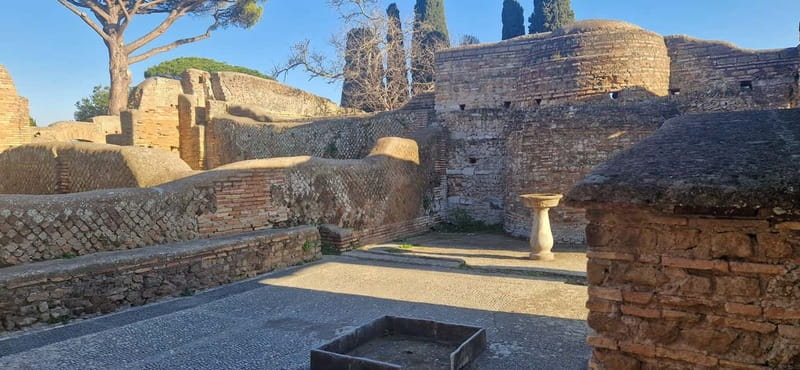
Begin by getting your bearings near the central areas of the site. The Roman Forum is one of the key stops, and it gives you a useful starting point for understanding Ostia as a civic center rather than just a port.
From there, the streets lead toward a series of public and private buildings. The site is large, and its clear signs help you find major points of interest. The audio guide’s interactive map adds another layer, showing your position and directing you toward the next audio stop.
This format suits you if you prefer to pause, take photographs, or skip a building that does not catch your interest. It also means you need to manage your own time. There is no guide setting the pace or explaining a detail when you have a question.
The city’s layout is part of the lesson. You are not simply looking at broken walls in isolation. You can follow ancient routes and see how public buildings connected with residential and commercial areas.
The Theater and Public Life
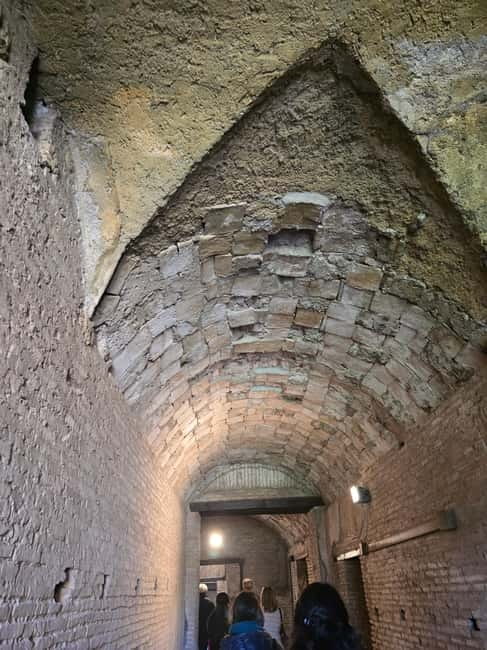
The ancient Theater is one of the most memorable stops. It shows how entertainment formed part of Roman city life, even in a port settlement outside the capital.
The theater also helps you understand the size and organization of Ostia. Public spaces required planning, construction, maintenance, and an audience. A stop here gives the ruins a social purpose, not just an architectural one.
Your audio guide should help explain the theater and other major points, but do not expect a live guide to fill gaps. One weakness of the audio app is that it may not cover every part of the park. If you want detailed explanations for each ruin, a guided visit or a strong printed guide could serve you better.
Still, the theater is easy to appreciate without a long lecture. Take a moment to look at the seating area and imagine a town gathering for a performance. The value comes from connecting the remains with the people who used them.
Homes, Domus, and Roman Mosaics
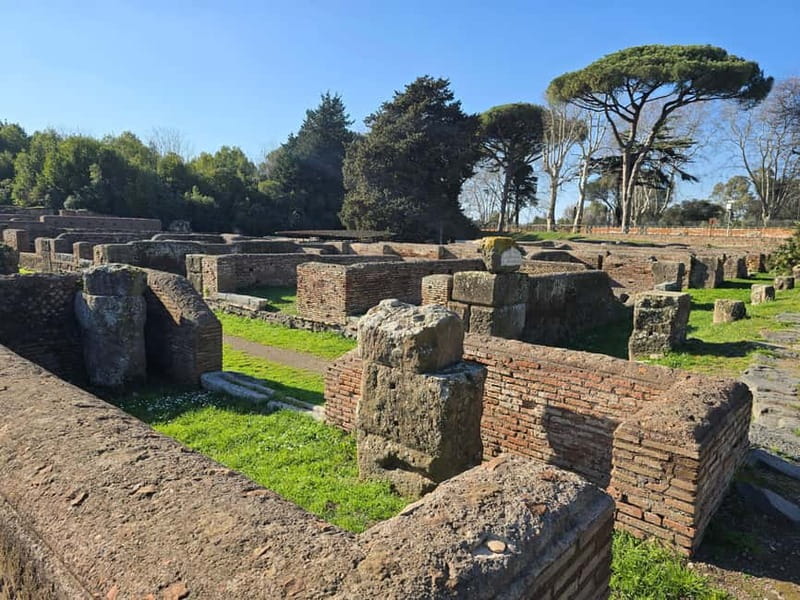
The residential buildings are among the best reasons to visit Ostia Antica. The Domus and other homes show details that large imperial monuments often hide: floor plans, decorative work, mosaics, and evidence of domestic life.
The mosaics are especially important because they bring color and design into a site dominated by stone and brick. Look closely at the floors and architectural details rather than rushing from one famous building to the next.
These homes also help you compare social life within the city. Ostia was not made up only of public monuments. It had private spaces, commercial properties, religious buildings, and working areas, all close together.
The audio guide can point out what you are seeing, but keep your eyes on the signs too. The park’s own information and wayfinding are described as strong, and you may find that some stops are easy to understand without the app.
More Audio Tours in Rome
- Rome: Colosseum & Forum with Audio Guide App -Optional Arena
★ 4.2 · 24,770 reviews - Rome: City Sightseeing Hop-on Hop-off Bus with Audioguide
★ 4.0 · 16,045 reviews - Rome: St. Peter’s Basilica & Dome Entry Ticket & Audio Tour
★ 4.2 · 7,537 reviews - Colosseum, Roman Forum & Palatine Hill with Audioguide App
★ 4.4 · 6,291 reviews
Baths, Temples, and Markets
Ostia’s baths show how public facilities shaped Roman life. Baths were places for washing, exercise, conversation, and social contact. Their remains can be easier to understand when you focus on the practical question: how did people move through the building, and what purpose did each room serve?
The temples add another part of the picture. Religion was tied to public identity, personal practice, and the daily rhythm of the city. At Ostia, religious buildings sit within the wider urban plan, alongside homes, businesses, and public spaces.
Marketplaces and commercial areas explain the port’s economic role. The city was not simply a stopping point for ships. It supported trade and the people who handled, sold, transported, and consumed goods.
This is where the site becomes more than a collection of ruins. You can connect the buildings with Rome’s wider power. A large capital needed food and materials, and Ostia helped keep that system moving.
How Long Should You Spend at Ostia Antica?
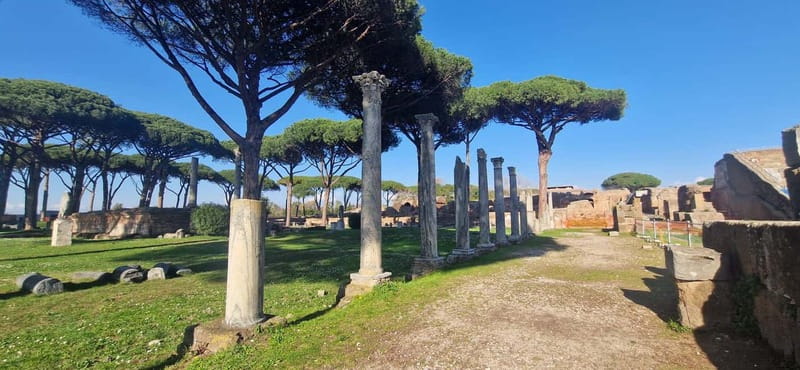
The advertised duration is two hours, but I would treat that as the shortest practical visit. Two hours may work if you want the main highlights and a general sense of the city.
Plan on three to four hours if you want to see the site properly, use the audio guide, pause at the mosaics, and visit the newer museum. The archaeological area is large, and rushing it would undercut the reason for coming.
The longer visit is particularly worthwhile for anyone with a serious interest in Roman history or architecture. You will have time to follow side paths, read signs, and return to buildings that caught your attention.
Your energy matters too. There is a lot of walking on uneven surfaces, so comfortable shoes are essential. The experience is not suitable for wheelchair users or people with mobility impairments.
Using the Downloadable Audio Guide
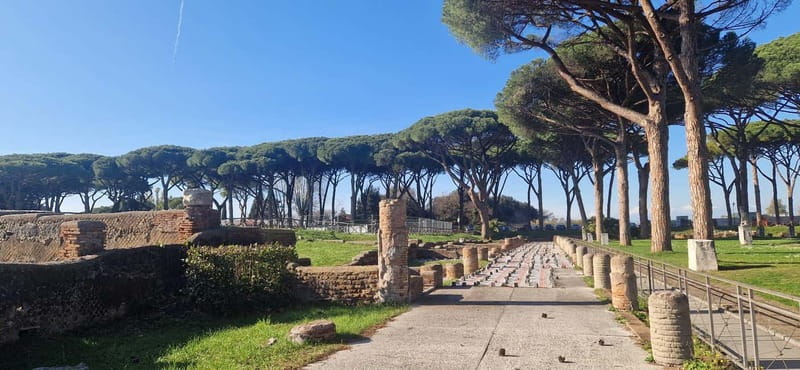
The audio guide is delivered for use on your own smartphone. You need a charged phone, internet access, and headphones. Download the app before you arrive if possible, so you are not trying to solve technical problems at the entrance.
The interactive map is one of the more useful features. It can show your location and indicate the next station, which is helpful in a large archaeological park.
The main limitation is coverage. Some parts of Ostia may have little or no audio explanation, so do not expect every street or ruin to receive equal attention. The app works best as a flexible companion, not as a replacement for a specialist guide.
You also need to supply the headphones. They are not included, and using a phone speaker would be awkward in a quiet archaeological area.
Is the Skip-the-Line Ticket Worth $31?
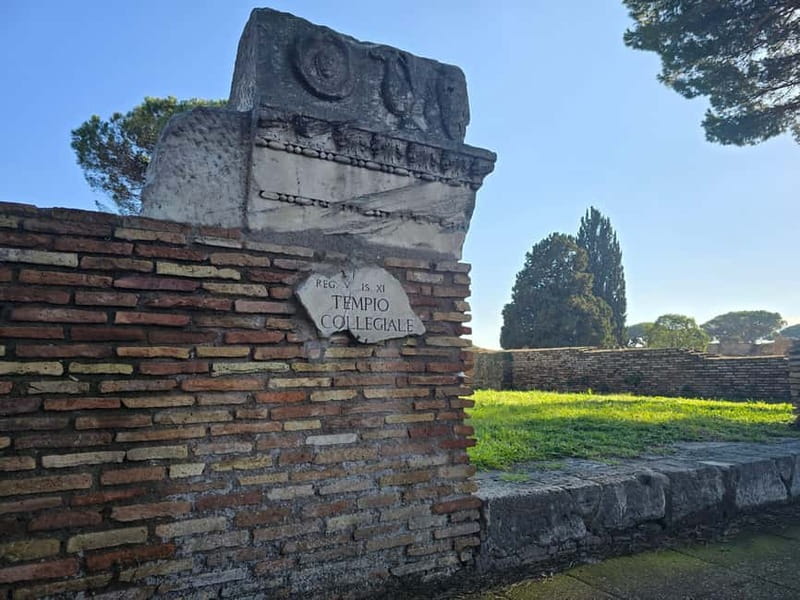
The price requires a careful look. An adult official ticket costs 18 euros, and visitors under 18 enter free. At roughly $31 per person, this option charges a clear premium for convenience, advance booking, and the audio guide.
The skip-the-line benefit may matter on a busy day, especially if you want a fixed plan. But it is not a guaranteed money saver. On one Saturday afternoon during the busy season, there was no line at all, making the regular entrance a better deal.
That does not make the booking useless. It gives you a ticket before arrival and avoids dealing with the ticket office. It also includes the audio guide, which may be worth something to you if you want a structured route.
For a family with children under 18, compare the total cost carefully. Free admission for minors can make buying directly more attractive. For adults visiting during a quiet period, the premium is harder to justify.
Arrival, Tickets, and What to Bring
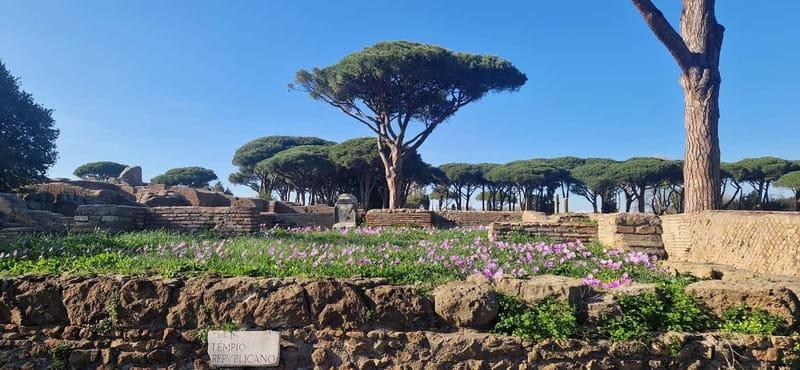
You go directly to the attraction’s entrance. There is no person waiting to meet you, and no escort through the gate. Your ticket is sent to the email address used during booking, or through WhatsApp, within 24 hours before the activity.
Bring the same valid passport or identification card used for verification. Arrive early, since late arrivals and no-shows are not refunded.
Pack light. Large bags, luggage, bicycles, drones, pets, weapons, alcohol, and sharp objects are not allowed. Smoking and littering are also prohibited.
I would bring:
- Water and a few snacks
- A charged smartphone
- Headphones
- Comfortable walking shoes
- A hat and sunscreen in sunny weather
- Clothing suited to the forecast
Food options may be limited, and the café has not always been open outside the weekend. Water is the one item I would not leave to chance.
Who Will Enjoy This Visit Most?
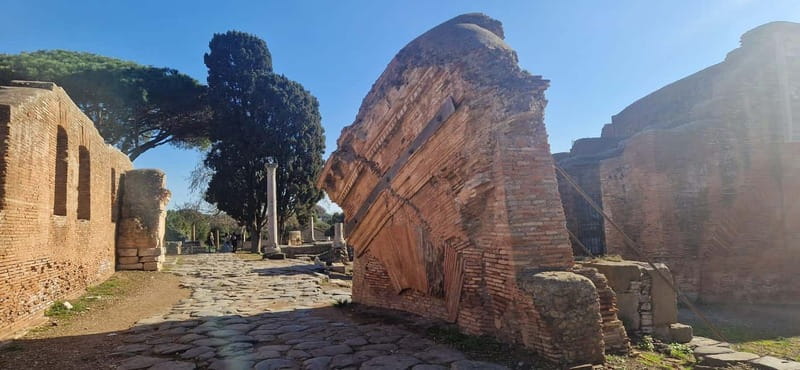
This experience suits independent visitors who want to explore without a group schedule. It is a good choice if you enjoy ruins, mosaics, urban planning, and the details of ordinary Roman life.
It also works well for repeat visitors to Rome who have already seen the central monuments. Ostia gives you a different view of the ancient world, with more space and a stronger sense of a complete city.
Families with older children may appreciate the open-air setting, but the walking and heat can be demanding. Young children may find the size of the site difficult unless you keep the visit short.
You should choose another format if you want a historian beside you, detailed explanations at every stop, or help with entry. This is a self-guided ticket, not a guided tour.
Should You Book Ostia Antica With the Audio Guide?
Book it if you value advance planning, want to avoid a possible queue, and like exploring independently with an audio route. The site itself is excellent, and the Forum, Theater, homes, baths, markets, and mosaics offer a fuller picture of Roman life than many isolated ruins.
Think twice if you are visiting in a quiet period or mainly want the cheapest admission. The official adult price is much lower, the regular park signs are useful, and the skip-the-line advantage may be small.
My practical choice would be to allow three hours or more, download the app before arrival, bring water and headphones, and compare the $31 price with direct admission before paying. If those conditions suit you, this is a rewarding addition to a Rome itinerary.
FAQ
How long does the Ostia Antica experience last?
The listed duration is two hours. You may need three to four hours to see the larger site more fully, use the audio guide, and visit the newer museum.
Is a live guide included?
No. The experience includes a skip-the-line entry ticket and a downloadable audio guide, but no live guide or guided tour.
Which audio guide languages are available?
The audio guide is available in English, Italian, French, Spanish, and German.
Do I need to bring headphones?
Yes. Headphones are not included, and they are needed to use the audio guide comfortably.
What documents should I bring?
Bring your passport or a valid ID card for entry verification.
Is the official ticket price lower than this booking?
The official adult ticket price is 18 euros. Visitors under 18 enter free, while this experience costs about $31 per person.
Can children visit Ostia Antica?
Children can visit, but a child must be accompanied by at least one adult to complete the booking. Visitors under 18 enter free according to the stated official ticket information.
Is the site suitable for wheelchair users?
No. The experience is not suitable for wheelchair users or people with mobility impairments.
Can I bring food and drinks?
You should bring water and snacks because on-site options may be limited. The café may not be open every day.
What happens if I arrive late?
Late arrivals and no-shows are not accommodated or refunded, so arrive at the attraction early and go directly to the entrance with your ticket and ID.
Latest audio tours in Rome
- Pantheon Skip the Line Entry Tickets with Digital Audio Guide★ 3.5 · 52 reviews
- St. Peter’s Basilica: Dome Climb with Lift & Audioguide★ 4.5 · 13 reviews
- Audio guide in Vatican Museums and Sistine Chapel★ 4.5 · 12 reviews
- The Roman Jewish Ghetto: A Self-Guided Audio Tour★ 4.0 · 8 reviews
- Experience: The Pantheon Audio Tour★ 4.5 · 4 reviews
- Trastevere: A Self-guided Audio Tour of Rome’s Medieval Village★ 4.5 · 3 reviews
- Self-Guided Audio Tour – The gods of the Palatine★ 3.5 · 5 reviews
- Navova square underground with audioguide★ 4.5 · 17 reviews
Skip-the-Line Audio Tours, compared.

Topkapi Palace and Harem Skip-the-Line-Tickets & Audio Guide
Read our review →
Pantheon Reserved Entry Ticket with Audio Guide
Read our review →
Borghese Gallery Skip-the-Line Ticket & Audioguide
Read our review →
Skip the Line: Vatican & Sistine Chapel Ticket with Audio Guide
Read our review →
Skip-the-line Entry Ticket with Audio Guide & Map
Read our review →
Mount Vesuvius: Skip-the-Line Ticket and Smart Digital Guide
Read our review →
Borghese Gallery Skip-the-Line Tickets with Audioguide
Read our review →
Taormina: Ancient Theater Skip-the-Line Ticket & Audio Guide
Read our review →Browse the lists this tour appears in