
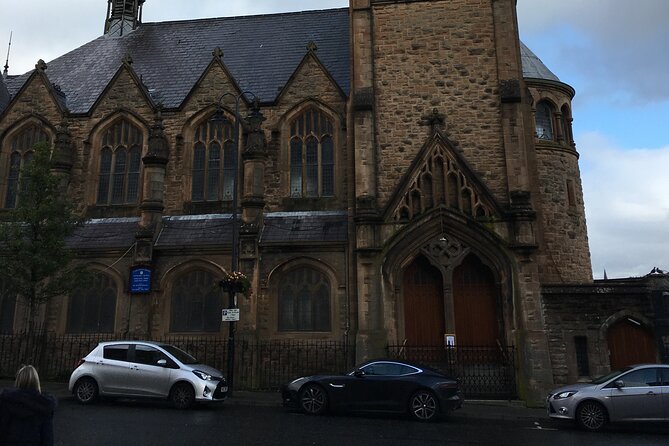
Reviewed · UK
Derrie Danders: A Self-Guided Audio Tour of the Riverside and South City
Derry’s story feels especially clear on this walk because it links the Foyle waterfront with streets south of the city centre. David’s commentary brings in Ulster Scots emigration, German U-boats, shirt factories, churches, and the city walls, giving you more than a standard postcard circuit.
I like the flexible format, with lifetime access and offline maps, and I like that the route reaches streets many visitors might otherwise miss. The main drawback is that this is a phone-based tour, so you must bring your own charged smartphone and headphones, and the non-refundable booking gives you little room to change plans.
Key points
- The route connects river and city: Walk from the Foyle Embankment toward the centre, then pass major landmarks and historic streets.
- David’s commentary adds local detail: Hear about Ulster Scots emigration, U-boat surrender, and Derry’s shirt-making industry.
- You control the pace: The 60 to 75 minute walk can be taken in one go or split across two days.
- Offline access helps: Audio, maps, and route data remain available through the VoiceMap app without relying on a live connection.
- The price is modest: At $7.99, the tour costs less than many guided walks, though entry fees and transport are extra.
- It suits small groups: The activity is capped at 10 people, but each person still needs a smartphone and headphones.
A river-to-city walk with more substance than sightseeing
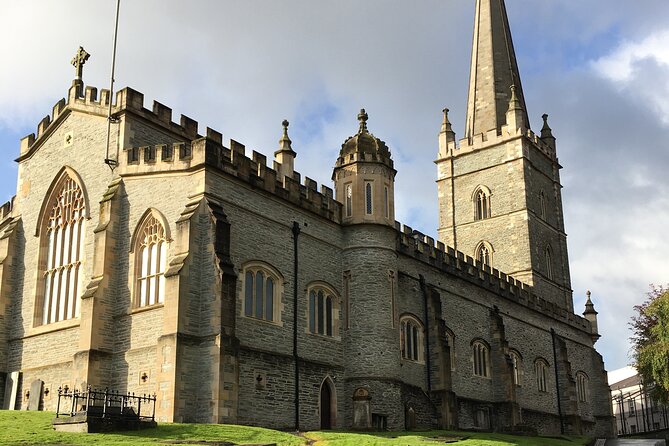
Derrie Danders takes you through a side of Derry-Londonderry that is easy to miss if you stay only around the famous walls. The route begins at Visit Derry on Waterloo Place, reaches the Foyle Embankment and Peace Bridge, then turns toward the southern side of the city before returning to the centre.
That route matters. The river gives you a sense of Derry as a port and industrial town, while the streets near the Long Tower and cathedral show how older religious and civic districts fit into the modern city. I like this combination because the walk does not treat Derry as one single story.
The audio is supplied through VoiceMap and is presented in English, with David providing the commentary. You walk with your phone rather than a live guide beside you. That means you can pause, look around, take a break, or repeat a section without holding up a group.
The stated duration is about one hour to one hour and 15 minutes. I would allow a little extra time if you stop to look at the river, take photographs, or pause at the churches and city walls. The route is short enough for a relaxed morning or afternoon, but it still gives you a useful frame for exploring the city afterward.
More Self-Guided Audio Tours in the UK
- Bristol: Self-Guided Sightseeing Audio Tour
★ 4.4 · 151 reviews - Essential Whitby: Discover the town’s legends on a self-guided audio tour
★ 5.0 · 47 reviews - Harry Potter’s Edinburgh: A Self-Guided Audio Tour
★ 4.5 · 42 reviews
Starting at Visit Derry and reaching the Foyle
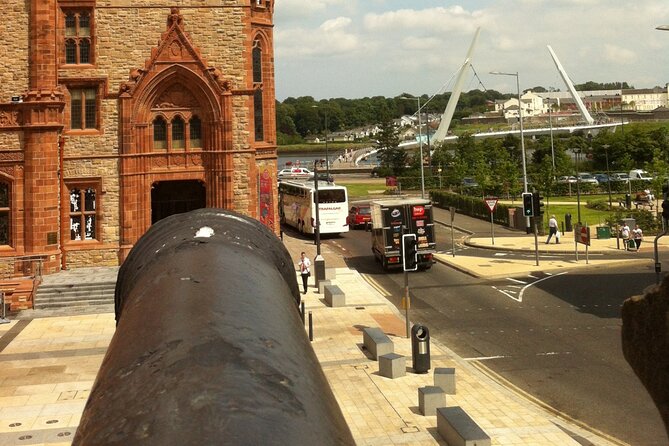
The meeting point is Visit Derry at 1 Waterloo Place, Londonderry, BT48 6BT. The tour ends back at the same meeting point, which makes planning easy if you are fitting it between other activities.
The early part of the walk passes the Foyle Embankment. This is where the tour begins to explain Derry through movement, trade, and departure rather than only through battles and politics. One particularly unusual subject in the commentary is the part Derry played in the emigration of Ulster Scots to the United States.
That detail gives the river a wider meaning. You are not just looking across the water. You are considering how people, goods, and ideas moved from this part of Northern Ireland to other parts of the world.
I would pay attention here even if you are mainly interested in architecture. The embankment helps you understand why the city developed where it did, and it provides a calmer opening before the route turns toward the busier central sights.
The limitation is simple: the tour description does not provide a detailed accessibility report or exact walking distance. Most people can take part, and the route is near public transportation, but anyone concerned about walking conditions should confirm their needs before booking.
Crossing the Peace Bridge
The Peace Bridge is one of the clearest modern markers on the route. Its design gives the walk a strong visual change after the riverside section, and its name places the city’s more recent story alongside its older built fabric.
The bridge is not treated as an isolated photo stop. It forms part of the connection between the waterfront and the city centre, helping you see how Derry’s two sides are linked. I like that the tour uses the bridge as part of a larger route rather than asking you to admire it and move on.
This is also a good point to pause the audio. The VoiceMap app allows you to control the timing, so you do not have to listen while looking around or taking photographs. Offline maps and route data are included, which is useful if your mobile connection is unreliable.
Keep your expectations practical. This is an exterior walking tour. It does not include a museum visit, a formal talk inside a building, or an entrance ticket for any attraction along the way. The value comes from the story attached to the streets and views.
Abercorn Place and the streets south of the centre
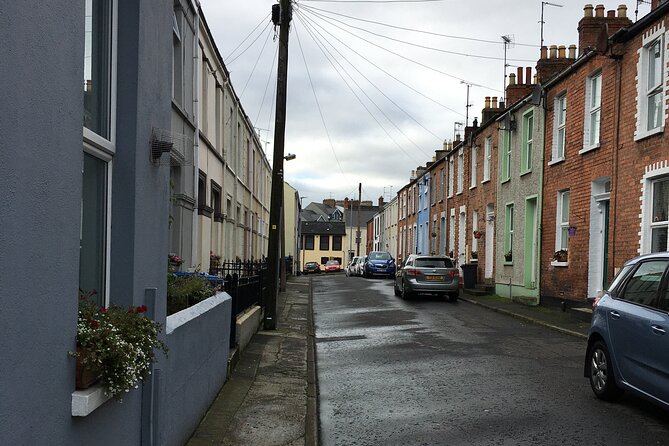
After the river and bridge, the walk moves through Abercorn Place and other streets in the southern part of the city. This is where the experience becomes less like a checklist of famous sights and more like a guided neighbourhood walk.
The commentary brings attention to Derry’s industrial past, especially its shirt factories. That subject can be more revealing than a quick look at grand civic buildings because it connects the city to work, family life, and local business. If your own family has ties to the shirt trade, this section may have particular meaning.
I appreciate the choice to include streets that many people might pass without noticing. A self-guided route can take you slightly away from the most obvious path, and you can stop when a detail catches your eye. The audio also gives you context while you walk, so the streets feel connected rather than random.
At the same time, you should know what this format cannot do. David’s recording cannot answer a follow-up question or change the route for your interests. If you prefer conversation with a local guide, a live walking tour may suit you better. If you like private pacing and a steady stream of information, this approach is a good fit.
Another self-paced route in the UK:
- London: Emirates Stadium Entry Ticket and Audio Guide
★ 4.7 · 5,513 reviews - Westminster Abbey Entrance Ticket Including Audio Guide
★ 4.0 · 661 reviews - London: British Museum Audio Tour & Priority Entrance Ticket
★ 4.5 · 631 reviews - Golden Tours York Hop-on Hop-off Open Top Bus Tour with Audio Guide
★ 4.5 · 468 reviews
St Columba’s Church at the Long Tower
St Columba’s Church, known as the Long Tower, marks one of the route’s more distinctive stops. It takes you into streets that can feel separate from the central sightseeing circuit, while keeping the focus on Derry’s religious and community life.
The church is important to the shape of this walk because it breaks up the river and wall sections. You get a different sense of the city here, one formed by local streets and longstanding places of worship rather than broad civic views.
The tour passes by the church. It does not include an entrance fee or promise interior access, so plan to appreciate it from the route unless you independently confirm opening arrangements. That distinction matters when you compare the $7.99 cost with a guided visit that includes admission to a paid site.
One useful feature is the ability to split the tour across two days. If you want more time around the Long Tower, or if weather and energy make a full walk inconvenient, you can pause and return to the audio later. Lifetime access means the route remains available after your first outing.
St Columb’s Cathedral and the city’s older core
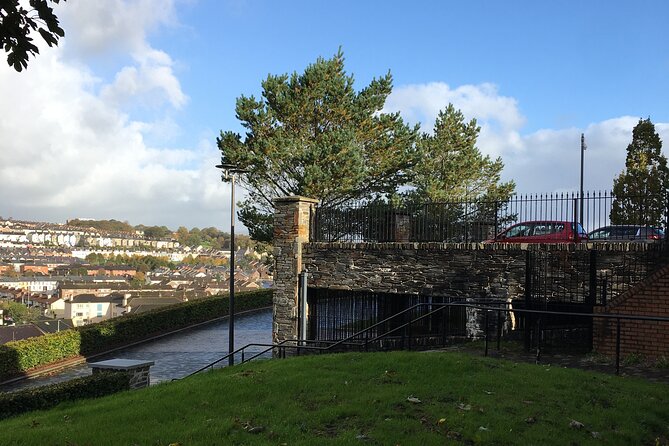
The route continues to St Columb’s Cathedral, one of Derry’s major landmarks. Here, the walk moves back toward the older heart of the city and gives you another chance to connect religion, civic identity, and the city’s long development.
The cathedral is part of the external route, not a ticketed visit included in the activity. You should not assume that the tour price covers entry to the cathedral or any other building. That keeps the booking simple, but it also means you may need a separate plan if you want to go inside.
I like the way this stop follows the Long Tower. Seeing two significant churches in different parts of the route helps you compare the city’s districts instead of viewing the centre as one uniform area. The commentary adds the useful layer of place and sequence, explaining why this building appears where it does in the walk.
Because the audio is recorded, the information is delivered in a consistent way. David’s approach is described as informative and even-handed, which suits a city where history can be presented in sharply different ways. You get a measured introduction rather than a short list of dates.
The War Memorial and the Diamond

The route then passes the War Memorial at the Diamond. This is a central civic space, and it changes the mood again. The Diamond brings together public memory, movement through the city, and the formal centre of Derry’s historic core.
This stop works best if you listen carefully rather than rushing through it. A war memorial is not simply another building to photograph. The audio gives you a reason to consider how the city remembers conflict and loss within a busy central setting.
The walk’s even tone is useful here. You are not being pushed toward a single dramatic interpretation. Instead, the route places the memorial alongside the other parts of the city, including the river, churches, industry, and walls.
You may find this section more rewarding after hearing about the working city earlier in the walk. The route gradually builds a picture of Derry as a place shaped by labour, faith, migration, conflict, and attempts at connection. That is more useful than treating each landmark as a separate stop.
Shipquay Gate and the Derry City Walls
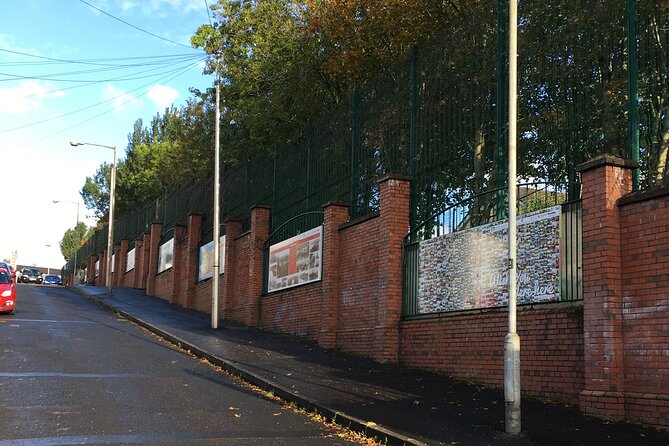
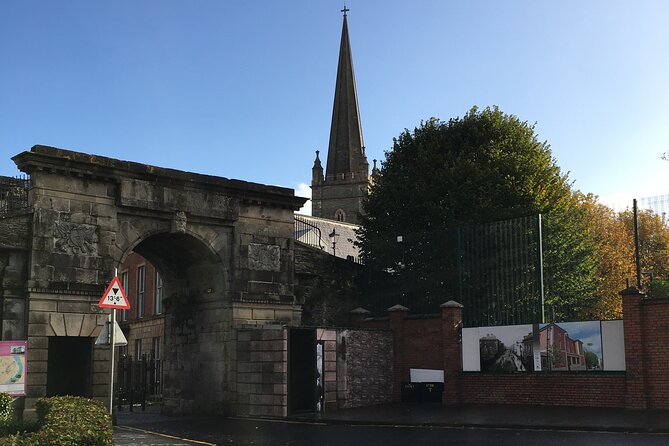
Shipquay Gate brings the walk close to the Derry City Walls, the city’s best-known historic feature. The walls provide a strong final stretch because they make the older city easy to read physically. You can see how the central area was enclosed and how the gates connected it with the streets beyond.
The route passes Shipquay Gate rather than promising a full circuit of the walls. That is an important distinction. If you want a complete wall walk, you may need to do that separately, but this tour gives you a practical introduction and places the gate within the wider river-to-city route.
I like this ending because it brings together the different threads you have heard along the way. The route starts with water and outward movement, passes through religious and industrial districts, then returns to the historic centre. Shipquay Gate feels like a natural point to take stock before finishing back at Visit Derry.
Allow time for your own exploration after the audio ends. The booking includes no transport, food, drink, museum entry, or other attraction tickets. The tour is best seen as a compact orientation and story-led walk, not as a complete substitute for every paid sight in Derry.
What $7.99 buys you
At $7.99 per person, the price is easy to justify if you want structure without paying for a private guide. You receive lifetime access in English, offline audio, offline maps, offline geodata, and the VoiceMap app for Android and iOS.
The strongest value is flexibility. A live tour happens at one set time, while this one is available every day from midnight to 11:59 p.m. according to the stated operating hours. You can fit it around your schedule and return to sections you want to hear again.
The lower price comes with tradeoffs. You supply the smartphone and headphones, and you do not get transport, food, drink, admission fees, or a guide who can respond in real time. The booking is also non-refundable and cannot be changed for any reason, so I would only reserve it once your Derry plans are firm.
The group limit is listed as 10 people. Since this is an audio tour, the cap matters less than it would on a live walk, but it suggests a small-scale format rather than a large scheduled outing. Each person will still need access to the app and their own listening setup.
Who will enjoy this audio tour most
I would choose Derrie Danders if you want to understand Derry through several connected themes rather than only seeing the most famous monument. It suits independent visitors, repeat visitors who want a different route, and local residents curious about streets they have rarely walked.
It is also a good choice if you value control. You can move at your own speed, pause for photographs, take a break, and split the walk across two days. That flexibility proved useful for someone who completed it over separate days, and the lifetime access supports the same approach.
Families and small groups may like the simple format, though every person needs a smartphone and headphones. The tour is offered in English only, so it is not suitable if you need another language.
I would hesitate if you want a fully guided experience, interior visits, or a route tailored to your interests. I would also check the practical side before booking if you have specific mobility concerns, since the available details say most people can participate but do not describe every surface, slope, or doorway.
Should you book Derrie Danders?
Book it if you want a low-cost, flexible introduction to Derry that goes beyond the city walls. The strongest reasons are David’s focused commentary, the unusual subjects such as Ulster Scots emigration and German U-boats surrendering after World War II, and the attention given to shirt factories and less familiar streets.
Skip it if you need a live guide, transport, included admissions, or the freedom to cancel. For everyone else, $7.99 is a fair price for a one-hour to 75-minute route that connects the Foyle Embankment, Peace Bridge, southern streets, churches, the Diamond, and Shipquay Gate.
FAQ
Where does the tour start and finish?
It starts at Visit Derry, 1 Waterloo Place, Londonderry, BT48 6BT, UK. The activity ends back at the same meeting point.
How long does the audio tour take?
The estimated duration is one hour to one hour and 15 minutes.
What language is the tour offered in?
The tour is offered in English.
What do I need to bring?
You need your own smartphone and headphones. Food, drinks, transport, and entrance fees are not included.
Does the tour work offline?
Yes. The VoiceMap app provides offline access to the audio, maps, and geodata.
Can I cancel or change the booking?
No. The experience is non-refundable and cannot be changed for any reason after booking.
Latest audio tours in the UK
- Stonehenge Private Immersive Audio Guide★ 4.5 · 15 reviews
- Discovering Cheltenham: A Self-Guided Audio Tour★ 4.5 · 23 reviews
- Oxford’s literary legends and landmarks: A Self-Guided Audio Tour★ 3.0 · 4 reviews
- A Guide to the City of Dreaming Spires: A Self-Guided Audio Tour of Oxford★ 5.0 · 2 reviews
- Hadrian’s Wall: A Self-Guided Audio Tour along the Ruins★ 3.5 · 4 reviews
- Whitby’s Historic East Side: An audio tour uncovering the east side’s tales★ 5.0 · 2 reviews
- Durham’s Landmarks and Legends: A Self-Guided Audio Tour★ 4.0 · 35 reviews
- Essential Whitby: Discover the town’s legends on a self-guided audio tour★ 5.0 · 47 reviews
Self-Guided Audio Tours, compared.

Acropolis Ticket & Optional Self-Guided Audio Tours
Read our review →


Ultimate Acadia National Park Self-Guided Driving Audio Tour
Read our review →

Akrotiri Ticket with Optional Self-Guided Audios
Read our review →
Browse the lists this tour appears in