
Reviewed · NAPLES
Naples: National Archaeological Museum Tour & Digital Guide
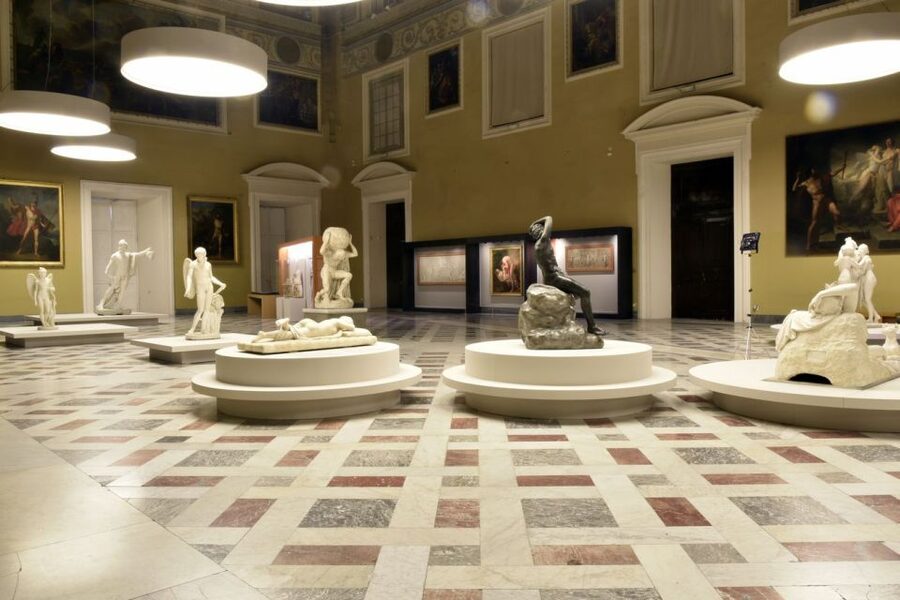
Naples’ National Archaeological Museum, known as MANN, is the place to see the masterpieces rescued from Pompeii and Herculaneum alongside the huge Farnese Collection. You can move at your own pace through sculptures, frescoes, mosaics, everyday objects, and the museum’s unusual Secret Cabinet.
I like the freedom of a self-guided visit and the practical inclusion of priority entry. I also like that the digital guide lets you set your own rhythm, which matters in a museum this large and full of demanding ancient art.
The main drawback is the dependence on your phone. Earphones are not included, mobile coverage may be weak, and a booking problem has caused confusion at opening time, so you need to download every file and check your ticket before leaving your hotel.
Key points at a glance
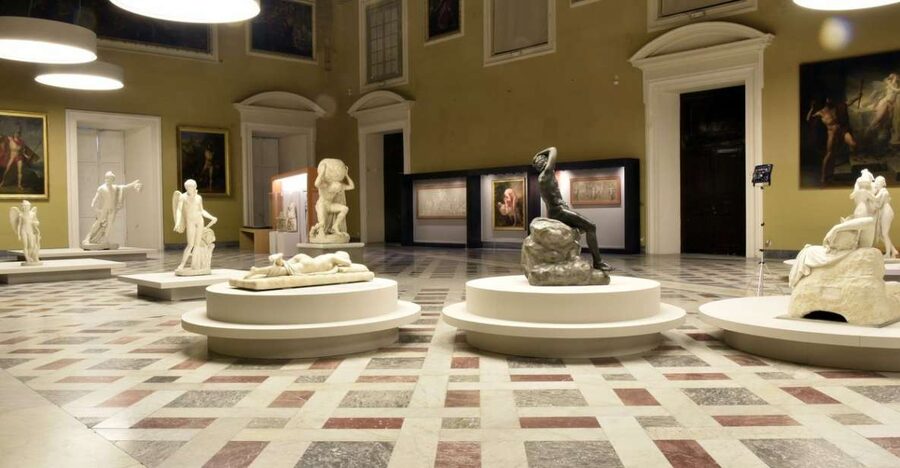
- Farnese sculpture collection: See grand ancient works inherited by the Bourbon family from the Farnese Collection.
- Pompeii and Herculaneum treasures: Expect frescoes, mosaics, statues, household objects, and other finds from the buried Roman towns.
- Digital guide on your own phone: Download the guide before your visit because museum Wi-Fi and mobile service may not work reliably.
- Secret Cabinet: Visit the room devoted to ancient erotic objects and customs, if it is open during your visit.
- Egyptian Section and temporary shows: Add these to your plan if you still have time after the major Roman collections.
- Naples museum, not an ancient temple site: The references to the Temples of Concordia, Juno, and Zeus and to valley panoramas do not match the MANN visit, so do not book this expecting an Agrigento-style temple tour.
Why MANN deserves time in Naples

MANN is not a quick stop for one famous statue. It is one of Italy’s most important archaeological museums, and its collections cover several different worlds at once. You can begin with Greek and Roman sculpture, shift to the daily life of Pompeii, look at Egyptian material, and then enter the Secret Cabinet. The variety is part of the appeal, but it can also leave you tired if you try to see every room with equal attention.
The museum’s value comes from the way its collections connect. A marble statue from the Farnese Collection shows the polished public face of ancient culture. A kitchen object, wall painting, or mosaic from Pompeii gives you a more ordinary view of Roman life. Together, they make antiquity feel less like a row of isolated masterpieces and more like a society with homes, rituals, art, politics, and private habits.
At $40 per person, this is not the cheapest museum ticket in Naples. You are paying for admission, priority entry, and the convenience of a digital guide rather than for a live expert or a small-group tour. That price can make sense if you want independence and expect to spend several hours with the collections. It is a weaker value if you only want a quick look at Pompeii objects or if you already have a good guidebook and do not need audio commentary.
More History Audio Tours in Italy
- Naples: National Archaeological Museum audio guide
★ 4.0 · 155 reviews - Interactive audio guide for the historic center of Naples
★ 5.0 · 43 reviews - National Archaeological Museum synchronized audioguided tour without QR or app
★ 4.0 · 4 reviews
Start with the Farnese Collection
The Farnese rooms are the grand opening act for many visitors. The collection includes monumental ancient sculpture gathered by the Farnese family and later inherited by the Bourbons. These works were collected, moved, and displayed by powerful European families, so the rooms tell you something about later ideas of taste and prestige as well as about the ancient world itself.
Give yourself time here. Large sculptures reward a slow look, especially when you notice the scale, the physical effort suggested by the poses, and the way the pieces were meant to impress. The digital guide can help you identify the main works, but you do not have to follow every recording in order. I would listen to the major entries, then pause the audio and look without commentary.
This is one of the best parts of the visit for someone who wants famous art in an impressive setting. It is less suitable for a young child or anyone who prefers small, personal objects. The scale can be overwhelming, and the labels and audio may not make every piece easy to understand.
Pompeii and Herculaneum, life preserved by disaster

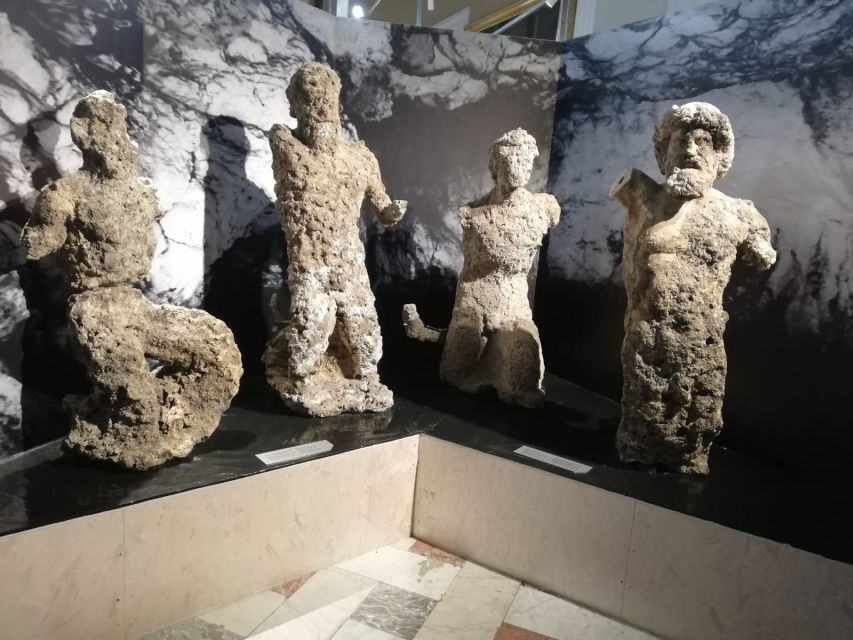
The galleries devoted to Pompeii and Herculaneum give the museum its strongest link to the Bay of Naples. These towns were buried by the eruption of Vesuvius, and the objects now in MANN include splendid frescoes and mosaics, statues, precious belongings, and everyday items.
The everyday material is especially useful. A grand villa painting may catch your eye first, but ordinary tools and household objects help you picture the people who used the rooms. The combination of decoration and daily equipment is what makes this section valuable before or after a visit to Pompeii or Herculaneum themselves.
If you are planning both the museum and the ruins, do not treat MANN as a substitute for either site. Here, you see selected objects in a museum setting. At the ruins, you see streets, buildings, and the physical shape of the towns. The two experiences work well together, but this ticket covers only the museum.
The digital guide should be most useful here because there is a lot to take in. A few minutes of context can explain why a mosaic matters, what a fresco shows, or how an object fits into Roman domestic life. Without a guide, you may find yourself admiring the color and craftsmanship while missing the story behind it.
Frescoes, mosaics, and the danger of trying to see everything
MANN rewards selective sightseeing. You can spend too long reading every label and still feel that you missed half the museum. I recommend choosing three priorities before you enter: the Farnese sculpture rooms, the Pompeii and Herculaneum galleries, and one extra section such as Egypt or the Secret Cabinet.
The paintings and mosaics deserve a slower pace than a casual walk-through. Look at how the artists handled figures, borders, plants, architecture, and repeated patterns. The objects are not only decorative. They provide clues about taste, wealth, religion, entertainment, and the way Roman households used art.
A digital guide can help you avoid wandering without direction, but it will not replace your own choices. You can pause, skip, or return to a room. That freedom is the main advantage over a fixed group tour. The tradeoff is that you must manage your own time and decide when enough is enough.
More Museum Audio Tours in Italy
- Florence: Uffizi Priority Ticket & Masterpieces Audio App
★ 4.2 · 6,402 reviews - Venice: St. Mark Basilica Ticket, Audioguide+History Gallery
★ 3.9 · 4,780 reviews - Rome: Borghese Gallery Skip-the-Line Ticket & Audioguide
★ 4.3 · 4,318 reviews - Rome: Borghese Gallery Ticket + Audioguide or Guided Tour
★ 4.6 · 3,219 reviews
The Egyptian Section and changing exhibitions
The Egyptian Section offers a change of mood after the Roman collections. The activity information confirms that MANN has an Egyptian area and hosts temporary exhibitions during the year, but it does not specify which temporary show will be open on your date. Check the current program if a particular exhibition matters to you.
This flexibility is useful for repeat visits or for anyone who has already spent time with Roman art. It also gives you a backup plan if the sculpture rooms become tiring. I would not build the entire visit around an unnamed temporary show, though. Treat it as an extra, not the reason to buy this particular ticket.
The Secret Cabinet, an unusual museum stop
The Secret Cabinet contains objects described as obscene, with a focus on ancient erotic customs. It is an unusual section and one of the museum’s most talked-about features. The display can add a more personal and less polished view of ancient society, especially after the formal grandeur of the Farnese rooms.
Do not assume this section will suit every member of your group. If you are visiting with children or with someone who prefers to avoid erotic material, plan your route accordingly. The information provided does not promise that every room or exhibition will be open at all times, so treat access as part of the day’s variables.
Using the smartphone guide without trouble
The guide is delivered as an app or digital content for your own smartphone. Instructions and the ticket are sent by WhatsApp or email the day before the visit. You need a charged phone, and you should download all the audio content before you leave your accommodation.
That last step matters. The museum does not provide dependable free Wi-Fi, and mobile coverage may not work well in every room. Streaming the guide as you walk can leave you with a silent screen at exactly the moment you want help.
Bring your own earphones. They are not included, and using a phone speaker in crowded galleries is inconvenient and may disturb other people. Also check that you have enough storage, battery power, and access to the email address or WhatsApp account used for the booking.
The digital guide is a useful middle ground. It gives you more context than simply walking through with a printed ticket, but it does not offer the back-and-forth questions you get from a live guide. If you want a private, flexible visit, that is a fair trade. If you want a personal explanation of every major work, this is not the right format.
Ticket delivery and the opening-time risk
The team is supposed to send your ticket and download instructions one day before the visit. Check your inbox and WhatsApp, including spam and filtered folders, before you travel to the museum.
There has been a reported problem in which a PDF showed booking information but not the actual museum ticket, and the app email did not include a login code. Museum staff eventually accepted the booking information, but this was not a good position to be in at the first 9:00 opening time, especially while customer support was still closed.
I would not wait until the museum door to check the paperwork. Save the ticket to your phone, keep the booking confirmation available, and contact the provider promptly if the actual entry document or app access has not arrived. Reservations made after 6 p.m. are processed the following morning after 8 a.m., so late bookings deserve extra caution if you plan an early visit.
The activity is non-refundable. That makes pre-trip checking even more important. Confirm the date, inspect the ticket, and download the guide before you commit to the day.
Timing, access, and who will enjoy this most
The ticket is valid for one day, with starting times subject to availability. No transport is included, and there is no live guide or group itinerary. You make your own way to MANN and decide how long to stay within the day.
The museum is wheelchair accessible, which makes this option workable for visitors who need step-free access. Pets are not allowed. Bring a passport or identity card, as well as your charged smartphone.
I would recommend this experience to:
- Independent visitors who like to stop and start an audio guide.
- Art and archaeology fans who want both sculpture and objects from Pompeii and Herculaneum.
- People planning a full museum visit rather than a short photo stop.
- Visitors who prefer a fixed ticket and digital commentary over a live group.
I would hesitate if you want a personal guide, dislike phone-based tickets, or have only a brief amount of time in Naples. The museum is too important to rush, and the self-guided format requires you to do some preparation.
A note about the temple highlights
Some promotional details refer to the Temples of Concordia, Juno, and Zeus, along with panoramic views over an ancient valley. Those sights are not part of the National Archaeological Museum in Naples. They describe a different archaeological setting, so do not use those points to plan this visit.
For MANN, focus on the Farnese Collection, Pompeii and Herculaneum material, the Egyptian Section, temporary exhibitions, and the Secret Cabinet. Those are the museum experiences supported by the ticket and guide described here.
Should you book the MANN digital guide?
Book it if you want a full day of ancient art in Naples and value independence more than personal service. The combination of priority entry, Farnese sculpture, Pompeii and Herculaneum objects, and a downloadable guide gives you a solid way to explore one of Italy’s major museums at your own pace.
Skip it if you want a live historian, need guaranteed app support at the last minute, or are buying it for the temple views mentioned in the promotional highlights. At $40, the value depends on using the ticket for several hours and preparing your phone properly. Download everything early, bring earphones, and verify the entry document before you set out.
FAQ
Where does this experience take place?
It takes place at the National Archaeological Museum in Naples, in Italy’s Campania region.
What is included in the price?
The price includes the museum entrance ticket and a digital guide that you download to your smartphone.
Is a live guide included?
No. A live guide and earphones are not included. The experience uses a smartphone digital guide.
When will I receive the ticket and guide instructions?
The provider plans to contact you by WhatsApp or email the day before your visit with the ticket and instructions for downloading the guide.
Do I need internet access inside the museum?
You should not depend on it. Download all guide content before the visit because free Wi-Fi is not available and mobile coverage may be unreliable.
What should I bring?
Bring a passport or identity card, a charged smartphone, and your own earphones.
Is the museum wheelchair accessible?
Yes, the activity information states that it is wheelchair accessible.
Are pets allowed?
No. Pets are not allowed.
Can I cancel the booking?
No. The activity is non-refundable.
More History Audio Tours in Naples
- Colosseum, Roman Forum & Palatine Hill with Audioguide App
★ 4.4 · 6,291 reviews - Rome: Colosseum, Ancient Rome Tour or AudioGuided Tour
★ 4.4 · 2,879 reviews - Colosseum, Roman Forum & Palatine Hill Entry and Audioguide
★ 4.1 · 2,475 reviews - Taormina: Ancient Theater Skip-the-Line Ticket & Audio Guide
★ 4.5 · 2,412 reviews
More Museum Audio Tours in Naples
- Paris: Louvre Museum Hosted Entry and Mona Lisa Audioguide
★ 4.6 · 5,235 reviews - Paris: Orsay Museum Entry Ticket and Digital Audio Guide App
★ 4.4 · 3,170 reviews - Florence: Uffizi Gallery Timed Entry Ticket & Audio Guide
★ 4.2 · 2,794 reviews - Athens: Acropolis Museum Ticket with optional Audio Guide
★ 4.4 · 2,652 reviews
Latest audio tours in Naples
- From Naples Explore Pompeii Freely with Your Personal Audioguide★ 3.5 · 3 reviews
- Pompeii from Naples: Smart Audio Guide with Travel Instructions★ 5.0 · 4 reviews
- Mount Vesuvius Skip the Line Ticket + Multilingual Audio Guide★ 4.0 · 32 reviews
- Naples from Above: Castel Sant’Elmo Access & Audio Guide★ 3.0 · 2 reviews
- Naples: Herculaneum Entry Ticket with Digital Audio Tour★ 3.5 · 6 reviews
- Naples: Royal Palace Entry Ticket with Digital Audio Guide★ 4.0 · 3 reviews
- Skip the Line Ticket to Herculaneum with Audio Guide★ 4.0 · 20 reviews
- Interactive audio guide for the historic center of Naples★ 5.0 · 43 reviews
Museum Audio Tours, compared.

Uffizi Priority Ticket & Masterpieces Audio App
Read our review →
Louvre Museum Hosted Entry and Mona Lisa Audioguide
Read our review →
St. Mark Basilica Ticket, Audioguide+History Gallery
Read our review →
Borghese Gallery Skip-the-Line Ticket & Audioguide
Read our review →
Borghese Gallery Ticket + Audioguide or Guided Tour
Read our review →
Orsay Museum Entry Ticket and Digital Audio Guide App
Read our review →
Uffizi Gallery Timed Entry Ticket & Audio Guide
Read our review →
Acropolis Museum Ticket with optional Audio Guide
Read our review →Browse the lists this tour appears in