
Reviewed · MILAN
Milan: Natural History Museum Entry Ticket & Audio Guide
Milan’s Natural History Museum gives you a quiet change of pace from churches, fashion streets, and grand art collections. Inside its historic building, you’ll move through fossils, minerals, plants, animals, and stories about how life on Earth developed. The audio guide adds more than 40 stopping points, so you can explore at your own speed rather than trail behind a group.
I like the self-guided format and the museum’s setting in Indro Montanelli Gardens. I also like the choice of English, Italian, French, and German audio, plus the chance to use a digital map to find your way. The main caution is value: the advertised price is $12, while one booking experience noted a €5 museum price available directly, with no discount through this option.
Key points at a glance
- More than 40 audio stops: Use the app to hear background on fossils, minerals, zoology, botany, evolution, and conservation.
- A calm two-hour visit: The museum works well when you want an indoor activity without committing to a full-day tour.
- Historic Milan setting: The museum sits at Corso Venezia, 55, inside Indro Montanelli Gardens.
- Bring your own equipment: You need a charged smartphone and headphones. Headphones are not included.
- Four audio languages: Choose English, Italian, French, or German, with German listed as available from April 15.
- Easy mobile entry: Show your e-ticket on your phone and skip the ticket line, subject to the venue’s entry process.
A Natural History Stop in the Middle of Milan
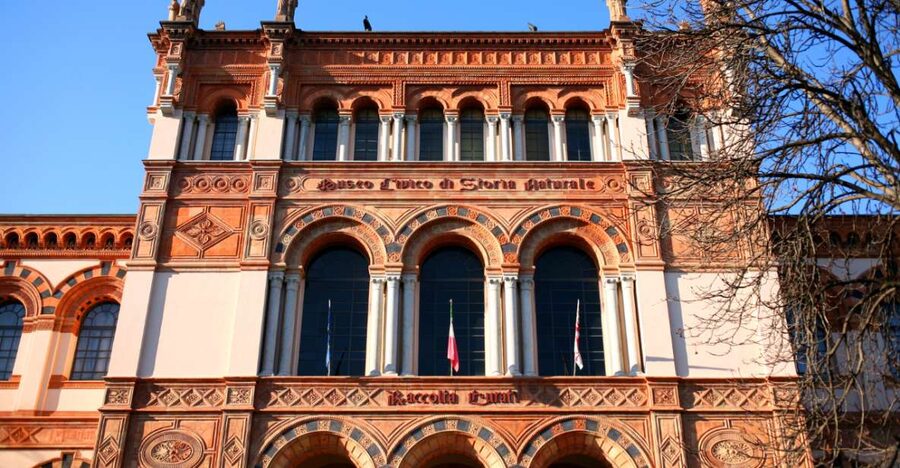
Milan is famous for design, opera, shopping, and Renaissance art. Its Natural History Museum offers a different view of the city, one built around the natural world rather than human-made masterpieces.
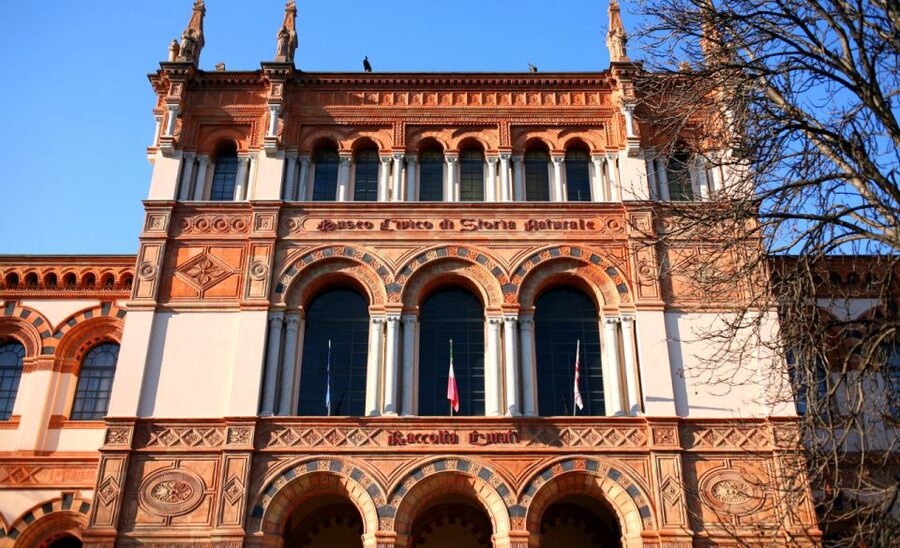
The museum sits on Corso Venezia, 55, within Indro Montanelli Gardens. That location matters. You can pair the visit with time in the public gardens, giving the museum a pleasant outdoor setting instead of the usual busy city-street approach.
The building itself is part of the experience. You’ll see a historic 19th-century institution devoted to scientific study, with rooms that connect Milan’s past interest in natural history to present-day questions about species and conservation.
I would plan on about two hours. That is enough time to follow the main audio points and look carefully at the major displays without turning the visit into a marathon. If you read every label or stop often for photographs, you may need more time.
More History Audio Tours in Italy
- Colosseum, Roman Forum & Palatine Hill with Audioguide App
★ 4.4 · 6,291 reviews - Venice: St. Mark Basilica Ticket, Audioguide+History Gallery
★ 3.9 · 4,780 reviews - Rome: Colosseum, Ancient Rome Tour or AudioGuided Tour
★ 4.4 · 2,879 reviews
What the 40-Plus Audio Stops Add
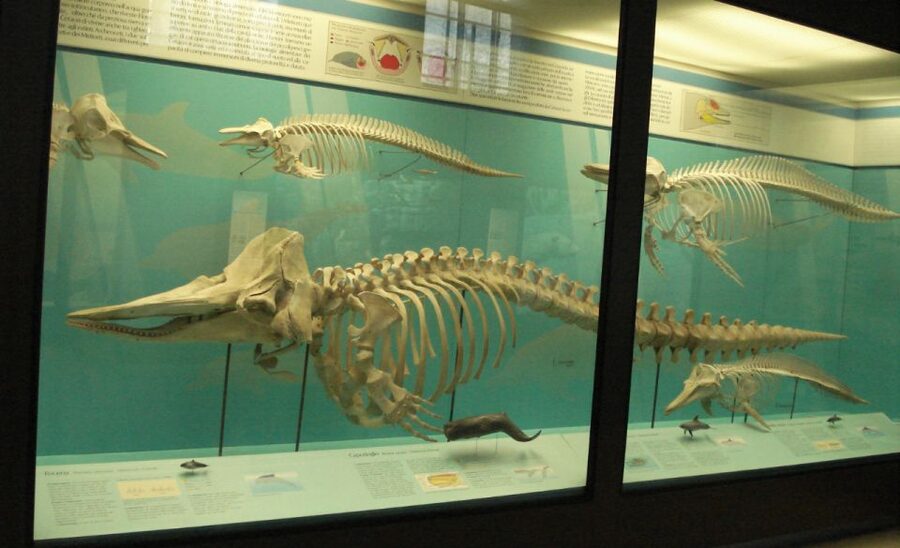
The audio guide is delivered through an app on your smartphone. It includes more than 40 points of interest, supported by a digital map that helps you move through the museum’s halls.
That format is useful because a natural history museum can be difficult to read at a glance. A fossil, mineral case, or animal display may look interesting, but you may not know why it matters. The audio gives each selected object or section a story and helps connect separate rooms into a larger account of Earth and life.
You can expect commentary connected to:
- Paleontology and remarkable fossils
- Mineral formations
- Zoology and the variety of animal life
- Botany and plant life
- Evolutionary change
- Conservation and the need to protect living species
- The museum’s development from the 19th century to today
- The architecture and setting of the museum
The audio is not a live tour. No guide accompanies you through the galleries, and there is no group commentary. That is good if you like to pause, skip sections, or spend extra time with one display. It is less suitable if you want someone to answer questions or adjust the explanation to your interests.
Before arriving, scan the QR code on your voucher to download the audio guide. Bring headphones, since they are not supplied. A charged phone is just as important as your ticket. A low battery can turn a simple museum visit into a frustrating one.
Fossils and the Long Story of Life
The paleontology displays are likely to be the main attraction for visitors who enjoy prehistoric life. Fossils give the museum a strong sense of time, moving your attention far beyond Milan’s streets and monuments.
The audio points are meant to explain the stories behind selected specimens rather than leave you with a row of objects and short labels. You may hear how fossils help scientists understand earlier forms of life, how species changed, and how the evidence fits into broader evolutionary patterns.
I like this kind of museum visit because it rewards both adults and children, but in different ways. Younger visitors can focus on the visual impact of large or unusual specimens. Adults can use the audio to place those objects in a scientific story.
The supplied information does not identify individual fossil displays, so you should not expect a named highlight list in advance. Instead, think of this as a broad collection with selected audio guidance. The experience is strongest if you enjoy choosing your own pace rather than following a fixed sequence.
Minerals, Animals, and Plant Life
Natural history museums work best when their subjects vary, and this one covers more than fossils. Mineralogy, zoology, and botany give you three different ways to look at the natural world.
Mineral displays can be visually striking, but they can also seem technical without context. The audio points can help explain why particular formations matter and how minerals fit into the study of Earth.
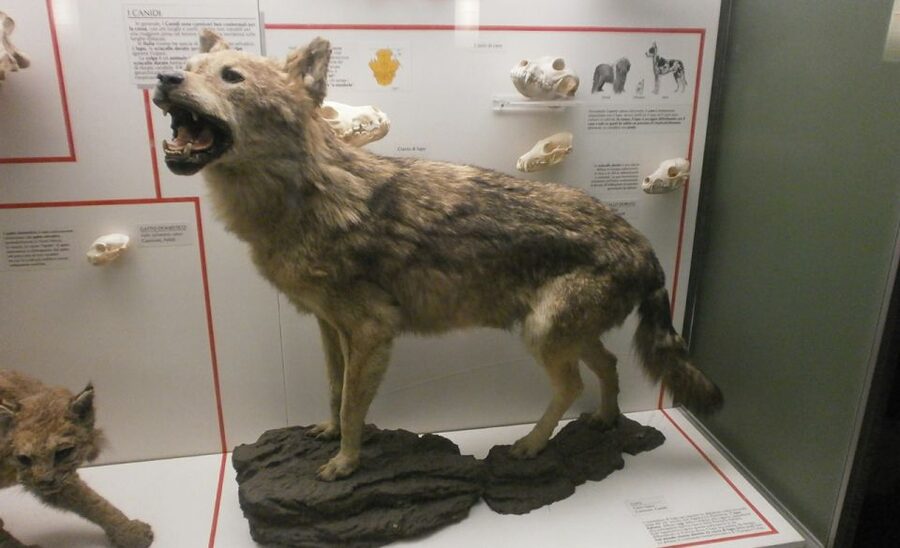
The zoology sections bring the museum’s focus back to living creatures and the range of life forms on the planet. You’ll encounter displays connected to animal diversity, with the audio helping you understand the scientific importance behind them.
Botany adds another useful angle. Plants are easy to overlook in a museum centered on dramatic fossils and animals, yet they are central to ecosystems and human life. The audio guide’s coverage of plant life helps keep the visit from becoming only a story about extinct creatures.
The museum also connects its displays with conservation. That gives the visit a present-day purpose. You are not only looking backward at vanished species or ancient formations. You are also being asked to consider the variety of life that still exists and why it needs care.
More Museum Audio Tours in Italy
- Milan: Museum of the 900 Entry Ticket with Audio Guide
★ 4.4 · 72 reviews - Milan: Museum of the 900 Fast-Track Entry Ticket & Audio Guide
★ 4.0 · 12 reviews - Florence: Uffizi Priority Ticket & Masterpieces Audio App
★ 4.2 · 6,402 reviews - Rome: Borghese Gallery Skip-the-Line Ticket & Audioguide
★ 4.3 · 4,318 reviews
The Museum Building and Garden Setting

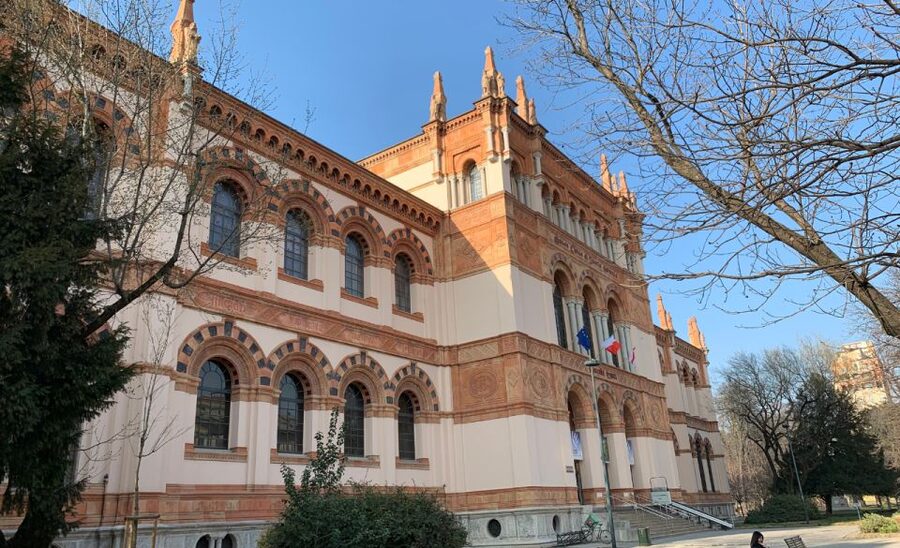
The Natural History Museum is housed in a historic building dating from the institution’s 19th-century foundation. The architecture gives the visit a sense of place that a modern exhibition hall might lack.
The setting in Indro Montanelli Gardens is one of the clearest advantages. You can take a break outside, walk through the public gardens, or use the surrounding green space to make the museum part of a longer afternoon.
The views of the gardens are also noted as part of the experience. They add light and relief between the indoor displays. If you are visiting Milan with children, the combination of museum and outdoor space may be easier than spending two straight hours inside.
The museum is described as wheelchair accessible. For anyone who needs step-free access or a more manageable indoor activity, that is an important practical point. The supplied details do not specify every accessible feature, so you may want to confirm any particular requirement with the venue before booking.
How to Organize Your Two Hours
There is no fixed guided itinerary, but the audio map gives you a suggested structure. I would begin by orienting yourself in the first room, then follow the marked audio points rather than trying to listen to every section in a random order.
A sensible visit might look like this:
- Start with the museum’s background and building
- Follow the main fossil and paleontology points
- Continue to minerals and Earth-related displays
- Spend time in zoology and botany
- Finish with evolution and conservation themes
- Walk through Indro Montanelli Gardens afterward
You do not need to rush from one audio point to the next. The point of a self-guided visit is control. Pause the commentary when you want to examine a specimen, and skip a point if the subject is not your priority.
Two hours is a useful estimate, not a rule. If you have a strong interest in fossils or minerals, you may want to stay longer. If you are adding the museum between other Milan plans, you can keep the visit shorter and focus on the highlighted points.
Entry, Phone Setup, and Meeting Point
You go directly to the museum at Indro Montanelli Gardens, Corso Venezia, 55. There is no separate city meeting point and no need to wait for a walking guide.
The e-ticket is sent by WhatsApp within 24 hours of your travel date and is available for download. At the venue, show the ticket on your mobile device to staff. The booking information describes the ticket as allowing you to skip the ticket line.
The digital setup is the part that deserves the most care. Download the audio guide before arriving by scanning the QR code on the voucher. Bring headphones and charge your phone fully.
One poor experience involved confusion over instructions, an assistant who was not present, and a QR link that led to the wrong museum in London. That is a serious warning, even though it may not reflect the normal process. I would avoid relying on a last-minute link at the entrance. Check that the app or page clearly identifies Milan’s Natural History Museum before you leave your hotel, and keep your voucher available offline if possible.
The activity is provided by Vox City International. It is not a live guided tour, and no guide’s name is supplied. That distinction is important when you compare it with a museum tour led by a local specialist.
Language Choices and Family Use

The audio guide is offered in English, Italian, French, and German. German is listed as becoming available from April 15. Choose the language that lets you follow scientific terms comfortably, since the subjects range from fossils to conservation.
I would recommend this format to independent visitors, families who need flexibility, and anyone who likes to read or listen at a personal pace. You can stop for a child, move ahead, or spend more time on a favorite section without holding up a group.
It may be less satisfying if you want a lively exchange with a guide. The activity includes no guided tour, and there is no promise of live staff commentary beyond ordinary museum assistance.
The calm atmosphere can be a benefit. One particularly favorable visit described the museum as beautiful and quiet on a Sunday. That makes Sunday a reasonable time to consider, though the supplied details do not guarantee crowd levels or opening schedules.
Is the $12 Price Good Value?
At $12 per person, the cost is modest by the standards of many major Milan attractions. You receive museum admission and the audio guide, with the convenience of mobile entry and a digital map.
But price comparison matters here. A booking experience specifically noted that buying through the museum or its own site could cost €5, without a discount through this option. Currency changes can affect the exact difference, but the basic point remains: this package may cost more than direct admission.
You are paying for convenience, the audio content, and a simple booking process. If you want only to enter the museum and are comfortable finding your own information, buying directly may be better value. If you want a prepared audio route in your language and prefer to arrange everything before arrival, the higher price may feel reasonable.
I would check the museum’s direct price before committing. At $12, the package makes the most sense when the audio guide is important to you. It makes less sense if you plan to skim the exhibits or already have your own guidebook.
Who Should Book This Museum Visit?
This experience suits you if you:
- Want an indoor Milan activity lasting about two hours
- Enjoy science, fossils, animals, plants, or minerals
- Prefer a self-guided visit to a scheduled group tour
- Need an audio option in English, Italian, French, or German
- Like combining a museum with a public garden
- Are comfortable using a phone app and your own headphones
- Want mobile entry rather than arranging admission at the door
You may want a different option if you need a live expert, personal explanations, or guaranteed help with technology. You should also compare the direct museum price, especially if you are visiting on a tight budget.
The wheelchair accessibility is useful, but the available details do not explain every feature. If you need specific access arrangements, confirm them before you go.
Should You Book It?
Book this if you want a calm, flexible introduction to Milan’s Natural History Museum and value audio commentary in your own language. The combination of 40-plus audio points, a digital map, historic architecture, and the gardens makes it an easy half-day addition to a Milan schedule.
I would not book it automatically at $12 without checking the direct admission price first. The package’s greatest benefit is convenience, not a major saving. Bring your own headphones, charge your phone, download the correct audio guide before arrival, and confirm that the QR code identifies Milan rather than another museum.
FAQ
Where is Milan’s Natural History Museum located?
It is located at Indro Montanelli Gardens, Corso Venezia, 55, in Milan.
How long does the experience last?
The listed duration is two hours.
Is this a guided tour?
No. It is a self-guided museum visit with a digital audio guide. A live guided tour is not included.
What languages are available for the audio guide?
The audio guide is available in English, Italian, French, and German. German is listed as available from April 15.
How many audio points are included?
The audio guide includes more than 40 points of interest.
Do I need to bring headphones?
Yes. Headphones are not included, so bring your own.
Do I need a charged smartphone?
Yes. The ticket and audio guide are accessed through your mobile device, so bring a charged smartphone.
How do I enter the museum?
Show your e-ticket on your mobile device to staff at the venue. The ticket is sent by WhatsApp within 24 hours of your travel date.
Can I cancel the booking?
Yes. You can cancel up to 24 hours in advance for a full refund.
Is the museum wheelchair accessible?
The activity is listed as wheelchair accessible. If you need details about a specific access requirement, confirm them with the venue before visiting.
More History Audio Tours in Milan
- Colosseum, Roman Forum & Palatine Hill Entry and Audioguide
★ 4.1 · 2,475 reviews - Taormina: Ancient Theater Skip-the-Line Ticket & Audio Guide
★ 4.5 · 2,412 reviews - Rome: Colosseum, Roman Forum & Palatine Hill Visit + Audio Guide
★ 3.5 · 1,522 reviews - Athens: National Archaeological Museum Ticket & Audio Guide
★ 4.3 · 1,330 reviews
More Museum Audio Tours in Milan
- Paris: Louvre Museum Hosted Entry and Mona Lisa Audioguide
★ 4.6 · 5,235 reviews - Rome: Borghese Gallery Ticket + Audioguide or Guided Tour
★ 4.6 · 3,219 reviews - Paris: Orsay Museum Entry Ticket and Digital Audio Guide App
★ 4.4 · 3,170 reviews - Florence: Uffizi Gallery Timed Entry Ticket & Audio Guide
★ 4.2 · 2,794 reviews
Latest audio tours in Milan
- Self Guided Tours In Milan With 100 Captivating Audio Stories★ 5.0 · 2 reviews
- Mysteries of Milan: Uncover the city’s lesser-known tales on this audio tour★ 4.5 · 2 reviews
- Milan Walking Tour with Audioguide on Your Smartphone★ 5.0 · 6 reviews
- Milan: Museum of the 900 Fast-Track Entry Ticket & Audio Guide★ 4.0 · 12 reviews
- Milan: Sforza Castle Entry Ticket & Audio Guide★ 3.5 · 13 reviews
- Milano Walking Tour with Audio and Written Guide by a Local★ 4.5 · 13 reviews
- Best of Milan audio tour: From the gorgeous Duomo to Castello Sforzesco★ 5.0 · 2 reviews
- Audio Guide for the Duomo – Milan Cathedral (no ticket)★ 4.0 · 5 reviews
Museum Audio Tours, compared.

Uffizi Priority Ticket & Masterpieces Audio App
Read our review →
Louvre Museum Hosted Entry and Mona Lisa Audioguide
Read our review →
St. Mark Basilica Ticket, Audioguide+History Gallery
Read our review →
Borghese Gallery Skip-the-Line Ticket & Audioguide
Read our review →
Borghese Gallery Ticket + Audioguide or Guided Tour
Read our review →
Orsay Museum Entry Ticket and Digital Audio Guide App
Read our review →
Uffizi Gallery Timed Entry Ticket & Audio Guide
Read our review →
Acropolis Museum Ticket with optional Audio Guide
Read our review →Browse the lists this tour appears in