
Reviewed · SPAIN
Avila: Cathedral Entry Ticket with Audio Guide
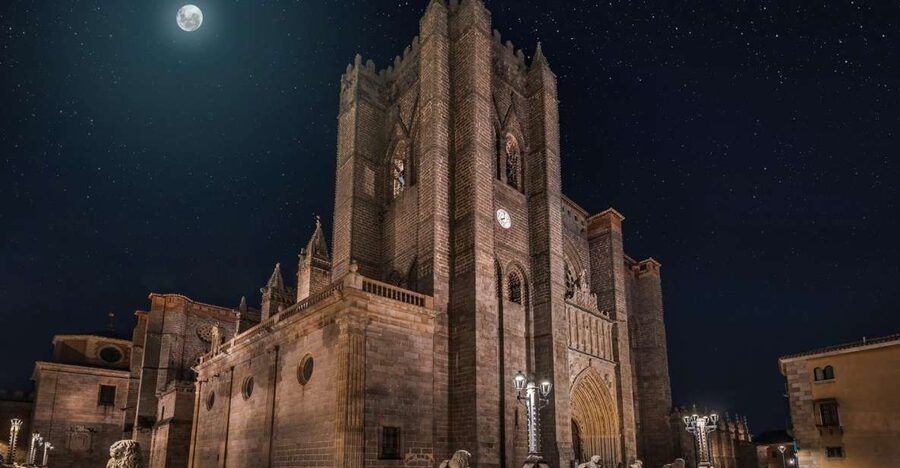
Ávila Cathedral is not just a church sitting inside the city walls. Its eastern end was built into those defenses, giving the building a stern, fortress-like character before the interior opens into Gothic space. With an audio guide in hand, you can take your time with the red-and-white Romanesque stone, later white Gothic work, chapels, paintings, and cloister.
I like the chance to see the star-shaped cupola over the 13th-century sacristy, a detail easy to miss on a quick walk through. I also like the freedom to set your own pace, especially if you want extra time with the altarpiece or the paintings by Pedro Berruguete and Juan de Borgoña. The main drawback is that the route is not always obvious, and loud organ music can make the English audio harder to follow.
- Fortress and cathedral in one: The church began as part of Ávila’s city walls, so its exterior has a defensive, Romanesque character.
- A clear change in stone and style: Look for the shift from red and white Romanesque masonry to paler Gothic stone.
- The star-shaped cupola: The 13th-century roof over the sacristy is one of the visit’s most distinctive details.
- Important Spanish paintings: The chapel includes works by Pedro Berruguete and Juan de Borgoña.
- A quiet ending: The cloister brings ribbed vaults and large Gothic windows after the darker interior.
- Useful flexible booking: Entry costs about $11 per person, with cancellation up to 24 hours ahead and payment available later.
Why Ávila Cathedral deserves your time
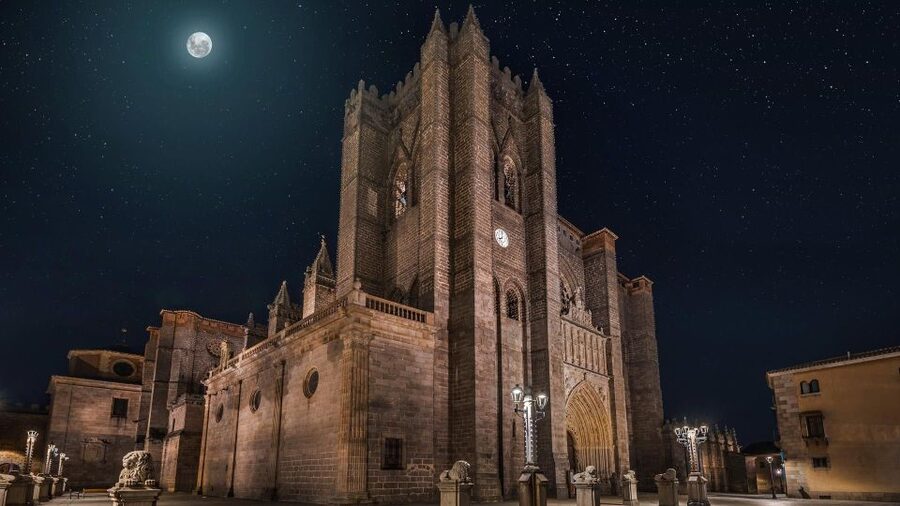
Ávila is famous for its complete medieval walls, but the cathedral is part of that story rather than a separate sight. Its eastern section was built into the city defenses, so the building feels both sacred and military. That combination gives it a personality you will not get from a standard Gothic church.
Inside, the architecture records several building periods. You can see Romanesque red and white stones beside lighter Gothic work. This makes the cathedral especially useful for anyone who likes to read a building as it changed over time. You are not simply looking at one finished style. You are seeing old and newer ideas joined together.
The visit is self-paced, but tourist visits require a guide. In practice, the supplied audio guide provides the explanation, while a live guide may also be involved. A guide named Vanessa has been associated with some visits and is described as especially accommodating, offering extra insight into unusual details of the cathedral’s past.
That combination matters. A church this old can feel confusing if you only walk from chapel to chapel without context. The audio commentary gives you a basic route and helps explain why the stone, roof forms, paintings, and chapels do not all look alike.
Entering through a cathedral built into the walls
Your first task is simply to arrive at the Cathedral of Ávila and enter with your ticket. Skip-the-ticket-line access is included, which can save time when you have a full day of sightseeing planned around the old city.
The building’s position is the first major point to notice. The cathedral was initially part of Ávila’s city walls, and that defensive role is visible in its heavy Romanesque character. Before you focus on paintings or chapels, look at how practical and solid the structure feels.
The interior then changes the mood. The red and white Romanesque stones give way to white Gothic stones, making the building look as if it grew in stages. The audio guide is helpful here because it can point out the architectural change while you are looking directly at it.
I recommend not rushing to the central nave. Pause near the entrance and let your eyes adjust to the scale and darker stone. Then follow the commentary through the nave, where the building’s mixture of periods becomes easier to understand.
More Church Audio Tours in Spain
- Cordoba: Mosque-Cathedral E-Ticket with Audio Guide
★ 4.1 · 2,895 reviews - Cathedral and Giralda Entry Ticket with Audio Guide
★ 4.1 · 505 reviews - Granada: Basilica of San Juan de Dios Ticket & Audio Guide
★ 4.6 · 336 reviews
The nave and the shift from Romanesque to Gothic
The nave gives you the broadest view of the cathedral. It is the place to compare the older Romanesque elements with the later Gothic structure, rather than treating the church as one uniform room.
Romanesque design often feels weighty and enclosed. Gothic design aims higher, using pointed forms and ribbed vaults to create a lighter, more vertical effect. Here, both visual languages share the same building. The contrast is one of the visit’s best lessons, particularly if you are seeing Spanish medieval architecture for the first time.
The audio guide lets you stop when you want, repeat information, and spend more time on details that interest you. That freedom is useful in a church where some visitors will care most about architecture and others will prefer the paintings or religious art.
There is one practical weakness. The route may not always be easy to follow, and the cathedral can be quiet in some areas but noisy in others. An organist can make the English audio difficult to hear, so bring patience and move to a quieter spot if the commentary becomes hard to catch.
Chapels of Piety and Conception
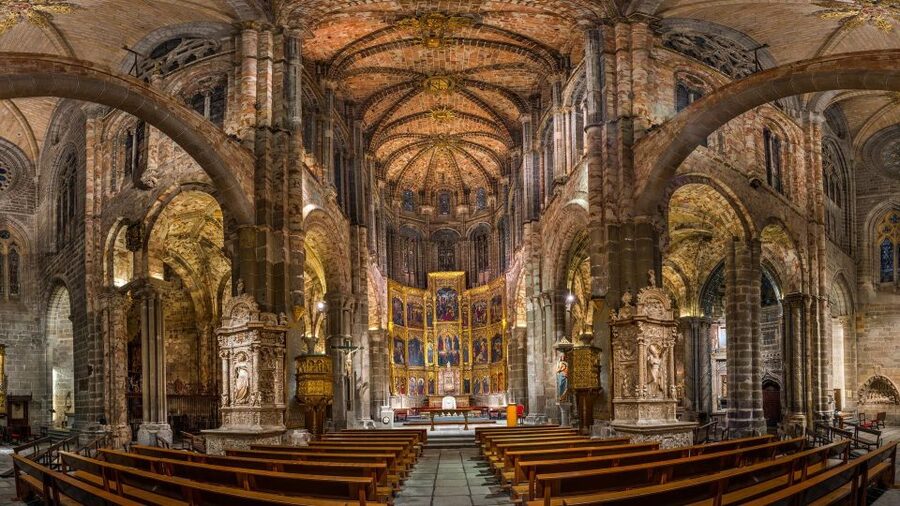
The route continues through the chapels of Piety and Conception. These smaller spaces break up the long nave and give you a closer look at the cathedral’s devotional side.
The chapels are valuable because they make the building feel less like a single grand hall and more like a collection of specific places for prayer, memorials, and art. Listen for the audio guide’s explanations rather than trying to absorb every object at once. The room names provide a useful way to organize what you are seeing.
You should also expect the visit to move between grand architecture and modest details. The main nave gives you scale. The chapels give you intimacy. That change keeps the route from becoming a long sequence of similar stone surfaces.
If you have limited time, do not skip the chapels entirely. The visit is designed to include them, and they help connect the cathedral’s architectural story with its religious purpose.
Saint Ildefonso, Saint Teresa, and the cathedral’s local character
The Chapel of Saint Ildefonso and Saint Teresa adds another important stop. These chapels connect the building to the religious figures honored inside it and give the tour a more local, personal feel.
The audio guide is particularly useful in spaces like this. Without explanation, a chapel can look like another side room. With context, its dedication and artwork become part of the cathedral’s larger story.
The supplied information does not promise a long guided lecture at each stop, so you should expect a compact audio explanation rather than a full private tour. That is a good fit if you prefer to keep moving, but less ideal if you want to ask detailed questions about every object.
For visitors who like to set their own rhythm, this is a strong point. You can listen, pause, look around, and continue when ready. If a live guide is present, Vanessa has been singled out for making an effort to explain unusual features, which could add warmth beyond the recorded commentary.
Another self-paced route in Spain:
- Barcelona: Sagrada Familia Entry Ticket with Audio Guide
★ 4.6 · 105,312 reviews - Barcelona: Casa Batlló Entry with Self-Audioguide Tour
★ 4.7 · 25,359 reviews - Granada: Alhambra Entry Ticket with Audio Guide
★ 4.1 · 5,950 reviews - Casa Batllo Admission Ticket with Intelligent Audio Guide
★ 4.5 · 3,168 reviews
The 13th-century sacristy and its star-shaped cupola
The star-shaped cupola above the 13th-century sacristy is the architectural highlight. It is an unusual form, and it rewards a slow look upward.
The word star-shaped can sound simple until you are standing beneath the roof and seeing how the ribs or sections organize the ceiling. This is the sort of feature that an audio guide can rescue from being overlooked. Without a prompt, you might admire the general ceiling and walk on. With one, you know where to direct your eyes.
The cupola also helps explain why this visit costs more than a quick look inside a church door. You are receiving access to a building with specific architectural details, historical layers, and named works of art, not just a general religious interior.
Look carefully at the transition between the sacristy and nearby spaces. The cathedral’s appeal comes from these changes in shape, stone, and purpose. A fast route will show you the highlights. A slower visit lets you see how the parts fit together.
Berruguete and Juan de Borgoña in the chapel
The paintings by Pedro Berruguete and Juan de Borgoña are another reason to use the audio guide rather than walking silently through the cathedral. Their names give you an entry point into the art, while the commentary can explain why the works matter.
You do not need to be an art specialist to enjoy this section. Start with the practical questions: What is the painting showing? Where is your eye drawn first? How does the work relate to the chapel around it? Then use the audio explanation to add context.
This stop is also a reminder that the cathedral is more than a building project. Its art was chosen and placed for worship, teaching, and decoration. The paintings make the interior feel more specific and human after the broad stonework of the nave.
If you are traveling with someone who prefers art to architecture, this may be the section that keeps the visit interesting. If your main interest is stonework and Gothic structure, give it enough time to understand the connection between the painting and its chapel rather than treating it as a quick stop.
Ending in the cloister
The route finishes in the cloister, a calmer space with ribbed vaults and large Gothic-style windows. This is a fitting ending because the cloister changes the scale and pace of the visit.
After the heavier nave and chapels, the cloister gives you repeated forms and open views. The ribbed vaults provide another chance to see Gothic construction at close range, while the windows bring in a different quality of light.
I like that the route ends here rather than sending you straight back through the busiest part of the church. The cloister gives you a quiet place to collect what you have seen. It also makes a useful final check of the cathedral’s design, since the Gothic features are easier to isolate in this more orderly space.
Plan to reach the final area before closing. Last access is 30 minutes before the cathedral closes, and the schedule can change because of liturgical events. The ticket is valid for one day, but that does not mean every hour will be available for sightseeing.
How the $11 price holds up
At about $11 per person, this is a reasonable purchase for a major historic church, especially because entry and the audio guide are included. Skip-the-ticket-line access adds practical value if your day in Ávila is tightly planned.
The price makes the most sense if you use the commentary. If you simply enter, glance at the nave, and leave, you will miss much of what distinguishes this cathedral from other medieval churches. The cupola, architectural changes, chapels, paintings, and cloister need explanation to reach their full value.
The one-day validity gives you flexibility, but the supplied details do not specify a fixed visit length or guaranteed starting hour. Check availability before booking and allow enough time to move slowly through the route. A liturgical event may also alter the schedule.
You can cancel up to 24 hours ahead for a full refund, and you can reserve now while paying later. Those terms are useful if your Ávila day is still shifting, though they do not remove the need to check the final opening schedule.
Audio guide languages and practical limits
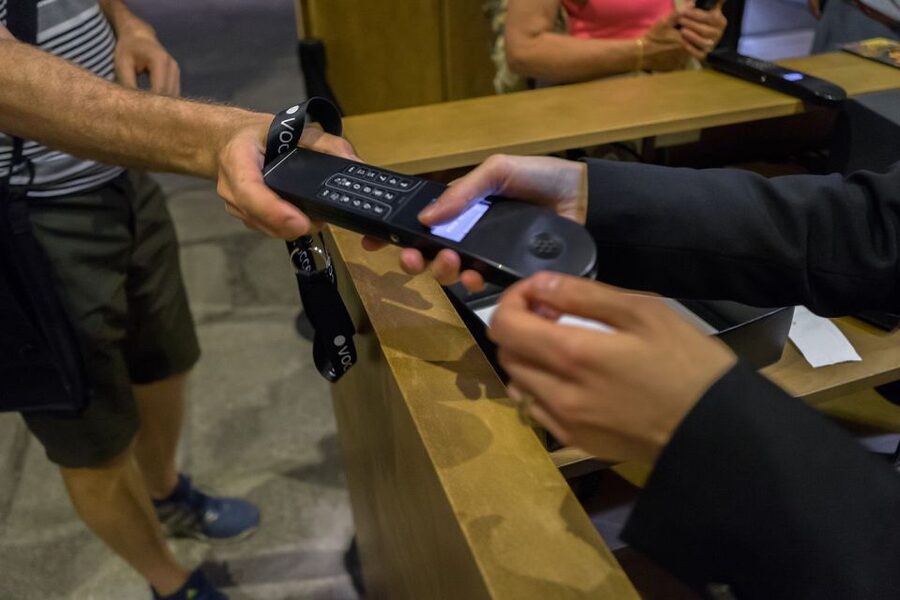
The audio guide is available in Spanish, English, French, and Italian. That covers the main language needs for this activity, but the quality of the English audio may vary in a noisy setting. Organ music has made it difficult to follow for some visitors, so listen in quieter corners when possible.
Food and drinks are not allowed inside. Pets, smoking, alcohol, drugs, flash photography, and video recording are also prohibited. These rules are normal for an active place of worship and help protect the art and atmosphere.
The cathedral is wheelchair accessible. The activity is listed for a private group, although the main feature remains the audio-guided visit at your own pace. If you need a fully live, question-and-answer tour, confirm exactly how your booking is arranged before paying.
Who should book this cathedral visit
I would choose this for a first visit to Ávila if you want more than an exterior look at the walls. It suits you especially well if you like architecture, religious art, and the freedom to stop without keeping up with a large group.
It is also a good choice for a short stay. The ticket is valid for one day, and the self-paced format lets you fit the cathedral around the city walls and other sights.
You may want a different arrangement if you need a clearly marked route, extensive live commentary, or detailed English explanations in every room. The audio guide is practical, but it cannot always respond to questions, and the route may require some attention.
Families and mixed-interest groups can also use the flexible format well. One person can focus on the paintings, another on the vaults, and another on the unusual defensive setting. Just remember that the cathedral is a quiet religious site, not a casual attraction where food, video, or loud conversation is suitable.
Should you book it?
Book this visit if the idea of a fortress-cathedral, Romanesque and Gothic construction, a star-shaped medieval cupola, and major paintings appeals to you. At $11, the entry and audio commentary offer solid value, particularly when you take time with the chapels and cloister.
Before booking, check the available schedule and allow for liturgical changes. If you are sensitive to unclear routes or audio interrupted by organ music, use the commentary in short sections and ask for help if a live guide is present. For most visitors who want an informed but independent look at Ávila Cathedral, this is a sensible way to see it.
FAQ
Where is the Cathedral of Ávila located?
It is in Ávila, in the Castile and León region of Spain.
How much does the cathedral ticket cost?
The listed price is about $11 per person.
How long is the ticket valid?
The ticket is valid for one day. Check availability for the applicable starting times.
Is an audio guide included?
Yes. An audio guide is included with the cathedral entry ticket.
Which languages are available for the audio guide?
The audio guide is available in Spanish, English, French, and Italian.
Is the Cathedral of Ávila wheelchair accessible?
Yes. The activity is listed as wheelchair accessible.
Can I cancel the booking?
Yes. You can cancel up to 24 hours in advance for a full refund.
Can I reserve now and pay later?
Yes. The reserve-now, pay-later option allows you to book without paying at the time of reservation.
Are there restrictions inside the cathedral?
Yes. Pets, smoking, food and drinks, flash photography, alcohol, drugs, and video recording are not allowed. Tourist visits also require the use of a guide, and last access is 30 minutes before closing.
Latest audio tours in Spain
- Seville Maestranza Bullring Tour with Audio Guide★ 3.5 · 6 reviews
- Seville Scavenger Hunt and Highlights Self Guided Audio Tour★ 5.0 · 5 reviews
- Seville Audio guided walking tour 3h20 and 28 audio commentaries★ 5.0 · 2 reviews
- Royal Alcazar of Seville Entry Ticket with Audio Guide★ 4.0 · 42 reviews
- Seville Cathedral and La Giralda Entry Ticket with Audio Guide★ 3.0 · 9 reviews
- Essential Seville’s Ancient History: An Audio Tour★ 5.0 · 9 reviews
- Seville Cathedral and Giralda Entry Tickets with Audio Guide★ 4.0 · 56 reviews
- Segovia from the Aqueduct to the Alcazar: A Self-Guided Audio Tour★ 4.5 · 10 reviews
Church & Cathedral Audio Tours, compared.
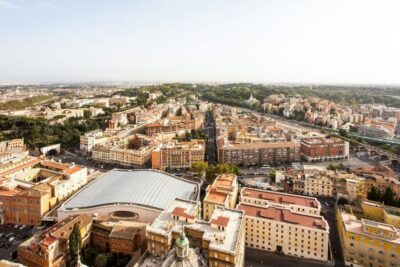
St. Peter’s Basilica & Dome Entry Ticket & Audio Tour
Read our review →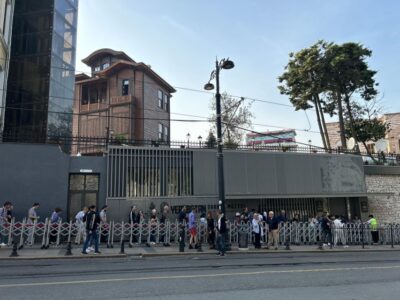
Basilica Cistern Fast-Track Entry and Audio Guide
Read our review →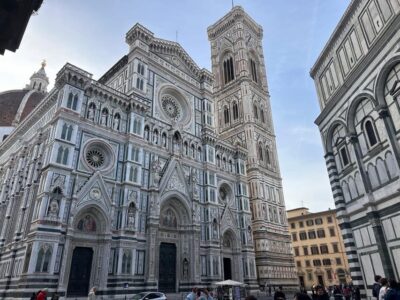
Cathedral & Brunelleschi’s Dome Ticket & Audio App
Read our review →
Vatican & Sistine Chapel Ticket with Optional Audio Guide
Read our review →
St. Mark Basilica Ticket, Audioguide+History Gallery
Read our review →
Skip the Line: Vatican & Sistine Chapel Ticket with Audio Guide
Read our review →
St. Peter’s Basilica with Optional Dome Ticket & Audioguide
Read our review →
Browse the lists this tour appears in