
Reviewed · SEVILLE
Seville: Hospital de los Venerables Ticket with Audio Guide
The best part of this visit is the way one small Seville building packs several experiences together: a Baroque church, a quiet orange-tree courtyard, a sacristy, and a focused art collection. You can move through the former priests’ hospital at your own pace rather than rush behind a group.
I like the clear audio guide, which gives the building context without making you read every wall panel. I also like the chance to see Velázquez and Murillo in a more intimate setting, along with Pedro Roldán’s sculpture and the Valdés family frescoes. The main drawback is that the visit gives more space to art and architecture than to the daily life of the hospital itself.
Key points
- A 17th-century priests’ hospital: See the building founded by Canon Justino de Neve to care for elderly priests.
- A handsome Sevillian courtyard: Walk beneath arches and past orange trees, old wooden doors, and spaces once used for theater.
- The Centro Velázquez: View works linked to Diego de Silva y Velázquez, Bartolomé Esteban Murillo, and other Sevillian artists.
- A richly decorated church: Study frescoes by the Valdés family, Pedro Roldán’s sculpture, the arches, and the sacristy.
- A new VR360º presentation: See the Hospital de los Venerables from an unusual digital viewpoint.
- Easy self-guided format: The ticket is valid for one day, includes an audio guide, and allows cancellation up to 24 hours ahead.
Entering Seville’s Hospital de los Venerables
The Hospital de los Venerables Sacerdotes was founded by Canon Justino de Neve as a home and place of care for elderly priests. The building dates from the 17th century, a period when Seville’s religious institutions often combined charity, worship, art, and ceremony under one roof.
You do not come here for a large palace or a vast museum. The appeal is more concentrated. The building lets you move from one carefully decorated space to another, with the architecture doing much of the storytelling.
I find this scale useful after visiting Seville’s biggest sights. The city can sometimes feel like one grand church after another, but the Hospital de los Venerables gives you a more contained look at how a religious foundation was designed and used.
The audio guide helps explain that setting. Spanish, French, German, and Italian are available, so you can take in the details without depending on printed material. One account specifically praises Alvaro as an excellent guide, but the standard ticket includes an audio guide, so I would plan on a self-guided visit rather than assume a live tour.
More Audio Tours in Spain
- Barcelona: Sagrada Familia Entry Ticket with Audio Guide
★ 4.6 · 105,312 reviews - Barcelona: Casa Batlló Entry with Self-Audioguide Tour
★ 4.7 · 25,359 reviews - Granada: Alhambra Entry Ticket with Audio Guide
★ 4.1 · 5,950 reviews
The courtyard, arches, and old wooden doors
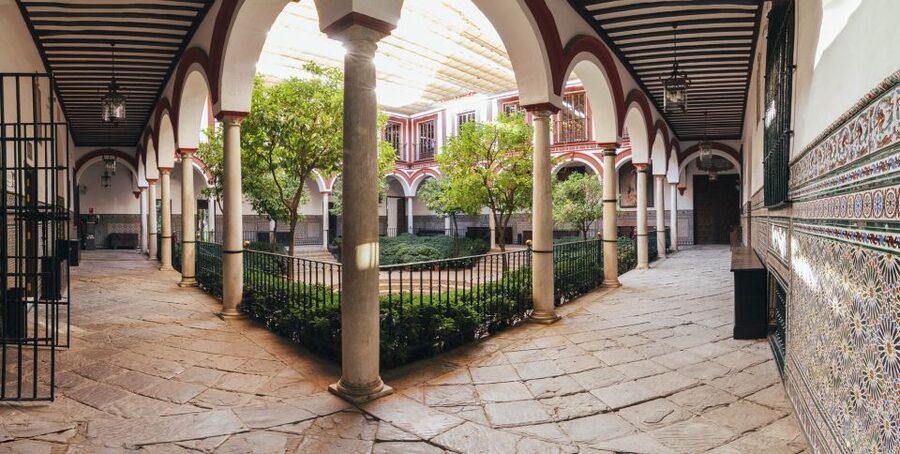
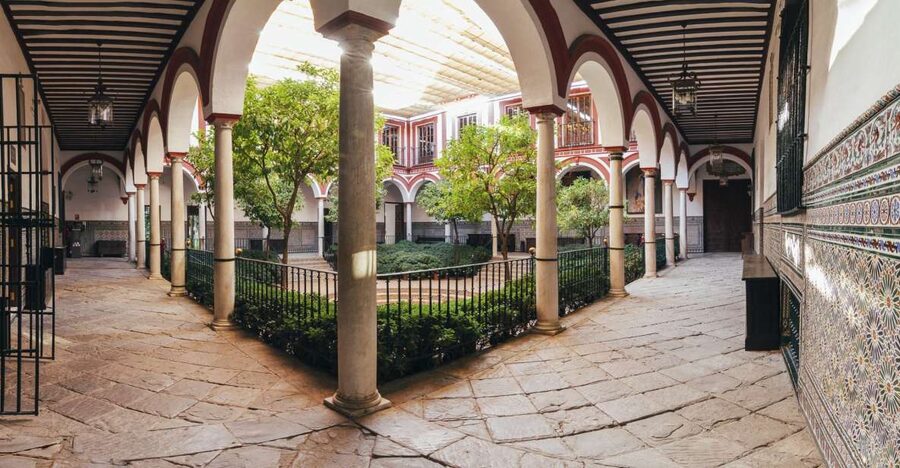
Your walk through the building includes a traditional Sevillian patio. This courtyard is one of the most pleasant parts of the visit, especially if you like architecture that rewards quiet observation instead of quick photographs.
Look at the proportions first. The arches frame the open space and give the courtyard a calm rhythm. Orange trees add the familiar scent and color associated with Seville’s old patios, while the wooden gates provide a more tactile reminder of the building’s age.
The doors are not just decoration. They help you picture the patio as a working part of the institution, linking rooms and giving the building a central outdoor space. The courtyard has also been used for theatrical performances, including plays associated with Miguel de Cervantes and others, as well as musical events.
That detail gives the patio extra life. You are not looking at a silent architectural set. You are standing in a space that has served as a setting for performance and gathering.
The courtyard is also a good place to slow down. The church and art center demand focused attention, but here you can look up at the arches, inspect the woodwork, and notice how light changes the feel of the building. If your main interest is painting, this may seem like a short stop. If you enjoy old buildings, it may be the part you remember best.
Inside the Baroque church
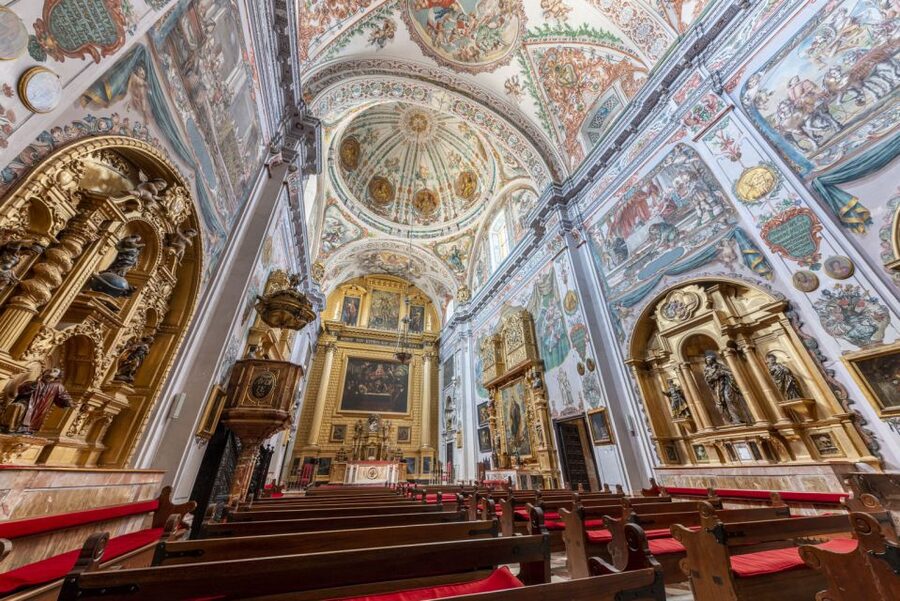
The church dates from the end of the 17th century and gives the visit its strongest visual impact. Its arches and painted walls create the kind of layered interior that makes Baroque churches so absorbing: structure, sculpture, and painted scenes all compete for your attention.
The frescoes were designed and made by members of the Valdés family. Take time to look beyond the main altar area and study the walls. The painted scenes are meant to work with the architecture, making the church feel fuller and more theatrical than its size might suggest.
The decoration is not the plain, restrained style you might expect from a charitable institution. This was also a religious building intended to inspire devotion and display artistic skill. The contrast between its charitable purpose and its ornate decoration is worth keeping in mind as you walk.
Pedro Roldán’s sculpture adds another layer. His work gives the church a three-dimensional focus, while the frescoes draw your eye upward and across the walls. The audio guide is useful here because it can point out details you might otherwise miss.
I would allow more time for the church than you might initially expect. It is easy to walk in, take one look, and leave. That would miss the way the paintings, arches, and sculpture fit together.
The sacristy and the building’s quieter details
The sacristy is included in the ticket and offers a change of mood from the main church. It is a practical religious room, but it also shows how carefully the building’s supporting spaces were designed.
In places like this, the smaller rooms can explain an institution better than its grandest hall. The church tells you how the building presented itself publicly. The sacristy gives you a closer look at the work behind religious services and the architectural care given to rooms that were not meant for large congregations.
The information provided does not describe a large collection of furnishings or an extensive display in the sacristy, so I would not expect a separate museum section there. Think of it as part of the church’s architectural sequence, not a full attraction on its own.
That sequence matters. You move from open courtyard to decorated church to sacristy, seeing both the public and working sides of the foundation. The audio guide can help connect those spaces, particularly if you are less familiar with the functions of a historic Catholic church.
Another self-paced route in Spain:
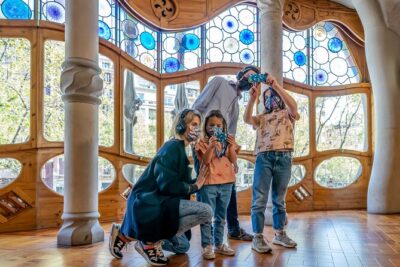
- Casa Batllo Admission Ticket with Intelligent Audio Guide
★ 4.5 · 3,168 reviews - Madrid: Las Ventas Bullring Tour with Audio Guide
★ 4.6 · 3,154 reviews - Cordoba: Mosque-Cathedral E-Ticket with Audio Guide
★ 4.1 · 2,895 reviews - Nerja: Caves of Nerja Entry Ticket with Audio Guide
★ 4.6 · 1,616 reviews
The Centro Velázquez and Seville’s painters
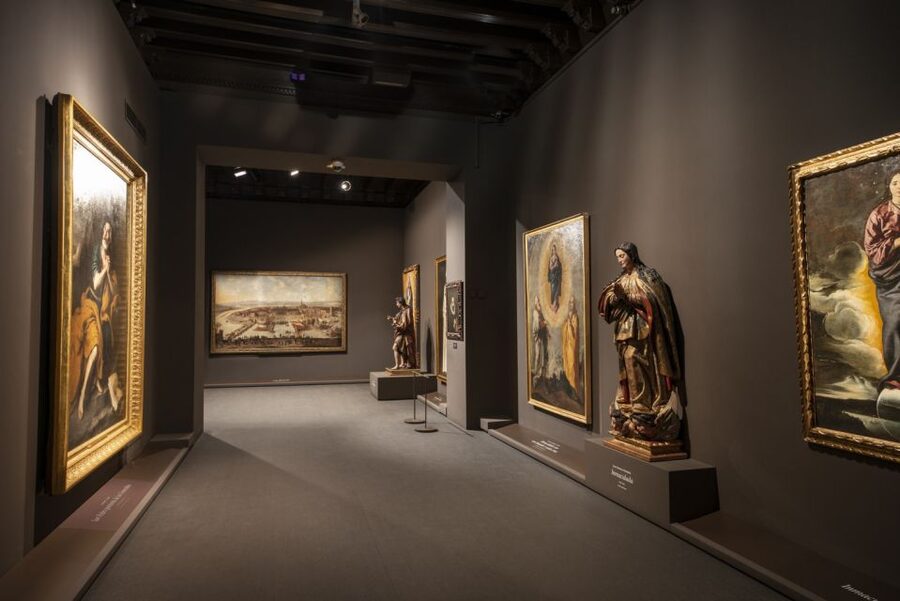
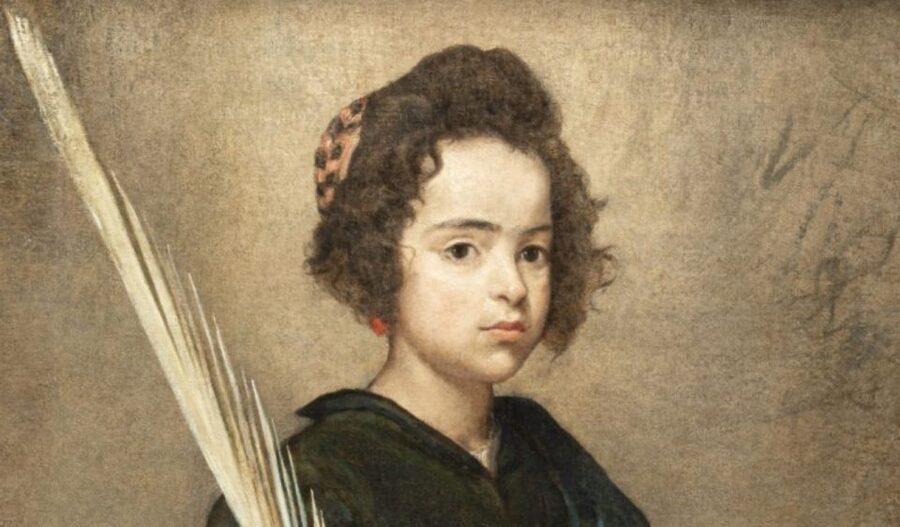
The Centro Velázquez is the artistic centerpiece of the visit. It is located within the Hospital de los Venerables and focuses on important Sevillian painters, including Diego de Silva y Velázquez and Bartolomé Esteban Murillo.
For many people, the chance to see Velázquez’s work in person will be the reason to buy the ticket. Reproductions flatten paintings. In the gallery, you can look at the handling of faces, fabric, light, and expression in a way that a guidebook image cannot match.
The collection is not presented as a giant survey of Spanish art. That is a benefit if you prefer a focused stop, but a limitation if you want a full museum afternoon. You are visiting a historic building with an art center, not replacing Seville’s major fine-art museums.
Murillo is particularly relevant to Seville. His religious paintings and soft, human expressions connect closely with the city’s religious institutions and artistic traditions. Seeing his work alongside Velázquez helps you notice differences in mood, technique, and purpose rather than treating both names as a single category called Spanish painting.
I also appreciate that the visit includes work by several Sevillian artists rather than relying on one famous name. The art center gives the building a wider cultural setting, while the church adds sculpture and fresco painting to the picture.
The VR360º presentation
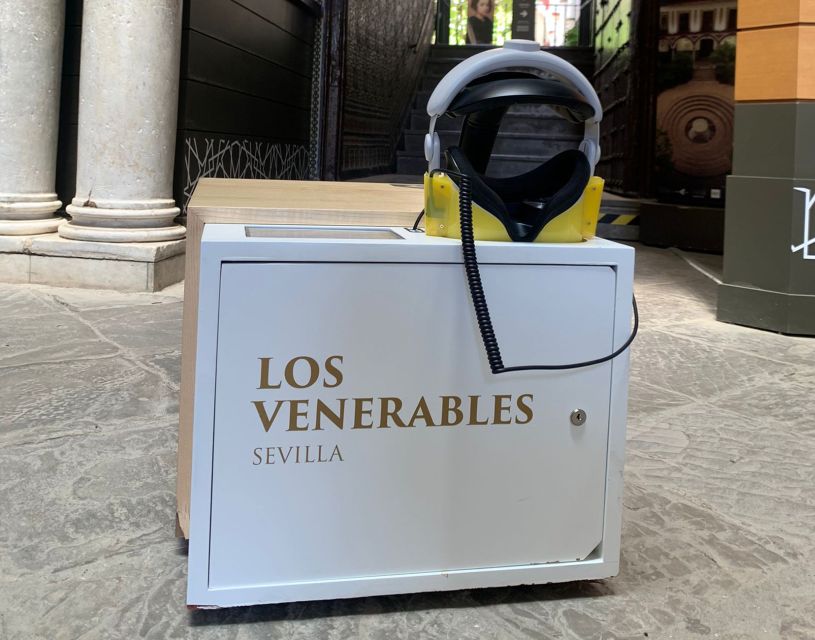
The new VR360º virtual experience adds a modern layer to a very old building. It is designed to show the Hospital de los Venerables from a viewpoint you cannot get simply by walking through its rooms.
This is useful because historic buildings have limits. Walls, upper levels, and restricted areas prevent you from seeing the whole structure at once. A 360-degree presentation can help you understand how the rooms, courtyard, and church relate to one another.
I would treat the VR element as an extra, not the main reason to visit. The real pleasure comes from standing beneath the arches, looking closely at the frescoes, and seeing paintings in the Centro Velázquez. The virtual presentation works best as a supplement that changes your sense of the building after you have seen it in person.
It also gives the visit a welcome change of pace. After concentrating on paintings and architectural details, a digital presentation offers another way to understand the site.
How much time to allow
The ticket is valid for one day, but no fixed visit length is provided. That gives you flexibility. You can fit the Hospital de los Venerables between larger Seville sights instead of committing to a long scheduled tour.
I would avoid treating it as a five-minute photo stop. You need time for the courtyard, church, sacristy, Centro Velázquez, audio guide, and VR360º presentation. The exact length will depend on how carefully you listen and how long you spend with the paintings.
A short visit can cover the main rooms. A slower visit is better if Velázquez, Murillo, Baroque architecture, or church decoration matters to you.
The one-day validity is practical for a city itinerary. You can check the available starting times when booking, then plan the rest of your day around the visit. Since the ticket allows you to skip the ticket line, you spend less time arranging entry and more time inside.
Is the $14 price good value?
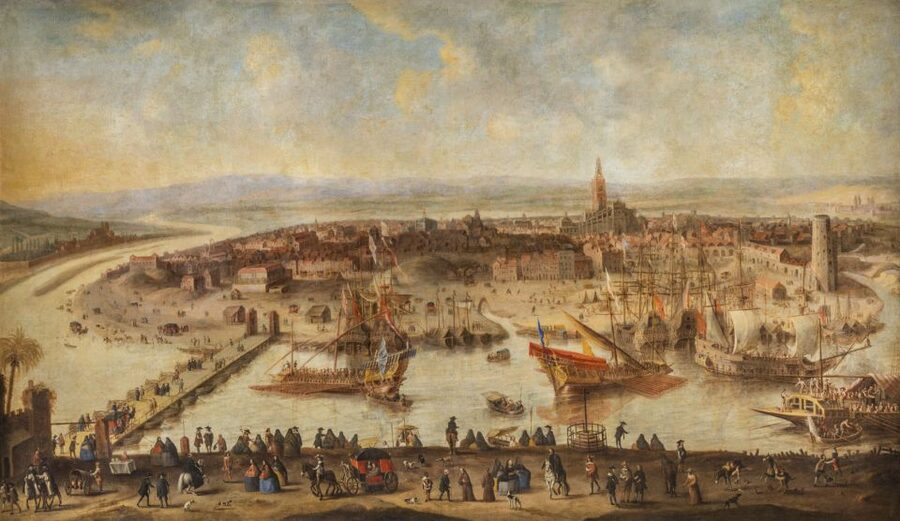
At $14 per person, this is a fairly modest cultural stop for Seville, particularly because the price includes several parts of the site rather than only church entry. You get access to the courtyard, church, sacristy, Centro Velázquez, audio guide, and VR360º presentation.
The value is strongest if you care about art and architecture. A person who wants to see Velázquez in person may find the ticket easy to justify. The same is true for anyone who enjoys Baroque churches and smaller historic institutions.
The value is weaker if your main interest is the hospital’s social history. The building was founded to care for elderly priests, but the visit is primarily an art and architecture experience. You may learn about the institution through the audio guide, yet you should not expect a large hospital museum with extensive displays about medical care or daily routines.
That distinction is important. The price is not buying a full social-history exhibition. It is buying entry to a beautiful historic building with significant art and a self-guided way to understand it.
Who will enjoy this visit most?
I would recommend the Hospital de los Venerables to you if you want a manageable cultural stop with several different elements. It suits people who like to alternate between paintings, architecture, and quiet outdoor spaces.
It is especially useful for:
- Art lovers: Velázquez, Murillo, and other Sevillian painters are central to the visit.
- Church and architecture enthusiasts: The arches, frescoes, courtyard, wooden doors, and sacristy provide plenty to study.
- Independent visitors: The audio guide lets you set your own pace.
- Repeat visitors to Seville: The building offers a more focused experience than the city’s largest monuments.
- Visitors using wheelchairs: The site is listed as wheelchair accessible.
- Flexible planners: The ticket is valid for one day and can be canceled up to 24 hours before the visit for a full refund.
You may want to choose another attraction if you want a large museum, a long guided walk, or a detailed account of hospital life. This is a compact cultural visit, not an all-day program.
Practical advice before you go
Choose your audio-guide language when planning the visit. Spanish, French, German, and Italian are available. If you understand one of those languages comfortably, the guide should make the frescoes, paintings, and institutional background easier to follow.
Do not rush the courtyard. The church will likely draw your first serious attention, but the patio provides the clearest sense of the building as a Sevillian institution. Look at the gates and arches before moving on.
Give the Centro Velázquez your full attention if you have come mainly for the paintings. It is easy to let the church dominate the visit, then realize you hurried through the art center.
The reserve-now, pay-later option can help if your Seville schedule is still changing. You pay nothing at the time of booking, and free cancellation is available up to 24 hours in advance. Check the available starting times before committing your day.
Should you book the Hospital de los Venerables?
Book it if you want to see Velázquez and Murillo in a smaller setting, admire a handsome Baroque church, and explore a traditional Sevillian courtyard without signing up for a long tour. The $14 price is reasonable because it includes the church, sacristy, patio, art center, audio guide, and VR360º feature.
Skip it if your priority is the hospital’s charitable work and daily history rather than its art and architecture. You will see the former institution, but the strongest parts of the visit are the paintings, frescoes, sculpture, courtyard, and building itself.
For most visitors with an interest in Seville’s art, this makes a worthwhile one-day stop. Keep your expectations focused, take your time with the church, and let the audio guide fill in the connections between the rooms.
FAQ
Where is the Hospital de los Venerables?
It is in Seville, in Andalusia, Spain.
What does the ticket include?
The ticket includes entry to the church, sacristy, courtyard, Centro Velázquez, audio guide, and VR360º virtual experience.
How long is the ticket valid?
The ticket is valid for one day. Available starting times can be checked when booking.
Is an audio guide included?
Yes. The audio guide is included in the ticket.
Which audio-guide languages are available?
The audio guide is available in Spanish, French, German, and Italian.
Is the Hospital de los Venerables wheelchair accessible?
Yes, the experience is listed as wheelchair accessible.
Can I cancel the booking?
Yes. You can cancel up to 24 hours in advance for a full refund.
How much does the ticket cost?
The listed price is $14 per person.
Latest audio tours in Spain
- San Sebastian Scavenger Hunt & Highlights Self Guided Audio Tour★ 4.0 · 7 reviews
- Sampling San Sebastián’s History: A Self Guided Audio Tour★ 4.5 · 5 reviews
- Spain’s Golden City: A Salamanca Audio Tour★ 4.0 · 17 reviews
- E-Ticket to Mérida Roman Theatre with Audio Guide★ 3.5 · 3 reviews
- Palma de Mallorca: City Walk Audio Guide in 7 Languages on Phone★ 3.5 · 6 reviews
- Palma de Mallorca Medieval Jewish Quarter Audio Guide★ 5.0 · 2 reviews
- Self-Guided Audio Tour – The Kingdom of Mallorca★ 3.5 · 7 reviews
- Malaga Scavenger Hunt and Highlights Self Guided Audio Tour★ 4.5 · 4 reviews
Spain Audio Tours, compared.
Sagrada Familia Entry Ticket with Audio Guide
Read our review →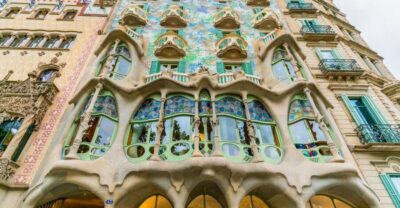
Casa Batllo Admission Ticket with Intelligent Audio Guide
Read our review →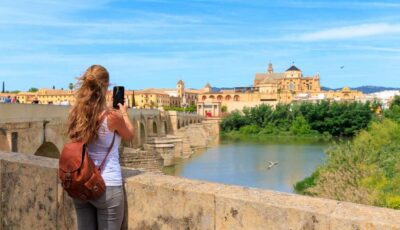
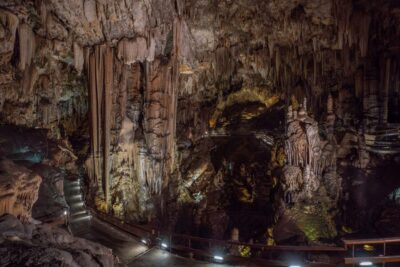
Nerja: Caves of Nerja Entry Ticket with Audio Guide
Read our review →
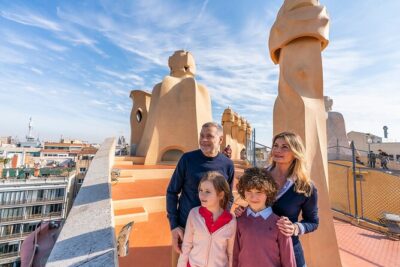
La Pedrera-Casa Mila Admission Ticket with Audioguide
Read our review →Browse the lists this tour appears in