
Reviewed · GREECE
Santorini: Tomato Museum Admission Ticket with Audio Guide
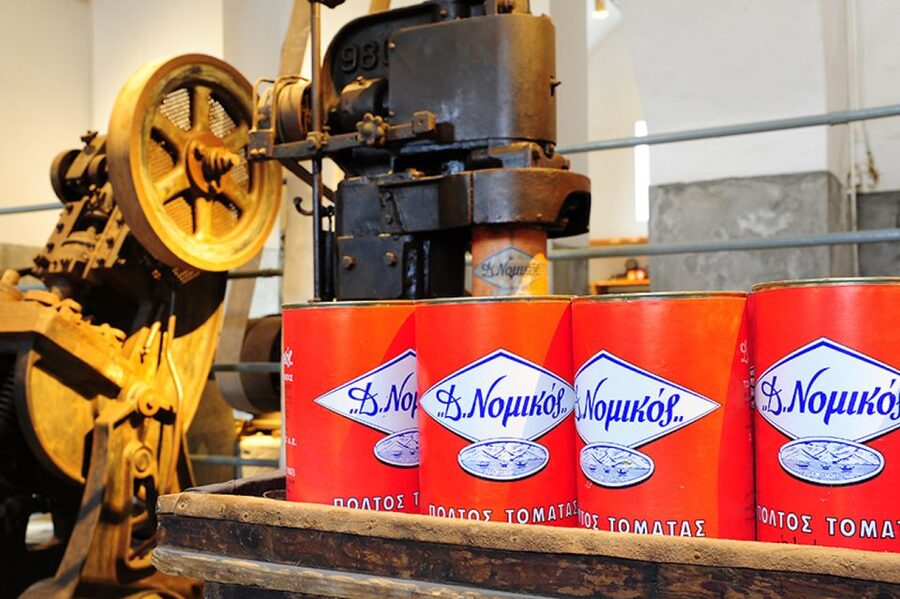
Santorini’s cherry-sized tomato is small, sweet, and tied closely to the island’s dry farming tradition. At the old D. Nomikos factory in Vlychada, you can follow that tomato from cultivation to processing while walking through a real industrial site rather than a standard display room. The audio guide lets you set your own pace, and the tasting gives the story a useful, edible finish.
I like the museum’s mix of working machinery and firsthand worker recordings. I also like that the visit is compact and hands-on enough for children, with a friendly welcome and a simple tasting. The main drawback is transport: the public bus from Fira runs every two hours, and there is no hotel transfer included.
Key points to know before you go
- Three areas explain the full tomato process: Follow cultivation, processing, and production in the former factory.
- A real taste of Santorini: Try the island’s sweet, cherry-sized tomato and learn what makes its flavor distinctive.
- Audio guide in five languages: Choose English, French, German, Italian, or Greek, and explore independently.
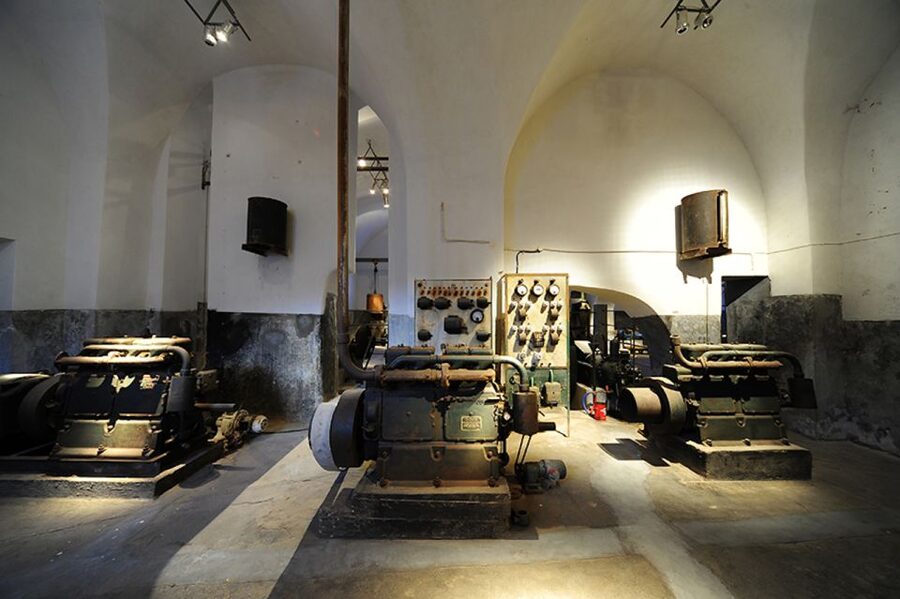
- Industrial details bring the past to life: See old processing machinery and audiovisual accounts from former factory workers.
- Useful for families: The museum is described as fun and quick, making it a practical stop with children.
- Shop beyond the ticket: Buy food products made with the local tomato before leaving.
Why Santorini’s tomato deserves its own museum
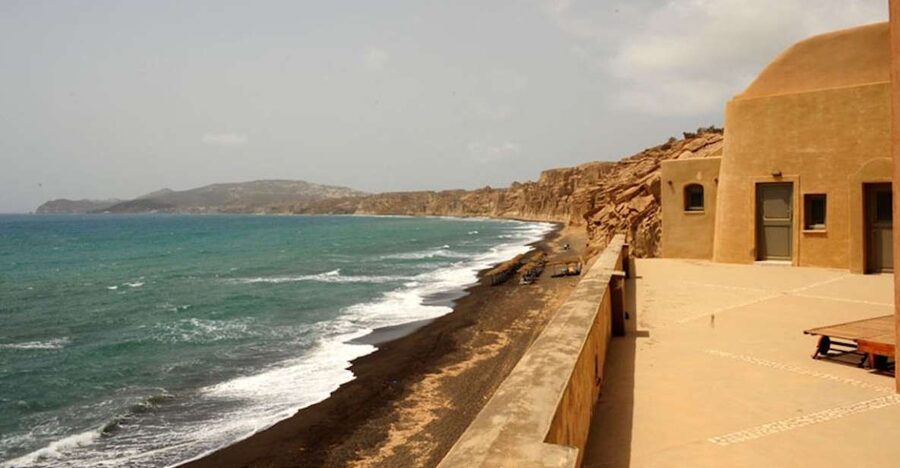
Many people come to Santorini for cliffs, sunsets, and white villages. This museum points you toward a less polished but equally important part of island life: food production.
The local tomato is not the large, juicy salad tomato you may know from home. It is cherry-sized, and the museum explains how it was cultivated on Santorini from the end of the 19th century. The island’s tomato became a traditional product, and its small size and sweet, distinctive flavor are central to the visit.
I like this subject because it gives you a practical way to understand Santorini. You are not only looking at an old factory. You are learning how islanders worked with a local crop and built an industry around it.
The museum is located in Vlychada, at the historical tomato factory of D. Nomikos. That setting matters. You are seeing the production site itself, with machinery and work areas connected to the story, rather than viewing a few tools in an unrelated gallery.
More Museum Audio Tours in Greece
- Athens: Acropolis Museum Ticket with optional Audio Guide
★ 4.4 · 2,652 reviews - Parthenon & Acropolis Museum with Audio or Live Tour Option
★ 4.1 · 2,446 reviews - Athens: National Archaeological Museum Ticket & Audio Guide
★ 4.3 · 1,330 reviews
Arriving at the D. Nomikos factory in Vlychada
You make your own way to the Tomato Industrial Museum. A taxi is an option, while the public bus from Fira connects with the museum every two hours. That timetable is the key practical detail to remember.
If you plan to use the bus, check the return timing before you begin your visit. Missing a bus could leave you with a longer wait, so this is not the kind of attraction where you should arrive without thinking about your way back.
There is no hotel pickup included, and food and drinks are not part of the ticket. The museum works best as a planned stop in your Vlychada day, rather than an entirely spontaneous visit from another part of the island.
At the entrance, the host or greeter can speak English or Greek. The ticket includes admission to the full complex and an audio guide device. Bring headphones, as they are listed among the things you should have with you.
Three areas, one clear production story
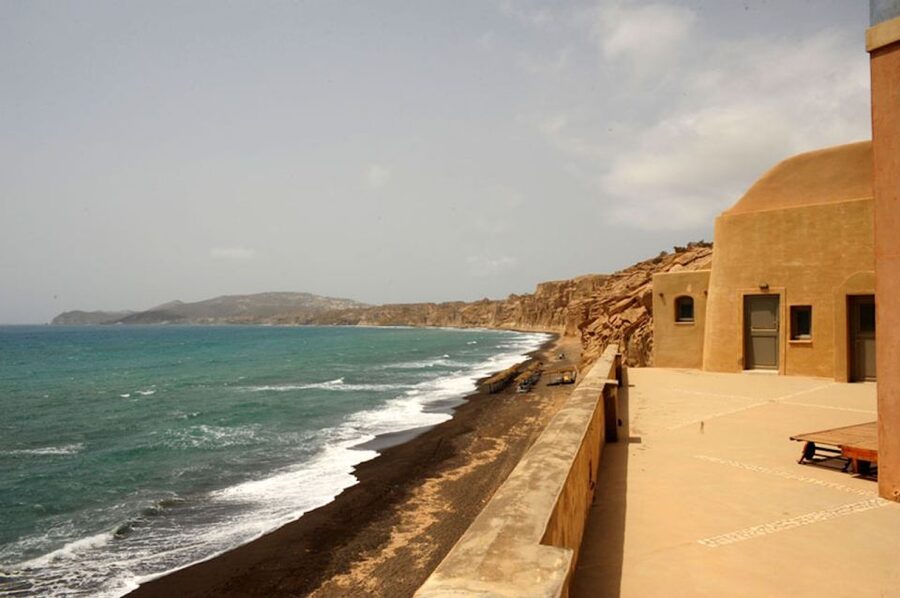
The complex is arranged in three large areas. You move through them at your own speed, using the audio guide to explain the displays and the work carried out at the factory.
The first part concerns cultivation. This gives you the agricultural side of the story, including the long connection between Santorini and its local tomato. The exhibit helps explain why the crop mattered before modern food systems made it easy to import produce from almost anywhere.
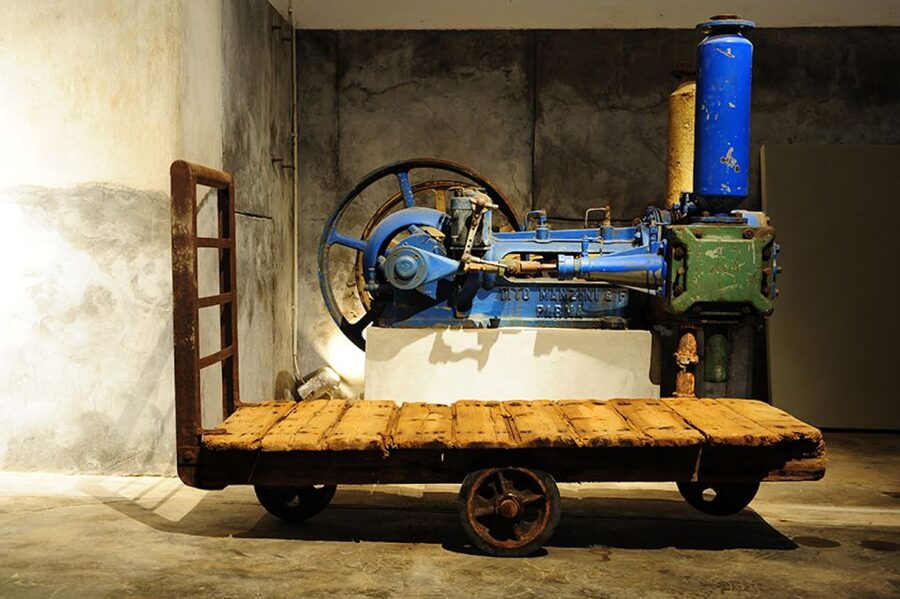
The second part covers processing. Here, old machinery helps you picture how the tomatoes were handled after harvest. The equipment is more useful when you understand its purpose, and the audio guide provides that background without requiring a live guide to lead a group.
The third part focuses on production. This is where the tomato becomes a finished product and where the former factory’s industrial role becomes clearest. The route connects the crop in the field with the goods that could be sold and stored.
The three-part format gives the visit a natural beginning, middle, and end. You are not left trying to assemble the story from disconnected objects. Instead, the museum shows how a local crop moved through a complete working system.
What the audio guide adds
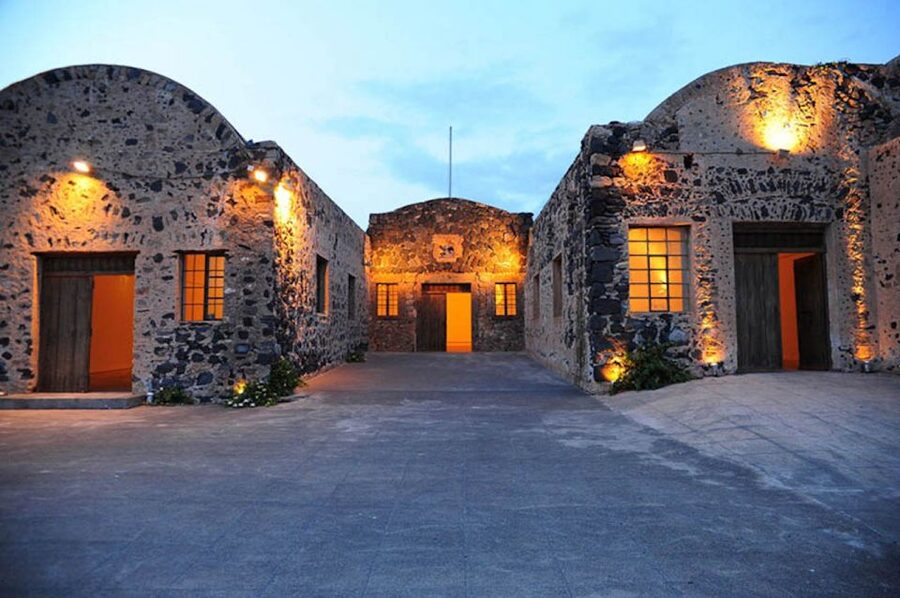
This is a self-guided visit, not a live tour. That distinction matters. You will not have a guide answering questions in real time, but you also do not have to keep up with a group or wait while someone else studies a display.
The audio guide is available in English, French, German, Italian, and Greek. You receive a device at the museum, and headphones are recommended. You can pause, move ahead, and spend more time with the machinery or recordings that interest you.
I see this as a good match for independent visitors. If you enjoy short museum visits with a clear theme, the format should feel easy to manage. It also helps families, since children can move through the complex without being tied to a long formal explanation.
The tradeoff is that the quality of your visit depends partly on how carefully you use the device. Someone who prefers a personal guide may find the experience less engaging. The information is delivered through recordings rather than conversation.
Another self-paced route in Greece:
- Athens: Acropolis Ticket with Optional Audio or Live Guide
★ 4.2 · 11,055 reviews - Athens: Cape Sounio & Poseidon Temple Trip with Audio Guide
★ 4.4 · 4,521 reviews - Athens: Acropolis Ticket with Audio Guide
★ 4.0 · 3,575 reviews - From Athens: Delphi Full Day V.R. Audio Guided Tour
★ 4.6 · 3,028 reviews
Machinery, recordings, and the human side of factory work
The machinery is the visual heart of the museum. Old processing equipment gives the factory a physical sense of purpose. Even if you are not especially interested in industrial technology, the machines help you see that tomato production once involved skilled, organized work on a much larger scale than a home kitchen.
The audiovisual material adds another layer. Former factory workers share firsthand experiences of a past industrial era. Those accounts keep the museum from feeling like a collection of silent objects.
I find personal work stories especially useful in small local museums. Machinery can show you what happened, but worker accounts can help you think about how the work felt and how the factory fit into everyday island life. The supplied information does not give the names of individual speakers, so do not expect a star-led presentation. The value is in hearing the people connected to the site.
The museum also explains traditional methods used by tomato producers on the island. That focus makes the visit more than a display of old equipment. You learn about the methods, the crop, and the production chain that made the Santorini tomato a recognized local product.
The tasting: small tomato, clear payoff
The tasting is one of the simplest and most effective parts of the visit. You try the cherry-sized Santorini tomato and get a direct sense of its sweet, distinctive flavor.
Food tastings can sometimes feel like an afterthought. Here, it connects directly to everything you have just seen. After hearing about cultivation and processing, you get to understand the product through taste instead of only through labels and recordings.
The available information does not promise a full meal or a broad food tasting. Food and drinks are not included as a general part of the ticket, so treat this as a focused taste of the local tomato, not lunch.
A French-language review of the visit described the tasting as enjoyable and the welcome as excellent. The same account called the museum fun and quick, especially suitable for children. That matches the structure of the attraction: you get a specific subject, a few large areas, an audio guide, and a tasting without committing to a long museum session.
The museum shop and tomato products
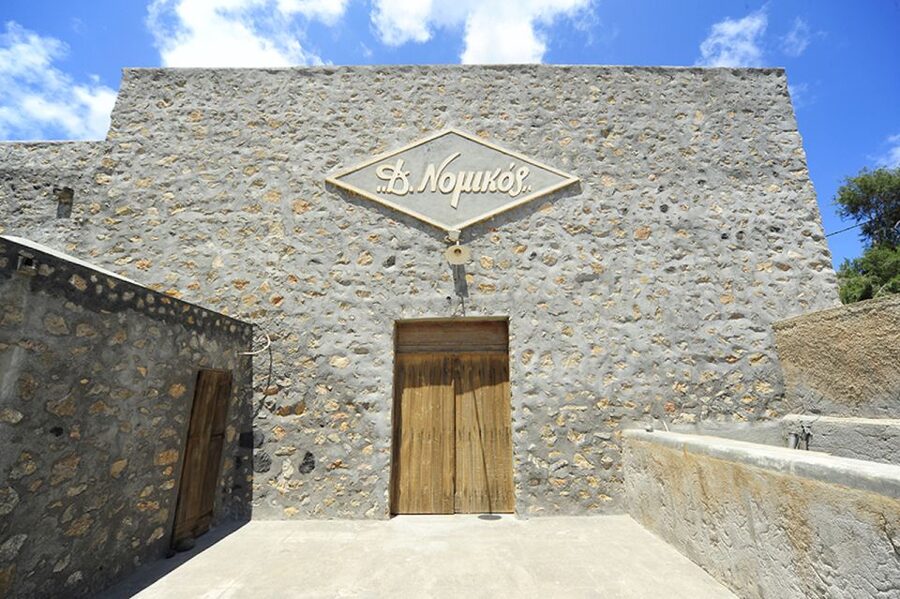
The product boutique is included as part of your access to the complex. You can buy different products made with the local tomato.
This is useful if you want to take home something connected to Santorini’s food culture rather than a generic souvenir. The exact products are not specified, so I would treat the shop as an opportunity to browse rather than plan around a particular item.
The shop also gives the visit a practical ending. You have learned how the tomato was cultivated and processed, tasted it, and then have the option to buy a finished product. That progression makes sense and keeps the museum linked to the island’s present-day food identity.
Remember that purchases are separate from the $14 admission price. The ticket covers the complex, audio guide, and access to the boutique, not food or shop items.
Is $14 good value?
At $14 per person, this is a reasonable ticket for a specialized museum with an included audio guide, a tasting, and access to a historic factory complex.
The value depends on what you want from Santorini. If your ideal day is only viewpoints and famous villages, you may not want to spend time getting to Vlychada for a tomato museum. But if you like local food, old machinery, or smaller cultural sites, the price buys more than a simple entry hall.
I especially like that the ticket does not force you into a live group tour. You get the freedom to move at your own pace, while the audio device supplies the main explanation. The five language options also make the price more useful for international visitors.
The main cost is not the ticket. It is the time and effort of reaching Vlychada, particularly if you depend on a bus that runs every two hours. Plan the transport carefully, and the admission becomes easier to justify.
Who should make time for this museum?
I would recommend the museum to several kinds of visitors:
- Families with children: The visit is relatively quick and interactive, with machinery, recordings, and a tasting.
- Food-focused visitors: You learn about a distinctive Santorini product and sample the tomato itself.
- History and industry fans: The old factory and processing equipment provide a direct link to the island’s industrial past.
- Independent museum visitors: The audio guide lets you set your own pace without joining a live group.
- Repeat visitors to Santorini: If you have already seen the famous views, this offers a different side of the island.
It may be less suitable if you are looking for a large museum with many unrelated collections, a long guided program, or included transport from your hotel. The subject is narrow by design. You are coming to understand one crop and the factory built around it.
The museum is wheelchair accessible, which is an important practical advantage. Still, transport planning remains your responsibility because hotel transfer is not included.
How to plan the visit well
Before leaving Fira, check the bus schedule and note the next return service. Since buses run every two hours, a little planning can prevent a long wait.
Bring headphones for the audio guide. The device is included, but headphones are specifically listed as something to bring.
Allow yourself enough time to hear the recordings, examine the machinery, and sample the tomato without rushing. The visit is described as quick, but quick does not have to mean hurried. You can use the self-guided format to spend less time on displays that do not interest you and more time with the worker accounts or production equipment.
The ticket is valid for one day, and you check availability for the available starting times. Free cancellation is available up to 24 hours in advance for a full refund, and you can reserve now while paying later. Those terms help if your Santorini plans depend on weather or changing transport plans.
Should you book the Santorini Tomato Museum?
Book it if you want a short, local, food-centered museum visit with a tasting and clear historical context. The old D. Nomikos factory, traditional production methods, machinery, and worker recordings give you a side of Santorini that is easy to miss.
I would be more cautious if your schedule is tight and you are staying far from Vlychada. The two-hour bus connection can make transport the deciding factor, and the museum does not include hotel pickup.
For $14, the visit offers solid value for families, food lovers, and anyone who prefers authentic local subjects over another standard sightseeing stop. Plan the bus, bring headphones, and expect a focused museum rather than a full-day attraction.
FAQ
Where is the Santorini Tomato Museum located?
The museum is at the Tomato Industrial Museum, D. Nomikos, in Vlychada, Santorini.
How can I reach the museum from Fira?
You can reach the museum by taxi or public bus from Fira. The public bus connection runs every two hours.
How much does admission cost?
The admission price is $14 per person.
Is an audio guide included?
Yes. An audio guide device is included with admission.
Which languages are available for the audio guide?
The audio guide is available in English, French, German, Italian, and Greek.
Is there a live guide?
No live guide is included. The visit uses an audio guide, while the host or greeter can speak English or Greek.
Can I taste the Santorini tomato?
Yes. The experience includes a tasting of the cherry-sized Santorini tomato and introduces its distinctive flavor.
Is the museum wheelchair accessible?
Yes. The museum is wheelchair accessible.
Latest audio tours in Greece
- E-Ticket to Akrotiri with Audio Tour on your Phone★ 5.0 · 2 reviews
- Authentic Santorini: A Self-Guided Audio Tour of Oia★ 4.5 · 3 reviews
- The Palace of the Grand Master E-Ticket with Audio Tour★ 4.0 · 9 reviews
- Explore Lindos Acropolis in 3D & Audio★ 4.0 · 4 reviews
- The Palace of the Grand Master. Self-guided Audio Tour★ 3.5 · 15 reviews
- Acropolis of Lindos E-Ticket with Audio Tour on your Phone★ 4.5 · 8 reviews
- Olympia Archaeological Site & Museum E-Ticket with Audio Tour★ 4.0 · 11 reviews
- Mykonos: Find your (queer) god Self-Guided Audio Tour★ 4.0 · 2 reviews
Museum Audio Tours, compared.

Uffizi Priority Ticket & Masterpieces Audio App
Read our review →
Louvre Museum Hosted Entry and Mona Lisa Audioguide
Read our review →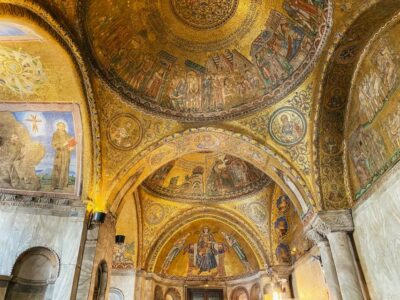
St. Mark Basilica Ticket, Audioguide+History Gallery
Read our review →
Borghese Gallery Skip-the-Line Ticket & Audioguide
Read our review →
Borghese Gallery Ticket + Audioguide or Guided Tour
Read our review →
Orsay Museum Entry Ticket and Digital Audio Guide App
Read our review →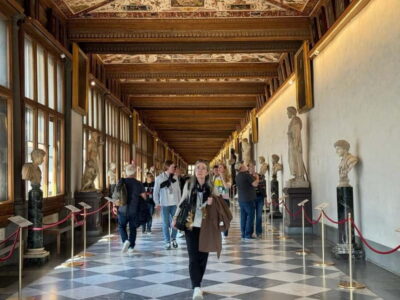
Uffizi Gallery Timed Entry Ticket & Audio Guide
Read our review →
Acropolis Museum Ticket with optional Audio Guide
Read our review →Browse the lists this tour appears in