
Reviewed · BOSTON
Self-Guided Boston’s Beacon Hill Underground Railroad Audio Tour Walking Tour
Boston’s Beacon Hill is more than pretty brick streets and gas lamps. This self-guided walk leads you past homes, schools, churches, and boarding houses tied to the people who resisted slavery and helped freedom seekers reach safety. The tour also explains an important point: the Underground Railroad was not a train beneath the streets. It was a secret network of people, homes, businesses, and churches.
I like the freedom to start and stop when you choose, and I like the way the audio puts real names and places together. John J. Smith, Lewis Hayden, Leonard Grimes, John Coburn, and John Sweat Rock are not just names in a textbook here. Their homes become the setting for stories about courage, risk, and organized resistance.
The main drawback is the technology. Most people find the app clear and easy to use, but some have had trouble activating the tour or returning from the extra information sections to the main route. Bring a charged phone, read the ticket instructions before reaching Charles Street, and allow a little patience for the GPS.
Key points to know before you walk
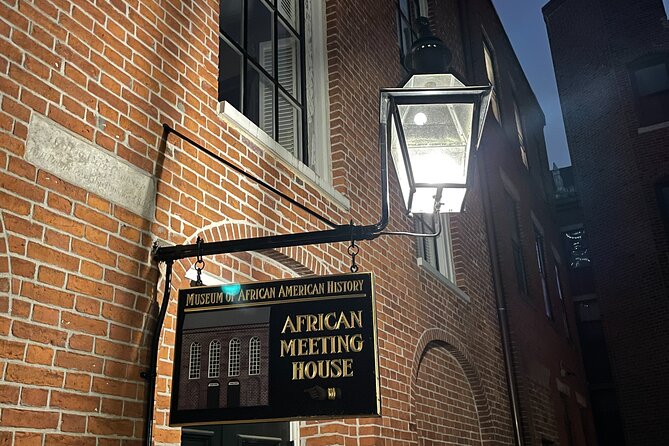
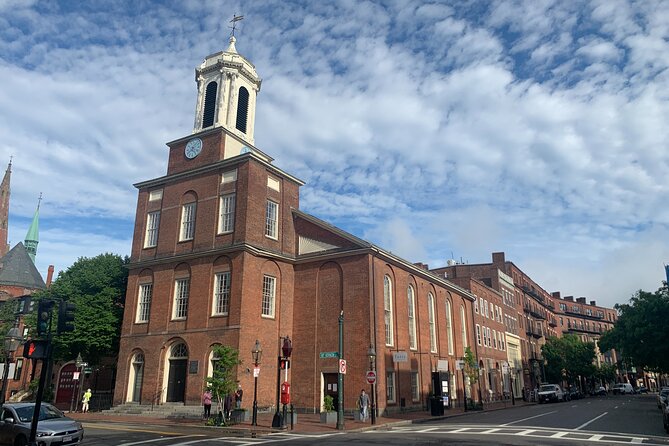
- The tour begins at 70 Charles Street and ends at 46 Joy Street, at the African American Meeting House.
- The route takes about 45 to 55 minutes, though stopping to read, listen again, or use the extra information will add time.
- The narration covers major Beacon Hill figures, including John J. Smith, Lewis Hayden, Leonard Grimes, John Coburn, and John Sweat Rock.
- The route includes hills and a fair amount of walking, so comfortable shoes, water, and weather-appropriate clothing matter.
- The app offers GPS narration and optional extra detail, but directions can be confusing if you stray from the route.
- The price is $9.75 per person, with free cancellation up to 24 hours before the scheduled start.
Why Beacon Hill tells this story so well
Beacon Hill gives this subject a strong sense of place. You are not simply listening to a general account of abolition in Boston. You are moving through the neighborhood where people lived, worked, taught, worshipped, and took serious risks to challenge slavery.
The route is especially useful if you want more than the standard Freedom Trail story. The buildings are not all open for tours, and several are private homes or former homes, so the audio fills in what you cannot enter. You stand outside and listen while the app explains who lived there and what happened at that address.
The experience is also a reminder that the Underground Railroad was made up of ordinary-looking places. A house, a boarding house, a school, or a gaming room could serve a much larger purpose. The tour connects those places into a network, helping you understand how cooperation made escape possible.
This is not a traditional guided group walk. You will not follow a costumed guide or wait for a set departure. Instead, your phone provides the narration, route arrows, and location-based information. That makes it private and flexible, but it also puts the responsibility for navigation in your hands.
More Audio Walking Tours in the USA
- Self Guided Classic Freedom Trail Location Aware (GPS) Walking Audio Tour
★ 4.5 · 258 reviews - Cape Cod & Provincetown Self-Guided Driving & Walking Audio Tour
★ 4.0 · 207 reviews - Santa Fe Historic Downtown Smart Phone Audio App Self Guided GPS Walking Tour
★ 4.5 · 112 reviews
Starting at the Charles Street Meeting House

Begin at the Charles Street Meeting House, at 70 Charles Street. The tour is available every day at any time listed in the booking information, and the self-guided format lets you begin when your schedule allows.
Before you start walking, make sure you have opened the ticket instructions and installed the WalknTours app if required. The access code and app directions are important. One serious complaint came from a person who tried to activate the experience outdoors in freezing weather with several codes but did not have the right instructions. That is an avoidable problem if you check the digital ticket in advance.
The narration begins by explaining how the Underground Railroad worked. The word railroad can mislead younger visitors or anyone new to the subject, so this opening context is useful. You learn about the network of conductors, station masters, safe houses, and people who helped freedom seekers move toward safety.
The route is designed for one group at a time. You can pause the story, replay a section, or continue at your own speed. That works well for families, since children may need more time at one stop while adults may want to listen again.
John J. Smith and the people he helped
One early stop focuses on the John J. Smith House. Smith served as a station master on the Underground Railroad, and the narration explains his role in helping people who were escaping slavery.
This is where the tour begins to turn broad history into a local story. Rather than hearing only about laws and famous national figures, you learn how the work depended on people in Boston making space, offering support, and accepting danger.
The stop also helps you understand the difference between a station master and a conductor. The terminology matters because the network depended on many kinds of assistance. One person might provide shelter, another information, another transportation, and another money or clothing.
Harriet Tubman, John Sweat Rock, and 83 Phillips Street
The route then brings Harriet Tubman into the larger story before continuing to 83 Phillips Street, once the home of John Sweat Rock. Rock had a long list of firsts in American history, and the narration uses his life to show the importance of education, professional achievement, and civil rights in the fight against slavery and discrimination.
This stop gives the walk a broader frame. The Underground Railroad was not only a secret series of nighttime movements. It was also connected to lawyers, teachers, speakers, physicians, activists, and community leaders who challenged the systems that upheld slavery.
You should pay attention to the address and the surrounding streets. Beacon Hill’s steep sections can make the route more tiring than the short running time suggests. The full tour is under an hour for many people, but the hills, pauses, and occasional route checks mean you should not treat the 45-minute estimate as a race.
More Self-Guided Audio Tours in the USA
- Gettysburg Battlefield Self-Guided Driving Audio Tour
★ 4.5 · 910 reviews - Joshua Tree National Park Self-Guided Driving Audio Tour
★ 4.5 · 762 reviews - Ultimate Acadia National Park Self-Guided Driving Audio Tour
★ 4.0 · 521 reviews - Ultimate Lake Tahoe Self-Guided Driving Audio Tour
★ 4.5 · 435 reviews
Lewis Hayden’s house and the risks of a station master
The stop at Lewis Hayden’s former home is one of the route’s most important sections. Hayden was a station master who helped numerous freedom seekers, and the audio explains the courage required to shelter people under the threat of capture and punishment.
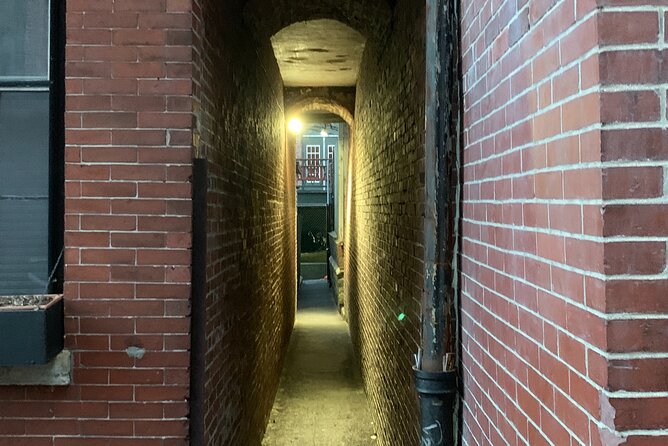
A home like Hayden’s was not just a quiet address. It could become a place of concealment, planning, and urgent decision-making. The story makes clear that assistance involved real personal risk, not a symbolic gesture from a safe distance.
This part works best when you pause and let the narration finish before moving on. The audio is theatrically produced, with a range of voices, and the dramatic presentation helps keep the human stakes in view. If you prefer silent sightseeing or a strictly academic lecture, the style may feel more theatrical than expected. If you want a story that holds your attention while you walk, it is a useful choice.
Leonard Grimes and the old Temperance Boarding House
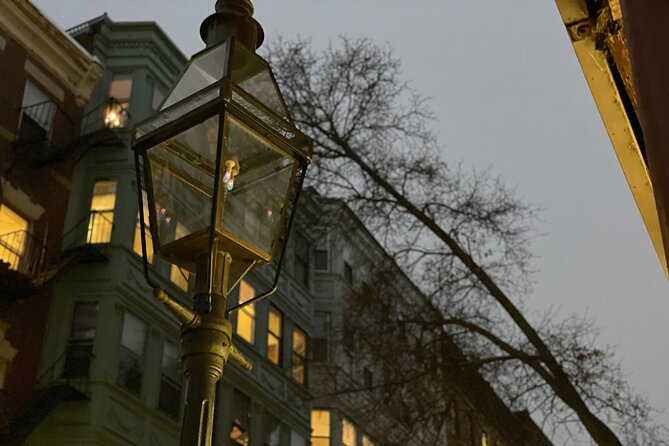
Next, the route passes the former home of Leonard Grimes, another conductor on the Underground Railroad. The audio explains his part in moving freedom seekers through the network and adds another layer to the idea of shared responsibility.
You also visit the Old Temperance Boarding House, which served as an Underground Railroad stop. The boarding house is a particularly helpful example because it shows how a place with many residents and visitors could provide cover. It was not necessarily marked as a special location from the outside. Its usefulness came from the people willing to cooperate inside it.
These stops are also a good reason to use the extra information feature in the app. The main narration gives you the route and core story, while the additional sections allow you to learn more about the people and events. That feature was praised for bringing the history to life, though moving back from an extra section into the main story can occasionally be awkward.
The Phillips School and Boston’s education story
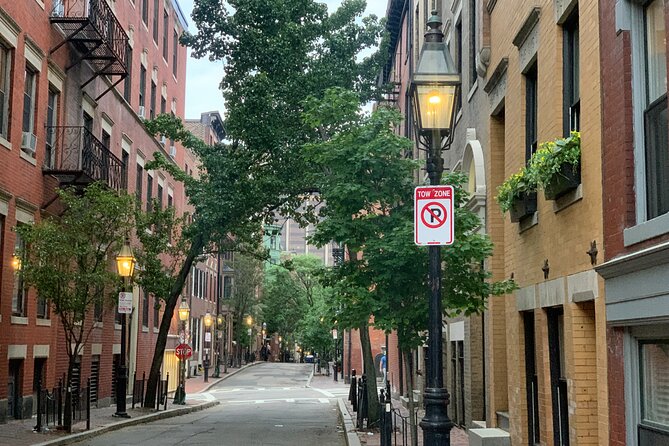
The route continues to the former site of the Phillips School. It was Boston’s first integrated school and had the first African American teacher to teach at an integrated school.
This stop widens the focus beyond escape and concealment. Education was central to the fight for equality, and an integrated school raised difficult questions about who could learn together, who could teach, and who had authority in public life.
The school site also helps connect the Underground Railroad era to the daily life of Beacon Hill. You are no longer hearing only about secret journeys. You are hearing about children, teachers, classrooms, and the public institutions that shaped the next generation.
If you are walking with children, this may be one of the easiest points to discuss together. The physical remains may be limited, so the value comes from the explanation rather than a dramatic building interior.
The Vilna Shul and Boston’s Jewish community
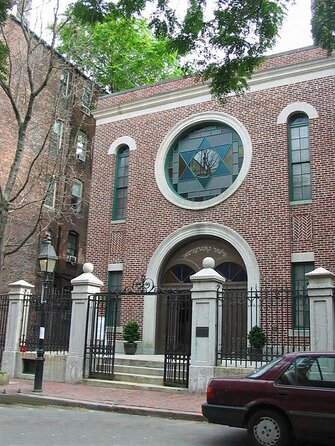
The tour passes the Vilna Shul, identified as the oldest immigrant synagogue in Boston. Here, the narration tells the story of the Jewish community that helped on the Underground Railroad.
This is a valuable part of the route because it avoids presenting abolition as the work of only one group. The Underground Railroad depended on cooperation across communities, and the Vilna Shul stop shows how Boston’s Jewish residents played a role in that effort.
The building also adds another layer to Beacon Hill’s history. The neighborhood’s story includes African American residents, immigrant communities, abolitionists, religious institutions, and reform movements living close together. The route makes those connections without requiring you to enter every site.
The tour is offered in English only. If you need a French or multilingual experience, this is a limitation to consider. The narration is the heart of the walk, so the language choice matters more here than it would on a simple map-based stroll.
John Coburn’s house and gaming room
At the former home of John Coburn, you learn about his gaming house and his role as a station master. This is a surprising detail, and it gives the route some texture. Not every person involved in the Underground Railroad fit a single public image of an abolitionist.
The stop also shows how a business or social gathering place could connect people and information. The tour does not present the network as a neat chain of official stations. Instead, it shows a flexible system that depended on trust, local knowledge, and personal courage.
This is one of the places where the audio format helps. Looking at an ordinary city address may not tell you much by itself. The narration supplies the human context and explains why the site matters.
Charles Sumner’s birthplace and the final walk
The route also passes the birthplace of abolitionist Charles Sumner. His inclusion ties the neighborhood to the political side of the anti-slavery movement.
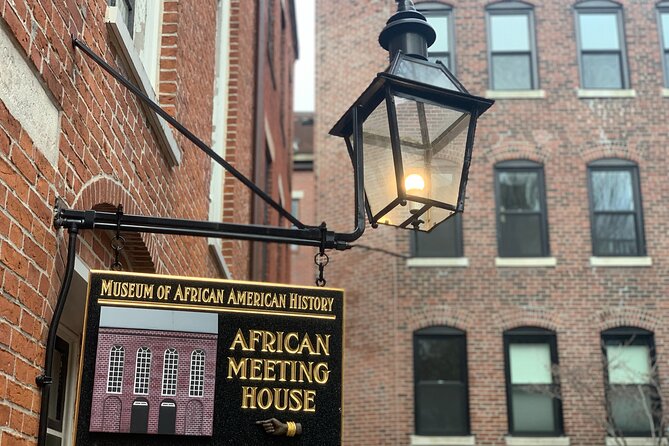
The walk ends at 46 Joy Street, at the African American Meeting House. This is the oldest surviving Black church building in the United States, and it gives the tour a fitting final stop. After hearing about homes, boarding houses, schools, and private acts of resistance, you finish at a building tied to organized African American community life.
Check the ending point before you start. The tour does not return you to Charles Street. If you are meeting someone, catching transportation, or planning another attraction, use the African American Meeting House as your reference point.
How the app works in real use
The WalknTours app supplies narration, photographs, directions, and a GPS-based arrow pointing toward the next stop. That arrow is especially useful if you realize you have drifted from the route.
The best approach is to download or open everything before you leave your hotel or café. Confirm the access code, check that the narration starts, and make sure your phone has enough battery. Do not wait until you are standing on a street corner to sort out the app.
The audio includes different voices and a theatrical style. That makes the experience more engaging than reading a string of plaques, and it helps separate one story from the next. You can pause and replay sections, which is useful if a family member is distracted or if traffic makes it hard to hear.
The technology is not perfect for everyone. Some people have had difficulty with registration, logging in, or returning from the extra information pages. Most importantly, the route is not a substitute for paying attention to the street. Follow the app’s arrow, but also look at the photographs and directions and keep track of the next landmark.
Is $9.75 a fair price?
At $9.75 per person, this is a modestly priced way to spend an hour in Beacon Hill. You are paying for a private, self-paced experience rather than a live guide, and the price makes sense if you want a focused story with location-specific narration.
The value is strongest for people who would otherwise walk through Beacon Hill without knowing the significance of the addresses. The tour adds meaning to places you can see but cannot necessarily visit inside.
It is less useful if you already know the Underground Railroad sites in Beacon Hill or if you prefer a completely free experience. A free National Park Service option is available, and one person specifically preferred that route after having technical trouble. The paid tour’s difference is its GPS narration, dramatic voices, extra information, and access to several sites and passages not covered in that free option.
Who should choose this Beacon Hill walk?
I would recommend it to families, couples, and friends who want control over the pace. It works well for people who like to stop for photos, replay a story, or pause for a meal without holding up a group.
It is also a good fit for visitors who want African American history included in their Boston sightseeing. The route does not treat the subject as a short footnote. It places the story at homes, schools, religious buildings, and community spaces.
You should think twice if you dislike phone-based tours, have limited mobile access, or want a live person answering questions. The tour is in English only, and the directions require some attention. It is also a walking route with hills, so comfortable shoes and water are wise.
Should you book it?
Book this tour if you want a low-cost, private way to connect Beacon Hill’s streets with the people who challenged slavery and helped freedom seekers. The stories of Lewis Hayden, John J. Smith, Leonard Grimes, John Coburn, and John Sweat Rock give the walk substance, while the African American Meeting House provides a strong ending.
Skip it if you need a live guide, multiple language options, or guaranteed technical simplicity. If you do book, prepare the app before arriving, charge your phone, allow extra time for hills, and use the pause and replay features. With those precautions, this is a thoughtful addition to a Boston history itinerary.
FAQ
How long does the Beacon Hill Underground Railroad audio tour take?
The walking tour takes approximately 45 to 55 minutes. Pausing the narration, using extra information, or stopping along the route can make it longer.
Where does the tour begin?
It begins at the Charles Street Meeting House, located at 70 Charles Street in Boston.
Where does the tour end?
The tour ends at 46 Joy Street, at the African American Meeting House, identified as the oldest surviving Black church building in the United States.
How much does the tour cost?
The listed price is $9.75 per person.
Is the tour guided by a person?
No. This is a private, self-guided audio tour accessed through your phone. The app provides narration, directions, and GPS location guidance.
What language is available?
The tour is offered in English.
Can I cancel for a full refund?
Yes. You can cancel at least 24 hours before the scheduled start time for a full refund. Cancellations or changes made within 24 hours are not refundable.
Latest audio tours in the USA
- Solvang City Personalized Self-Guided App Tour★ 3.0 · 6 reviews
- Essential Downtown SLO: A Self-Guided Audio Tour★ 4.5 · 27 reviews
- Silicon Valley Self-Guided Driving Audio Tour for Tech Lovers★ 4.0 · 24 reviews
- Self-Guided Audio Tour of the Golden Gate Bridge★ 3.5 · 3 reviews
- The Ghosts of San Francisco Haunted Audio App Walking Tour★ 5.0 · 2 reviews
- Point Reyes National Seashore Self Guided Driving Audio Tour★ 4.0 · 9 reviews
- San Francisco Self-Guided Audio Drive: Explore at Your Own Pace★ 4.0 · 9 reviews
- Explore Coronado Island on a Self Guided Audio Tour★ 5.0 · 2 reviews
Audio Walking Tours, compared.

City Monuments Guided Walking Tour with Audio Guide
Read our review →

Self Guided Classic Freedom Trail Location Aware (GPS) Walking Audio Tour
Read our review →
Self-Guided Historical Walking Tour (Audio Guide)
Read our review →
Cape Cod & Provincetown Self-Guided Driving & Walking Audio Tour
Read our review →
Verona Walking Tour with Audio and Written Guide by a Local
Read our review →
Royal Walking Tour and Buckingham Palace Audio Tour
Read our review →
Bologna Walking Tour with Audio and Written Guide
Read our review →Browse the lists this tour appears in