
Reviewed · NAPLES
Herculaneum: Skip-the-Line Entry Ticket with Audio Guide
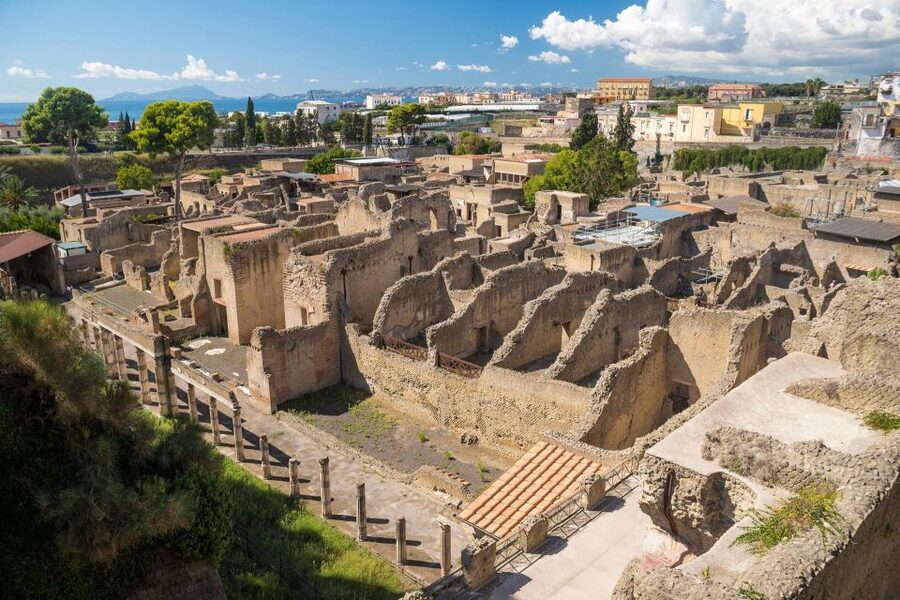
Herculaneum is the Roman town that Vesuvius buried in 79 AD, and its preserved wooden doors, painted walls, mosaics, and furniture can feel more immediate than the grander ruins at Pompeii. I like the freedom to set your own pace, and I like having commentary ready when you reach a house, shop, or temple.
The main catch is the ticket setup. Depending on the option you choose, the $15 price may cover the audio guide only, with the entry ticket selected separately. The audio device and site numbers can also be confusing at first, and skip-the-line access is not always clearly marked.
Key points to know before you go
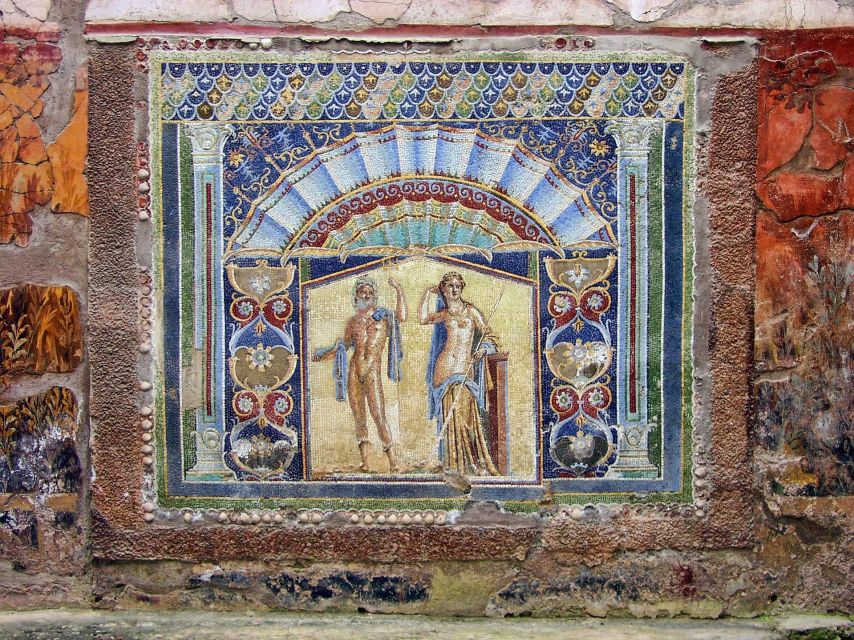
- Wooden doors and painted rooms: Herculaneum preserves domestic details that help you picture Roman daily life.
- A compact site with plenty to see: Plan on two to four hours, with extra time for the museum and the most moving exhibits.
- Audio guide freedom: Choose stops in any order instead of following a fixed group route.
- The map matters: Ask for a paper map if one is not supplied, since the numbered points do not always match the buildings clearly.
- A poignant waterfront area: The boathouses and human remains provide a sobering reminder of the eruption.
- Good value at the right price: The experience is inexpensive if your booking includes entry, but check the option carefully before paying.
Why Herculaneum feels different from Pompeii
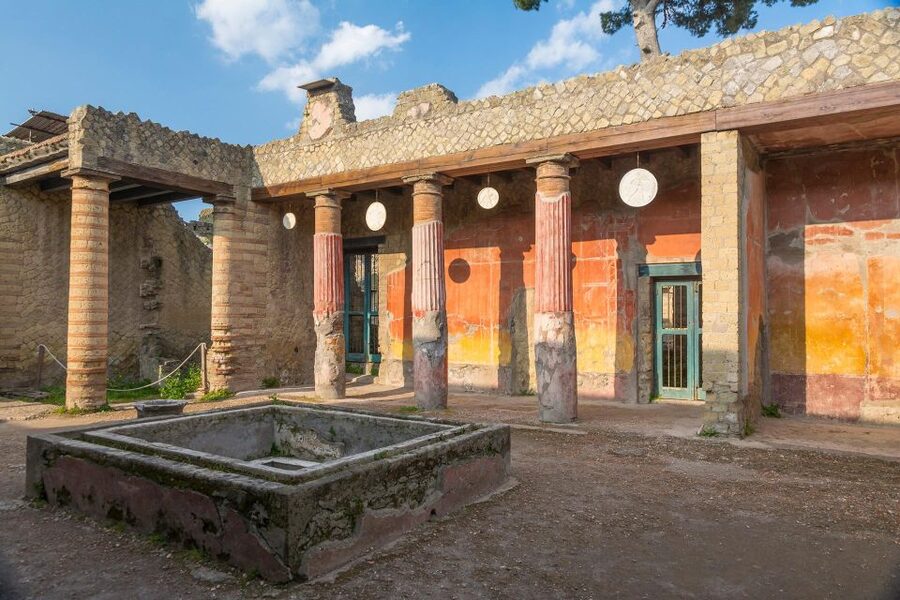
Herculaneum was smaller than Pompeii, but that is part of its appeal. You can cross the site in a manageable amount of time, then return to the houses that caught your eye. I find that scale useful because you spend less time simply walking and more time looking.
The town was buried by the same eruption that destroyed Pompeii, but the material covering Herculaneum helped preserve many upper parts of buildings. You might see wooden beams, doors, wall decoration, mosaics, and traces of household furniture. These details make the site feel less like a collection of foundations and more like a neighborhood interrupted.
The contrast between homes also tells a clear social story. Lavish residences have decorative floors and painted walls, while humbler rooms show how cramped daily life could be. The audio commentary helps explain these differences without forcing you to join a group or keep up with a guide.
Herculaneum is not automatically better than Pompeii. Pompeii is far larger and offers more streets and public buildings. Herculaneum gives you a shorter, more focused visit, with a stronger sense of domestic life. If you have time for both, the comparison is worthwhile. If you can visit only one, choose Herculaneum if preserved interiors matter most to you.
More Skip-the-Line Audio Tours in Naples
- Mount Vesuvius: Skip-the-Line Ticket and Smart Digital Guide
★ 4.2 · 2,780 reviews - Pompeii: Skip-the-Line Entry Ticket with Audio Guide or Tour
★ 4.1 · 1,364 reviews - Vesuvius National Park Skip-The-Line Ticket and Audio Guide
★ 3.4 · 141 reviews
Arriving at the archaeological park
The meeting point is the Herculaneum ticket office. You show your booking confirmation there, then collect or arrange the materials required for your option. The exact order can be less tidy than the wording suggests. Some people have been sent between the ticket desk, an audio-guide office, and a bookshop or nearby service point.
That does not always create a problem, especially when queues are short. In busy periods, though, it could reduce the time saved by a skip-the-line booking. Look for the small audio-guide office and ask staff where to go before joining a long queue. If other people are waiting, explain that you have a reserved ticket rather than assuming the correct line is obvious.
Some audio devices are smartphones or handheld units. You may need to leave identification as security, and an insurance card has been accepted in place of a passport by at least one visitor. Bring a passport or ID card anyway, since that is the stated requirement.
The entrance area has toilets, a café, and somewhere to buy snacks and drinks. Facilities have received mixed marks, so I would use the toilet before entering if you can. A restaurant sits opposite the entrance, which is handy after a hot or tiring visit.
Getting oriented with the map and audio device
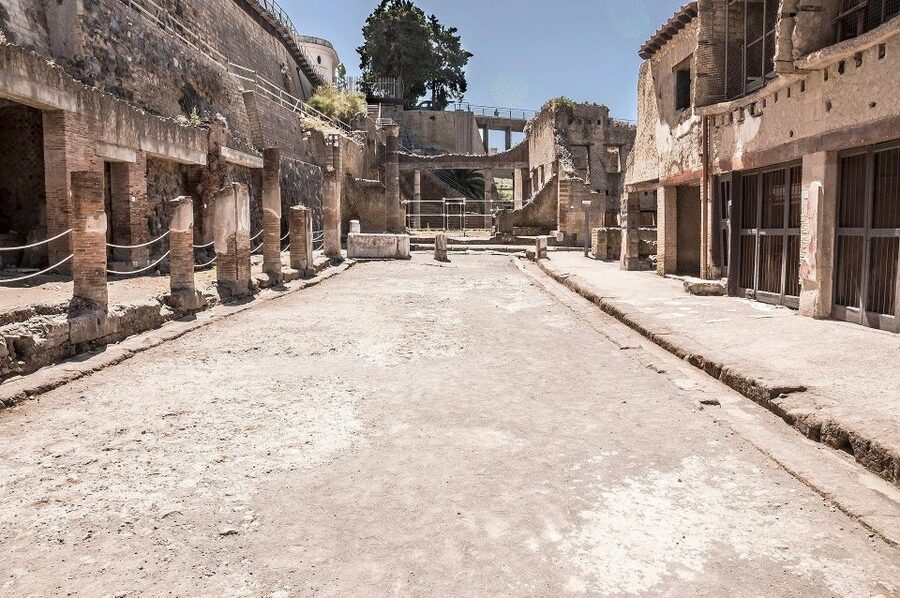
The audio guide is the backbone of this experience. Select the language, use the map, and choose the numbered points that interest you. Commentary is available in English, French, German, Italian, and Spanish.
The best feature is flexibility. You can stop for a long look at a fresco, skip a room that is closed, or reverse the suggested route without losing the whole tour. You are not tied to a guide’s pace, and you can pause when the sun is strong.
The weak point is navigation. Several people have found that the numbers on the device do not always match the physical site, or that the site layout no longer follows the audio sequence. Some buildings lack clear internal signs. The commentary can also jump to another house or begin partway through a description.
I would spend the first few minutes testing the system before walking far. Confirm how the site labels its buildings, then use the map to match a number with a doorway or street. If you receive only a digital map, ask whether a printed copy is available. A paper map makes it easier to mark places you want to revisit.
The sound can be quiet on some devices. Headphones or earbuds may help, though Bluetooth support is not guaranteed. One version of the device can be used with a headset or earbuds, but bring your own only if you are comfortable checking compatibility at collection.
The houses, mosaics, and painted walls
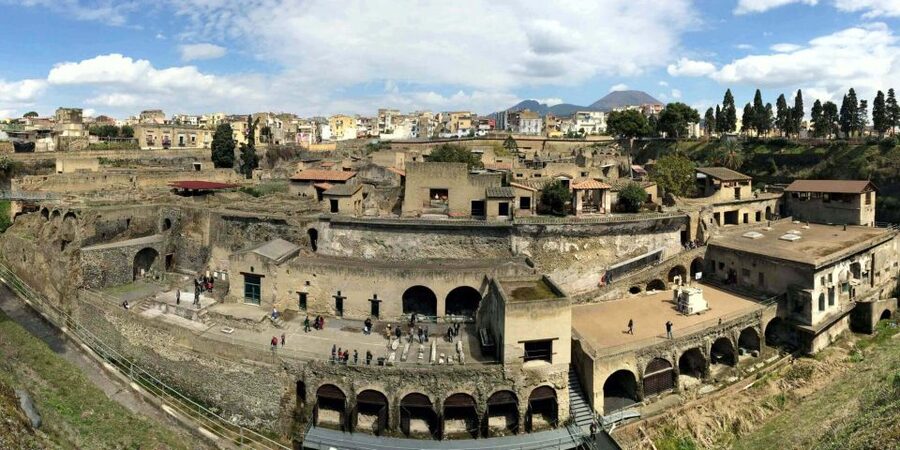
The private homes are the heart of the visit. Herculaneum gives you a close look at courtyards, rooms, floors, wall decoration, and doorways. Some paintings still carry strong color, while mosaics show the care given to floors and thresholds.
The audio explanations are most useful here because a bare room can be hard to read. Commentary can point out how a house was arranged, what a room may have been used for, and how the living spaces of wealthy families differed from slave quarters.
Do not rush past the smaller details. A wooden door or beam may seem modest beside a grand fresco, but it helps you understand why this site feels so different from many Roman ruins. The preservation lets you picture the working parts of a home, not only its formal decoration.
Several rooms or buildings may be closed during your visit. That is normal for an archaeological site, but it can make the audio sequence harder to follow. If a numbered stop is inaccessible, skip it and continue rather than wasting time looking for a side entrance.
More Audio Tours in Naples
- From Naples: Caserta Palace Ticket and Train with Audioguide
★ 4.3 · 348 reviews - Naples: Pompeii Self Guided Audio Tour
★ 3.9 · 211 reviews - Naples: National Archaeological Museum Tour & Digital Guide
★ 4.2 · 177 reviews - Naples: National Archaeological Museum audio guide
★ 4.0 · 155 reviews
Markets, fountains, temples, and public life
Herculaneum was not only a town of wealthy villas. The route takes you past a market area, public fountains, streets, and places linked with civic and religious life. These stops broaden the picture beyond private homes.
The market helps you think about ordinary routines: buying food, meeting neighbors, and moving goods through the town. Public fountains show how water was part of street life. Temples and religious spaces bring in another layer, with images of ancient gods and evidence of the beliefs that shaped Roman households and public buildings.
The audio guide works well when you want context for these less immediately dramatic areas. Without explanation, a wall or stone basin can be easy to overlook. With the commentary, you can connect the object to the town’s daily rhythm.
The theater is another listed highlight, though access and visibility can vary. Treat the map as a guide rather than a promise that every marked point will be open. The site changes, and temporary closures have affected some visits.
The boathouses and the cost of the eruption
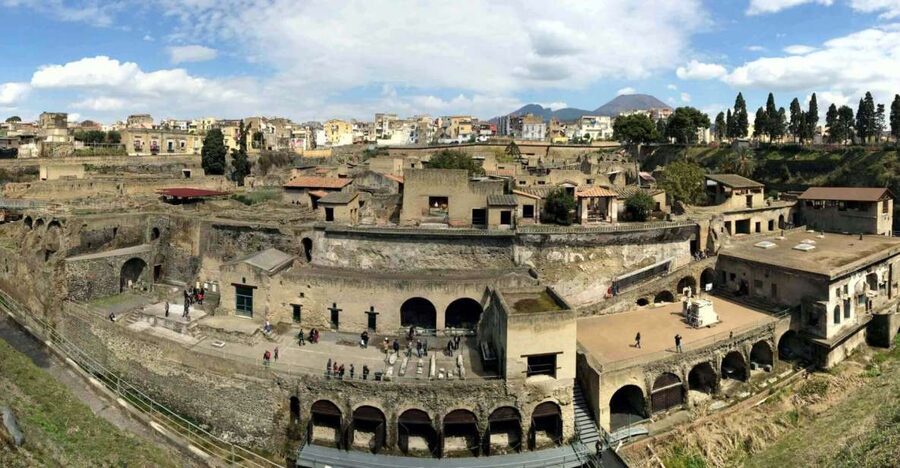
The most sobering part of Herculaneum lies near the old shoreline. This is the area associated with roughly 300 people who sought shelter while hoping to escape by sea. The boathouses and human remains make the final moments of the eruption painfully clear.
This section is not a quick photo stop. I would listen carefully, lower the volume of conversation around you, and allow time to take in what you are seeing. The archaeological evidence is direct and difficult, which gives the visit an emotional weight that painted rooms alone cannot provide.
The nearby boat exhibit adds useful context. It helps connect the ancient town with the waterfront and with the desperate attempt to reach safety. If you are visiting with children, prepare them for the skeletons and explain in advance that this is an archaeological display connected to a disaster.
The route may end up being your favorite in an unexpected way. Some people who walk in the opposite direction from the suggested order find that they reach this section last, giving the visit a powerful closing moment.
The museum and artifacts near the entrance
Allow time for the Antiquarium or museum area near the entrance and exit. It contains objects and furniture recovered from Herculaneum, and it helps fill in details that are harder to understand from the ruins alone.
The museum is especially useful after you have walked through the houses. You will recognize the kinds of objects connected with domestic life and better understand how much material survived beneath the volcanic deposits.
Do not treat the museum as an optional extra if you have time. The ruins show the rooms in place, while the displays show the belongings that made those rooms function. Together, they give you a fuller picture of the town.
How long to allow and when to arrive
Two hours is enough for a brisk visit focused on the main houses and public areas. Three hours is a better target if you want to use the audio guide properly, pause at the frescoes, and see the waterfront exhibits. Four hours suits a slower visit with the museum, breaks, and time to revisit favorite buildings.
One family spent about four hours moving at an easy pace, while another completed the main experience in about three hours. That range makes sense. Herculaneum is compact, but the preserved details reward slow looking.
Arrive near opening time if you want the quietest experience. Early visits have been especially pleasant, with more room to stop inside buildings before the site grows busier. Morning also helps in hot weather, since much of the visit is outdoors and the stone paths can make the heat feel stronger.
The ground is uneven, with cobblestones and some steep steps. Wear comfortable shoes with a secure sole. There are places to sit and eat a packed lunch, but do not expect every route to feel smooth or level.
Is the audio guide enough?
For many people, yes. You get facts and explanations without joining a group, and you can stop whenever you want. The format suits independent visitors, families with different interests, and anyone who prefers silence between stops.
It is not as smooth as a live guide. The numbering can be off, the device may be quiet, and some commentary may not line up perfectly with the building in front of you. The audio also cannot answer a question when you become curious about an unusual detail.
Optional upgrades to a live tour have been available. Guides named Tony and Fabio received strong praise for clear explanations, humor, steady pacing, and care on hot days. A live guide costs more, but it may be worth considering if this is your main historical visit or if you want help making sense of the site.
I would choose the audio guide for flexibility and value. I would choose the live option if you want a more organized route and the chance to ask questions. Do not assume a guide is included with this booking, because the standard experience is self-guided.
Price, ticket choices, and practical value
The advertised price is $15 per person, but read the option name closely. The entry ticket may need to be selected as an extra, particularly when the choice is labeled Herculaneum audio guide with no ticket. Several booking problems came from assuming the audio guide and admission were bundled.
If your chosen option includes both, the price is strong for a full day of access, a map, and multilingual commentary. If it covers only the device, add the park admission before you compare it with other choices.
Skip-the-line value depends on the date. Some visits had no queue, while others involved separate waits for the audio device and entry. In quiet months, buying a standard ticket may be enough. In busier periods, the reserved option can still be useful, but ask staff to identify the correct line immediately.
The booking allows cancellation up to 24 hours before the visit for a full refund, and you can reserve now and pay later. Those terms help if your Campania schedule depends on trains, weather, or a visit to Vesuvius.
Who should book this experience?
I would recommend it to anyone interested in Roman homes, ancient disasters, architecture, or everyday life. It is also a good choice after Pompeii because the smaller scale gives you a fresh comparison rather than another enormous circuit.
Families can set their own pace, though the uneven ground and skeleton displays may need some preparation. Independent visitors will appreciate the freedom to choose stops. People who dislike handheld audio devices or want constant interpretation should pay more for a live guide if that option is available.
The experience is less suitable if you want a perfectly marked route, guaranteed access to every building, or a fully guided tour from start to finish. It is also not ideal for a rushed schedule unless you can allow at least two focused hours.
Should you book Herculaneum with the audio guide?
Yes, if you check the ticket option carefully and give yourself enough time. Herculaneum offers some of the clearest surviving evidence of Roman domestic life, from colorful wall paintings and mosaics to wooden doors, furniture, and humble rooms.
The audio guide adds useful context and lets you wander freely, but the map and numbering require patience. Ask for directions and a paper map at the start, arrive early, and wear shoes suited to cobblestones and steps.
Choose this experience for independent exploration and good value. Choose a live upgrade if you want a smoother route and personal explanations from guides such as Tony or Fabio. Either way, Herculaneum deserves more than a quick glance on the way back to Naples.
FAQ
Is the Herculaneum entry ticket included?
It depends on the option selected. The entry ticket may need to be added separately when you choose the Herculaneum audio guide with no ticket option. Check the booking details before paying.
How long does the visit take?
Plan on about two to four hours. A brisk visit can cover the main sights in two hours, while three or four hours allows time for the houses, waterfront exhibits, museum, audio commentary, and breaks.
What languages are available for the audio guide?
The audio guide is available in English, French, German, Italian, and Spanish.
Do I need to bring identification?
Yes. Bring a passport or ID card. Identification may also be held as security when you collect the audio device.
What should I wear?
Wear comfortable shoes. The site has cobblestones, uneven ground, and some steep steps.
Is a live guide included?
No. The standard activity is self-guided with an audio device and map. A guided upgrade may be offered separately, but it is not part of the regular audio-guide experience.
Latest audio tours in Naples
- From Naples Explore Pompeii Freely with Your Personal Audioguide★ 3.5 · 3 reviews
- Pompeii from Naples: Smart Audio Guide with Travel Instructions★ 5.0 · 4 reviews
- Mount Vesuvius Skip the Line Ticket + Multilingual Audio Guide★ 4.0 · 32 reviews
- Naples from Above: Castel Sant’Elmo Access & Audio Guide★ 3.0 · 2 reviews
- Naples: Herculaneum Entry Ticket with Digital Audio Tour★ 3.5 · 6 reviews
- Naples: Royal Palace Entry Ticket with Digital Audio Guide★ 4.0 · 3 reviews
- Skip the Line Ticket to Herculaneum with Audio Guide★ 4.0 · 20 reviews
- Interactive audio guide for the historic center of Naples★ 5.0 · 43 reviews
Skip-the-Line Audio Tours, compared.

Topkapi Palace and Harem Skip-the-Line-Tickets & Audio Guide
Read our review →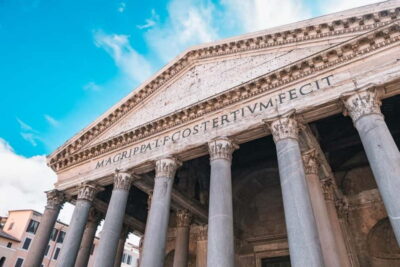
Pantheon Reserved Entry Ticket with Audio Guide
Read our review →
Borghese Gallery Skip-the-Line Ticket & Audioguide
Read our review →
Skip the Line: Vatican & Sistine Chapel Ticket with Audio Guide
Read our review →
Skip-the-line Entry Ticket with Audio Guide & Map
Read our review →
Mount Vesuvius: Skip-the-Line Ticket and Smart Digital Guide
Read our review →
Borghese Gallery Skip-the-Line Tickets with Audioguide
Read our review →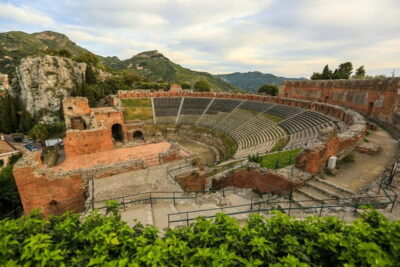
Taormina: Ancient Theater Skip-the-Line Ticket & Audio Guide
Read our review →Browse the lists this tour appears in