
Reviewed · NEW ORLEANS
New Orleans: Whitney Plantation Audio Tour with Transfers
Whitney Plantation turns the usual plantation visit upside down. The main story here is not grand architecture or the comfort of an owner’s family, but the lives of enslaved people, their work, their suffering, and the strength it took to survive. I like that focus, and I like the freedom to move at your own pace with an audio guide.
The included hotel pickup makes this a practical choice if you do not have a car. I also appreciate the clear contrast between the slave cabins and the 1790 owner’s house. The drawback is the long day, with 390 minutes devoted to transport and the visit, and the experience is not suitable for wheelchair users.
Key points at a glance

- A museum centered on enslaved people: Whitney Plantation is dedicated to the lives and experiences of those held in slavery, rather than mainly celebrating plantation wealth.
- About 70 miles from New Orleans: Hotel pickup and return save you from arranging your own transport to a site well outside the French Quarter.
- Audio-guided and self-paced: You can spend more time at the places that affect you most instead of following a live guide’s fixed rhythm.
- Freedmen’s Church offers a different focus: This stop points toward freedom, faith, and the lives of people after emancipation.
- The memorial brings the visit to a quiet close: It asks you to remember individual suffering and the lasting effects of slavery.
- Budget for food separately: Admission, the audio guide, and transfers are included, but meals and drinks are not.
Why Whitney Plantation tells a different plantation story
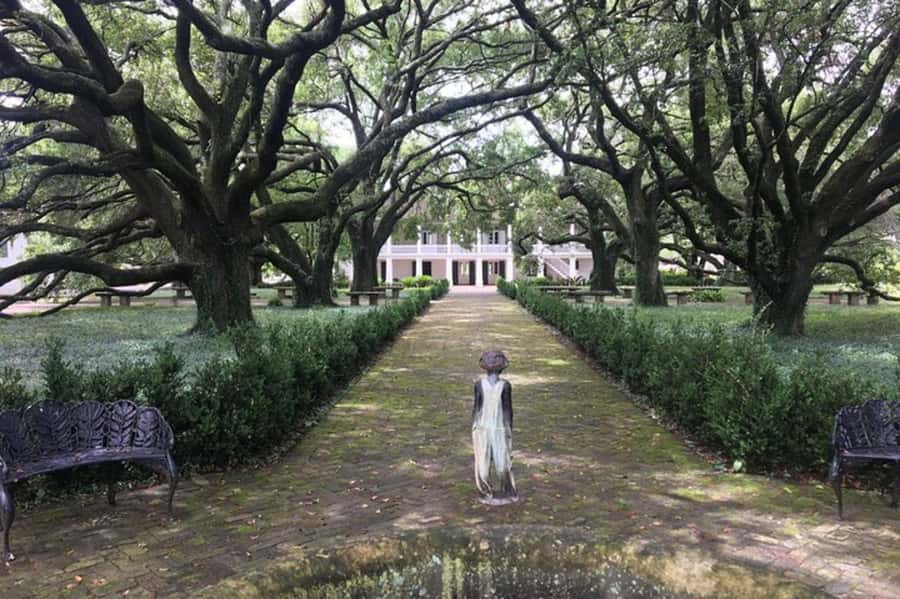
Many plantation visits place the owner’s house at the center. Whitney Plantation gives the enslaved people the central place in the story. That choice changes how you read every building, path, and work area.
You are not visiting simply to admire an old home. You are going to confront the system that made the plantation operate, and to consider the human cost behind sugar production in Louisiana. The audio tour helps guide that process without forcing every person in the group to move at the same speed.
This is a serious visit. You may leave with more questions than answers, which is part of its value. The subject calls for attention and respect, not a quick photo stop between lighter New Orleans activities.
A single verified rating of 4.7 from three reviews suggests a strong early response, but the sample is small. I would use the high score as a helpful sign, not as the main reason to book. The focus of the site and your willingness to spend a full half-day on difficult history matter much more.
More Audio Tours in the USA
- Los Angeles: Hop-On Hop-Off Bus Tour with Audio Guide
★ 3.7 · 2,030 reviews - City Sightseeing Hop-On Hop-Off Bus Tour with Audio Guide
★ 3.0 · 1,083 reviews - Medieval Torture Museum Ticket with Audio Guide and Ghost Hunting
★ 5.0 · 962 reviews
The ride from New Orleans to the plantation
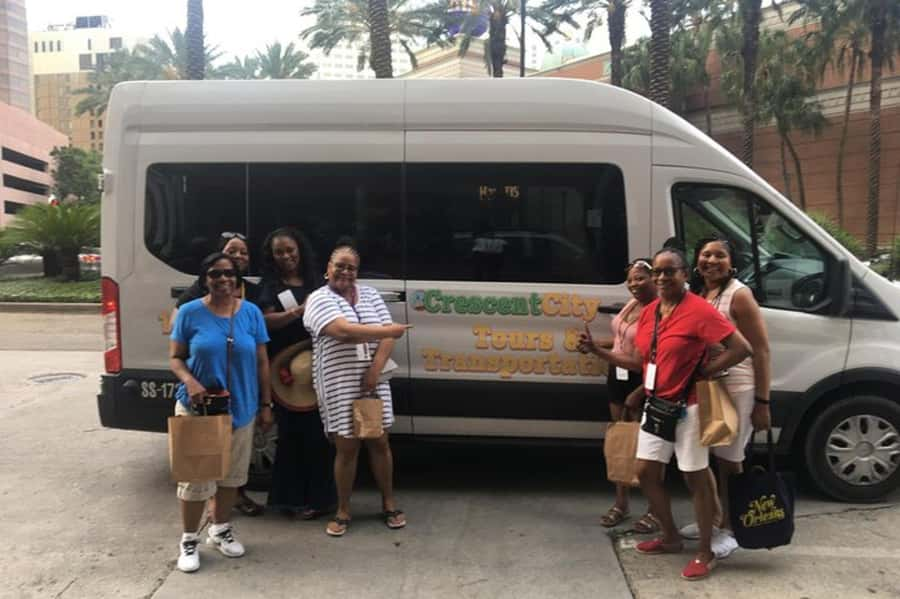
The experience begins with pickup at your New Orleans hotel. Pickup is available from most hotels, and if your exact hotel is not listed, you are asked to choose the nearest listed location. The pickup points are within three to four blocks of one another, so check the meeting point carefully before departure.
The plantation is about 70 miles from the French Quarter. That distance makes a transfer useful, since arranging your own transport would add time and cost. The drive also gives you a quiet interval before the visit, when you can think about the subject ahead rather than arriving straight from a busy city street.
The total duration is 390 minutes. That is six and a half hours, so treat this as a major part of your day, not a quick outing. The exact start time depends on availability, so check the schedule before you book and avoid placing another fixed activity too close to your return.
Hotel pickup and drop-off are included in the $81 price. Meals and drinks are not, so plan accordingly. The supplied information does not specify a meal stop, and the plantation visit includes about 30 minutes at the end for the gift shop, restrooms, or a quick snack.
Starting with the slave cabins
The slave cabins are among the most important stops because they shift the story from plantation ownership to daily life. Here, the audio tour explains the lives, working conditions, and hardships of enslaved people who lived and worked on the plantation.
Expect this part of the visit to be difficult. The cabins are not just old structures to inspect. They represent the controlled lives of people denied freedom, family security, and basic choices. The value of the audio guide is that it gives the buildings human context rather than leaving you to guess at what they meant.
I would take your time here. Because the tour is self-guided, you can pause and listen without worrying about holding up a group. If one section affects you more than another, the format lets you remain there for a while.
The supplied details do not name a guide or describe a specific audio narrator. You receive a headset on arrival, and the tour is designed for individual listening. Bring patience and attention, since the subject deserves more than a quick walk-through.
The Freedmen’s Church and the meaning of freedom

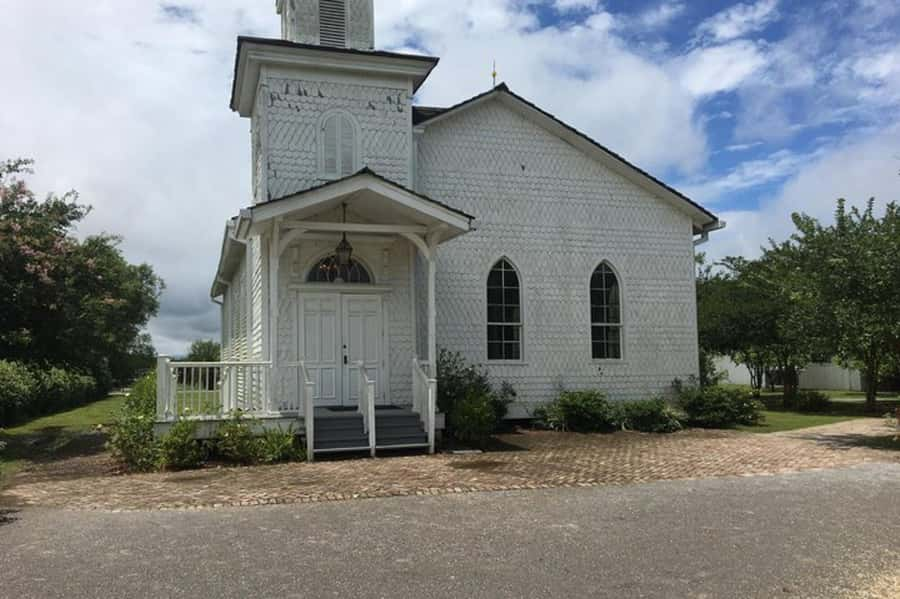
The visit then moves to Freedmen’s Church. Its importance comes from the change in the story. The cabins show the restrictions and suffering of slavery, while the church points toward people seeking freedom and rebuilding their lives.
The church is described as a symbol of hope and resilience. That does not make the overall visit cheerful, and it should not. Instead, it adds another part of the story: enslaved people were not defined only by what was done to them. Their faith, endurance, and pursuit of freedom also belong in the historical record.
I like this stop because it prevents the tour from ending with slavery treated as an abstract system. A church gives the history a human and communal setting. You can consider what freedom meant in practical terms, and how much work remained even after slavery ended.
The details provided do not say how long the audio segment lasts or what services took place there. You should expect a historical stop with time for reflection, not a live religious service or a modern worship experience.
Another self-paced route in the USA:
- Gettysburg Battlefield Self-Guided Driving Audio Tour
★ 4.5 · 910 reviews - Joshua Tree National Park Self-Guided Driving Audio Tour
★ 4.5 · 762 reviews - San Francisco: Alcatraz, Ferry & Audio Tour w/ Night Option
★ 4.4 · 617 reviews - Ultimate Acadia National Park Self-Guided Driving Audio Tour
★ 4.0 · 521 reviews
Kitchens and outbuildings reveal the work behind sugar
Next, you visit the detached kitchen and other outbuildings. These spaces help explain how the plantation functioned and how much labor was required to keep it running.
The buildings are useful because they connect the broad history of sugar production to specific work areas. The audio tour addresses the harsh conditions endured by enslaved workers, giving you a clearer sense that plantation wealth depended on forced labor at every level.
This section may feel less visually grand than the owner’s house, but it is central to understanding the place. A kitchen or work building can look ordinary until you learn whose labor kept it operating and under what conditions that labor was performed.
I would resist rushing through these structures. They help fill in the daily routine that a polished plantation house can hide. The detached kitchen and outbuildings also prepare you for the sharp contrast that follows.
The 1790 owner’s house and the divide in daily life
The owner’s house dates to 1790. Its importance is not simply its age. It gives you a physical comparison between the comfort and authority of the plantation owner and the restricted living conditions of the enslaved people.
That contrast is one of the strongest parts of the visit. You see the plantation’s social order in physical form. One group controlled land, labor, and property, while another group lived and worked without freedom.
The tour does not center the owner’s story, which is a strength if you want the visit to focus on slavery. The house still matters, but mainly as evidence of the unequal system surrounding it. You are encouraged to read it alongside the cabins and work areas, not as an isolated historic home.
If your main interest is decorative architecture or period furnishings, this may not be the plantation visit you want. The house is part of a larger argument about disparity. Its purpose is to sharpen your understanding of the people who were excluded from its comfort.
The memorial and the final moments of the visit
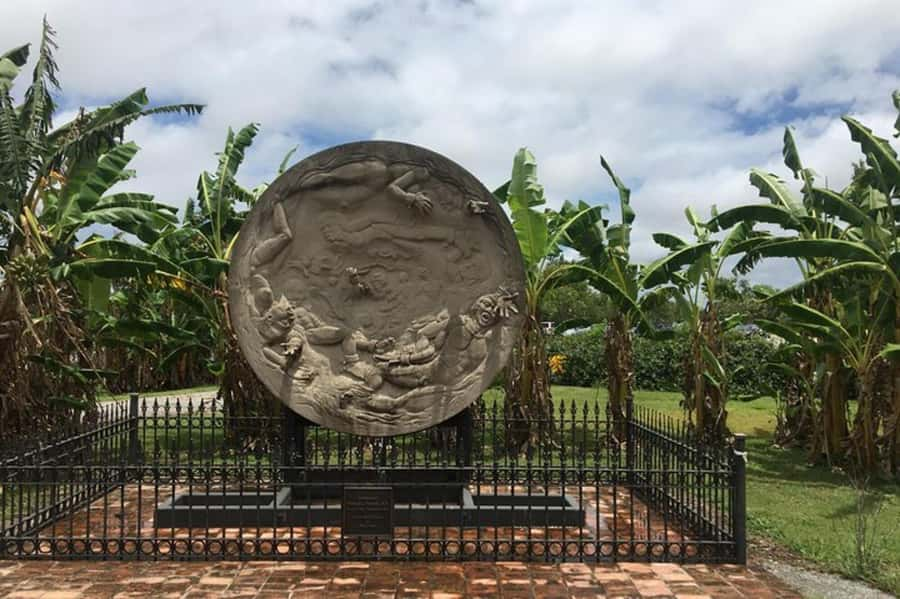
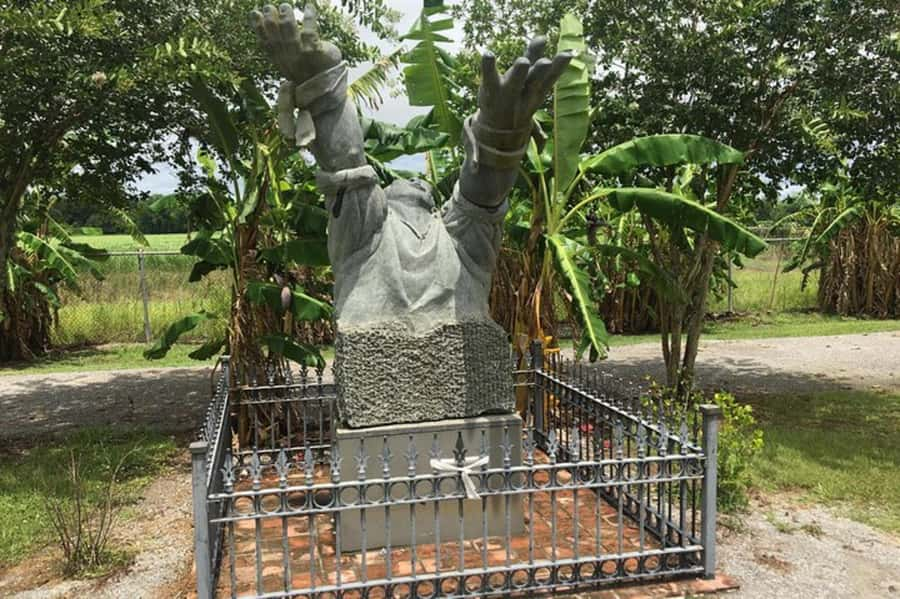
The tour concludes at a memorial honoring those who suffered under slavery. This is a fitting end because it moves the experience away from buildings and toward remembrance.
A memorial can never represent every life lost or damaged by slavery. It can, however, give you a place to pause after hearing about cabins, labor, and living conditions. I would not schedule an immediate activity after this visit. Allow yourself a little quiet time before returning to the energy of New Orleans.
The memorial also connects the plantation’s past with slavery’s enduring legacy. The visit is not asking you to treat the subject as finished or safely distant. It asks you to remember the people involved and to consider how the effects of slavery continue beyond the plantation grounds.
After the memorial, you have about 30 minutes for the gift shop, restrooms, or a quick snack. This is useful practical time, but it is not a full meal break. If you need substantial food, do not assume it is included in the outing.
What the audio format means for your visit
The self-guided headset is a good fit for this subject. You can listen privately, stop when you need a moment, and set your own pace through the cabins, church, work areas, house, and memorial.
A live guide can respond to questions in real time, but no individual guide is named for this experience. If personal discussion with a guide is important to you, you may find the audio format less satisfying. If you prefer quiet concentration and control over your timing, it works well.
The tour is described as audio-guided rather than led in a particular language by a named person. The provided information does not list available audio languages, so ask the activity provider if that affects your booking decision.
The format also makes this a better choice for adults and older children who can engage with difficult historical material. The information does not give a minimum age or a family suitability policy, so you should use your own judgment.
Is $81 a fair price?
At $81 per person, the price includes the entry ticket, audio guide, hotel pickup, and hotel drop-off. That is a reasonable package if you are staying in New Orleans without a car and want to avoid arranging a long-distance journey to the plantation.
The price is less attractive if you already have easy access to a vehicle or prefer to arrange every part of the outing yourself. You are paying for convenience as well as admission. The transfer matters here because Whitney Plantation is about 70 miles from the French Quarter, and that is a substantial distance for a self-organized side trip.
The lack of included food is easy to manage, but remember it when planning your day. You receive time for a quick snack after the tour, yet meals and beverages are your responsibility.
Flexible booking also helps. You can cancel up to 24 hours before the activity for a full refund, and the reserve now, pay later option lets you hold a place without paying immediately. Pickup details can vary, so confirm your hotel or nearest pickup point before the day of the tour.
Who should book this experience?
I would recommend this outing if you want a focused history visit that treats enslaved people as the main subject. It suits you especially well if you value quiet reflection, an audio format, and a direct comparison between slave cabins, work buildings, and the owner’s house.
It is also a strong choice if you do not have a car. The included transfers remove one of the biggest practical hurdles. The 390-minute schedule leaves enough time for the plantation visit without turning the day into a rushed dash.
You may want to choose another activity if you are looking mainly for plantation architecture, gardens, or a light sightseeing trip. Whitney Plantation deals with slavery directly, and the memorial makes the emotional weight clear.
Mobility is another important consideration. The activity is not suitable for wheelchair users. The provided information does not give further details about surfaces, seating, or other mobility needs, so contact the provider if you have questions beyond wheelchair access.
Should you book the Whitney Plantation tour?
Book it if you want to understand Louisiana plantation history through the lives and labor of enslaved people. The combination of hotel transport, a self-paced audio guide, the Freedmen’s Church, the work buildings, and the memorial gives you a focused visit rather than a polished plantation-house tour.
I would book early enough to check pickup details and leave the rest of your day open. Bring a serious frame of mind, plan for food separately, and expect the subject to stay with you after you return to New Orleans.
Skip it if you want a short or purely scenic excursion. For an $81 half-day outing, the value comes from the historical focus and the transport convenience, not from entertainment or luxury.
FAQ
Where is Whitney Plantation located?
Whitney Plantation is in Louisiana, about 70 miles from New Orleans’ French Quarter.
How long does the experience last?
The stated duration is 390 minutes, or six and a half hours.
Is hotel pickup included?
Yes. Pickup and drop-off are included for most New Orleans hotels.
What if my hotel is not listed?
Choose the nearest available pickup location. The listed pickup stops are within three to four blocks of one another.
Is the tour led by a live guide?
No individual live guide is specified. You receive an audio headset and follow a self-guided, self-paced tour.
What does the admission include?
The package includes entry to Whitney Plantation, the audio guide, and hotel transportation.
Are meals and drinks included?
No. Meals and beverages are not included. You have about 30 minutes after the tour for the gift shop, restrooms, or a quick snack.
What places do you visit?
The route includes slave cabins, Freedmen’s Church, a detached kitchen, other plantation outbuildings, the 1790 owner’s house, and a memorial honoring people who suffered under slavery.
Is the activity wheelchair accessible?
No. The activity is listed as unsuitable for wheelchair users.
Can I cancel the booking?
Yes. You can cancel up to 24 hours in advance for a full refund. A reserve now, pay later option is also available.
Latest audio tours in the USA
- Sequoia National Park Self-Guided Audio Tour★ 4.5 · 9 reviews
- Sequoia and Kings Canyon Audio Tour Self Guide National Park Tour★ 5.0 · 3 reviews
- Kings Canyon National Park Self-Guided Audio Tour★ 4.0 · 4 reviews
- Sedona, Arizona Self-Guided Audio Tour★ 4.0 · 36 reviews
- Sedona & Red Rock State Park Self-Guided Driving Audio Tour★ 3.0 · 30 reviews
- Downtown Seattle Self-Guided Walking Audio Tour★ 4.5 · 6 reviews
- Uncover Seattle: Self-Guided Audio Tour★ 3.5 · 7 reviews
- Haunted Savannah Self-Guided Walking Audio Tour★ 4.5 · 3 reviews
New Orleans Audio Tours, compared.
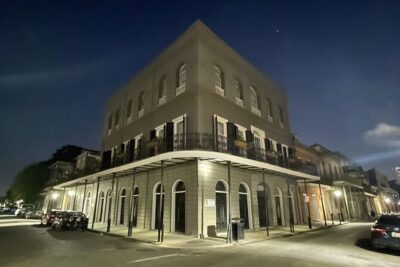
Ghosts of New Orleans: Self-Guided Haunted Audio Walking Tour
Read our review →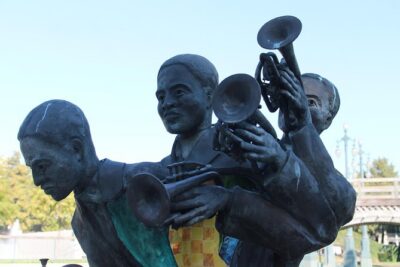
Walking the Tremé: A Self-guided Audio Tour of New Orleans
Read our review →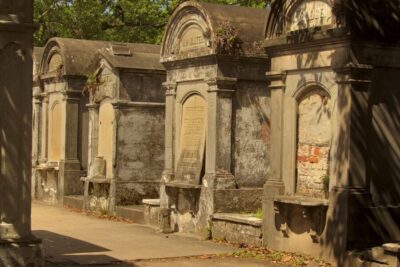
Self Guided Audio Ghost Tour in New Orleans in 6 Languages
Read our review →
A Walk in the Park: City Park New Orleans Audio Tour
Read our review →
Metairie Cemetery Stories: A Self-Guided Audio Tour
Read our review →
New Orleans Esplanade Ridge: A Self-Guided Audio Tour
Read our review →
St Louis Cemetery No.3 New Orleans Burial Tradition Audio Guide
Read our review →
Browse the lists this tour appears in