
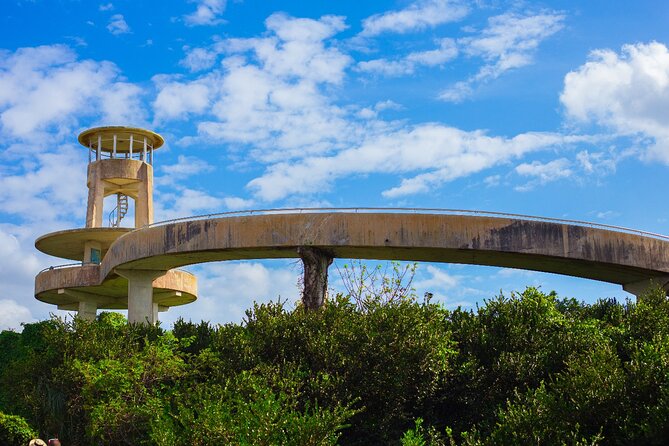
Reviewed · MIAMI
Big Cypress National Preserve Self Guided Driving Audio Tour
Big Cypress is best understood from behind the wheel, where the road carries you past cypress forest, open water, hardwood hammocks, and the small roadside places that make South Florida feel far from Miami. This self-guided audio tour adds direction and context without tying you to a bus schedule or a group.
I like the freedom to stop longer at Kirby Storter Roadside Park or skip a trail that does not suit you. I also like the price: $16.99 covers the whole car, up to four people. The main caution is that this is a driving tour, not a guided nature walk, and some roads may be rough. One experience was badly spoiled by potholes, so do not expect a smooth highway throughout.
Key points before you set out
- More than 42 miles of route: Plan on about 2 to 3 hours for the main drive, though one version of the tour describes a longer 3 to 5 hour experience if you add stops and side excursions.
- Twenty-seven or more audio stories: The app plays location-based narration and directions as you move between points.
- Wildlife stops are built in: H.P. Williams Roadside Park is the best quick stop for alligators, turtles, birds, and possibly snakes.
- A good deal for a small group: One purchase covers up to four people in the same car.
- Offline access matters: Download the tour over strong Wi-Fi or cellular service before reaching the preserve.
- Lifetime use: You can pause, return, or reuse the tour on future trips without an expiry date.
Why Big Cypress works well as a self-guided drive
Big Cypress National Preserve is not a single attraction with a gate, a line, and a marked route from beginning to end. It is a broad wetland region crossed by highways, side roads, boardwalks, trails, visitor facilities, and small roadside stops.
That makes an audio tour useful. You get a steady thread of stories while you drive, along with directions between stops. The app is designed to trigger narration based on your location, so you do not need to keep looking down at a screen.
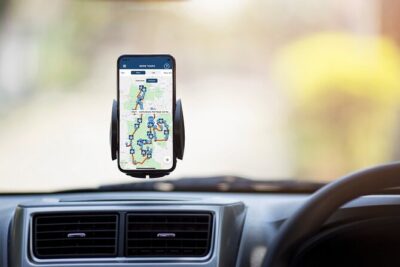
You can connect your phone to the car with Bluetooth, USB, or AUX. Apple CarPlay works for audio playback, while Android Auto support is still being developed. The recommended devices are an iPhone with iOS 15 or later, an Android phone with version 9 or later, or an iPad or tablet with GPS and cellular service.
Download the tour before you arrive. The preserve can be a poor place to depend on a signal, and the offline maps are one of the strongest practical features here. Once the tour is loaded, you can pause it for lunch, a walk, photos, or a side trip, then continue later.
The narrator is not identified by name in the supplied information, but the tour is built around a polished recorded voice and location-triggered stories. No guide meets you at the start. You are responsible for getting to the first point, starting the correct tour version in the Action Tour Guide app, and following the route.
More Self-Guided Audio Tours in the USA
- Gettysburg Battlefield Self-Guided Driving Audio Tour
★ 4.5 · 910 reviews - Joshua Tree National Park Self-Guided Driving Audio Tour
★ 4.5 · 762 reviews - Ultimate Acadia National Park Self-Guided Driving Audio Tour
★ 4.0 · 521 reviews
Start on US Highway 41 with South Florida’s tribal story
The opening section uses US Highway 41 to introduce the people who have called South Florida home. The narration begins with the Miccosukee, then places them alongside the Calusa and Seminole peoples.
The Calusa were a formidable coastal people, while the Seminole formed later from Creek communities connected to Georgia. During the Indian Wars of the 1800s, about 100 Miccosukee people fled into the Everglades and hid to avoid capture.
This is a useful way to begin because the preserve is not empty wilderness. Roads, water, villages, and trails all exist within a human story. The drive becomes more meaningful when you understand that the wetlands also served as shelter and home.
The route is free to enter at the listed points, but the Miccosukee Indian Village itself may offer separate museum, art, and craft experiences. The audio tour does not include admission passes, reservations, or attraction tickets.
Miccosukee Indian Village and the Tree Snail Hammock Trail
The Miccosukee Indian Village is a natural early stop. It is operated by members of the Miccosukee Tribe and includes Native arts and crafts along with a museum about tribal history.
You can treat this as an optional visit rather than a required part of the drive. If you are mainly interested in the road and wildlife, you can listen to the story and continue. If you want a closer look at Miccosukee culture, allow extra time beyond the basic tour estimate.
Next comes the Tree Snail Hammock Trail, a quarter-mile loop through hardwood forest. It can take only about five minutes if you are stretching your legs, but the point is to slow down and look carefully for the elusive tree snail.
This is a short walk with a specific purpose. It is not a major hike, and that makes it an easy choice when you want a break from the car without committing to a long trail. As always in Big Cypress, wildlife sightings are possible rather than guaranteed.
H.P. Williams Roadside Park is the best quick wildlife stop
If you want one short stop with a good chance of seeing animals, make time for H.P. Williams Roadside Park. A boardwalk follows a waterway where alligators and turtles are often seen, with the possibility of a snake nearby.
The setting also suits birdwatchers. Herons and egrets wade along the water, while hawks may perch in the trees above. The boardwalk gives you a better view than simply pulling off the road, and the stop does not require a long hike.
The audio segment is listed at about 10 minutes, but you should not feel bound to that time. If wildlife is active, stay longer. If the waterway is quiet, listen to the story and move on.
Keep your expectations sensible. A preserve is not a zoo, and the tour cannot produce an alligator on schedule. Still, this is one of the most worthwhile stops for a short walk and a close look at wetland life.
More Driving Audio Tours in the USA
- Ultimate Lake Tahoe Self-Guided Driving Audio Tour
★ 4.5 · 435 reviews - Scenic Newport, RI Self-Guided Driving Audio Tour
★ 4.5 · 325 reviews - Arches National Park Self-Guided Driving Audio Tour
★ 4.5 · 288 reviews - Yellowstone National Park Self-Guided Driving Audio Tour
★ 4.5 · 249 reviews
Loop Road explains how a swamp road came to be
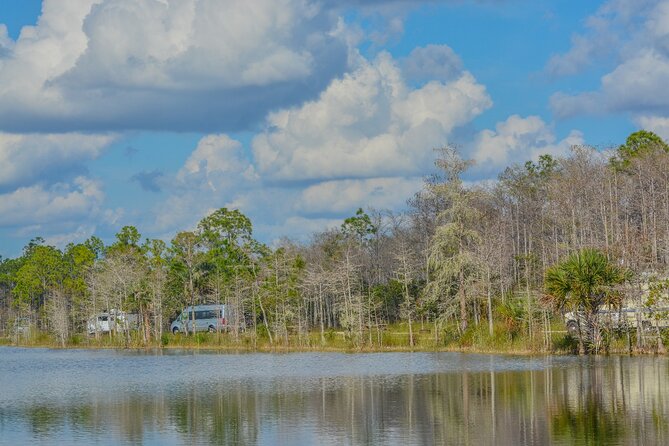
The route continues along Loop Road, a road with an ambitious past. In 1915, Miami businessman James Jaudon imagined a highway cutting across the South Florida swamp to move goods more easily.
That story gives you a reason to pay attention to the road itself. You are not just passing through scenery. You are following an old transportation idea shaped by the difficult ground beneath the tires.
Road conditions deserve attention here. One unhappy experience described the drive as badly potholed and unpleasant, with speed used to get through rough sections. Do not copy that approach. Stick to the posted speed limit and drive carefully, especially where the road surface is uneven.
This is also where the tour’s hands-free design helps. You can keep your eyes on the road while the audio explains what you are seeing. The experience is strongest when you treat the drive as a slow route through the preserve, not as a race between stops.
County Road 94 and the airport plan that never happened
County Road 94 introduces one of the preserve’s strangest development stories. When Everglades National Park was created in the 1940s, the government could not buy all the private land in the area. As a result, this section remained open to possible development.
In the 1960s, officials proposed building the Big Cypress Jetport here. The plan called for what would have been the largest airport in the world.
That failed airport plan helps explain why Big Cypress became a national preserve. The place you see today was not automatically protected. Its future was once tied to runways, cargo, and large-scale construction.
This is a good example of what the audio format does well. A quiet stretch of road can look like nothing more than trees and water. A short story gives it a second layer without requiring you to stop at a museum.
Gator Hook Trail is a serious wet-weather choice
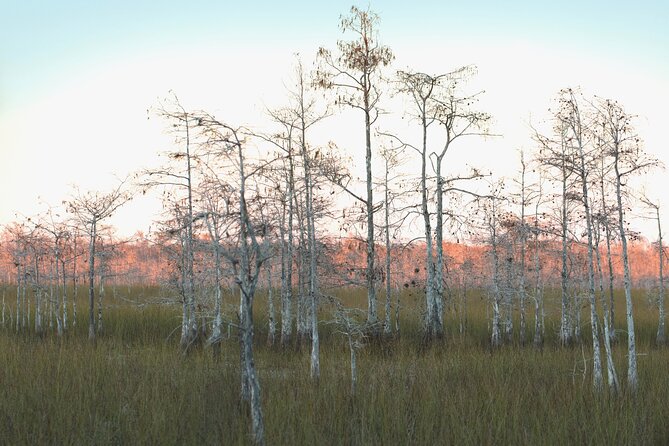
Gator Hook Trail is the most demanding option on the route. The hike is a moderately challenging five-mile round trip, and the trail begins on dry ground before entering water.
The water may reach ankle depth, then knee depth, and in places hip depth for shorter hikers. That detail matters. This is not a casual stroll in sandals, and you should prepare before leaving the car.
One useful suggestion is to bring footwear that can handle wet conditions. A past visitor specifically wished the instructions had explained that shoes for wet areas are needed on Gator Hook Trail. That is sound advice based on the trail description.
You do not have to hike it to enjoy the tour. The audio story can explain the route while you continue driving. If you do choose it, allow far more time than the basic 2 to 3 hour estimate and be ready for a wet, physically demanding outing.
Kirby Storter Roadside Park offers the classic boardwalk view
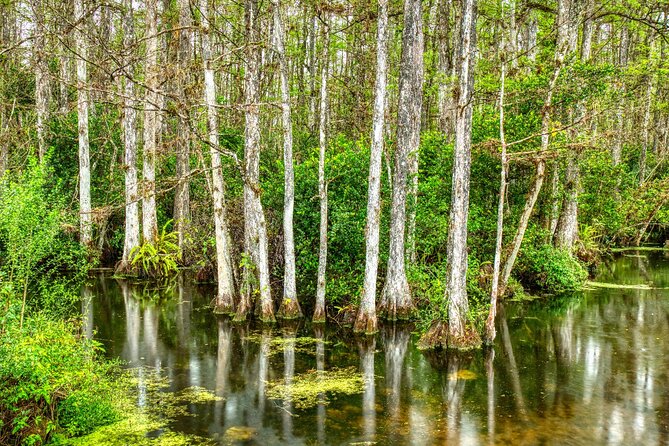
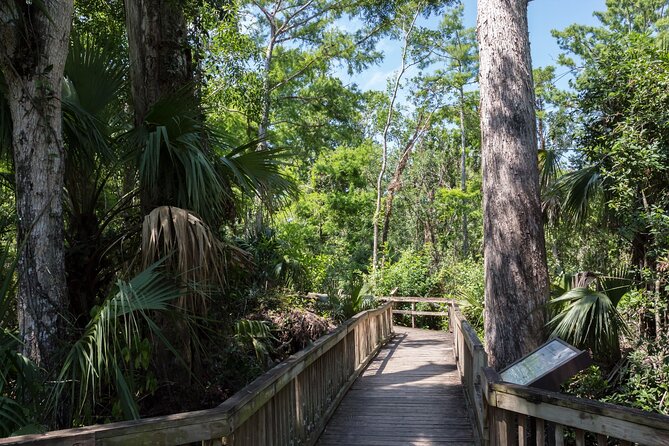
Kirby Storter Roadside Park is one of the easiest places to get the classic Big Cypress experience without a long, difficult hike. Its mile-long boardwalk passes through hardwood and cypress trees, with shade and thick green growth around the route.
I would give this stop more than the standard audio segment if your schedule allows. The trail is long enough to feel like a real walk, but manageable compared with Gator Hook Trail. It is also a strong choice for anyone who wants scenery and quiet rather than a strenuous challenge.
The boardwalk lets you enter the wetland without stepping into the water. That makes it more approachable for families and for anyone who packed ordinary walking shoes instead of wet-trail footwear.
Ochopee Post Office is a tiny roadside surprise
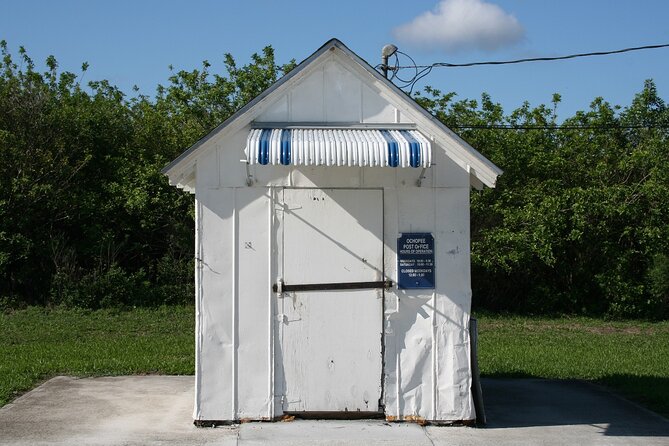
Along Tamiami Trail East, watch for a little white building: the Ochopee Post Office. It is described as the smallest post office in North America.
You can stop to look, and the staff are usually happy to postmark an item if you want an unusual souvenir. A postmarked card from the smallest post office in North America is more personal than a standard gift-shop purchase.
This stop takes only a few minutes, but it illustrates the appeal of the route. Big Cypress is not only about wildlife and long trails. It also includes small human places that you would probably miss if you drove through without an audio guide or a planned route.
Visitor centers and the final boardwalk
The Nathaniel P. Reed Visitor Center marks the end of the main tour. It offers ordinary visitor facilities and displays that include paintings by Everglades artist Sam Vinikoff.
The building itself is part of the story. It was designed with energy conservation in mind, so you get another example of how people have tried to build in this wet environment with less strain on the surroundings.
About ten miles away, Big Cypress Bend Boardwalk provides another strong walking option. This half-mile boardwalk passes through an old-growth cypress grove and offers the kind of thick, green scenery many people picture when they think of Big Cypress.
The two stops suit different needs. The visitor center gives you orientation and facilities. Big Cypress Bend gives you a focused walk through cypress trees. If you have only a little extra time, choose based on your priorities rather than trying to force in both.
What $16.99 gets you
At $16.99 per group of up to four, the price is appealing if you have a car full of people. Four people pay less than $4.25 each, although the charge is still reasonable for two people sharing a vehicle.
The value comes from flexibility rather than personal service. You do not get a live guide, attraction admissions, meals, or reservations. You do get directions, narration, offline maps, and the freedom to stop whenever you want.
The lifetime access is unusual and useful. The information says the tour has no expiry date, so you can use it on a future trip, repeat favorite sections, or split the drive over multiple days. That matters because a full route with walks can easily take longer than the shortest estimate.
Timing needs a little clarification. The main summary gives 2 to 3 hours, while another instruction describes a 48-plus-mile version taking 3 to 5 hours. The safest plan is to allow at least half a day if you want to stop, walk, look for wildlife, and visit the roadside attractions without rushing.
Who should book this tour?
I would recommend it to independent drivers who want background stories but do not want a fixed group schedule. It is especially useful for first-time visitors who might otherwise pass the preserve’s smaller stops without knowing what they are seeing.
It also suits repeat visitors. Since the access does not expire, you can use the narration once as a broad introduction, then return later for a slower wildlife and boardwalk day.
Families and small groups benefit from the per-car price, though the wet Gator Hook Trail may not suit everyone. People who dislike driving on rough roads, or who expect a polished guided excursion with guaranteed wildlife, should think twice.
You also need to be comfortable managing the technology yourself. The email and text after booking include setup instructions and a password. Search for audio tour in your messages, download the separate Action Tour Guide app, and load the route while you have a strong connection.
Should you book the Big Cypress audio tour?
Book it if you want an affordable, flexible way to connect the preserve’s roads, stories, boardwalks, and wildlife stops. The best parts are the hands-free directions, the tribal and development history, the quick wildlife access at H.P. Williams Roadside Park, and the freedom to use the tour again later.
Skip it if you want a live naturalist, a smooth road, or all admission costs included. The route may take longer than the shortest estimate, and rough pavement can affect the experience.
For most self-directed visitors with a car, the $16.99 price is fair. Download it before arrival, bring shoes that can handle wet ground if you plan to attempt Gator Hook Trail, and give yourself enough time to stop rather than simply drive through.
FAQ
How long does the Big Cypress audio tour take?
The main tour is described as taking about 2 to 3 hours. A longer route description gives 3 to 5 hours for more than 48 miles, especially if you include walks, wildlife stops, and side excursions.
How much does the tour cost?
The price is $16.99 per group of up to four people. You purchase one tour for the car rather than paying separately for each person.
Is the tour guided in person?
No. This is a private, self-guided activity. No guide meets you at the starting point, and the audio stories and directions play through the Action Tour Guide app.
Does the tour work without cell service?
Yes, after you download it. You must download the tour while connected to strong Wi-Fi or cellular service. The offline maps and audio are then available without a signal.
Are attraction tickets included?
No. Attraction passes, entry tickets, and reservations are not included. The listed route points themselves have no admission ticket charge, but optional attractions may have their own arrangements.
Can I cancel for a full refund?
Yes, if you cancel at least 24 hours before the experience start time. Cancellations made within 24 hours are not refundable, and changes made within that period are not accepted.
Latest audio tours in the USA
- Solvang City Personalized Self-Guided App Tour★ 3.0 · 6 reviews
- Essential Downtown SLO: A Self-Guided Audio Tour★ 4.5 · 27 reviews
- Silicon Valley Self-Guided Driving Audio Tour for Tech Lovers★ 4.0 · 24 reviews
- Self-Guided Audio Tour of the Golden Gate Bridge★ 3.5 · 3 reviews
- The Ghosts of San Francisco Haunted Audio App Walking Tour★ 5.0 · 2 reviews
- Point Reyes National Seashore Self Guided Driving Audio Tour★ 4.0 · 9 reviews
- San Francisco Self-Guided Audio Drive: Explore at Your Own Pace★ 4.0 · 9 reviews
- Explore Coronado Island on a Self Guided Audio Tour★ 5.0 · 2 reviews
Driving Audio Tours, compared.


Ultimate Acadia National Park Self-Guided Driving Audio Tour
Read our review →


Browse the lists this tour appears in